
Spina Bifida Home Care in Wallingford and New Haven: Support for Everyday Independence

Living with spina bifida can mean doing a bit more planning than most people realize. A morning routine, a trip to the pharmacy, getting around the house, or preparing dinner may call for extra time, the right equipment, and a helping hand. Still, home can remain a place of comfort, familiarity, and possibility.
Spina Bifida Home Care in Wallingford and New Haven can help people manage everyday routines with dignity while staying connected to the people, places, and activities they enjoy. With practical support and a personalized plan, families can take things one day at a time without feeling like they have to carry the whole load alone.
What You Will Learn
- How spina bifida can shape daily routines, mobility, comfort, and independence at home
- Ways compassionate home care can support personal care, household tasks, transportation, and meaningful activities
- Why skin awareness, safe movement, and coordinated healthcare guidance matter for everyday well-being
- How families in Wallingford and New Haven can build a flexible support plan that promotes confidence and peace of mind
Table of Contents
Understanding Daily Life With Spina Bifida
Spina bifida affects people differently. Some people move independently, while others may use braces, crutches, walkers, or wheelchairs. Mobility, sensation, bladder and bowel function, skin health, and energy levels can all shape a person’s daily needs. The CDC notes that people with spina bifida may use a range of mobility methods, and regular activity remains an important part of overall health.
Because there’s no cookie-cutter care plan, support should fit the person—not the other way around. A teenager may need help getting to appointments and community activities. An adult may benefit from assistance with meals, errands, or home organization. An older adult may need more regular support with personal care and safe movement.

Spina Bifida Home Care in Wallingford and New Haven
Non-medical home care can make day-to-day life feel less complicated. A caregiver can assist with routine tasks while encouraging the person receiving care to remain involved in choices and activities whenever possible.
Help With Personal Routines
Getting dressed, bathing, grooming, toileting, and moving safely through the home can take more effort on certain days. Caregivers can provide respectful assistance based on the client’s preferences and established care plan.
Support with regular routines can also ease stress for family members. After all, peace of mind is no small thing.
Support for Mobility and Transfers
A thoughtfully arranged home can make a world of difference. Clear pathways, good lighting, easy-to-reach items, and properly placed mobility equipment can help reduce unnecessary hazards.
Caregivers may assist with transfers, positioning, and safe movement according to professional guidance. Physical therapy plans, braces, mobility devices, and exercises should always be directed by qualified healthcare providers.
Assistance With Household Tasks
Even small chores can pile up fast. Meal preparation, grocery shopping, laundry, light housekeeping, and errands may be easier with another person in the mix. A caregiver can help maintain a comfortable, organized home while leaving more time and energy for what matters most.
Comfort, Skin Health, and Daily Safety
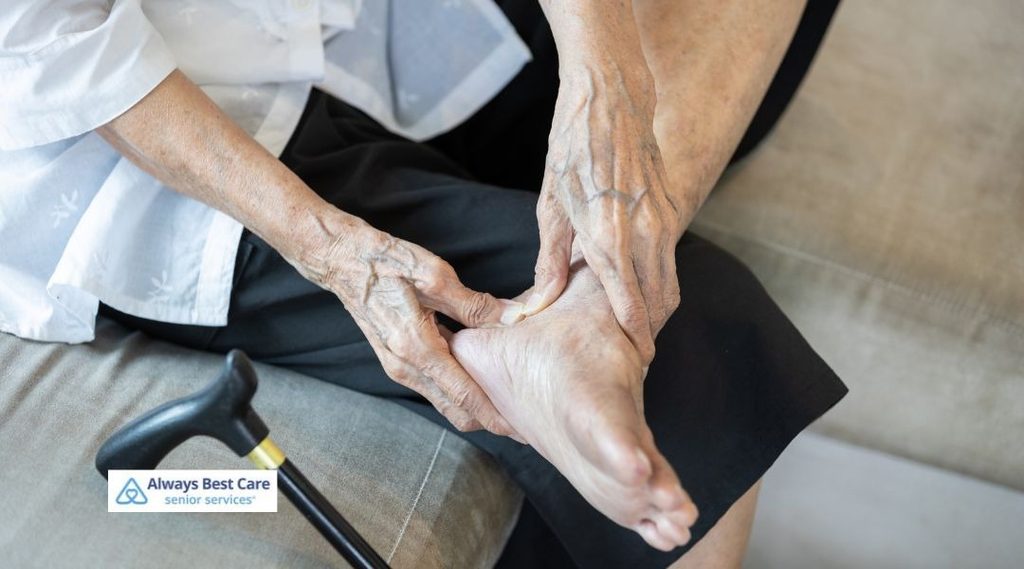
Some people with spina bifida have reduced sensation in parts of the body. That can make it harder to notice a pressure area, scrape, burn, or skin irritation before it becomes a bigger problem. The CDC recommends regular skin checks and attention to skin care because pressure injuries and other concerns can develop without being felt right away.
At home, support may include help with hygiene, changing positions, choosing comfortable clothing, and keeping bedding or seating areas clean and dry. For new redness, blisters, sores, swelling, drainage, fever, or other concerns, contact the appropriate healthcare provider promptly. Better safe than sorry.
Staying Connected Beyond the Front Door
Independence isn’t only about what happens inside the house. It also means having the freedom to attend appointments, pick up prescriptions, see friends, participate in hobbies, and enjoy community life.
Transportation and companionship can help bridge that gap. Caregivers may assist with errands, accompany clients to local outings, and help maintain a reliable routine around medical visits or therapy sessions. A little company can brighten an otherwise long day, too.

Coordinating Support With Healthcare Providers
A strong support plan works best when everyone is on the same page. Family members, caregivers, primary care providers, specialists, therapists, and the person receiving care all have an important role.
People with spina bifida may work with different healthcare professionals, including urology, neurology, orthopedics, physical therapy, and other specialists. Yale New Haven Children’s Hospital offers a Spina Bifida Program that brings several specialties together for coordinated support.
Caregivers don’t replace medical professionals. Instead, they can help follow non-medical routines, observe changes, encourage appointment attendance, and share concerns with the family or care team according to the established plan.
How Always Best Care Can Help
Always Best Care Wallingford and New Haven provides compassionate, non-medical in-home support tailored to each client’s daily needs. Care may include personal care assistance, companionship, meal preparation, light housekeeping, medication reminders, transportation, errands, and respite for family caregivers.
Spina Bifida Home Care in Wallingford and New Haven can be arranged around the routines that matter most, whether that means a few hours of help each week, regular daytime support, or additional assistance for a family caregiver who needs a breather.

Frequently Asked Questions
Q: What does home care for someone with spina bifida include?
A: Non-medical home care may include help with personal routines, safe mobility, meal preparation, light housekeeping, transportation, errands, companionship, and caregiver respite. Services should be tailored to the person’s established care plan and preferences.
Q: Can a caregiver assist with wheelchair transfers?
A: A trained caregiver may assist with safe transfers and positioning according to the client’s care plan and professional instructions. Families should discuss transfer needs, equipment, and safety considerations before care begins.
Q: Why are skin checks important for people with spina bifida?
A: Reduced sensation may make it difficult to feel skin irritation, pressure, cuts, or burns. Regular observation and prompt medical guidance for concerning changes can help protect skin health.
Q: Does home care replace nursing or therapy services?
A: No. Non-medical home care complements services from physicians, nurses, physical therapists, occupational therapists, and other qualified providers. It focuses on daily living support, comfort, safety, and companionship.
A Helping Hand for Everyday Independence
A fulfilling life with spina bifida isn’t defined by what feels challenging; it’s shaped by the support, routines, and relationships that make each day more manageable. With practical assistance at home, residents in Wallingford and New Haven can keep moving forward in ways that feel comfortable and meaningful.
Always Best Care of Wallingford is ready to provide a steady, compassionate helping hand. Reach out today at (203) 347-2038 to discuss personalized, non-medical home care that supports your loved one’s safety, comfort, and independence at home.
Link to the Markdown File version of the article