
Elder Abuse Prevention: Protecting Seniors and Promoting Safe, Respectful Care in Wallingford, CT

No family wants to imagine a loved one being harmed, ignored, or taken advantage of. Yet elder abuse is, sadly, a growing problem across the country, and Wallingford is not immune. Abuse can happen behind closed doors in a private home, in a care setting, or even within relationships that once felt trustworthy.
That’s exactly why elder abuse prevention matters so much. By staying informed, watching for red flags, and building a strong circle of support, we can work together to keep seniors safe, respected, and heard.
At Always Best Care of Wallingford, we see elder abuse prevention as part of our everyday responsibility. We’re here to help you spot concerns early and take action before things spiral.
What you will learn:
- What elder abuse is, the key ways it can appear, and why it’s often hard to spot at first.
- Which warning signs and risk factors may signal that a senior in Wallingford is more vulnerable to harm?
- Simple, loving steps families can take to stay involved, prevent abuse, and support both seniors and caregivers.
- How professional in-home care and timely action can strengthen safety, oversight, and peace of mind for everyone.
Table of Contents
What Is Elder Abuse?
Elder abuse happens when someone’s actions, or failure to act, cause harm, distress, or serious risk to an older adult. It’s not always dramatic or obvious. Sometimes it shows up quietly, in small patterns that build over time.
Common forms of elder abuse include:
- Physical abuse – hitting, pushing, rough handling, or improper restraint
- Emotional abuse – yelling, threats, insults, humiliation, or isolating a senior from others
- Financial exploitation – misuse of money, pressure to sign documents, or unexplained withdrawals
- Neglect – not providing enough food, hygiene, medications, or medical care
- Abandonment or lack of supervision – leaving a senior alone when they clearly need help and oversight
Elder abuse prevention starts with acknowledging that harm can take many shapes, some loud and some painfully quiet.
Warning Signs Families Shouldn’t Ignore
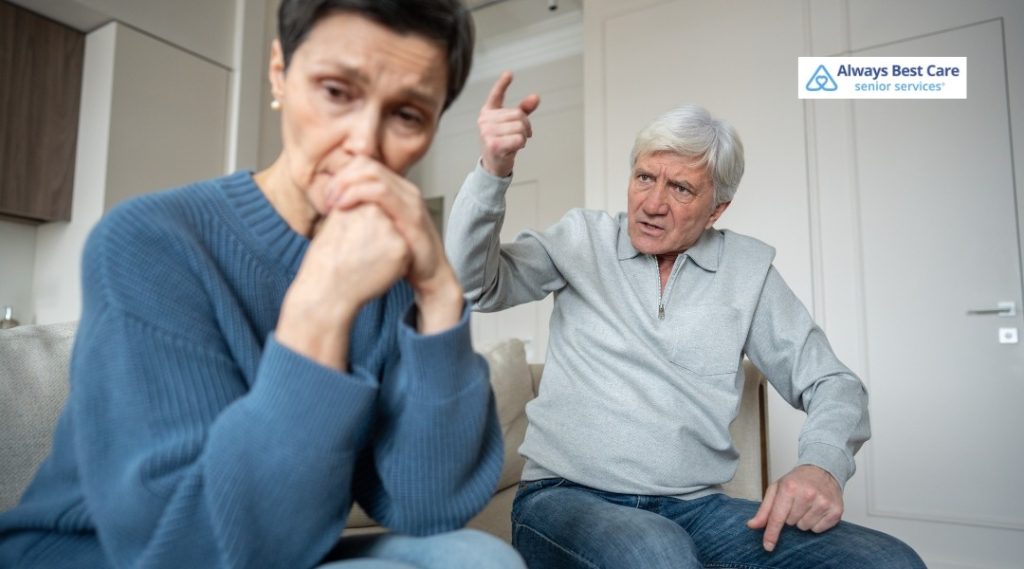
Abuse doesn’t usually announce itself with a flashing sign. More often, it shows up as subtle changes that make you think, “Something just feels off.”
Watch for:
- Unexplained bruises, cuts, or frequent falls
- Sudden shifts in mood or personality, such as anger, fear, or withdrawal
- Poor hygiene, dirty clothes, or a home that’s suddenly cluttered and unsafe
- Unpaid bills, missing cash, or unusual bank activity
- A senior who appears nervous, guarded, or afraid around certain people
- Noticeable changes in sleep, appetite, or communication
If your gut is telling you something’s wrong, it’s worth listening. Elder abuse prevention often begins with that first uneasy feeling and a willingness to ask gentle, honest questions.
What Makes a Senior More Vulnerable?
Some situations increase the risk that a senior may be harmed or taken advantage of. That doesn’t mean abuse is inevitable, far from it, but it does mean we should keep a closer eye and plan ahead.
Common risk factors include:
- Social isolation or very limited contact with friends and family
- Cognitive decline, such as dementia or memory loss
- Physical limitations that make a senior more dependent on others
- Financial dependency or a lack of oversight on money matters
- Caregiver stress or burnout, especially without breaks or support
By noticing these risk factors early, families can use elder abuse prevention strategies, like more frequent check-ins or extra caregiving support, to lower the chances of harm.

Practical Elder Abuse Prevention Steps for Families
Elder abuse prevention doesn’t have to be complicated or overwhelming. Small, consistent actions add up and send a clear message: “You’re not alone. We’re watching out for you.”
Here are some practical steps:
- Stay involved in daily life
- Drop by in person when you can.
- Ask about routines, meals, and appointments in a relaxed, conversational way.
- Keep communication flowing
- Use regular calls or video chats.
- Talk privately so your loved one feels safe being honest.
- Watch the finances
- Help review bank statements and bills.
- Make sure important documents are secure and understood.
- Build a support circle
- Connect with trusted caregivers, neighbors, and local services.
- Make sure more than one person has eyes on your loved one’s well-being.
- Promote social connection
- Encourage time with friends, family, faith communities, or senior centers.
- Loneliness can make seniors more vulnerable.
- Support caregivers too
- Caregiver burnout is real. Offer breaks, share responsibilities, or bring in professional help.
In short, elder abuse prevention thrives in an environment of openness, respect, and shared responsibility.
How Professional In-Home Care Supports Elder Abuse Prevention in Wallingford, CT
Professional in-home care can be a powerful part of elder abuse prevention. A consistent, trained presence in the home adds both support and accountability.
At Always Best Care of Wallingford, CT, we:
- Carefully screen and train caregivers to promote safety, respect, and kindness
- Support independence while still making sure essential needs are met
- Notice and report changes in mood, behavior, or physical condition
- Communicate with families so no one feels in the dark about what’s going on at home
We see ourselves as partners with families in preventing elder abuse. Together, we help create a safe space where seniors can feel comfortable, valued, and in control of their lives.
What Should You Do If You Suspect Abuse?
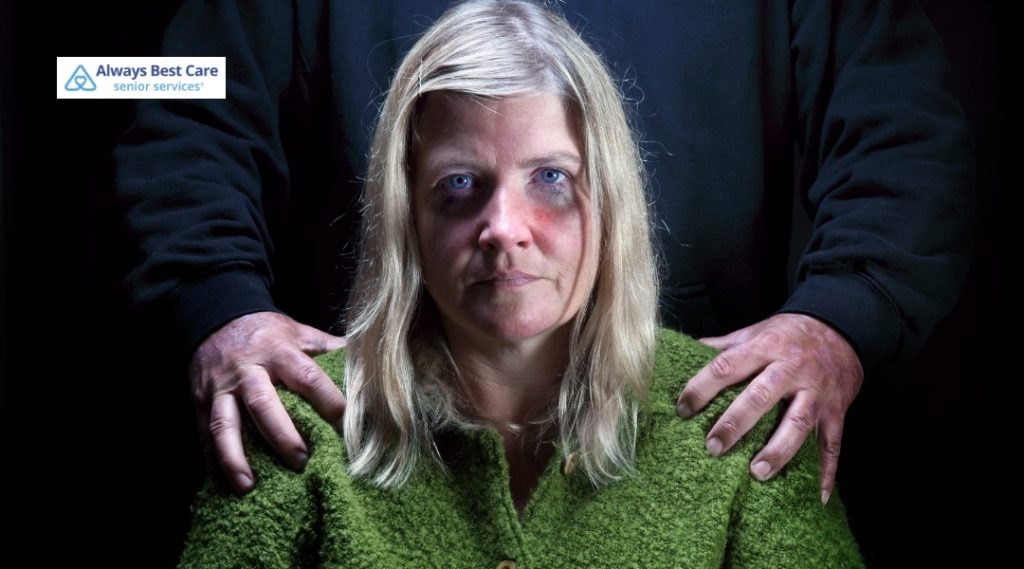
Feeling worried about a loved one is stressful, and it’s easy to second-guess yourself. Still, elder abuse prevention means speaking up sooner rather than later.
Here’s a straightforward path:
- Talk privately with your loved one
- Choose a calm, safe moment away from others.
- Ask open questions: “How are you feeling about the help you’re getting?” or “Has anyone made you feel unsafe or disrespected?”
- Write down what you notice
- Dates, times, injuries, comments, or financial changes can all be important later.
- Reach out for help
- Contact local adult protective services.
- Speak with healthcare providers who know your loved one.
- Call law enforcement if there’s immediate danger.
Taking action might feel uncomfortable, but staying silent can be far more harmful. Your concern could be the turning point that stops further abuse.
Creating a Safer Future for Seniors in Wallingford, CT
Elder abuse prevention isn’t just a one-time conversation; it’s an ongoing commitment. Families, friends, neighbors, and care providers all have a part to play.
At Always Best Care of Wallingford, CT, we’re dedicated to supporting that commitment. We work closely with families to promote safety, respect, and dignity for seniors who want to remain at home in the community they love.
If you’re looking for compassionate, trustworthy care, we’re ready to talk through options and answer your questions.

Frequently Asked Questions
Q: Where does elder abuse usually happen?
Abuse can occur in private homes, assisted living communities, nursing homes, or even in family settings. That’s why consistent oversight and communication are so important.
Q: How can I bring up my concerns without upsetting my loved one?
Try gentle, open-ended questions and reassure them that you’re on their side. You might say, “I care about you and want to make sure you feel safe and respected. Has anything been bothering you?”
Q: Is it still elder abuse if the person “didn’t mean to” cause harm?
Yes, neglect or harmful behavior can be abusive even if it wasn’t intended. Elder abuse prevention focuses on the senior’s safety and well-being, not just someone’s intentions.
Q: Can professional caregivers help prevent elder abuse?
Yes. Reliable in-home caregivers can spot changes early, provide safe and respectful care, and keep families informed so concerns don’t go unnoticed.
Q: How can Always Best Care of Wallingford, CT support my family?
We provide screened, trained caregivers, regular communication with families, and a strong focus on safety, dignity, and the prevention of elder abuse in the home.
Standing Up for Safer Senior Care in Wallingford
Elder abuse prevention in Wallingford isn’t just a phrase; it’s a promise we make to our parents, grandparents, neighbors, and friends. By staying alert to warning signs, understanding risk factors, and building a caring network around each senior, we can help protect the people who once protected us.
At Always Best Care of Wallingford, we stand beside you in that effort. If you’d like to talk about in-home care options or have concerns about a loved one’s safety, call us at (203) 347-2038 to schedule a care consultation and learn how we can support your family with safety, dignity, and peace of mind.
Link to the Markdown File version of the article