

Supporting Respiratory Health in Seniors: Tips for Easier Breathing in Wallingford, CT

For many older adults, breathing becomes more of a conscious effort with each passing year. Whether it is a chronic condition like COPD, seasonal allergies, or simply the natural decline in lung function that comes with age, respiratory health deserves serious attention.
The encouraging reality is that with the right habits, home environment, and support system in place, seniors can breathe easier and live more fully.
What you will learn:
- How aging and common conditions like COPD or asthma can affect a senior’s breathing, energy, and daily independence in Wallingford.
- Simple ways to create a more lung-friendly home environment and build gentle daily habits that support easier breathing.
- How to manage existing respiratory conditions with routines, monitoring, and knowing when symptoms need medical attention.
- The caring role in-home support can play in helping seniors with breathing challenges feel safer, more confident, and less alone at home.
Table of Contents
How Aging Affects the Lungs
The respiratory system undergoes real, measurable changes as we age. Lung tissue loses elasticity, the diaphragm weakens, and the airways become less efficient at filtering out irritants. These shifts happen gradually, which is why many seniors do not notice the decline until a respiratory illness or flare-up makes it impossible to ignore.
Common respiratory conditions affecting older adults include:
- Chronic obstructive pulmonary disease (COPD)
- Asthma
- Pneumonia
- Bronchitis
- Reduced lung capacity
Beyond the physical symptoms, respiratory issues can quietly erode independence. Fatigue sets in faster, sleep quality drops, and activities that once felt effortless, like walking to the mailbox or climbing stairs, become daunting. Proactively addressing lung health is one of the most effective ways to preserve quality of life.

Building a Lung-Friendly Home Environment in Wallingford, CT
Indoor air quality is often overlooked, but it directly affects how well seniors breathe day to day. Homes can harbor dust mites, mold spores, pet dander, and chemical fumes that aggravate the respiratory system without anyone realizing it.
Practical steps to improve air quality at home:
- Replace HVAC filters every 1–3 months
- Use a HEPA air purifier in frequently used rooms
- Keep humidity levels between 30–50% to discourage mold growth
- Eliminate smoking indoors entirely, including vaping
- Switch to fragrance-free or low-VOC cleaning products
- Vacuum regularly using a vacuum with a HEPA filter
Wallingford’s seasonal weather changes, particularly cold winters and humid summers, can also affect breathing. Keeping the home properly ventilated and temperature-regulated throughout the year makes a meaningful difference for seniors with sensitive airways.
Daily Habits That Strengthen Lung Health
Lifestyle choices have a compounding effect on respiratory health. Small, consistent actions build lung resilience over time and reduce symptom severity when illness does occur.
Encourage seniors to build these habits:
- Move daily. Even gentle walks or chair-based stretching improve circulation and keep the lungs active.
- Practice diaphragmatic breathing. Slow, deep breaths that engage the belly, rather than shallow chest breathing, help expand lung capacity and reduce anxiety.
- Stay well-hydrated. Water keeps the mucous membranes in the airways moist, making it easier to clear irritants.
- Prioritize nutrition. Anti-inflammatory foods like leafy greens, berries, and omega-3-rich fish support lung tissue health.
- Stay current on vaccinations. Flu, pneumonia, and COVID-19 vaccines significantly reduce the risk of serious respiratory illness in older adults.
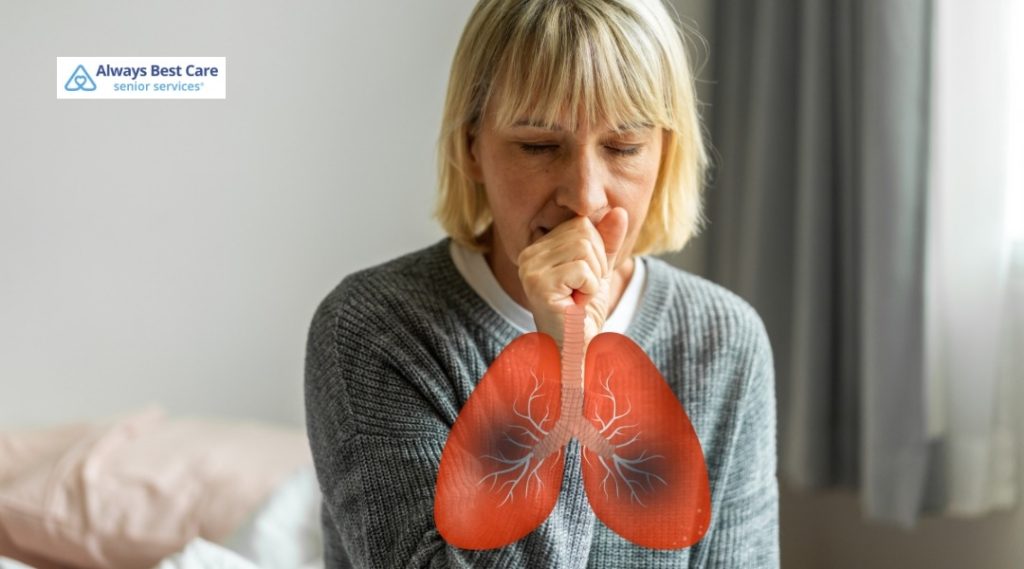
Managing Existing Respiratory Conditions
For seniors already living with a chronic respiratory condition, consistent management is non-negotiable. Skipping medications, missing follow-up appointments, or ignoring early warning signs can lead to rapid deterioration.
Effective management includes:
- Taking all prescribed medications on schedule
- Using inhalers with proper technique, ask a pharmacist or nurse to review if unsure
- Tracking symptoms in a simple daily log to identify patterns or triggers
- Scheduling regular checkups with a pulmonologist or primary care provider
- Knowing when to call the doctor versus when to go to the emergency room
Warning Signs That Should Never Be Ignored
Families and caregivers should know the difference between a manageable symptom and a medical emergency. Seek immediate care if a senior experiences:
- Sudden or severe shortness of breath
- Bluish tint to the lips, fingernails, or skin
- Chest pain or tightness
- Rapid breathing with confusion or disorientation
- A cough that produces blood or worsens significantly overnight
When in doubt, err on the side of caution. Respiratory emergencies can escalate quickly in older adults.

How Always Best Care of Wallingford, CT Supports Respiratory Health
Caring for a senior with respiratory challenges at home requires more than good intentions; it requires consistency, attention to detail, and the right kind of help. Always Best Care of Wallingford provides compassionate, professional in-home care designed to support seniors with exactly these needs.
Our caregivers can help by:
- Providing medication reminders to ensure treatments are never missed
- Keeping the home clean and allergen-free through light housekeeping
- Encouraging proper hydration and preparing nutritious meals
- Supporting safe, appropriate physical activity
- Offering companionship that reduces stress, a known trigger for respiratory flare-ups
- Coordinating and assisting with transportation to medical appointments
For seniors who need a higher level of care, home health services can bring skilled nursing and respiratory therapy support directly into the home.
Frequently Asked Questions
Q: What are the most common respiratory conditions in seniors?
A: The most common include COPD, asthma, pneumonia, and chronic bronchitis. Age-related decline in lung function also makes seniors more susceptible to respiratory infections and slower to recover from them.
Q: How can I tell if my elderly parent is having trouble breathing?
A: Watch for signs such as frequent sighing, avoiding physical activity, labored breathing during conversation, persistent coughing, or chest tightness. If you notice bluish lips or fingertips, confusion, or sudden breathlessness, seek emergency care immediately.
Q: Can exercise really help seniors with respiratory issues?
A: Yes, gentle, consistent movement improves lung efficiency and strengthens the muscles involved in breathing. Activities like walking, tai chi, and chair yoga are well-tolerated by most seniors and offer real respiratory benefits. Always consult a doctor before starting a new exercise routine.
Q: What home changes make the biggest difference for lung health?
A: Improving indoor air quality has the most immediate impact. This includes regularly replacing air filters, using a HEPA air purifier, avoiding exposure to smoke, and maintaining appropriate humidity levels. Switching to fragrance-free cleaning products is also a simple but effective step.
Q: How does in-home care support seniors with respiratory conditions?
A: In-home caregivers provide medication reminders, help maintain a clean environment, encourage healthy habits, and offer transportation to medical appointments. This consistent, day-to-day support reduces the risk of flare-ups and helps seniors stay on top of their care plans without relying solely on family members.
Q: When should I consider professional in-home care for a senior with breathing problems?
A: If a senior is struggling to manage medications independently, missing appointments, showing signs of fatigue or isolation, or experiencing frequent respiratory flare-ups, professional in-home care is worth exploring. Early support often prevents more serious health crises down the road.

Helping Your Loved One Breathe Easier
Respiratory health is not a passive concern; it requires active, ongoing attention. But with the right environment, daily habits, and a dependable care team, seniors in Wallingford can manage their symptoms, reduce their risks, and hold onto the independence they value.
You do not have to figure this out alone. Call Always Best Care of Wallingford today at (203) 269-1522 to schedule a free care consultation and learn how we can help your loved one breathe easier and live more comfortably at home.
Link to the Markdown File version of the article