

Senior Scams: How to Recognize the Warning Signs and Protect Your Loved One in Wallingford, CT
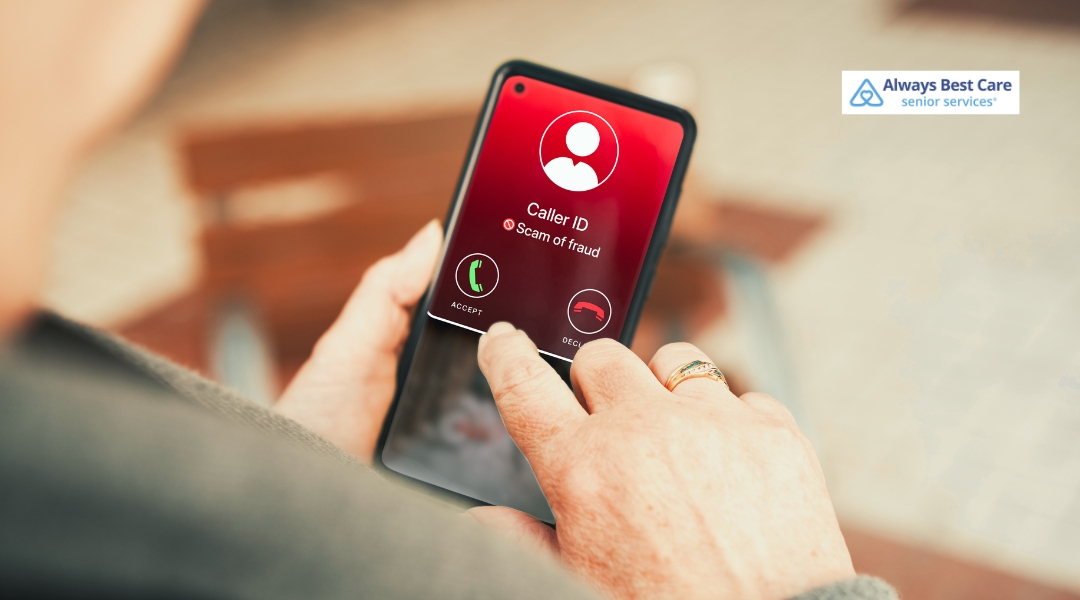
Senior scams in Wallingford are getting trickier, and sadly, older adults are often the ones left dealing with the stress, confusion, and financial fallout. Families in Wallingford need to stay alert because scammers have become very good at sounding believable, creating panic, and pressuring seniors to make quick decisions before they have time to slow down and think things through.
That’s what makes these scams so upsetting for the people we love. The encouraging news is that with a little awareness, open communication, and a few smart habits, families can spot warning signs earlier, help seniors feel more confident, and create a stronger layer of protection at home.
What you will learn:
- Why older adults are often targeted by scammers and the common situations that can make them more vulnerable.
- The most common senior scams to watch for, along with warning signs that something may be wrong.
- Simple, caring ways families in Wallingford, CT can help loved ones stay alert and avoid fraud.
- How in-home care and regular companionship can add another layer of safety and support.
Table of Contents
Why Senior Scams Happen So Often
Scammers often target older adults because they believe seniors may be more trusting, less familiar with online tricks, or easier to pressure. In many cases, they also assume older adults have savings or regular income, which makes them a tempting target.
On top of that, living alone or feeling isolated can make it easier for a scammer to build false trust. That’s exactly why staying connected matters so much.

Common Senior Scams to Watch For
Phone Scams
A caller may pretend to be from the government, a utility company, or even a grandchild in trouble. They often push for fast action, hoping fear will do the heavy lifting.
Email and Text Scams
Some messages look like they come from a bank, doctor’s office, or familiar business. One wrong click, and a fake website may steal personal details before you know it.
Prize and Lottery Scams
A scammer may claim your loved one has won money or a prize. Sounds great, right? The catch is that they must pay fees or taxes first, and the prize never shows up.
Romance Scams
These scams start with flattering messages and fake affection. Then, once trust is established, the scammer asks for money due to a fabricated emergency.

Tech Support Scams
A pop-up or phone call may say there’s a problem with a computer. The scammer then asks for remote access or payment for fake repairs.
Warning Signs That Something’s Off
A scam often has a few telltale signs. Keep an eye out for these red flags:
- urgent demands for money
- requests for gift cards, wire transfers, or cryptocurrency
- messages asking for personal or financial information
- threats, panic, or pressure
- Instructions to keep the matter secret
If something feels fishy, it probably deserves a second look.
How Families in Wallingford, CT Can Help
Families can make a big difference just by talking openly and staying involved. A calm conversation today can save a headache tomorrow.
Simple ways to help:
- Talk about common scams and how they work
- Encourage your loved one to double-check any strange requests
- review bank or credit card activity regularly
- Set up call blocking or spam filters
- Create a habit of asking a trusted family member before sending money
At the end of the day, confidence grows when seniors know they can ask questions without feeling embarrassed.

How In-Home Care Can Add Another Layer of Protection
A trusted caregiver can help keep an eye out for unusual situations. At Always Best Care of Wallingford, CT, we can support daily routines, offer companionship, and notice changes that may signal trouble.
Our caregivers can help by:
- screening unexpected calls or visitors
- noticing confusion around money or messages
- encouraging regular contact with family
- reducing loneliness through friendly companionship
That matters because scammers often prey on people who feel alone. A little company can make a big difference.
What to Do If You Suspect a Scam
If you think your loved one may have been targeted, don’t wait around.
Take these steps:
- Contact the bank or financial company right away
- Report the scam to local authorities or adult protective services
- Check accounts for more suspicious activity
- offer reassurance instead of blame
Many people feel embarrassed after being tricked, so a kind response can help them speak up sooner.

Frequently Asked Questions
Q: How do I know if a message is a scam?
A: If it creates pressure, asks for money, or sounds too urgent to be true, treat it as suspicious and verify it before doing anything.
Q: Why do scammers target older adults?
A: They often think older adults are more trusting, more isolated, or more likely to have money saved.
Q: What should I do if my parent has already sent money?
A: Contact the bank immediately, report the scam, and save any emails, texts, or call details you have.
Q: Can in-home care really help prevent scams?
A: Yes. A caregiver can help notice unusual behavior, encourage communication, and offer another set of watchful eyes.
Staying One Step Ahead in Wallingford
Scams may keep changing shape, but the basics of protection stay the same: stay alert, ask questions, and never rush a money decision. At Always Best Care of Wallingford, we’re here to support seniors with companionship, day-to-day help, and an extra layer of awareness that helps keep home life safer.
If your loved one could use extra support, caring companionship, and a little added peace of mind at home, reach out to Always Best Care of Wallingford, CT at (203) 269-1522 to schedule a care consultation and learn how their team can help your family stay safer and better supported
Link to the Markdown File version of the article