

How Communities Can Unite for Breast Cancer Awareness

Breast cancer awareness becomes more meaningful when neighbors, families, caregivers, and local organizations work together to share reliable information. For older adults receiving home care in Hampton, VA, community education can also encourage thoughtful conversations about breast health and questions they may want to discuss with qualified healthcare professionals.
When information is presented respectfully and clearly, seniors and their families can feel more comfortable participating in conversations about their health and everyday wellness.
Table of Contents
Making Health Information Easier to Understand
Health education should be accessible to people of different ages and backgrounds. Community groups can share easy-to-understand educational materials and encourage residents to speak with their healthcare professionals about questions related to breast health and individual screening recommendations.
These efforts can also contribute to helping families thrive during immunization awareness by encouraging informed conversations about health and wellness.
Older adults may also appreciate having a family member or caregiver help them organize questions before appointments or keep important information together afterward. These simple efforts can make health information easier to manage without placing medical decision-making in the hands of family members or nonmedical caregivers.
Encouraging Families to Start Conversations
Families can strengthen awareness by making breast health part of respectful wellness discussions. Adult children, spouses, siblings, and caregivers can encourage loved ones to keep up with healthcare appointments and communicate questions or concerns to qualified healthcare professionals.
These conversations should remain supportive rather than intimidating. Older adults should have opportunities to ask questions and remain involved in decisions concerning their own health.
Because screening recommendations may differ based on age and individual circumstances, families should encourage seniors to discuss what is appropriate for them with their healthcare professional rather than assuming the same approach applies to everyone.
Supporting Seniors with Everyday Care
For some older adults, keeping up with familiar routines can become more challenging when mobility, memory, energy levels, or other age-related changes affect daily life.
Nonmedical in-home support may help seniors continue everyday routines through services included in their individual care plan. Depending on their needs, this may include:
- Companionship
- Meal preparation
- Medication reminders
- Mobility assistance
- Grooming and personal care
- Transportation assistance
Personalized care plans can also be reviewed as a senior’s circumstances change, allowing families to discuss whether different types or levels of everyday assistance may be appropriate.
Connecting Awareness with Personalized Support
Breast cancer awareness can also include recognizing that someone receiving cancer treatment or recovering afterward may need additional help managing everyday activities.
Depending on the individual’s established care plan, nonmedical caregivers may assist with personal routines, mobility, dressing, medication reminders, meal preparation, errands, companionship, and other daily activities.
This type of assistance does not replace professional healthcare. Questions about breast cancer, treatment, screening, symptoms, or recovery should remain between the individual and their qualified healthcare team.
Older adults may also have other circumstances, such as memory or mobility changes, that affect their daily routines. Personalized nonmedical care can take these individual needs and preferences into consideration.
Giving Family Caregivers Meaningful Support
Community awareness should also recognize the important role of family caregivers. Caring for an older relative while managing employment, children, appointments, household responsibilities, and personal needs can require considerable time and coordination.
Respite care can provide temporary assistance when a family caregiver needs time away from regular caregiving responsibilities.
Depending on the care plan, scheduling, and caregiver availability, this support may include companionship and assistance with established daily routines. Families should discuss the timing and type of respite assistance available directly with the care team.
Simple Ways a Community Can Show Support
Supporting breast cancer awareness does not always require a large event or complicated campaign. Families, neighbors, caregivers, and community groups can contribute in practical ways that make information and everyday assistance easier to access.
| Who Can Help | Simple Way to Participate |
|---|---|
| Family Members | Start respectful conversations and help organize questions for appointments. |
| Friends and Neighbors | Check in, offer companionship, or help with practical everyday tasks when appropriate. |
| Family Caregivers | Support familiar routines and encourage seniors to discuss health questions with their healthcare professionals. |
| Community Groups | Share reliable, easy-to-understand educational resources. |
| Senior Groups | Create opportunities for supportive conversations and community connections. |
| Local Organizations | Help connect older adults and families with appropriate community resources. |
These actions keep the focus on education, connection, and practical support rather than asking community members or caregivers to provide medical guidance.
Creating Practical Ways to Participate
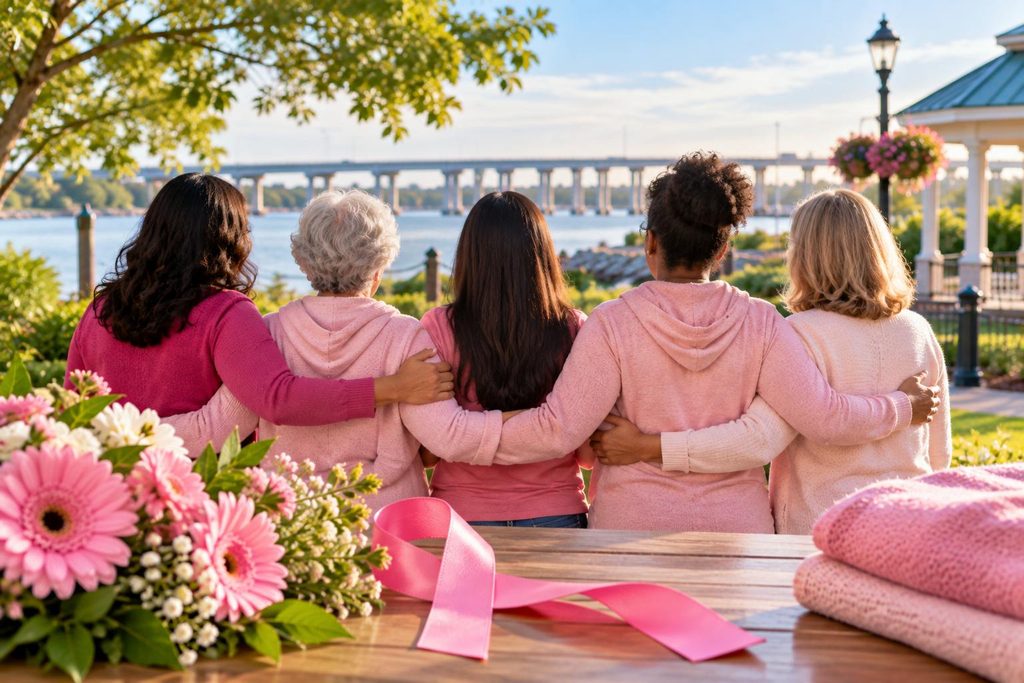
Community participation can continue through small, coordinated actions that help awareness reach older adults, caregivers, veterans, and families throughout Hampton and nearby communities.
Families and community members can:
- Share educational materials from established health organizations.
- Encourage older relatives to discuss individual screening recommendations with healthcare professionals.
- Help seniors organize transportation and appointment reminders.
- Support family caregivers who need time for other responsibilities.
- Invite senior groups and community organizations to host educational conversations.
- Encourage veterans and their families to explore resources that may be available to them.
These efforts make awareness more practical by connecting education with everyday community support.
Strengthening Support for Veterans and Local Families
Veterans and their families are also an important part of the local senior community. Depending on their circumstances, some veterans may be eligible for VA resources that can help address specific care needs.
VA programs have individual eligibility requirements. For example, VA Home Based Primary Care is available to enrolled Veterans when they meet the program’s clinical need requirements, and the service is available locally.
Families interested in veteran-focused resources should confirm eligibility and program availability directly with the Department of Veterans Affairs or an appropriate representative rather than assuming that a particular benefit applies.
Helping Older Adults Maintain Familiar Routines
Awareness efforts are stronger when they consider the broader everyday needs of older residents. Some seniors may need occasional assistance, while others may benefit from more regular help with personal care, companionship, respite support, memory-related routines, or other daily activities.
How Can Personalized Care Support Everyday Independence?
A personalized care plan can focus on the areas where an older adult needs assistance while still encouraging participation in familiar activities whenever appropriate.
Care needs can also change over time. Families can communicate with the care team when they notice that an older loved one may benefit from adjustments to their existing support.
What If a Senior Needs More Frequent Assistance?
Some older adults may require more frequent caregiving support because of their individual circumstances. Families can discuss available scheduling options with the local care team to determine what type and frequency of nonmedical assistance may fit their loved one’s needs.
This avoids assuming that the same care schedule is appropriate or available for every senior.
Building a More Connected Local Community
Breast cancer awareness can become a shared community effort rather than a message limited to one month. Families can continue discussing wellness throughout the year, checking in with older neighbors, helping relatives prepare appointments, and sharing reliable educational resources.
Community organizations, senior groups, neighbors, caregivers, and families each have different roles to play. Working together can create more opportunities for older adults to access information, stay connected with others, and receive appropriate everyday support when needed.
Always Best Care Senior Services – Norfolk serves families in Hampton, Norfolk, Chesapeake, and surrounding communities, providing another local resource for families exploring nonmedical senior care.
Frequently Asked Questions
How Can Communities Support Breast Cancer Awareness Among Older Adults?
Communities can share understandable educational resources, create opportunities for respectful conversations, help older adults organize questions for healthcare appointments, and connect families with appropriate local resources. Individual medical and screening questions should be discussed with qualified healthcare professionals.
How Can Caregivers Support a Senior During Cancer Treatment or Recovery?
Depending on the established care plan, nonmedical caregivers may assist with everyday routines, mobility, meal preparation, medication reminders, companionship, transportation, and other daily activities. Medical decisions and questions about cancer treatment or recovery should remain with the senior’s qualified healthcare team.
Why Can Respite Care Be Helpful for Family Caregivers?
Respite care provides temporary assistance when a family caregiver needs time away from regular caregiving responsibilities. Depending on scheduling, availability, and the established care plan, a caregiver may provide companionship and assistance with familiar daily routines during that time.
Bring Compassionate Support Closer to Home
Community awareness begins with education, but meaningful support can continue through respectful conversations, stronger connections, and practical everyday assistance. Families can help older loved ones stay involved in decisions while encouraging health-related questions to be discussed with qualified healthcare professionals.
If your family is considering home care in Hampton, VA, Always Best Care Senior Services – Norfolk can help you explore personalized nonmedical assistance based on your loved one’s routines, preferences, and everyday needs. Call (757) 802-4080 to discuss available care options or request personalized senior care guidance.