
Simple Morning Habits That Support Better Diabetes Care

For older adults managing diabetes, mornings offer an opportunity to establish routines that feel manageable rather than overwhelming. Families exploring home care in Chesapeake, VA may find that practical help with meals, reminders, and everyday activities makes it easier to follow an existing care plan. The goal is consistency, not a perfect schedule.
Table of Contents
Why Does a Consistent Morning Matter?
A familiar morning routine can reduce the number of decisions a person needs to make before breakfast. Keeping essentials in predictable places, allowing enough time to get dressed, and planning meals in advance can make the start of the day more comfortable. For someone living with diabetes, these habits can complement guidance from their healthcare team.
Diabetes care is individualized. Medication timing, food choices, glucose monitoring, and physical activity should follow instructions from qualified clinicians. A routine is most useful when it accommodates the person’s health needs, mobility, preferences, and usual wake-up time instead of imposing a rigid timetable.
Begin With a Comfortable Wake-Up Routine
A calm transition from sleep can help older adults approach the day without rushing. Opening curtains, sitting upright for a moment, and gathering glasses or mobility aids before walking can create a more organized start. Anyone experiencing persistent dizziness, weakness, or unusual symptoms should seek medical guidance rather than pushing through a routine.
Make Hydration Easy to Remember
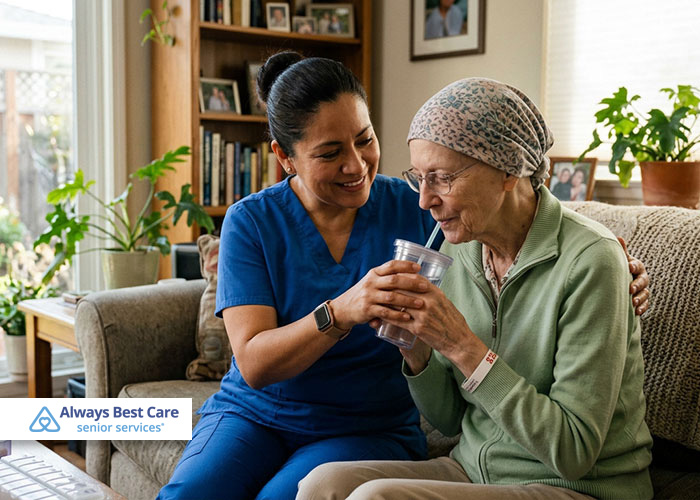
Having water within reach can be a practical cue to drink regularly, particularly for people who forget to pause for fluids. Individual fluid needs differ, especially for people with heart or kidney conditions or prescribed fluid restrictions. Follow the healthcare team’s guidance instead of adopting a universal daily water target.
Create a Breakfast Routine That Fits the Care Plan
Breakfast can provide a predictable time for nourishment and conversation. Rather than following a single menu for everyone with diabetes, consider meals consistent with the person’s clinician-approved nutrition plan. Portions, carbohydrate choices, and meal timing may need to account for medication schedules and personal preferences.
A simple breakfast might pair fiber-containing foods with protein and other ingredients the person enjoys. Preparing ingredients the evening before may reduce morning effort. Caregivers can assist with shopping, setting the table, and preparing meals, while registered dietitians and other qualified professionals provide individualized nutrition advice.
Practical Breakfast Preparation Ideas
- Keep frequently used breakfast items in easy-to-reach locations.
- Prepare a short shopping list based on the established meal plan.
- Offer a choice between two familiar, suitable breakfast options.
- Set aside unhurried time to eat and enjoy conversation.
Support Medication and Monitoring Routines
Medication schedules and glucose monitoring instructions should come from a healthcare professional. A written schedule or organizer can help a person remember what their clinician has prescribed, but caregivers should not change doses or interpret readings as a substitute for medical advice. Families should clarify which tasks a nonmedical caregiver may appropriately assist with.
For some older adults, a large-print calendar or phone reminder is easier to follow than several separate notes. Keep the plan in a location that respects privacy while remaining accessible to the person who uses it. If the routine is confusing or repeatedly missed, discuss the difficulty with the prescribing clinician or pharmacist.
A Simple Morning Checklist
- Wake up at a comfortable, consistent time.
- Follow the prescribed medication and monitoring plan.
- Enjoy a breakfast aligned with personal dietary guidance.
- Review the day’s appointments and planned activities.

Matching Daily Habits to Practical Support
The following examples show how a small amount of preparation may make everyday routines easier. They are organizational ideas, not instructions to change medical treatment.
| Morning Habit | Helpful Preparation | Supportive Role |
|---|---|---|
| Breakfast | Plan familiar meal options | Help prepare and serve food |
| Hydration | Keep an appropriate drink nearby | Offer gentle reminders |
| Daily schedule | Use a readable calendar | Review appointments together |
| Comfortable movement | Prepare shoes and walking aids | Provide companionship when appropriate |
These small preparations can help seniors maintain a more comfortable and predictable morning routine while preserving their independence. Families can adjust to daily activities based on their loved one’s preferences, abilities, and guidance from healthcare professionals. When additional assistance is needed, nonmedical caregivers can help with meal preparation, hydration reminders, companionship, and everyday tasks without replacing professional diabetes care.
Choose Gentle Movement That Feels Appropriate
Movement can be part of a pleasant morning, whether it means walking through the garden, stretching in a chair, or taking a short stroll. In-home care services can provide companionship and assistance with everyday routines, helping older adults stay engaged in activities suited to their comfort and abilities. The appropriate type and intensity depend on the individual’s abilities and medical advice. People who use insulin or medications associated with low blood glucose may need specific precautions from their healthcare team before activity.
Comfort matters more than meeting an arbitrary step count. A person might enjoy listening to music while moving or walking with a companion. Stop activity if concerning symptoms occur and seek appropriate medical attention. Nonmedical caregivers may provide companionship and practical assistance within their authorized scope, not exercise prescriptions.
Make the Home Environment Easier to Navigate
An organized environment can reduce unnecessary morning frustration. Clear walkways, adequate lighting, stable seating, and accessible everyday items help a person complete tasks at their own pace. Families should ask which activities the older adult wants to manage independently before offering help, because preferences and abilities vary.
Some families consider additional assistance when mornings involve multiple tasks or appointments. The provider’s specialized support options for individual daily needs can be reviewed alongside the person’s priorities, with any available services confirmed directly with the local office.
Protect Emotional Well-Being in the Morning
Managing a chronic condition can involve frustration, uncertainty, or fatigue. A few minutes of conversation, a favorite radio program, or a quiet moment near a window may make the day feel more personal. Family members can encourage participation without turning every interaction into a reminder about illness.
Emotional well-being also deserves attention when someone seems persistently withdrawn or overwhelmed. The organization’s resource on supporting emotional well-being and awareness offers related context, while a qualified mental health professional can assess ongoing concerns.
Plan for Changes Without Losing Flexibility
A morning plan should remain flexible during illness, travel, changes in appetite, or new medical instructions. Families can keep an updated list of healthcare contacts and discuss what to do if an expected routine becomes difficult. Medication changes repeated unusual glucose readings, or symptoms should be directed to the appropriate clinician.
Consider reviewing the schedule periodically with older adults. Ask which parts feel helpful, which feel tiring, and whether they want different levels of assistance. A collaborative approach supports dignity and makes the routine more likely to remain useful over time.

Frequently Asked Questions About Morning Diabetes Routines
Should Everyone with Diabetes Eat the Same Breakfast?
No. Breakfast choices, portions, and meal timing should reflect individual nutritional needs, personal preferences, and guidance from a qualified healthcare professional. There is no single breakfast plan that works for everyone with diabetes.
Can Nonmedical Caregivers Manage Diabetes Medications?
Nonmedical caregivers can provide medication reminders and assistance with everyday routines according to the established care plan. They should not independently administer medications, adjust dosages, interpret glucose readings, or make clinical decisions. Any medication-related assistance must follow applicable regulations and authorized responsibilities.
What if a Morning Routine Becomes Difficult to Maintain?
Start by identifying which activities have become challenging. Families can simplify daily schedules, adjust nonmedical responsibilities, and consider additional assistance with meal preparation, personal care, or reminders. Consult with the healthcare team when symptoms or treatment-related concerns arise.
Does Morning Exercise Need to Be Strenuous?
No. Gentle movement, such as walking or light stretching, may be appropriate depending on the senior’s abilities and health conditions. A healthcare professional can recommend suitable activities and precautions, particularly for individuals managing diabetes.
A More Comfortable Start Begins with Small Steps
Consistent morning habits can help older adults maintain familiar routines while respecting their independence, personal preferences, and prescribed diabetes care plans. When everyday activities become more challenging, additional nonmedical assistance may help families create a manageable schedule.
Always Best Care of Norfolk VA can help families explore support with meal preparation, personal care, medication reminders, and companionship. To learn more, discuss personalized morning home care assistance or call (757) 802-4080 to discuss your loved one’s daily needs.