When a Wound Needs More Than Home Help: Skilled Nursing in Tampa
A small scrape can heal just fine with a little soap, water, and patience. But for older adults, wounds can turn tricky in a hurry, especially if healing is slow or infection sneaks in. That’s why it helps to know when basic care is enough and when skilled nursing should step in.
What you will learn:
- Why wound healing can be more challenging for older adults and the health factors that slow recovery.
- The types of wounds that may need skilled nursing care and the warning signs to watch for.
- How a home health nurse in Tampa can support wound care right at home, from dressing changes to infection monitoring.
- How skilled nursing and in-home care work together to make healing safer, smoother, and less stressful for the whole family.
Table of Contents
Why Wounds Can Be Trickier for Seniors
As we get older, skin gets thinner and more fragile, so even a minor bump can lead to a tear or sore. Healing also tends to slow down, and that can make a simple wound linger longer than expected.
Health issues can pile on, too. Diabetes, poor circulation, limited mobility, and weak immunity can all make recovery harder. Add poor nutrition, or not enough fluids, and wounds may take even longer to close up.
Nutrition also plays a critical role. According to Dietitians of America, adequate protein, vitamin C, zinc, and hydration are all essential to tissue repair, and many older adults do not consistently meet these needs.
When Skilled Nursing Is Needed
Not every wound needs medical care at home, but some do need a trained nurse to keep healing on track. In many cases, wound care means knowing the difference between a surface-level injury and a wound that needs ongoing monitoring.
Skilled nursing may be needed for:
- Surgical wounds that still need dressing changes or close watch
- Pressure injuries or bedsores
- Diabetic foot ulcers
- Wounds tied to poor blood flow
- Deep skin tears that won’t settle down
- Burns or more serious injuries
- Chronic wounds that aren’t improving
Seniors with diabetes, compromised immune systems, or circulatory conditions are at higher risk and should be monitored closely. The American Diabetes Association notes that foot wounds in people with diabetes can deteriorate quickly and should never be left unassessed.
Warning Signs a Wound Needs Medical Attention
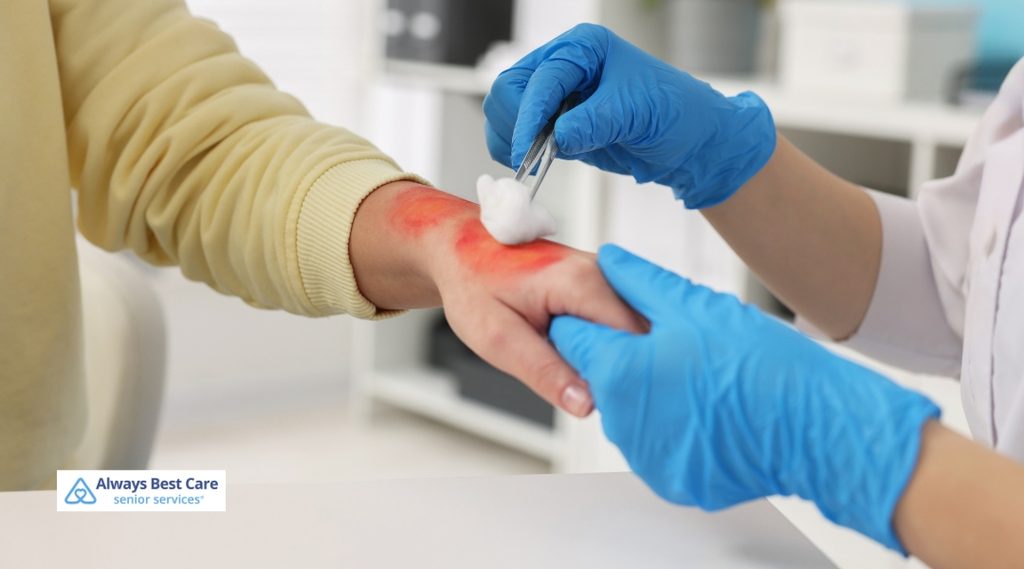
Some wounds look harmless at first, then start acting up. Keep an eye out for:
- More redness or swelling
- Warmth around the wound
- Pain that’s getting worse
- Drainage or pus
- A bad smell
- Changes in the wound’s color or size
Fever, chills, confusion, or a sudden dip in energy can point to a bigger problem and need quick attention. Seniors with diabetes or circulation problems need extra watchfulness because infection can move fast.
What a Home Health Nurse in Tampa Can Do
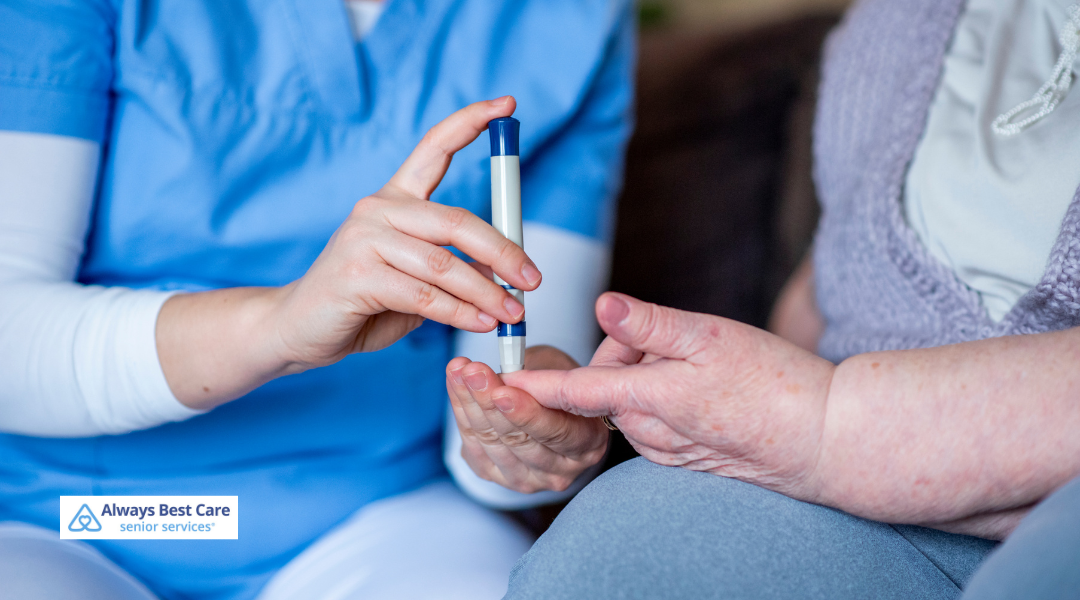
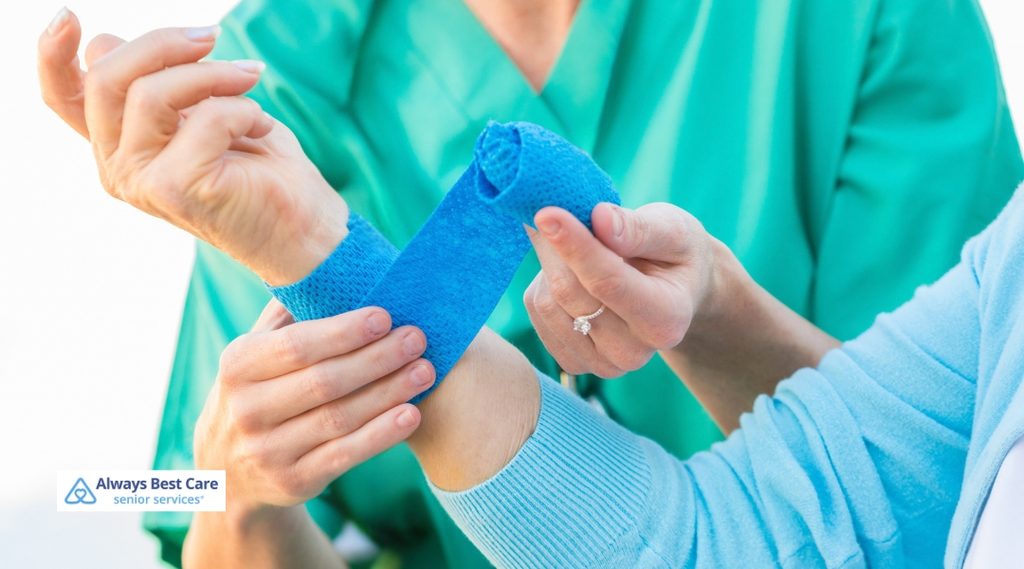
A home health nurse can bring wound care right to the house and follow the doctor’s plan. That kind of support can be a real relief after surgery, rehab, or a hospital stay.
A nurse may:
- Check the wound and track healing
- Clean the area
- Change dressings
- Watch for infection
- Teach families how to help between visits
- Share concerns with the care team
That hands-on support can make a tough situation feel a whole lot more manageable.
Preventing Pressure Injuries at Home
For seniors who spend a lot of time sitting or lying down, prevention matters just as much as treatment. Staying in one position too long can put stress on the skin and lead to pressure injuries.
A care team may suggest:
- Changing positions often
- Keeping skin clean and dry
- Using cushions or other pressure-relief tools
- Eating well and staying hydrated
- Checking the heels, hips, tailbone, and elbows often
Health America recognises pressure injuries as a significant patient safety concern, particularly for older adults receiving care at home or in long-term settings.
How Home Health and In-Home Care Work Together
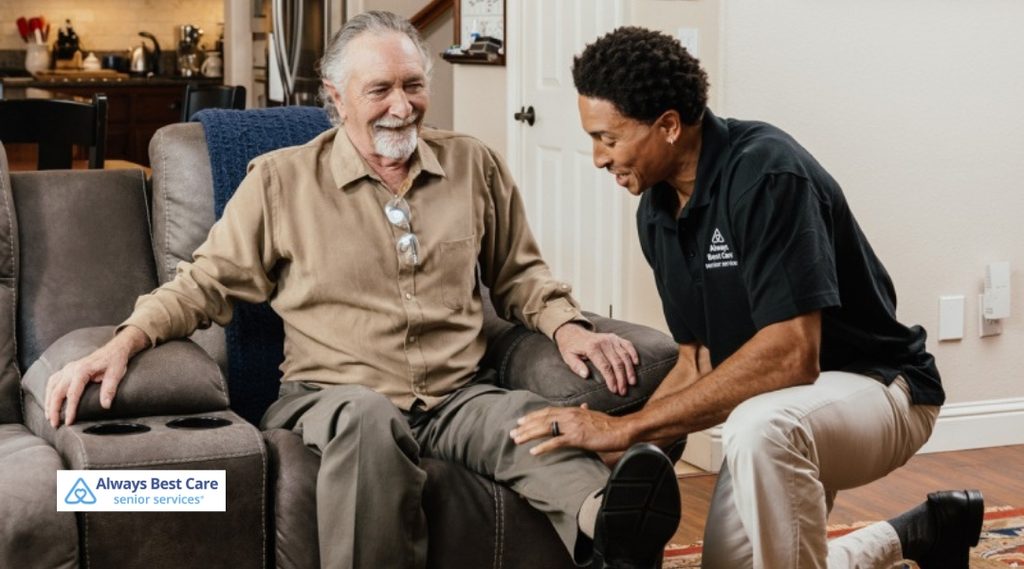
Skilled nursing handles the medical side of wound care, while in-home caregivers can help with day-to-day needs. That teamwork can make recovery smoother for everyone involved.
In-home care may include:
- Meal prep
- Help with bathing and dressing
- Light housekeeping
- Support with movement and routines
- Medication reminders
- Noticing changes and sharing them with family
Together, these services can support healing without turning home into a revolving door of stress.
Supporting Safer Healing at Home
Families don’t have to carry the whole load alone. If a wound needs medical attention, skilled home health care can bring that support into the home while helping seniors stay comfortable.
At Always Best Care of Tampa, we can help older adults get the support they need at home. Depending on local availability and your loved one’s needs, we may be able to help connect families with skilled nursing and in-home care options that make recovery easier.
Wound care at home can be simple in some cases, but it can also get complicated fast. If a wound isn’t healing well or shows signs of infection, skilled nursing may be the safest next step.
If your loved one is healing from a wound, surgery, or another medical issue and needs extra help at home, contact Always Best Care of Tampa at (813)534-5502 for a care consultation and to learn more about care options.
FAQ
Q: How do we know if a wound can heal at home?
A: If it’s small, clean, and improving day by day, home care may be enough. If it gets redder, more painful, swollen, or starts draining, it should be checked.
Q: Does every wound need a nurse?
A: No, not every wound does. But deeper wounds, chronic sores, surgical sites, and wounds in seniors with health problems often need skilled nursing.
Q: Can in-home care help with wound recovery?
A: Yes. While caregivers don’t replace medical treatment, they can help with meals, hygiene, reminders, and daily support that make healing easier.
Q: What should we do if a wound smells bad?
A: A bad smell can be a sign of infection or poor healing. Contact a healthcare provider right away.
Q: Why is wound care harder for older adults?
A: Older skin is thinner and more fragile, and many seniors heal more slowly because of circulation issues, diabetes, or other health concerns.