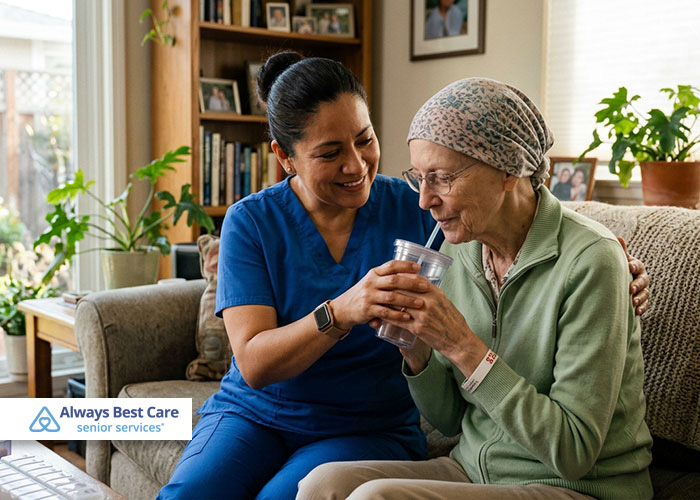

COPD Support at Home in Orlando: How Caregivers Can Help With Everyday Routines

The shower is finished, but breakfast will have to wait. Your loved one needs a few minutes to catch their breath before getting dressed.
For someone living with chronic obstructive pulmonary disease, or COPD, a familiar morning routine can require more time and effort than it once did. Breathlessness, coughing, and fatigue can make ordinary activities demanding.
November’s COPD Awareness Month brings attention to these challenges. Yet families need practical answers throughout the year: What help would be useful? How can routines feel less rushed? And where does non-medical care fit?
COPD support at home in Orlando starts with listening, sharing everyday responsibilities, and following the healthcare team’s guidance.
What you will learn:
- How to create comfortable daily routines that respect your loved one’s independence.
- Ways caregivers can help with personal care, household tasks, and appointments.
- How non-medical home care complements professional COPD treatment.
- When changing symptoms need medical attention or emergency help.
Table of Contents
Build the Day Around Your Loved One
Ask Before Stepping In
It’s tempting to take over when someone seems tired. Still, your loved one may want help carrying laundry but prefer to handle grooming themselves.
Ask, “Which part would you like a hand with?”
Agree on what assistance feels welcome, and leave room for preferences to change. Good care supports independence rather than treating every task as something to remove.

Allow Time to Pause
Try not to stack demanding activities back-to-back. Getting washed, dressed, and ready for an appointment may need more breathing room than a tightly packed schedule permits.
Allowing extra time and taking breaks can help conserve energy during daily activities. Pacing should work alongside appropriate activity, not become a reason to avoid all movement.
Make Personal Care Less Rushed
Prepare Before Getting Started
Gather towels, toiletries, and clothing before the morning routine begins. Keeping supplies nearby can reduce unnecessary trips and interruptions.
Ask the healthcare team whether bathroom equipment or an occupational therapy assessment would help. Don’t assume the same arrangement suits every person or home.
Offer Respectful Hands-On Help
A little assistance with bathing, dressing, or grooming may make a demanding morning more manageable. Explain what you’re offering, ask permission, and protect privacy.
Always Best Care of Orlando offers assistance with personal care, including bathing, dressing, and grooming. Families can discuss the level of support their loved one needs during a consultation.

COPD Support at Home in Orlando: Help With Daily Tasks
Share the Household Work
Laundry and housekeeping don’t need to compete with everything else your loved one wants to do.
Consider which chores someone else could handle and which activities your loved one enjoys keeping. Preparing a simple lunch might remain a pleasure, while carrying laundry feels exhausting.
Always Best Care of Orlando offers laundry and light-housekeeping assistance. This practical help supports daily living; it doesn’t treat COPD itself.
Keep Essentials Easy to Find
A phone, current care instructions, and frequently used items should have convenient, familiar places. Organize together rather than rearranging the home without asking.
Develop household systems that work for both your loved one and those helping them. Medication storage must also remain safe and follow product instructions.

Make Mealtimes Comfortable
Ask about appetite, food preferences, and whether eating has become tiring. Some people with COPD may find smaller, more frequent meals helpful, but nutrition advice should reflect their healthcare needs. Changes in weight or difficulty eating deserve a conversation with the clinician.
Mealtimes can still be a chance to connect. Sit together when possible, without turning lunch into another checklist.
Support the Medical Plan Without Replacing It
Use Clear Medication Reminders
Written instructions and reminders can help organize prescribed routines. Keep the current medication list accessible, and ask a pharmacist or clinician about anything unclear.
Always Best Care of Orlando provides medication reminders as non-medical support, separate from administering medication. Caregivers should not choose doses, change prescriptions, or adjust oxygen settings independently.

Prepare for Appointments
With your loved one’s permission, write down questions and changes they want to discuss. Notes about breathing, coughing, activity, and appetite can help make appointments more useful.
Orlando’s branch also offers transportation assistance. Discuss scheduling, mobility needs, and any equipment arrangements beforehand.
Know When Symptoms Need Attention
Follow the clinician’s COPD action plan when symptoms worsen. Increased breathlessness, changes in coughing or mucus, and signs of infection should prompt contact with the healthcare team as directed.
Call 911 for severe difficulty breathing or speaking, blue or gray lips or fingernails, or reduced alertness. Don’t wait for a routine appointment or caregiver visit.
Keep emergency contacts and care instructions easy to reach.

Frequently Asked Questions
Q: How can caregivers help someone with COPD at home?
A: Caregivers can assist with personal care, household tasks, medication reminders, and appointments while following an agreed routine. Non-medical assistance complements professional treatment.
Q: Can Always Best Care of Orlando help with bathing and dressing?
A: Yes. The branch offers bathing, dressing, and grooming assistance. Families can discuss appropriate support during a consultation.
Q: Do medication reminders include administering COPD medication?
A: No. Orlando’s medication-reminder service is non-medical and does not include medication administration. Clinical medication needs require separate arrangements.
Q: Should someone with COPD avoid physical activity?
A: Not automatically. Ask the healthcare provider about appropriate activity and pulmonary rehabilitation. Daily assistance should support participation where possible, not replace all movement.
Bring More Ease to the Day
A manageable routine leaves room for personal choices, appropriate activity, and time to rest. Start with one conversation about what feels difficult, then agree on useful help.
Contact Always Best Care of Orlando at 407-203-2460 to discuss non-medical assistance with your loved one’s everyday needs.