Recognizing Early Stroke Symptoms in Palm Desert: A Guide for Families and Caregivers
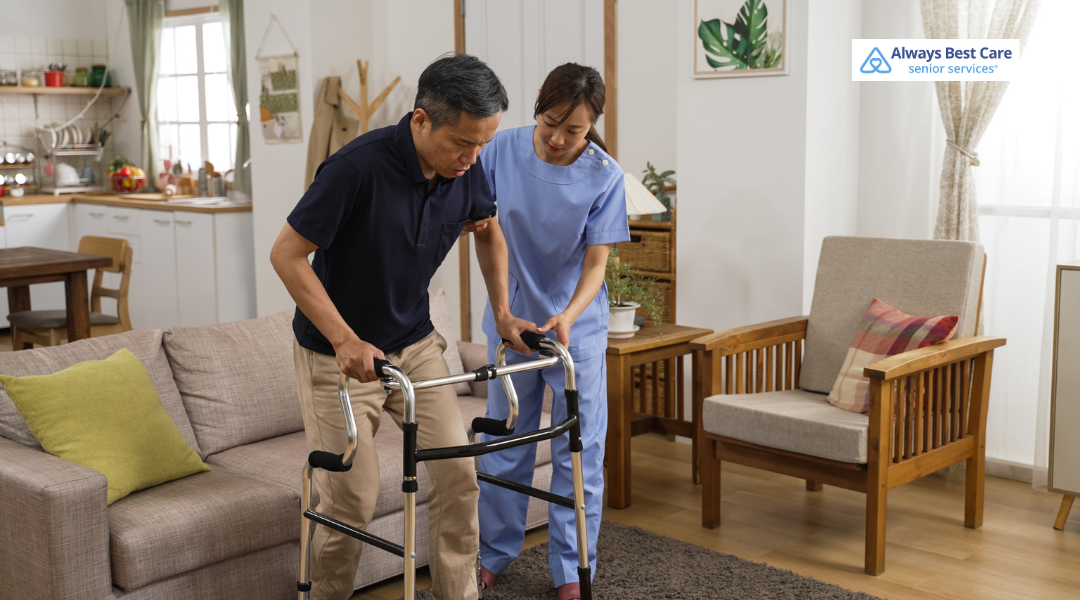
One moment your loved one is chatting comfortably; the next, their words sound strange or one side of their face doesn’t look quite right. In Palm Desert, where many seniors enjoy active lives in the sun, a stroke can seem to come out of nowhere.
Yet what happens in the first few minutes can shape the rest of a senior’s life. Recognizing early stroke symptoms and acting fast gives doctors a better chance to limit brain damage, protect independence, and improve recovery. Families and caregivers are often the first to notice something’s wrong—so your awareness really matters.
What You Will Learn:
- The early warning signs of a stroke and how they can appear suddenly.
- How to use the BE FAST method to quickly identify a potential stroke.
- What immediate steps to take to improve recovery outcomes.
- How Palm Desert families can reduce stroke risk and stay prepared.
Table of Contents
What Is a Stroke in Simple Terms?
A stroke happens when blood flow to part of the brain is suddenly blocked or when a blood vessel in the brain bursts. Without enough blood and oxygen, brain cells begin to die within minutes.
Because different parts of the brain control different abilities—movement, speech, vision, balance, and thinking—the symptoms you see depend on which area is affected. That’s why stroke signs can look slightly different from person to person, but they’re almost always sudden and unexpected.
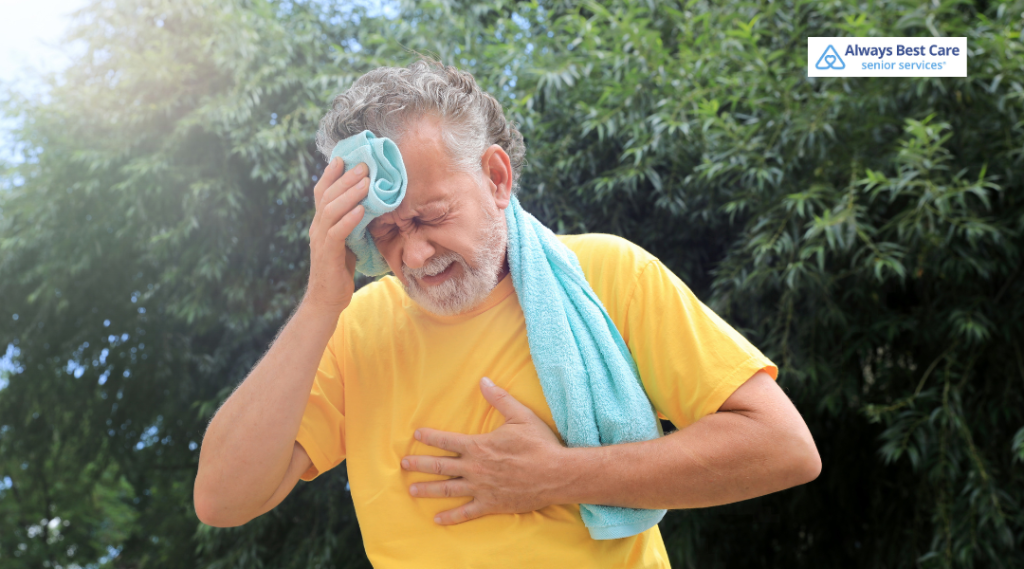
Palm Desert Seniors and Stroke Risk
Stroke can affect anyone, but Palm Desert’s large senior community faces higher risk, especially when other health issues are present. Risk factors include:
- High blood pressure
- Diabetes
- High cholesterol
- Heart disease or irregular heartbeat (such as atrial fibrillation)
- Smoking (current or past)
- Obesity and low physical activity
- A history of prior stroke or mini-stroke
Knowing that a loved one has several of these risk factors should make you more alert to sudden changes, even if they seem “minor” at first.
The BE FAST Method: A Quick Way to Spot Early Stroke Symptoms
When something seems off, it’s easy to second-guess yourself. The BE FAST method gives Palm Desert families and caregivers a simple way to check for common early stroke symptoms.
B – Balance
Ask yourself: Did balance or coordination change suddenly?
Watch for:
- Unexpected stumbling or veering to one side
- Trouble standing upright or walking a straight line
- A sudden fall without a clear cause
E – Eyes
Look for sudden vision changes.
Notice whether your loved one:
- Complains of blurry or double vision
- Has trouble seeing out of one or both eyes
- Seems to ignore things on one side of their visual field
F – Face
Look closely at their face.
Ask them to smile and check for:
- One side of the face drooping or looking “heavy”
- An uneven or crooked smile
- Difficulty moving one side of the mouth or eye
A – Arms
Check for weakness or numbness.
Ask them to raise both arms and look for:
- One arm drifting down or unable to stay up
- Complaints that an arm feels numb, weak, or “dead weight”
- Difficulty gripping or holding objects with one hand
S – Speech
Listen carefully to how they talk.
Watch for:
- Slurred or mumbled speech
- Using the wrong words or mixing words up
- Difficulty understanding simple questions
- Trouble finding common words
T – Time
If you notice any of these signs—even if they are mild or come and go—treat it as an emergency. Time is critical. Call 911 immediately rather than waiting to see if things improve.

Other Early Stroke Symptoms Families Might Miss
Not every stroke follows the exact BE FAST pattern. Some early signs are easier to dismiss as fatigue, stress, or “just a bad day,” especially in older adults. Keep an eye out for:
- Sudden, severe headache with no known cause
- Sudden confusion or trouble understanding what’s being said
- Sudden numbness or weakness in the face, arm, or leg on one side
- Sudden dizziness or loss of coordination
- Sudden difficulty swallowing
- Sudden changes in behavior or alertness, like appearing unusually drowsy or “out of it”
When symptoms appear abruptly and don’t match your loved one’s usual behavior, it’s safer to overreact than to underreact.

What Palm Desert Families Should Do First
If you suspect a stroke, don’t try to diagnose it yourself and don’t wait to see if it goes away. Instead:
- Call 911 immediately.
- Note the time you first noticed symptoms (or the last time you saw them acting normally).
- Keep your loved one sitting or lying down in a safe position.
- Don’t give food, drink, or new medications unless instructed by medical professionals.
- Stay calm and answer questions clearly when emergency responders arrive.
Resist the urge to drive to the hospital yourself. Emergency crews can begin critical assessments on the way and alert the hospital so the stroke team is ready when you arrive.
Why Acting Quickly Changes Outcomes
Stroke treatments often work best within strict time windows. The sooner blood flow to the brain is restored or bleeding is brought under control, the more brain tissue can be saved. Fast action can:
- Increase eligibility for certain time-sensitive medications or procedures
- Reduce the severity of long-term disability
- Improve chances of walking, speaking, and caring for oneself after stroke
- Lower the risk of complications and prolonged hospital stays
Every minute counts. In Palm Desert’s warm climate, where many seniors are out walking, socializing, or golfing, acting quickly when something seems off can be lifesaving.
Mini-Strokes (TIAs): Early Warnings You Shouldn’t Ignore
Some seniors experience brief stroke-like symptoms that go away within minutes or hours. These events, often called transient ischemic attacks (TIAs) or “mini-strokes,” can be easy to dismiss once everything seems normal again.
But TIAs are serious warning signs that a larger, more damaging stroke could follow. If your loved one has any sudden neurological symptoms that improve or disappear, they still need urgent medical evaluation. Treat a TIA as a full emergency, not a close call to forget about.
Helping Seniors in Palm Desert Lower Their Stroke Risk
Recognizing early symptoms is vital, but prevention matters too. Palm Desert families can support stroke risk reduction by encouraging:
- Regular checkups to monitor blood pressure, cholesterol, and blood sugar
- Taking prescribed medications consistently and on time
- Staying physically active in safe, appropriate ways (like walking, water aerobics, or chair exercises)
- Eating a heart-healthy diet with plenty of fruits, vegetables, and whole grains
- Avoiding smoking and limiting excessive alcohol use
- Managing stress and getting adequate rest
These changes don’t guarantee a stroke won’t happen, but they can significantly lower overall risk and support better health.
Keeping a Stroke Preparedness Plan at Home
Being prepared doesn’t mean living in fear. It means turning “What if?” into “Here’s what we’ll do.” Palm Desert families and caregivers can:
- Post emergency numbers in an easy-to-see place (near the phone or on the fridge).
- Write down a current medication list and medical history and keep copies handy.
- Make sure all family members and regular caregivers know stroke warning signs and the BE FAST steps.
- Talk with your loved one about what they want you to do if you suspect a stroke—even if they try to downplay symptoms.
A little planning now can help you stay calmer and more focused if an emergency ever arises.
FAQs About Early Stroke Symptoms in Palm Desert Seniors
Q: Do stroke symptoms always come on suddenly?
A: Most stroke symptoms appear suddenly, within seconds or minutes. Occasionally they may worsen over a short period, but they rarely develop slowly over weeks or months. Sudden change is a major red flag.
Q: Can early stroke symptoms come and go?
A: Yes. Symptoms may come and go or improve briefly, especially in the case of a mini-stroke (TIA). Even if things seem better, it’s still an emergency that needs immediate medical attention.
Q: What if my loved one insists they’re fine and doesn’t want to go to the hospital?
A: Stay calm but firm. Explain that stroke treatment is time-sensitive and that getting checked is much safer than waiting. When in doubt, call 911 and describe what you’re seeing.
Q: Are headaches and dizziness always signs of a stroke?
A: No, they have many causes. However, a sudden, severe headache or sudden dizziness combined with other symptoms (like weakness, vision changes, or trouble speaking) should be treated as a possible stroke until a medical professional says otherwise.
Q: How can caregivers in Palm Desert remember what to do during a suspected stroke?
A: Practice the BE FAST method regularly—Balance, Eyes, Face, Arms, Speech, Time—and keep a simple reminder where you’ll see it. In the moment, if you see any of those signs, call 911 without delay.

Your Awareness Can Save a Life
Early stroke symptoms can be subtle, confusing, and easy to second-guess, but for seniors in Palm Desert, recognizing them quickly can change everything. By learning the warning signs, using the BE FAST method, and acting immediately when something seems wrong, families and caregivers can turn fear into action and uncertainty into a clear plan. Contact Always Best Care of Palm Desert at (760)-330-2723 to learn more and schedule your free consultation.
Link to the markdown version of this blog.