Creating a Dementia-Friendly Home in Palm Desert: Simple Changes, Big Impact
For Palm Desert seniors, home is more than four walls—it’s sunlight through familiar windows, favorite chairs, and well-loved routines. Dementia doesn’t change that need for comfort, but it can change how the home feels. Bright glare, confusing layouts, and hot weather can all make the day more tiring and disorienting.
The good news is that families don’t need a full remodel to make things better. A series of simple, thoughtful adjustments can help reduce confusion, improve safety, and keep your loved one more independent in the place they know best.
What You Will Learn:
- How to make a home safer for seniors with dementia.
- Why heat, lighting, and layout matter in Palm Desert homes.
- How routines and simple cues reduce confusion and stress.
- When to consider in-home care for added support.
Table of Contents
Step One: Think Safety First—Especially Around Heat
In the desert, safety isn’t just about trips and falls; it’s also about staying cool and hydrated. Dementia can affect a person’s awareness of temperature and thirst, making heat more dangerous.
Temperature control
- Keep the thermostat at a steady, comfortable setting.
- Use fans and shades or blinds to reduce hot spots and glare.
- Make sure your loved one has light, breathable clothing and layers they can easily remove.
Hydration reminders
- Keep water within reach in several spots—by a favorite chair, at the table, near the bed.
- Build “drink breaks” into the daily routine, like a glass of water with each medication or snack.
These small steps help prevent dehydration and heat-related confusion, which can easily worsen dementia symptoms.

Step Two: Clear and Calm Pathways
Dementia can make judging distances and navigating familiar spaces harder. Palm Desert homes with lots of decor or tight spaces can quickly feel overwhelming.
Helpful changes include:
- Removing unnecessary furniture, small tables, and clutter from main walkways.
- Securing or removing loose rugs that can cause tripping.
- Making sure hallways and paths between bedroom, bathroom, kitchen, and living area are wide and easy to follow.
Think of it as “opening up” the house so your loved one can move more freely and safely.
Step Three: Use Light and Color to Reduce Confusion
Desert light can be intense. Glare and sharp contrasts can make floors look uneven or objects look like holes or shadows to someone with dementia.
Try to:
- Soften bright sunlight with curtains, blinds, or sheer panels.
- Add steady, even lighting in hallways, bathrooms, and stairways.
- Use nightlights to create a clear path to the bathroom at night.
- Choose towels, rugs, and toilet seats in colors that clearly contrast with the floor and walls.
Avoid very busy patterns on carpets or bedding, which can be misinterpreted as movement or obstacles. Calm, solid colors are easier for the brain to interpret.
Step Four: Make Navigation Easier With Simple Cues
Remembering where rooms are or what’s behind a door can become challenging. Gentle visual cues help your loved one find their way without constant verbal reminders.
Ideas that work well:
- Label doors with clear words and simple pictures—“Bathroom,” “Bedroom,” “Kitchen.”
- Use see-through or labeled containers for commonly used items like snacks, toiletries, or clothing.
- Keep frequently used items (glasses, phone, keys) in the same visible place every day.
These cues support independence and reduce frustration from repeated searching.
Step Five: Support Safe, Comfortable Bathroom and Kitchen Use
Bathrooms and kitchens are common trouble spots, especially when judgment and coordination change.
In the bathroom:
- Install grab bars near the toilet and inside the tub or shower.
- Use non-slip mats inside the tub/shower and on the bathroom floor.
- Consider a shower chair and a hand-held showerhead so bathing can be done while seated.
- Store medications, razors, and harsh cleaners out of easy reach.
In the kitchen:
- Keep everyday dishes and utensils in easy-to-reach areas.
- Store sharp knives, chemicals, and fragile items in cabinets that are harder to access.
- Consider appliances with automatic shutoff features when possible.
The goal is to allow participation in daily tasks while quietly reducing the risk of accidents.
Step Six: Build Simple, Predictable Routines
In Palm Desert—where days can feel very similar—time can blur easily for someone living with dementia. A predictable routine helps your loved one know what comes next without having to remember everything.
A supportive daily rhythm might include:
- Waking up, washing, dressing, and breakfast at roughly the same times each morning.
- Planned indoor activities during the hottest parts of the day (reading, music, games, simple chores).
- Short walks or time outside during cooler morning or evening hours.
- Regular mealtimes and snack breaks to support energy and hydration.
- A calming evening routine with dimmed lights and quiet activities leading up to bedtime.
Routines don’t have to be rigid, but they should be consistent enough to feel familiar.
Step Seven: Create Spaces That Calm, Not Overwhelm
Noise and visual clutter can make seniors with dementia feel more agitated. Creating one or two “calm corners” can give them a place to relax when they feel overwhelmed.
Consider:
- A favorite chair with a soft blanket and a small side table.
- A few meaningful photos or objects, not crowded shelves.
- A simple music player or TV remote with pre-selected channels or playlists.
- Low, comfortable lighting instead of bright overhead lights.
This spot can become a go-to area when your loved one seems anxious, restless, or overstimulated.
Step Eight: Involve Your Loved One in What They Can Still Do
Dementia-friendly doesn’t mean “do everything for them.” People often feel calmer and happier when they’re still doing things that feel familiar and useful.
You might invite them to:
- Help fold towels or sort laundry.
- Water plants in the early morning or late evening when it’s cooler.
- Wipe the table, dust surfaces, or help set out dishes.
- Choose between two outfits or two meal options.
Giving choices that are simple—and safe—helps maintain dignity and a sense of control.
When Home Care Can Help in Palm Desert
Even with good home adjustments, caring for someone with dementia in a desert environment can be demanding. Professional in-home caregivers can help maintain routines and safety while giving families a chance to rest.
Home care can support by:
- Providing companionship and supervision during the day.
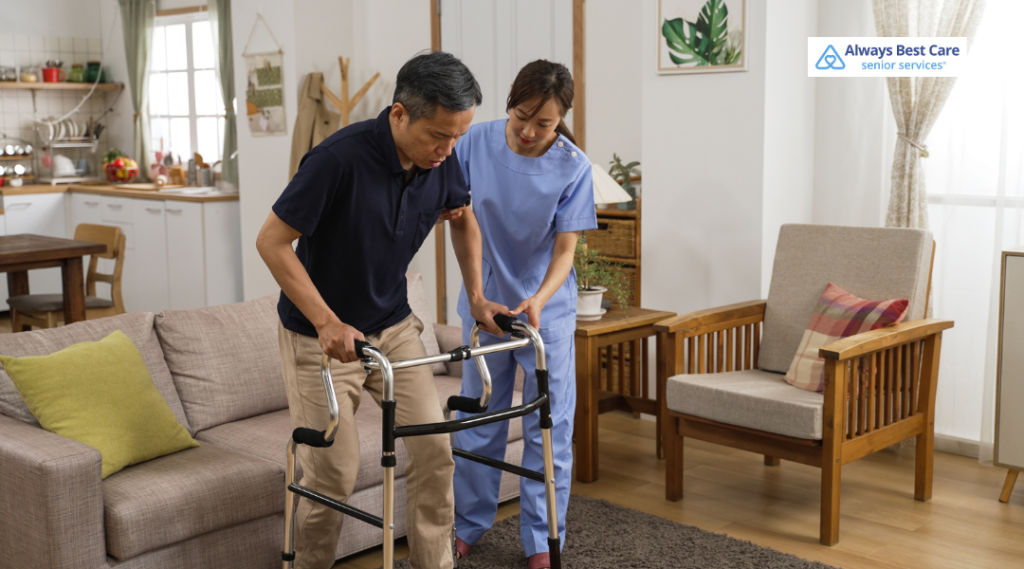
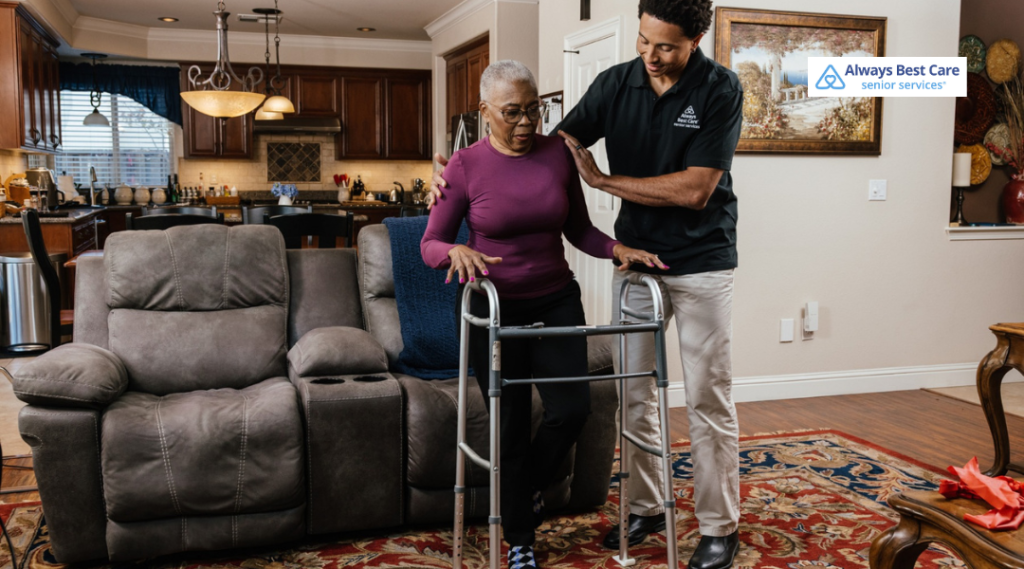
- Helping with bathing, dressing, grooming, and safe movement.
- Preparing meals, offering drinks, and watching for signs of overheating or dehydration.
- Encouraging light activities and gentle exercise at cooler times of day.
- Keeping an eye on changes in behavior, mood, or mobility and sharing observations with family.
Bringing in help doesn’t mean you’re stepping back; it means you’re building a stronger support team.
FAQs: Dementia-Friendly Homes in Palm Desert
Q: Do we need to remodel our whole house?
A: Usually not. Most dementia-friendly changes are simple—decluttering, adding grab bars and nightlights, adjusting lighting, and creating clear pathways. Bigger changes are only needed if safety issues can’t be addressed in small ways.
Q: How does the desert heat affect someone with dementia?
A: Dementia can reduce awareness of thirst and temperature, making dehydration and heat exhaustion more likely. Keeping the home cool, encouraging regular fluids, and planning outdoor time for cooler hours are especially important.
Q: What if my loved one resists changes at home?
A: Make changes gradually, and keep familiar items and furniture whenever possible. Explain changes as ways to make life easier and safer, not as punishment or control. Involve your loved one in choices when you can.
Q: Can a dementia-friendly home really support independence?
A: Yes. By reducing hazards and confusion, a supportive environment often allows seniors to keep doing more for themselves, with fewer crises or accidents.
Q: When should we consider adding home care?
A: Consider home care when safety concerns grow, daily routines feel hard to maintain, or family members feel exhausted or overwhelmed. Early support is easier to build on than waiting for a major emergency.
Changes That Protect Comfort and Independence
Creating a dementia-friendly home in Palm Desert isn’t about making everything perfect. It’s about easing the friction of daily life—less confusion, fewer hazards, and more moments that feel calm and familiar.
By adjusting for heat, simplifying spaces, using clearer cues, and building steady routines, you can help your loved one feel safer and more at ease in their own home. And by adding support when needed, you give yourself the breathing room to be not just a caregiver, but a steady, loving presence through all the changes ahead.
Contact Always Best Care of Palm Desert at (760)-330-2723 to learn more and schedule your free consultation.
Link to the markdown version of this blog.