

Creating Daily Routines That Boost Senior Emotional Well-Being
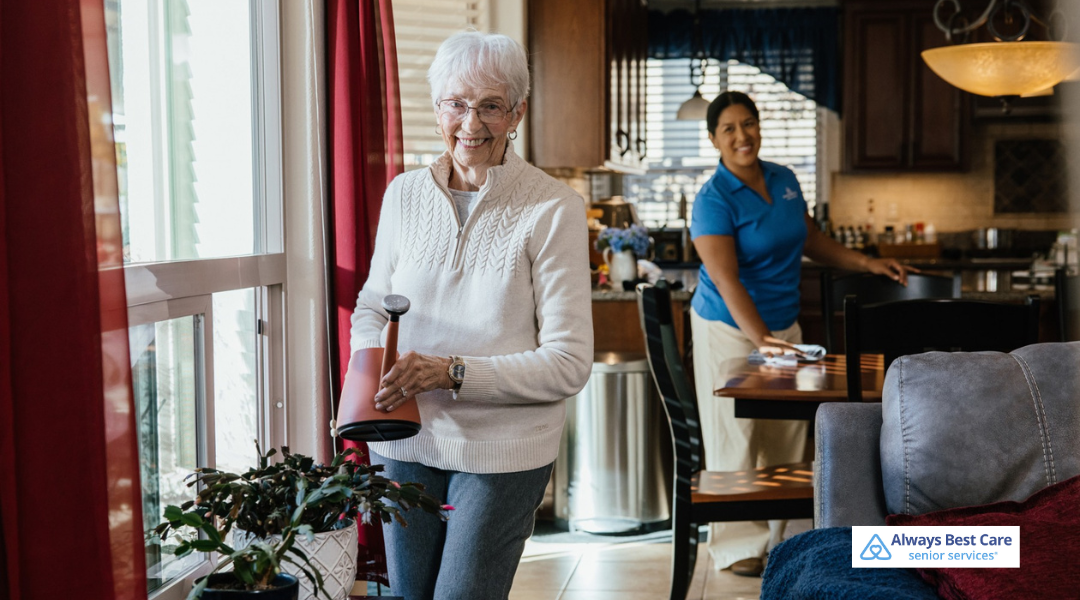
As we age, maintaining emotional health becomes just as important as physical well-being. For seniors, having a consistent daily routine can be the key to a happy, stable life. It provides structure, fosters a sense of purpose, and can reduce feelings of anxiety or depression. But how exactly do we create daily routines that boost senior emotional well-being? The answer lies in simple yet effective changes that make all the difference.
In Arcadia, where the winters can be rainy and the summers warm, daily routines help seniors navigate their day with confidence, staying both mentally and emotionally engaged, no matter what the weather brings. Let’s dive into how you can create a meaningful routine for your senior loved one that promotes happiness and emotional health.
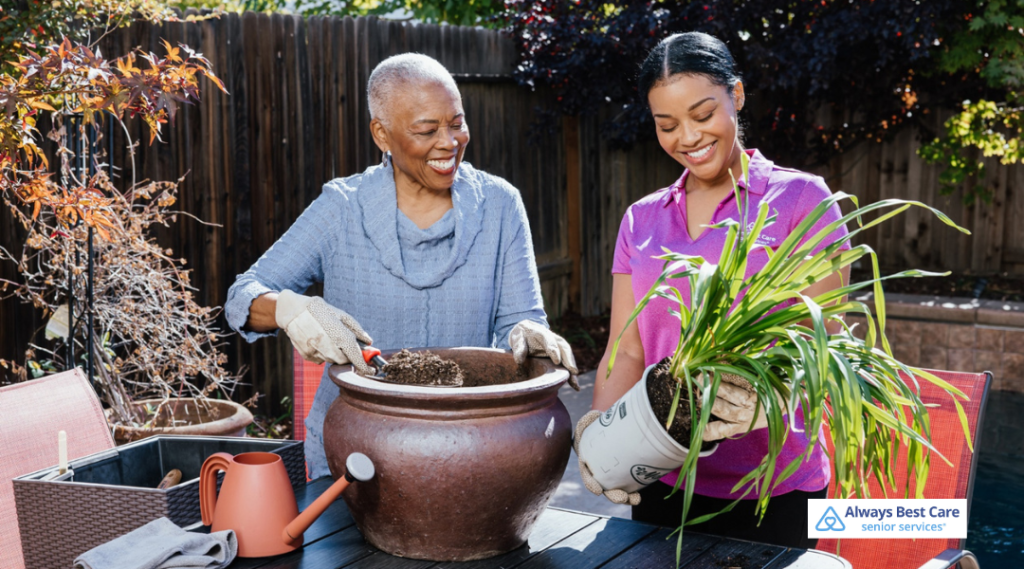
Table of Contents
Why Daily Routines Matter for Senior Emotional Well-Being
There’s something incredibly comforting about knowing what each day holds. For seniors, this sense of structure and predictability can ease feelings of confusion, frustration, or loneliness. When your loved one knows what to expect, it can alleviate stress, help them feel more in control, and bring a sense of accomplishment.
For seniors who live with conditions like dementia or Alzheimer’s, establishing a daily routine is especially helpful. It offers clarity and reduces agitation that can come with uncertainty. In fact, studies have shown that seniors with a consistent schedule experience improved mental health, better sleep patterns, and a stronger connection with others.
Key Components of a Senior Daily Routine
The best part about creating a senior routine is that it doesn’t have to be rigid. It’s about balancing flexibility and structure, allowing for spontaneity while maintaining a predictable flow. Here are the core elements to include in a routine:
1. Morning Rituals: A Calm Start to the Day
The way a senior starts their day sets the tone for the rest of it. Morning routines should be calming and energizing, allowing for a peaceful transition from sleep to wakefulness. Encourage activities such as:
- Gentle stretches or morning yoga: Great for flexibility and circulation, it also helps improve mood and boost energy.
- A healthy breakfast: A balanced meal can support energy levels and mental clarity throughout the day.
- Mindfulness or meditation: A few minutes of calm breathing or gratitude exercises can reduce stress and promote a positive mindset.
2. Structured Activities: Keep the Mind and Body Engaged
A key to boosting emotional well-being is keeping seniors mentally and physically active. This doesn’t have to mean intense workouts or complex puzzles—simple, enjoyable activities work wonders. Here are a few ideas:
- Hobbies and crafts: Activities like painting, knitting, or gardening bring creativity and purpose to the day.
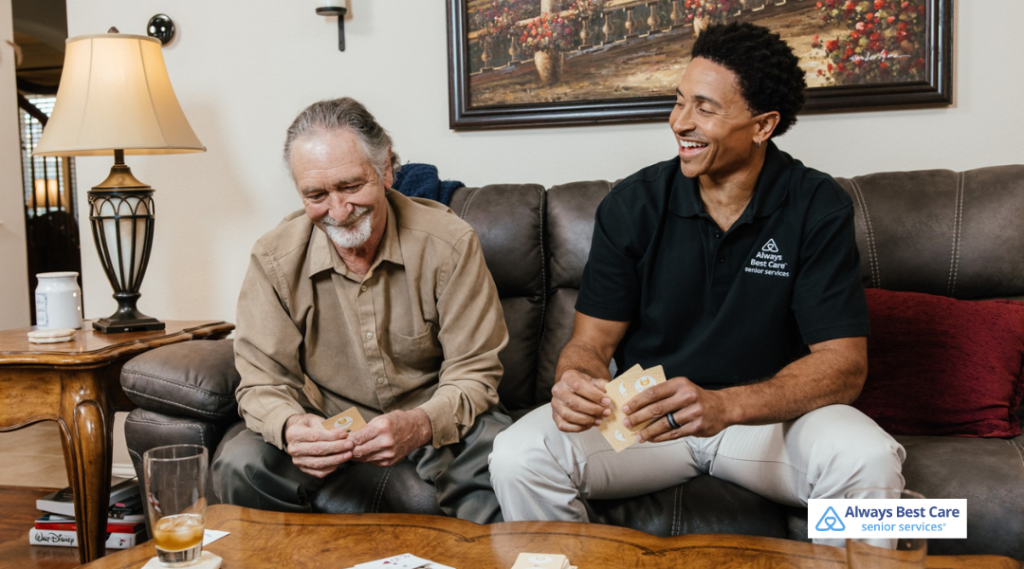
- Brain games: Crossword puzzles, reading, or even playing cards can stimulate the mind and reduce feelings of isolation.
- Exercise: Daily walks, stretches, or light exercises help boost endorphins, improve balance, and reduce stress.

3. Social Engagement: Combatting Loneliness
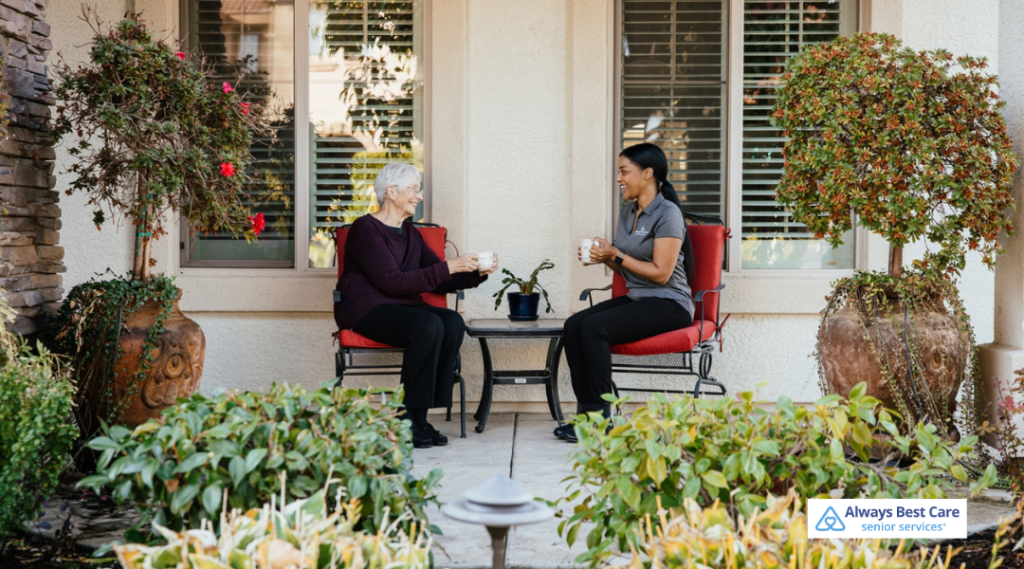
Emotional well-being isn’t just about individual activities—it’s about staying socially connected too. Seniors who engage with others regularly tend to have a more positive outlook on life. Consider:
- Scheduled visits with family and friends: Regular chats or meetups can combat feelings of isolation, especially in the winter when they might not get out much.
- Joining senior clubs or local groups: If your loved one is comfortable with socializing, getting involved in group activities such as a book club or exercise class can lift their spirits.
4. Meal Time: Nourishing the Body and Soul
Food is more than just fuel—it’s also an opportunity for connection. Eating together or enjoying a favorite meal can help seniors feel cared for and loved. Consider:
- Regular mealtimes: Establishing a set schedule for meals creates routine and ensures seniors are nourished.
- Incorporating favorite dishes: Adding meals that bring comfort or joy can lift their spirits and spark conversation during family meals.
- Hydration: Ensuring your loved one drinks enough water throughout the day is equally important for both physical and emotional health.
5. Rest and Relaxation: Prioritizing Sleep and Downtime
A good night’s sleep is essential for emotional health, and so is taking breaks throughout the day. Encourage activities that promote relaxation:
- A relaxing evening routine: Activities like reading, listening to music, or enjoying a warm bath can signal to the body that it’s time to wind down.
- A set bedtime: A consistent bedtime routine promotes better sleep, which is crucial for mood and energy the following day.
How Always Best Care of Arcadia Supports Senior Routines
At Always Best Care of Arcadia, we understand how important it is to establish a routine for emotional well-being. Our team works closely with families to develop personalized care plans that include everything from daily check-ins to facilitating activities that promote both mental and physical engagement.
Our compassionate caregivers provide supportive companionship and help seniors stick to a routine that matches their preferences, needs, and abilities. Whether it’s helping with morning routines, encouraging exercise, or offering companionship during meals, we’re here to ensure that your loved ones enjoy a fulfilling, emotionally balanced day.

Creating Emotional Connections and Maintaining Stability
Remember, creating daily routines that boost senior emotional well-being is all about ensuring your loved one feels loved, supported, and valued. It’s not just about preventing loneliness—it’s about creating moments of joy and connection throughout the day.
With a little effort, consistency, and the support of Always Best Care of Arcadia, you can help your loved one live their best life, each and every day.
Frequently Asked Questions (FAQ)
Q: How do I know if my loved one needs a routine change?
A: If you notice your loved one becoming more isolated, anxious, or showing signs of depression, it might be time to reassess their routine and find ways to increase engagement and social interaction.
Q: Can I still add flexibility to a senior’s routine?
A: Absolutely! While structure is important, it’s crucial to keep the routine adaptable. Flexibility allows for spontaneous moments of joy and freedom, while maintaining balance.
Q: How can caregivers support daily routines for seniors?
A: Caregivers can help with setting reminders for activities, assisting with physical tasks, and providing social interaction. Their involvement makes the routine more consistent and enjoyable.

A Daily Routine for Joy and Fulfillment
Creating daily routines that boost senior emotional well-being is about more than just filling time—it’s about making each day meaningful and engaging. At Always Best Care of Arcadia, we’re here to help guide families in creating these routines, ensuring that your loved ones thrive emotionally, mentally, and physically. Always Best Care of Arcadia at (626) 778-1441 to learn more and schedule your free consultation.
Link to the markdown version of this blog.