From Loss to Strength: How Physical Therapy Helps Arcadia Stroke Survivors Regain Mobility
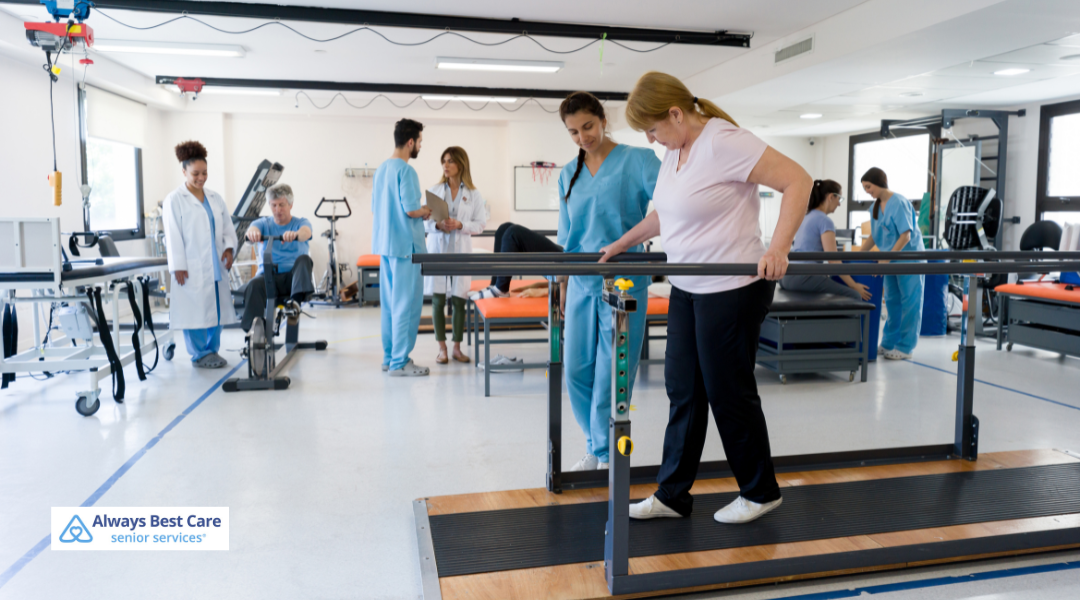
A stroke can change how a person walks, stands, gets in and out of bed, uses one side of the body, or manages everyday tasks. For many Arcadia seniors and families, these changes can feel sudden and discouraging.
Physical therapy is a central part of stroke rehabilitation. It helps survivors practice movements affected by the stroke, rebuild strength and coordination, improve balance, and work toward safer mobility in daily life. Rehabilitation often begins in the hospital once the person is medically stable and can continue through inpatient rehabilitation, outpatient therapy, or home-based services depending on individual needs.
Progress does not always happen in a straight line. Some people regain abilities quickly, while others need more time and repeated practice. The goal is not to compare recovery to someone else’s timeline—it is to build skills, reduce safety risks, and help the survivor participate in the activities that matter most to them.
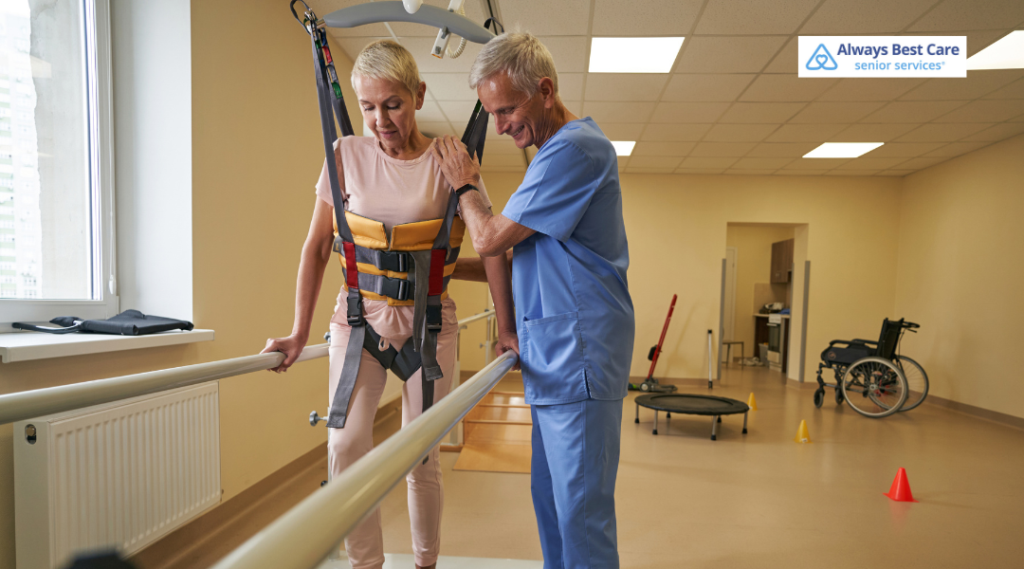
Table of Contents
What You Will Learn
- How physical therapy can help stroke survivors work toward better strength, coordination, balance, walking endurance, and safer everyday movement.
- Why rehabilitation should begin once the survivor is medically stable and continue in a setting suited to their clinical needs, abilities, and recovery goals.
- How therapists use repeated, task-specific practice to address walking limitations, balance difficulties, and movements such as standing, turning, and transferring between surfaces.
What Physical Therapy Targets
A stroke may cause weakness, poor coordination, reduced endurance, stiffness, difficulty controlling movement, or changes in balance. Physical therapists assess these changes and create a personalized plan around the survivor’s current abilities, goals, home setting, and safety needs.
Physical therapy after stroke may focus on:
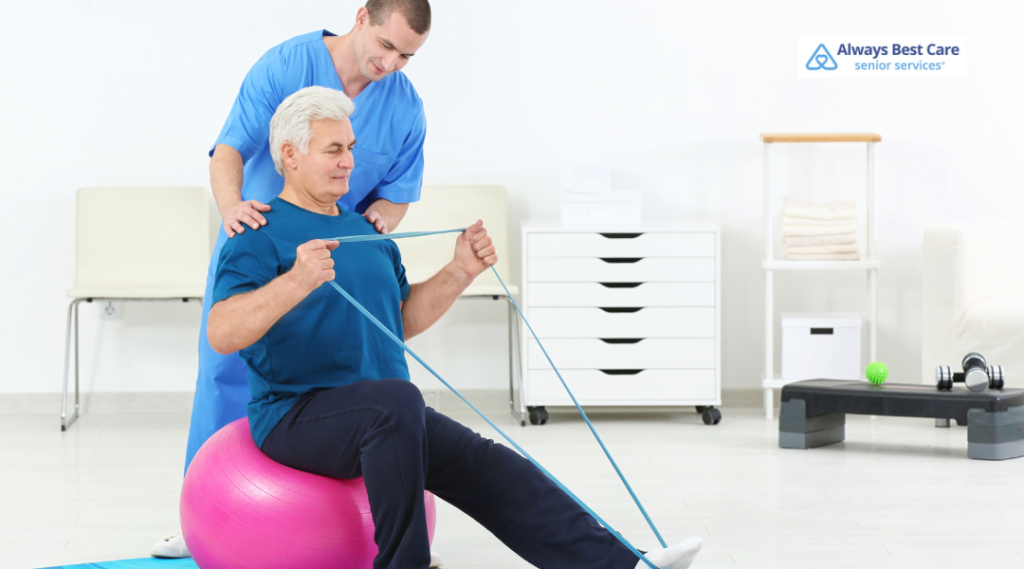
- Building strength in weakened muscles
- Improving sitting and standing balance
- Practicing transfers between a bed, chair, toilet, shower, wheelchair, or car
- Relearning safe walking patterns and improving endurance
- Practicing stairs, curbs, and uneven surfaces when appropriate
- Improving coordination and body awareness
- Teaching safe use of mobility aids such as a cane, walker, wheelchair, or ankle-foot orthosis
- Reducing fall risk and increasing confidence with movement
Stroke rehabilitation guidelines recommend intensive, repetitive, task-oriented mobility training for people with walking limitations. They also recommend balance programs for people with poor balance, fear of falling, or heightened fall risk, as well as assistive devices or orthoses when appropriate to improve safety and mobility.’
Rebuilding Walking and Balance
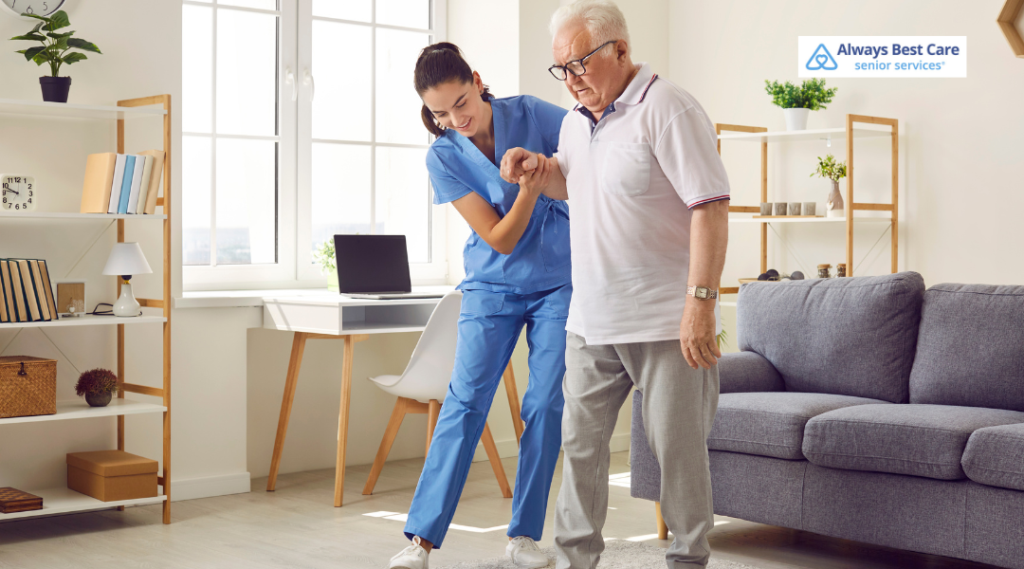
Walking after a stroke is more than putting one foot in front of the other. A survivor may need to relearn weight shifting, foot placement, timing, posture, and how to respond safely if they lose balance.
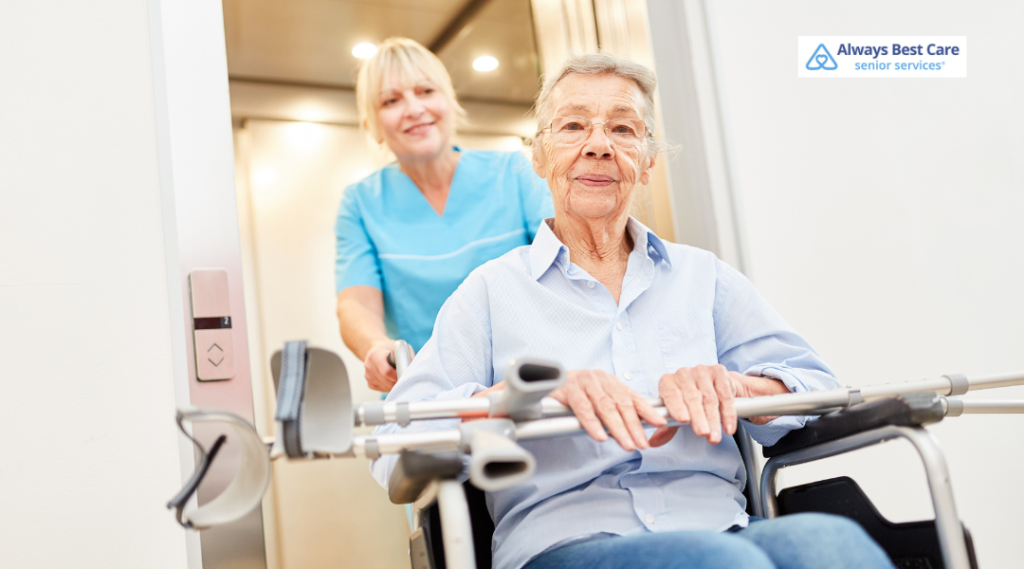
Physical therapists may use guided practice on level surfaces, treadmills, stairs, or other functional environments. They may also teach a person how to use a cane, walker, ankle brace, or wheelchair safely. These tools are not signs of failure. When recommended and fitted appropriately, they can increase stability, reduce the effort needed to move, and help lower fall risk.
Balance work can include safe practice with sitting, standing, turning, reaching, stepping, and changing surfaces. Because a fall can cause serious injury and interrupt rehabilitation, it is important to follow the physical therapist’s instructions about how much assistance, supervision, and equipment are needed.
Why Transfers Matter
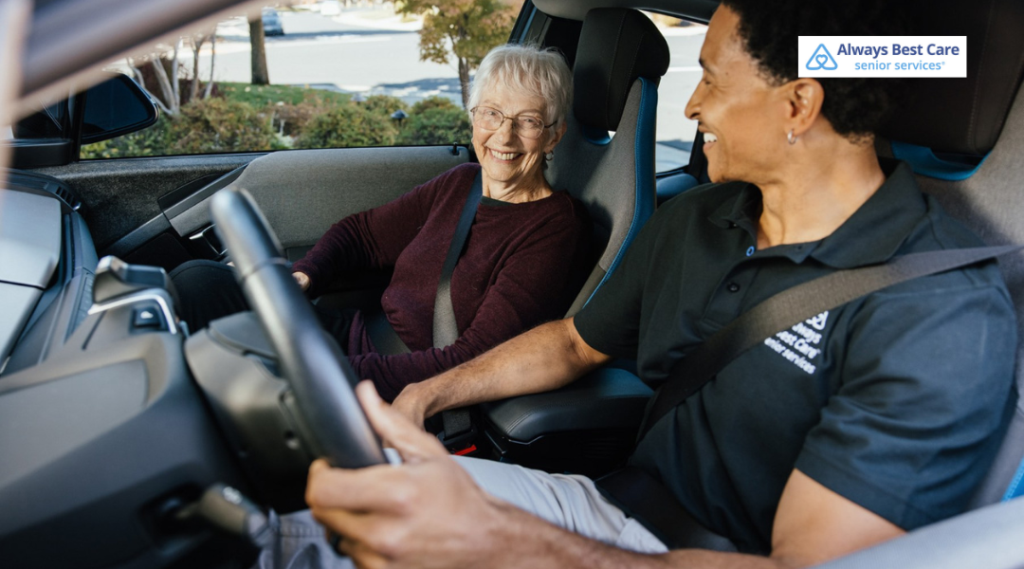
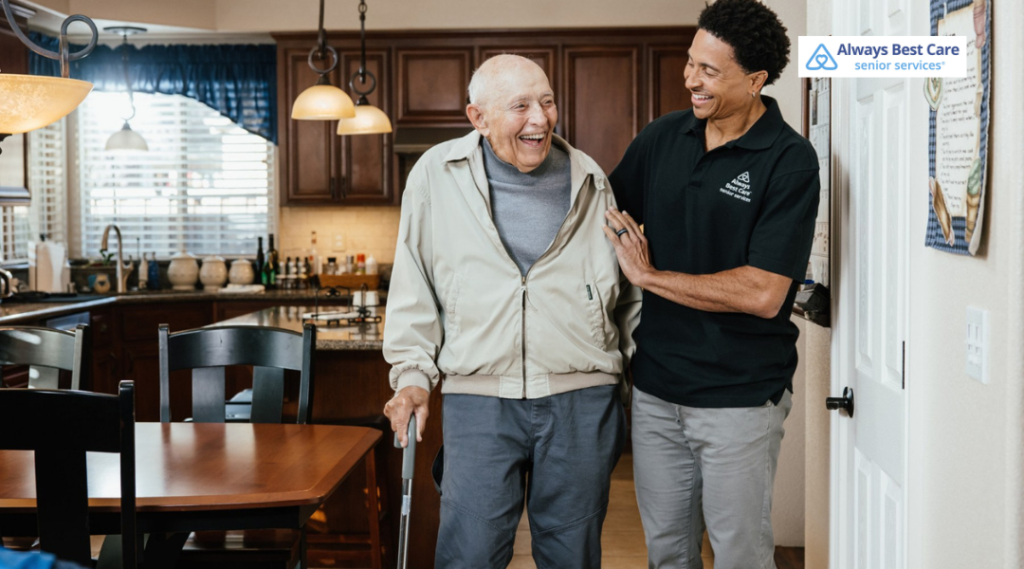
Transfers are the movements involved in getting from one surface to another—for example, moving from a bed to a chair, standing from a toilet, getting into a shower, or stepping into a vehicle.
After a stroke, transfers can be difficult because weakness, poor balance, fatigue, impaired sensation, or reduced coordination may make the movement feel unfamiliar or unsafe. Physical therapy can break these tasks into manageable steps and help the survivor practice the correct technique.
Caregivers should receive training directly from the rehabilitation team before providing hands-on assistance. Improper lifting or pulling can increase the risk of a fall or injury for both the survivor and caregiver. If a transfer becomes unsafe, do not try to “push through.” Contact the therapy or healthcare team to reassess the plan, level of assistance, or equipment needs.
Supporting Therapy at Home
The work that happens between therapy sessions can be just as important as the session itself. However, caregivers should not create their own exercise plan or encourage exercises that have not been approved by the physical therapist.
Instead, families can support recovery by:
- Following the therapist’s home-exercise and mobility recommendations exactly
- Encouraging regular practice without rushing, shaming, or overcorrecting
- Scheduling exercise and movement practice for times when the survivor is rested
- Keeping a simple record of progress, fatigue, pain, dizziness, or near-falls
- Using prescribed equipment correctly and consistently
- Celebrating practical progress, such as standing more steadily or walking farther with safe support
- Reporting new weakness, falls, pain, dizziness, or a sudden change in ability to the healthcare team
Family members and caregivers are encouraged to be active partners in supervised home-based rehabilitation planning and education.
A supportive phrase can make a meaningful difference: “Let’s use the steps your therapist showed us,” is often more helpful than, “You need to try harder.”
Make the Home Safer for Movement
A safer home can help a stroke survivor practice mobility with more confidence while reducing fall hazards. The right changes depend on the person’s abilities and the therapist’s recommendations.
Common safety steps include:
- Clearing walkways between the bedroom, bathroom, kitchen, and living areas
- Removing loose rugs, cords, clutter, and low furniture that could cause tripping
- Improving lighting, especially on routes to the bathroom at night
- Installing grab bars near the toilet and in the shower when recommended
- Using a shower chair, nonslip surface, raised toilet seat, or handrails when appropriate
- Keeping frequently used items within easy reach
- Arranging a main-floor living and sleeping area if stairs are no longer safe
- Ensuring canes, walkers, and wheelchairs are within reach before the person stands
Home-based rehabilitation can be a suitable option for some stroke survivors after a comprehensive assessment of daily activities, mobility, and the living environment.
Caregiver Encouragement Without Pressure
Caregivers can make a meaningful difference in recovery, but they also need to recognize the boundary between encouragement and pressure.
Fatigue after stroke is common. A survivor may need more rest than before, and their performance can vary from one part of the day to another. Instead of treating a difficult day as a setback, help your loved one use the strategies recommended by their care team and communicate changes to the therapist.
Helpful caregiving approaches include:
- Ask before offering physical help and respect the survivor’s preferences when it is safe to do so
- Use the therapist’s recommended cues and assistance techniques
- Give enough time for the person to attempt a task
- Focus on safety instead of speed
- Encourage rest breaks before exhaustion or frustration builds
- Avoid pulling on an affected arm or shoulder
- Keep goals realistic and celebrate small gains
- Accept help from relatives, friends, or professional caregivers to prevent burnout
Physical therapy, occupational therapy, speech therapy, nurses, physicians, social workers, and family caregivers may all be part of the stroke-recovery team. Recovery is strongest when the survivor’s goals guide that team’s plan.
Arcadia Support Resources
Stroke survivors and caregivers in Arcadia can find support through the American Stroke Association’s Stroke Support Group Finder, which allows families to search for registered local groups by ZIP code and distance. Support groups can offer encouragement, shared problem-solving, education, and connection with others who understand life after stroke. Confirm schedules before attending, as meeting formats can change.
California’s Caregiver Resource Centers and local Area Agencies on Aging provide information, guidance, caregiver education, and connections to practical services. These programs can help caregivers find support while they coordinate therapy, appointments, home safety, and daily care.
How Always Best Care Can Help
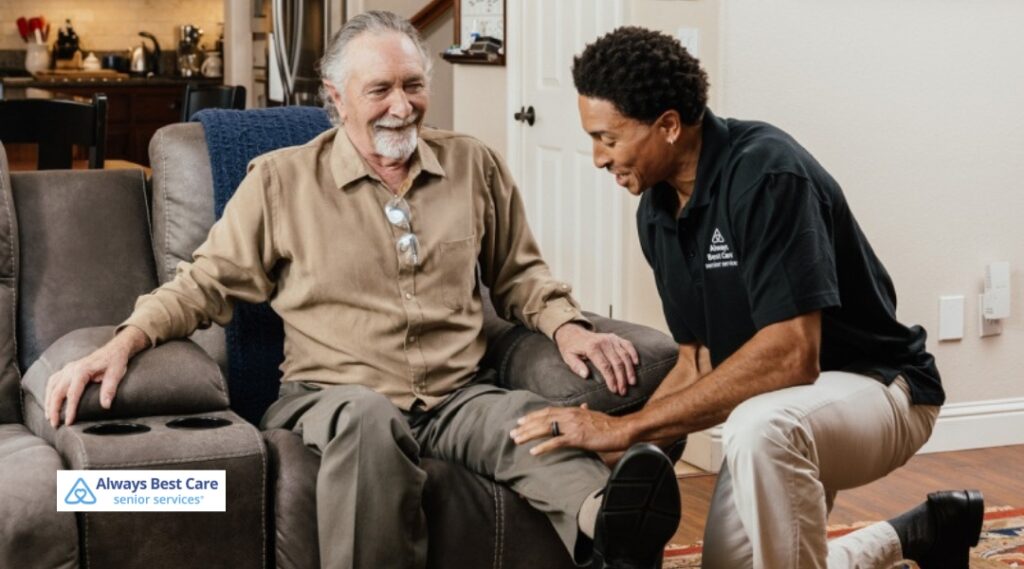
Always Best Care of Arcadia can provide non-medical in-home support that complements—not replaces—the clinical care delivered by a physical therapist and medical team. Based on the care plan and the survivor’s abilities, caregivers may assist with companionship, transportation to therapy and follow-up visits, meal preparation, light housekeeping, personal-care routines, appointment reminders, and supervision during therapist-approved mobility activities.
This support can help create a safer, more consistent home routine while giving family caregivers time to rest, work, or manage other responsibilities. Always Best Care of Arcadia also notes that its skilled nurses and caregivers can support stroke survivors at home through personalized care, therapy coordination, and daily assistance.
FAQ
Q: How soon should physical therapy start after a stroke?
A: Rehabilitation generally begins in the hospital as soon as a person is medically stable. It may begin within 24 to 48 hours for some people, then continue in an inpatient, outpatient, or home-based setting according to medical needs and recovery goals.
Q: Can physical therapy help a stroke survivor walk again?
A: Physical therapy can help people improve walking, strength, balance, coordination, endurance, and safe use of mobility equipment. Outcomes differ depending on the stroke and the individual, but repetitive, task-oriented mobility training is recommended for stroke-related walking limitations.
Q: How can caregivers help with stroke exercises at home?
A: Follow the physical therapist’s instructions, encourage consistent therapist-approved practice, provide prescribed supervision or assistance, and report pain, dizziness, falls, or sudden changes in ability. Do not add exercises or provide hands-on transfer assistance without training from the rehabilitation team.
Q: What home modifications may help after a stroke?
A: Depending on the person’s needs, useful changes may include clear pathways, improved lighting, grab bars, a shower chair, nonslip bathroom surfaces, handrails, and keeping necessary mobility equipment within reach. A therapist can recommend modifications suited to the individual and home.
Q: Can in-home care replace physical therapy?
A: No. Physical therapy is clinical rehabilitation provided by licensed professionals. In-home caregivers can complement therapy by helping with daily routines, transportation, safety, reminders, companionship, and therapist-approved home activities.
Support Recovery at Home
Recovery after a stroke is built through safe, consistent practice, professional guidance, and patient encouragement. Physical therapy can help Arcadia stroke survivors work toward stronger movement, better balance, and more confidence in daily life—one meaningful step at a time.
Contact Always Best Care of Arcadia to discuss personalized in-home support that can complement your loved one’s stroke-rehabilitation plan, promote safer routines at home, and give family caregivers practical relief. Always Best Care of Arcadia at (626) 778-1441 to learn more and schedule your free consultation.
Link to the markdown version of this blog.