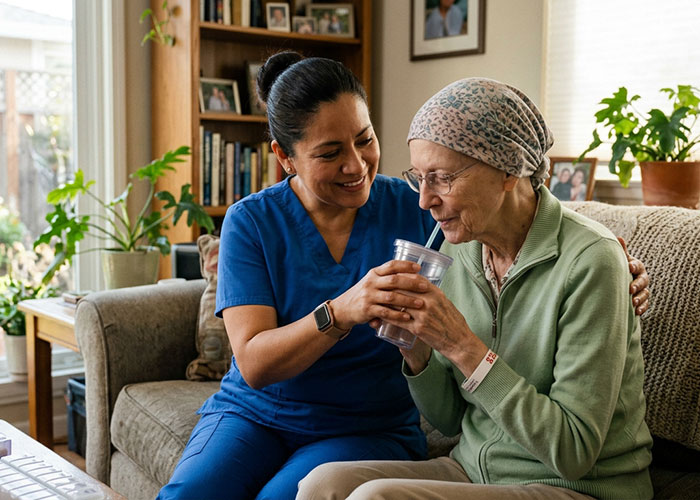

What To Do When an Elderly Person Stops Eating? [Tips & FAQs]
![What To Do When an Elderly Person Stops Eating? [Tips & FAQs]](https://alwaysbestcare.com/wp-content/uploads/2024/06/when-elderly-stop-eating-hero-image.png "What To Do When an Elderly Person Stops Eating? [Tips & FAQs] 2")
Table of Contents
When an Elderly Person Stops Eating: Key Takeaways
- Elderly people stop eating for different reasons, including physical changes, a decline in energy levels, and even end-of-life
- Most people can survive without food for around 10 days
- When your elderly loved one stops eating, you should
Did you know that in the U.S., around one in four older adults over 65 are either malnourished or at risk of becoming malnourished?
If you’ve noticed changes in your loved one’s eating habits, like sudden weight loss or a loss of appetite, it’s important to bring it up with their healthcare provider as soon as possible.
While distressing, there are steps you can take to stimulate your loved one’s appetite and improve their quality of life.
Once you’ve gone through our guide, you’ll be able to:
- Understand why an elderly person stops eating
- Get tips on how to help your loved one
- Explore how our supportive team at Always Best Care can guide you and your loved one during this difficult time
Why Do Elderly People Stop Eating?
There are different reasons why an elderly person might stop eating, ranging from medical issues to emotional and physical changes.
- Loss of appetite: As individuals age, their taste buds often diminishes. These changes can be aggravated by different factors such as medications, which might interfere with taste signals to the brain, and nasal or sinus issues, which can obstruct or diminish the sense of smell.
- Constipation: Constipation is a common condition among the elderly. It is typically caused by decreased physical activity, insufficient hydration, and a lack of dietary fiber. This can make eating uncomfortable and may lead to a reduced appetite.
- Tooth decay and receding gums: Dental issues like tooth decay or receding gums can make chewing painful. This might cause some elderly individuals to avoid hard or chewy foods, such as meats and raw vegetables.
- Medication: The side effects of different medications, such as antibiotics or painkillers, can lead to nausea, which in turn reduces appetite or causes an upset stomach.
- Depression or isolation: Emotional issues greatly affect appetite. Elderly individuals who are depressed or feel isolated often lose their desire to eat. This issue is further worsened by fewer social interactions, which would typically help encourage regular meals.
- End-of-life: Towards the end of life, the body naturally begins to shut down, and the need for energy decreases. Individuals in their twilight years often lose their appetite as part of this process. This can be due to a combination of factors, including metabolic changes and an overall decrease in physical and mental activity.
Why Do End-of-Life Patients Stop Eating?
In the final weeks, days, or hours of life, it’s common for individuals to eat and drink less (or not at all.)
As a person gets closer to the end of life, their body naturally starts to slow down and needs less energy. They might also have a harder time digesting food and liquids.
How Long Can the Elderly Go Without Eating?
As a good rule of thumb, an individual might survive for about 10 days without food. However, this can extend to several weeks in some cases.
For elderly individuals, how long they can live after they stop eating depends on a variety of factors, including their overall health, hydration levels, and any underlying medical conditions.
What To Do When Your Elderly Loved One Stops Eating?
Whether your loved one is at home or in hospice, it’s often distressing for family caregivers to see them lose their appetite and unintentionally lose weight.
If you’re in this situation, here’s what you can do to help your elderly loved one:
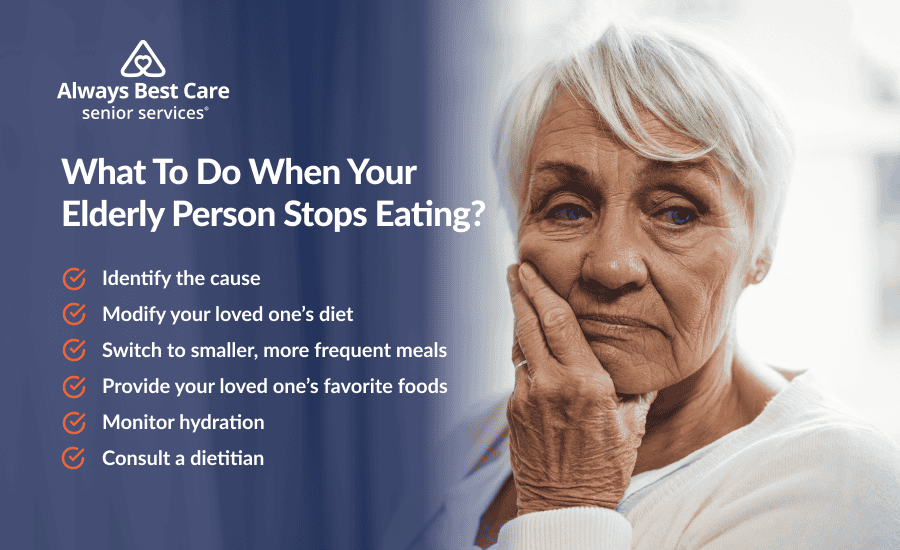
- Identify the cause: Determine if your loved one’s lack of appetite is due to a medical condition, medication side effects, dental issues, emotional distress, or other factors. Consult with their healthcare provider to rule out or treat any medical causes. For example, if they are on a new medication, a doctor can check for side effects that may be affecting their appetite. Alternatively, if dental pain is an issue, visiting the dentist might be necessary to address any oral health problems.
- Upgrade the aesthetic and taste of your loved one’s meals: Make sure your loved one’s meals smell delicious and look good enough to eat. Try using colorful dishes and adding some spices and herbs to enhance the flavors. It also helps to serve smaller, more frequent meals rather than big ones. This can make eating more manageable and enjoyable.
- Modify your loved one’s diet: Focus on nutrient-rich, easy-to-eat foods like smoothies, soups, and stews. If your loved one has difficulty chewing or swallowing, softer foods can be a helpful alternative.
- Switch to smaller, more frequent meals: Consider having six to eight small meals throughout the day instead of three large ones. This approach can help manage appetite better and ensure steady energy levels.
- Provide your loved one’s favorite foods: Sometimes, familiarity can be comforting. Whether it’s their favorite ice cream or a good ol’ home-cooked meal, offer foods that your loved one has always enjoyed, as these may be more appealing to them.
- Avoid strong food odors: Strong smells can be off-putting, especially if your loved one is feeling sensitive. Opt for foods that are less aromatic and more neutral in smell, such as stinky cheeses.
- Create a pleasant dining environment for your loved one: Eating in a calm and comfortable setting can boost appetite. If isolation is a concern, try arranging communal meals, as socializing can spark an interest in food.
- Keep your loved one’s lips and mouth moist: If your loved one can no longer drink, gently keep their lips and mouth moist using swabs, a damp washcloth, lip balm, or moisturizers.
- Provide alternative forms of nourishment: If your loved one can no longer eat or choose not to eat, offer nourishment in other ways. Engage them in conversation, share a gentle touch, play their favorite music, arrange for pet visits, or offer gentle massages. This approach can significantly comfort and support them.
- Explore other medication options: If dietary changes don’t stop weight loss, talk to your healthcare provider about medications that can stimulate appetite. These can include Megace (megestrol acetate), metoclopramide, and cannabinoids like medical marijuana and Marinol (dronabinol).
- Monitor hydration: Make sure your loved one drinks enough water; around eight to 10 glasses throughout the day. Elderly people often don’t feel thirsty, which can lead to dehydration and decrease their appetite.
- Encourage gentle exercise: Light physical activities, like a short walk or swimming, can help stimulate appetite. Try to incorporate these into your loved one’s daily routine for better health benefits.
- Consult a dietitian: A professional can provide personalized nutritional advice and meal plans to ensure your loved one is getting the necessary nutrients.
- Support your loved one: Address any emotional or mental health issues. Depression and isolation often reduce appetite, so consider arranging sessions with a counselor or therapist who can provide targeted support and strategies to improve their emotional well-being.
“When an elderly loved one begins eating less, families should first consider common medical causes such as medication side effects, dental problems, difficulty swallowing, depression, digestive issues, or an underlying illness. A healthcare evaluation is important if the change is sudden or leads to weight loss or weakness. At the same time, emotional support matters – approach the situation gently, avoid pressure or blame, and focus on comfort, shared meals, and understanding what the senior is experiencing. Balancing medical attention with compassion helps address both physical needs and dignity”.
Sheila Davis
Chief Operating Officer at Always Best Care
Explore Compassionate Care Services at Always Best Care
If you’re caring for an elderly loved one, maintaining consistent, healthy eating habits can be challenging.
That’s where Always Best Care comes in.
Our team is ready to provide top-notch care services for your elderly loved one, ensuring they receive nutritional support and daily assistance tailored to their specific needs.
- Specialized home care services: We offer daily social interactions and provide insights into your loved one’s health directly from their home.
- Skilled home health care services: We create personalized care plans tailored to your loved one’s recovery or specific health needs, available in select areas.
- Respite care services: We offer temporary relief for caregivers, ensuring your loved one receives constant, compassionate care. Respite durations can range from a few hours to several days, based on your needs.
- Dementia care services: We provide specialized care for individuals with dementia, focusing on their comfort, safety, and well-being.
- Senior living referral services: We can help you select the best senior living options tailored to your loved one’s preferences and needs.
- Veterans assistance program: We provide top-quality care for veterans and assist them in securing necessary funding for their care needs.
Feel free to reach out to us. We’d love to discuss how we can enhance your loved one’s comfort and quality of life.
When an Elderly Person Stops Eating: FAQs
What happens when an elderly person stops eating?
When an elderly person stops eating, it can quickly lead to weakness, confusion, and a weakened immune system.
How long can the elderly go without eating?
On average, an elderly person can survive around 10 days without food, but this can vary based on their overall health.
Why is my elderly loved one sleeping more and eating less?
It’s normal for older adults to eat less and sleep more, especially if they’re less active and need fewer calories.
This can also be caused by depression or underlying health conditions.