

Preventing Caregiver Burnout While Supporting a Loved One With Alzheimer’s in San Antonio
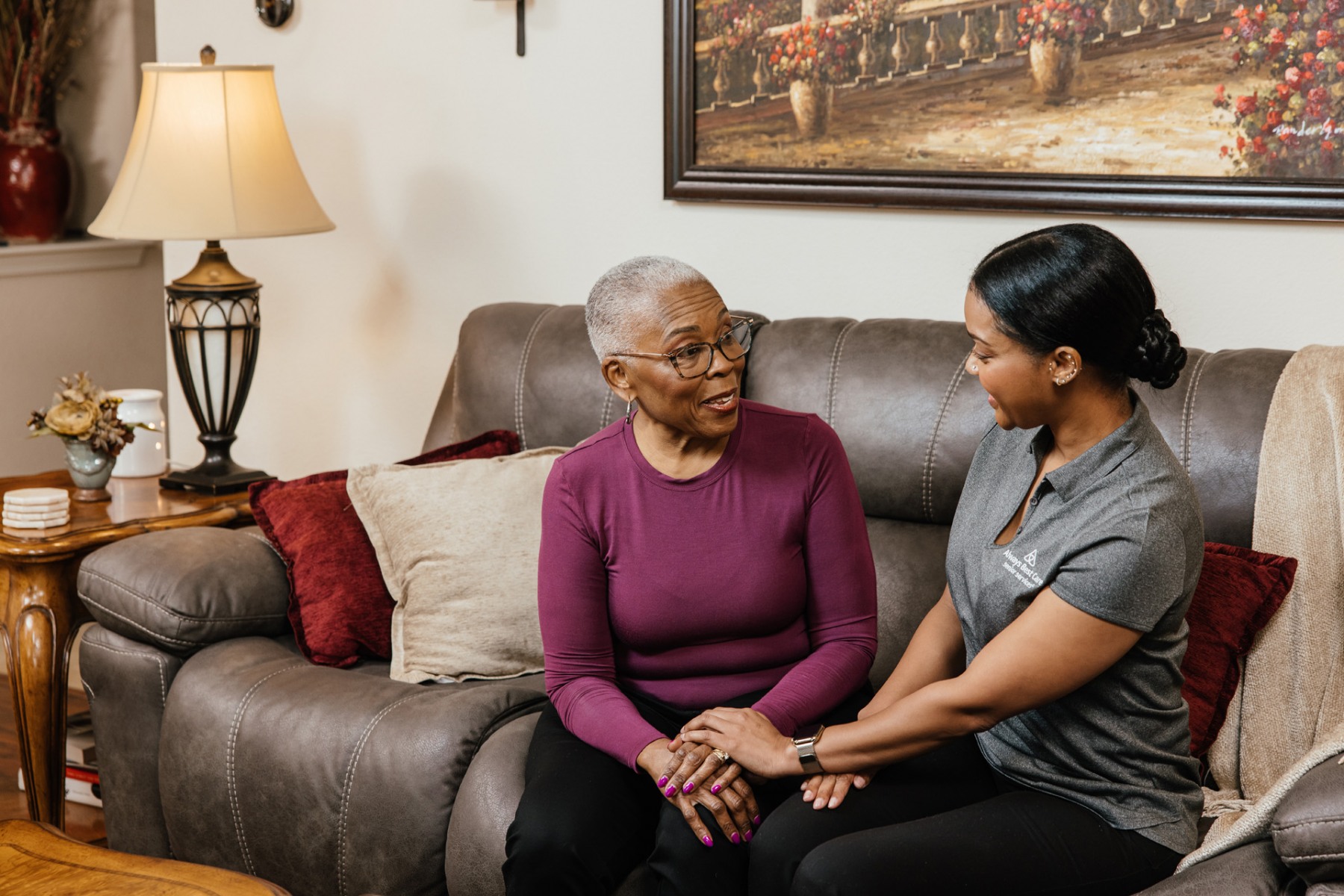
Supporting a loved one with Alzheimer’s disease can be one of the most meaningful roles a family member takes on. It can also be emotionally and physically demanding. From managing appointments and medications to helping with meals, routines, safety, and changing behaviors, caregivers often put their own needs aside.
For San Antonio families, preventing caregiver burnout is not about stepping away from a loved one. It is about creating enough support, rest, and balance to continue providing care with patience and compassion. Taking care of yourself helps protect your health and makes the caregiving journey more manageable for everyone involved.
What You Will Learn
- How to recognize common signs of caregiver stress and burnout.
- Why taking breaks and asking for help supports both caregivers and their loved ones.
- Simple ways to build a healthier, more sustainable caregiving routine.
- How Always Best Care San Antonio can provide compassionate respite and in-home support.

Table of Contents
Understanding Caregiver Burnout
Caregiver burnout happens when the ongoing demands of care begin to affect a person’s emotional, physical, or mental well-being. It may develop gradually, especially when one family member is managing most responsibilities without consistent help.
Common signs can include feeling exhausted, overwhelmed, anxious, impatient, isolated, or unable to sleep well. Some caregivers may lose interest in activities they once enjoyed, skip meals or medical appointments, or feel guilty for wanting time away from caregiving. These feelings are understandable, and recognizing them early can make it easier to find the right support.
Why Alzheimer’s Care Can Feel Overwhelming
Alzheimer’s care changes over time. A loved one who once needed a few reminders may eventually require more supervision, hands-on support, or help with personal care. Changes in memory, communication, mobility, sleep, and behavior can make caregiving unpredictable.
Many family caregivers also juggle careers, children, household responsibilities, and their own health needs. It is natural to feel pressure to do everything, but Alzheimer’s care is rarely meant to be managed by one person alone. Accepting support can help families protect their relationships and create a more sustainable care plan.

Make Room for Rest and Personal Time
Taking a break is not selfish. It is a healthy part of caregiving. Even short breaks can give caregivers time to recharge, attend appointments, exercise, enjoy a hobby, connect with friends, or simply have a quiet moment.
Caregiver well-being is supported by regular sleep, nourishing meals, movement, stress-management practices, personal healthcare, and time for enjoyable activities. National caregiving guidance also encourages caregivers to ask for help and take breaks before stress becomes overwhelming.
A short walk along the River Walk, lunch with a friend, a quiet morning at home, or time to attend a child’s event can help restore energy and perspective. The specific activity matters less than creating regular time that belongs to you.
Share the Caregiving Responsibilities
Families often want to help but may not know what support is needed. Rather than waiting until you are overwhelmed, try giving loved ones clear, manageable ways to participate.
One relative may be able to prepare meals, while another handles grocery shopping, transportation, paperwork, or weekly check-in calls. A friend may be willing to sit with your loved one while you attend an appointment. A shared family calendar can also help everyone see what needs to be done and prevent one caregiver from carrying every responsibility alone. The Alzheimer’s Association recommends using a care-team calendar to coordinate support among family and friends.
Asking for help does not mean you are unable to care for your loved one. It means you are creating a stronger support system around them.
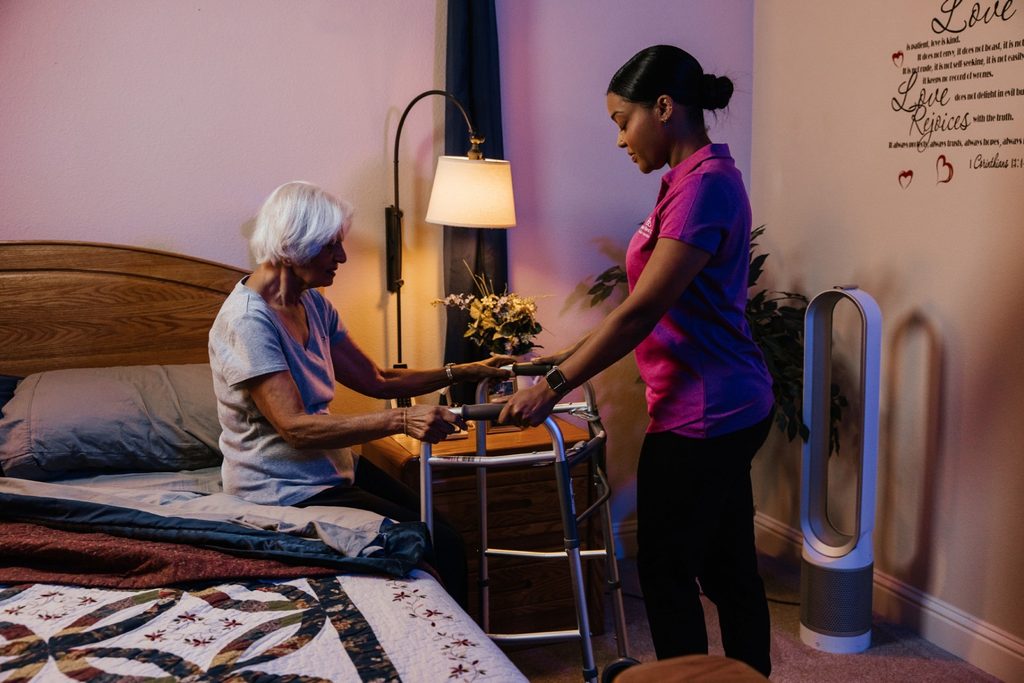
Let Go of Caregiver Guilt
Many caregivers feel guilty when they become frustrated, need a break, or cannot meet every need on their own. Alzheimer’s disease can change a loved one’s abilities in ways that no amount of devotion can fully prevent or control.
It can help to remember that you are doing your best in a changing situation. Giving yourself permission to rest, set realistic expectations, and seek professional support is an act of care, not a failure. Caregiver guidance from the Alzheimer’s Association emphasizes that no one can do everything alone and that respite can help caregivers remain physically and emotionally strong.
Find Support in the San Antonio Community
Connecting with people who understand the Alzheimer’s caregiving journey can make a meaningful difference. Caregiver support groups can offer a place to share experiences, learn practical strategies, and feel less isolated.
The Alzheimer’s Association San Antonio and South Texas Chapter provides education, caregiver support groups, local resources, and a 24/7 helpline for families affected by Alzheimer’s and dementia. Families can also speak with a healthcare provider, counselor, trusted faith leader, or local aging-services organization when they need additional emotional or practical support.

How In-Home Respite Care Can Help
Respite care offers family caregivers a planned, temporary break while their loved one continues receiving support in a safe and familiar setting. You can arrange it for a few hours, on a regular weekly schedule, or as needs change.
A professional caregiver can provide companionship, assist with meals, support personal-care routines, encourage meaningful activities, and offer supervision while family members rest or manage other responsibilities. Respite care gives caregivers time to attend appointments, exercise, run errands, connect with loved ones, or simply recharge.
Bringing in support early can also help a loved one become comfortable with a caregiver before more extensive care is needed.
How Always Best Care San Antonio Can Help
Always Best Care San Antonio provides compassionate in-home care for seniors living with Alzheimer’s disease and meaningful relief for the family members who support them. Our care plans are designed around each individual’s routines, preferences, abilities, and changing needs.
Caregivers can help with companionship, meal preparation, light housekeeping, personal care, mobility support, medication reminders, engaging activities, and supervision. Respite care can also give family caregivers reliable time to rest, work, care for their own health, or focus on other priorities.
You do not have to handle Alzheimer’s care alone. With the right support, families can create a care routine that helps their loved one remain comfortable at home while making room for the caregiver’s own well-being.

Frequently Asked Questions
Q: What are common signs of caregiver burnout?
A: Caregiver burnout may include ongoing exhaustion, anxiety, irritability, sleep problems, isolation, sadness, or feeling overwhelmed by daily responsibilities.
Q: Is it okay to take a break from Alzheimer’s caregiving?
A: Yes. Regular breaks can help caregivers rest, manage personal needs, and return to caregiving with renewed energy. Respite care allows a loved one to receive safe, supportive care while the caregiver takes time away.
Q: Where can San Antonio caregivers find support?
A: Local support is available through the Alzheimer’s Association San Antonio and South Texas Chapter, which offers education, support groups, local resources, and a 24/7 helpline.
You Deserve Support, Too
Caring for a loved one with Alzheimer’s takes patience, commitment, and heart. Protecting your own well-being is one of the most important ways to continue showing up with the care and compassion your loved one deserves.
Reach out to Always Best Care San Antonio today at (210) 940-1087 to learn how personalized Alzheimer’s home care and respite support can help your family find more balance, confidence, and peace of mind.
Link to the Markdown File version of the article