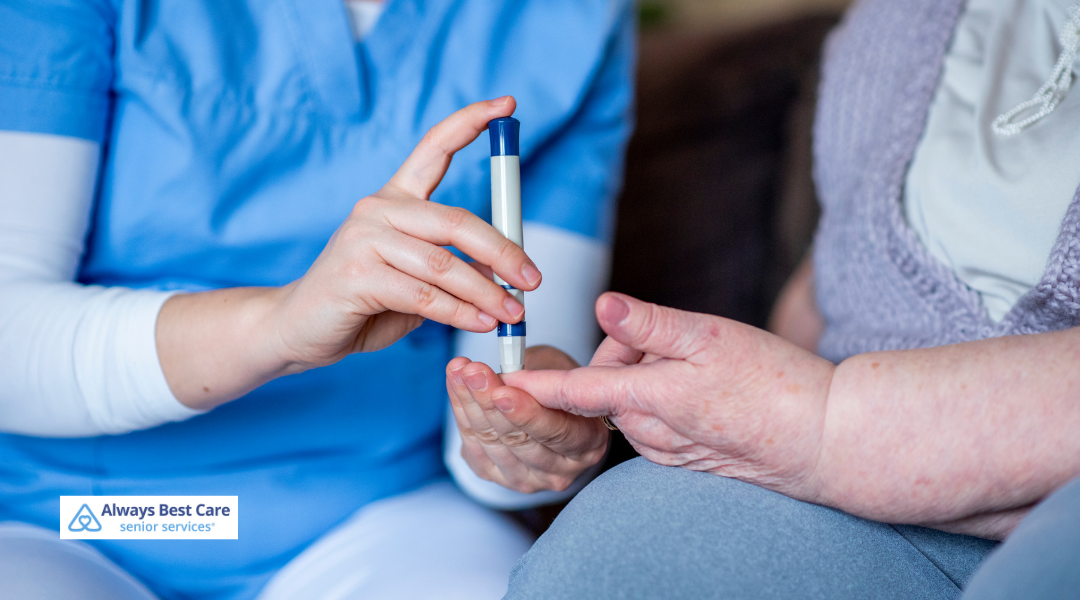

Elder Abuse Prevention: Protecting Seniors and Promoting Safe, Respectful Care in San Antonio, TX

Elder abuse isn’t just a headline or a statistic; it’s a heartbreaking reality that can hit close to home faster than we’d like to admit. For many of us, the idea that a parent, grandparent, or neighbor could be mistreated is enough to make our blood boil. Yet abuse often hides in plain sight, tucked behind closed doors, polite smiles, and “everything’s fine” answers.
That’s why understanding elder abuse prevention is so important. By learning what to look for and how to respond, families in San Antonio, TX can step in early, speak up, and help keep the seniors they love safe, respected, and truly cared for. At Always Best Care of San Antonio, TX, we see elder safety as a shared promise; we’re in this together.
What you will learn:
- What elder abuse is, the main ways it can appear, and why it often goes unnoticed at first.
- How to spot early warning signs and risk factors that may put some San Antonio seniors at higher risk.
- Simple, caring steps families can take to stay involved, support caregivers, and create a safer home environment.
- What to do if something feels wrong, including how to speak up, document concerns, and reach out for trusted help.
Table of Contents
What Is Elder Abuse?
Elder abuse happens when an older adult is harmed, or put at serious risk of harm, through someone’s actions or failure to act. It can be sneaky, loud, subtle, or obvious, and more than one kind of abuse can show up at the same time.
Common types of elder abuse include:
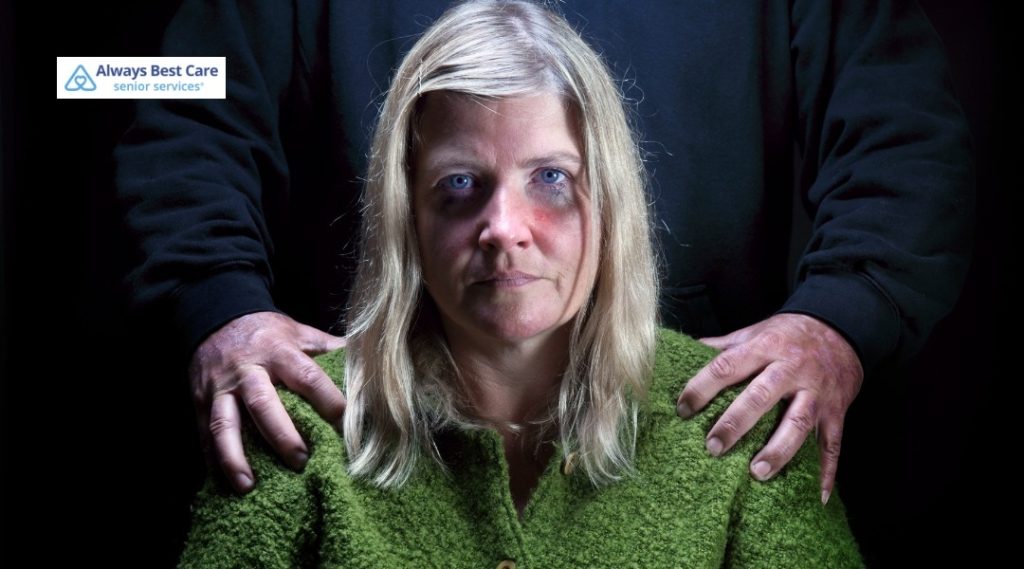
- Physical abuse – hitting, pushing, rough handling, or using restraints in a harmful way
- Emotional abuse – yelling, threats, humiliation, mocking, or isolating a senior from friends and family
- Financial exploitation – misuse of money, pressure to sign documents, or strange changes in bank accounts or wills
- Neglect – not providing food, hygiene, medications, clean clothes, or needed medical attention
- Abandonment – leaving a senior alone without the care or supervision they clearly need
Once we recognize that abuse isn’t just bruises, but also fear, shame, and neglect, prevention becomes far more doable.
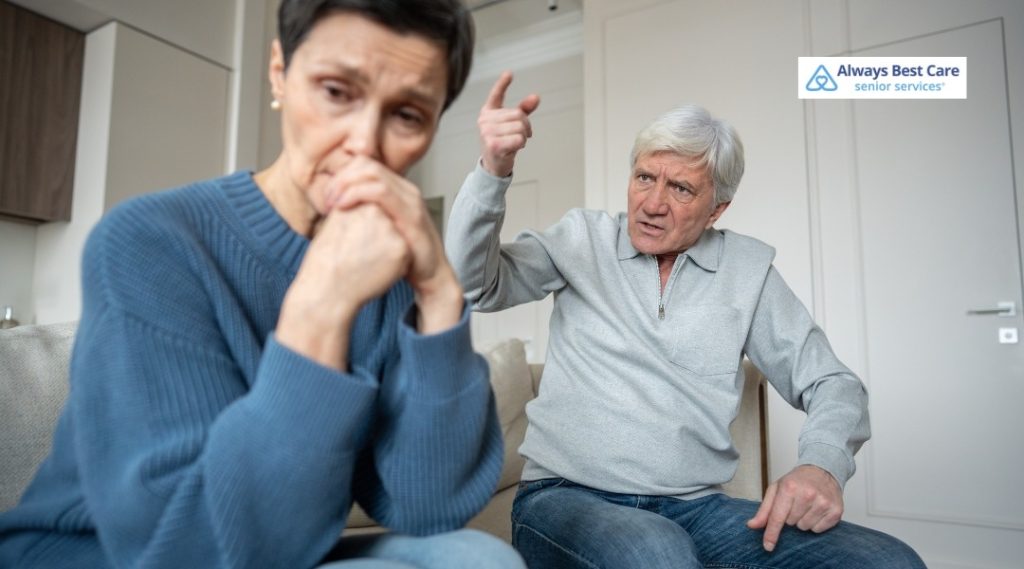
Warning Signs of Elder Abuse Families Shouldn’t Ignore
Abuse doesn’t always show up with flashing lights and sirens. Sometimes, it sneaks in as small changes that are easy to brush off. Still, those “little things” can be early red flags.
Watch for:
- Unexplained bruises, burns, or frequent falls
- Sudden mood changes, depression, or pulling away from people
- Poor hygiene, dirty clothes, or a home that’s suddenly unkempt
- Missing belongings, unpaid bills, or odd bank withdrawals
- A senior who seems nervous, scared, or unusually quiet around a certain person
- Changes in eating, sleeping, or communication, like refusing to talk on the phone
If something feels off, it usually is. Trust your gut and dig a bit deeper instead of shrugging it off.
Risk Factors That Can Increase Vulnerability
Some situations can make a senior more likely to be targeted or harmed, even unintentionally. Knowing these risk factors helps us step in earlier.
Common risk factors include:
- Social isolation – few visitors, no nearby family, or little connection to the community
- Cognitive decline – memory loss, confusion, or dementia
- Physical limitations – needing help with bathing, dressing, or getting around
- Financial dependency – relying on others to manage money or pay bills
- Caregiver stress or burnout – a stressed, overwhelmed caregiver may lose patience or behave in harmful ways
By easing isolation, checking on finances, and supporting stressed caregivers, families can reduce the chances that small problems snowball into serious abuse.
Elder Abuse Prevention: Simple Steps Families Can Take
Preventing elder abuse isn’t about perfection; it’s about staying involved, asking questions, and not being afraid to speak up. A few steady habits can go a long way.
You can:
- Visit regularly or schedule consistent calls and video chats
- Ask open, gentle questions about how things are going at home
- Review bank statements, bills, and important documents together
- Encourage your loved one to stay connected with friends, faith groups, or senior centers
- Rotate caregiving responsibilities so one person isn’t carrying the entire load
- Watch for signs of caregiver exhaustion and offer help, breaks, or extra support
A culture of openness, where nothing is “off-limits” to ask about, makes it harder for abuse to hide.
The Role of Professional In-Home Care in San Antonio, TX
Professional in-home care can be a powerful layer of elder abuse prevention, especially for families juggling work, kids, and long-distance caregiving. Reliable caregivers provide support with daily tasks and also act as extra eyes and ears.
At Always Best Care of San Antonio, TX, we take that responsibility seriously. We:
- Carefully screen and background-check caregivers
- Provide training focused on respect, safety, and dignity
- Match seniors with caregivers who are patient, kind, and dependable
We work closely with families so everyone stays in the loop. If our caregivers notice changes, like new bruises, unusual anxiety, or shifts in mood or finances, we communicate those concerns, helping families respond quickly before things get worse.
In other words, we work as partners. Families don’t have to carry this alone.

What Should You Do If You Suspect Elder Abuse?
Feeling that something’s wrong is stressful, and frankly, scary. Still, staying silent can be far more dangerous. So what can you do if you suspect a problem?
- Talk privately with your loved one.
- Choose a calm, safe setting without the suspected abuser present.
- Ask gentle questions: “Do you feel safe?” “Is anyone treating you in a way that upsets or hurts you?”
- Write down what you see and hear.
- Note dates, injuries, behavior changes, or financial concerns.
- Keep copies of any concerning documents or statements.
- Reach out to professionals.
- Contact local adult protective services.
- Share your concerns with healthcare providers who know your loved one.
- If there’s immediate danger, call law enforcement right away.
Acting quickly can stop abuse from continuing, and sometimes even save a life.
Creating a Safer Future for Seniors in San Antonio, TX
Elder abuse prevention isn’t just a checklist; it’s an ongoing promise we make to the seniors in our lives. In San Antonio, TX, families, neighbors, care providers, and community organizations all play a part.
At Always Best Care of San Antonio, we see seniors as cherished members of our community, not just people who “need help.” We work side by side with families to create a safe, warm home environment where seniors can stay engaged, respected, and as independent as possible.
We believe seniors should be heard, not hushed. Supported, not overlooked. Protected, not merely “managed.”

Frequently Asked Questions
Q: What’s the first step in elder abuse prevention for my family?
A: Start by staying present, visit often, ask open questions, and keep communication honest. From there, watch for warning signs and stay involved in care and finances.
Q: Can elder abuse happen even in “good” families?
A: Yes. Abuse can occur anywhere, at home, in facilities, and within families that never imagined it could happen. Stress, isolation, and lack of support can all play a role, which is why awareness is so important.
Q: How can professional caregivers support elder abuse prevention?
A: Trained caregivers can spot changes early, report concerns, and provide consistent, respectful care that reduces stress on both seniors and family caregivers. At Always Best Care of San Antonio, TX, we work with families as a team.
Q: What if my loved one denies that anything is wrong, but I’m still worried?
A: That’s common. Keep watching for signs, keep the conversation open, and consider speaking with adult protective services or healthcare providers for guidance.
Q: How can I support a stressed caregiver to lower the risk of abuse?
A: Offer breaks, share tasks, bring in respite care, or involve professional in-home care. Sometimes a little help and understanding can dramatically ease tension and reduce the risk of harmful behavior.
A Safer Path Forward for San Antonio’s Seniors
Elder abuse prevention in San Antonio, TX starts with one simple belief: seniors deserve to live free from fear, neglect, and mistreatment. From noticing warning signs to easing caregiver stress, every thoughtful step matters.
At Always Best Care of San Antonio, we stand with families who refuse to look the other way. Together, we can build safer homes, stronger support systems, and a future where the older adults we love are treated with the dignity and care they’ve earned.
To learn more about how we can support your family, call Always Best Care of San Antonio, TX at (210) 940-1087 and schedule a care consultation.
Link to the Markdown file version of the article