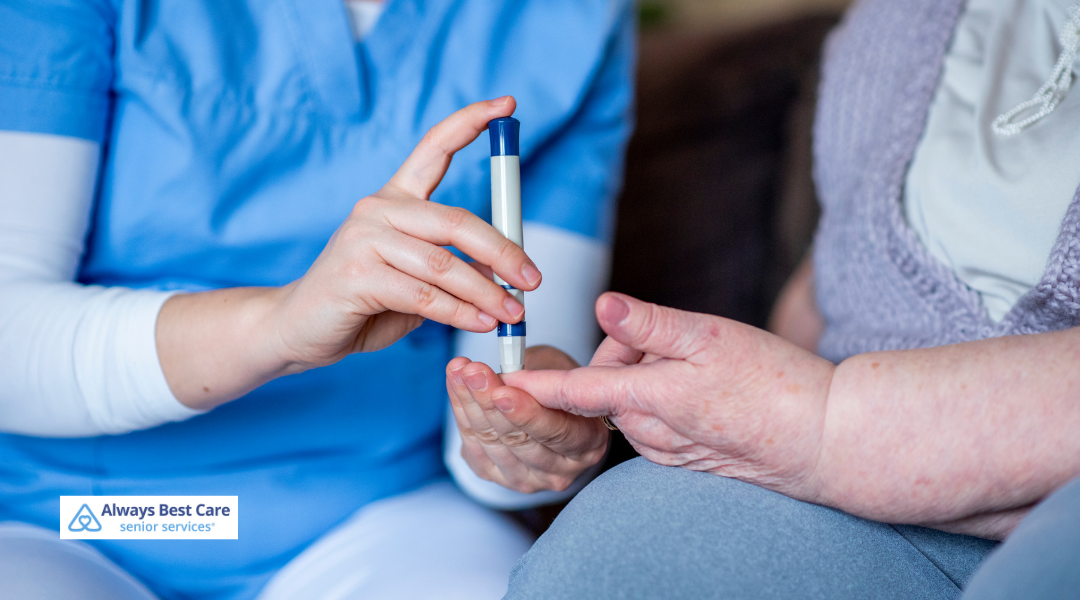

Managing Breast Cancer Treatment Side Effects at Home in San Antonio: Finding Your Everyday Rhythm Again
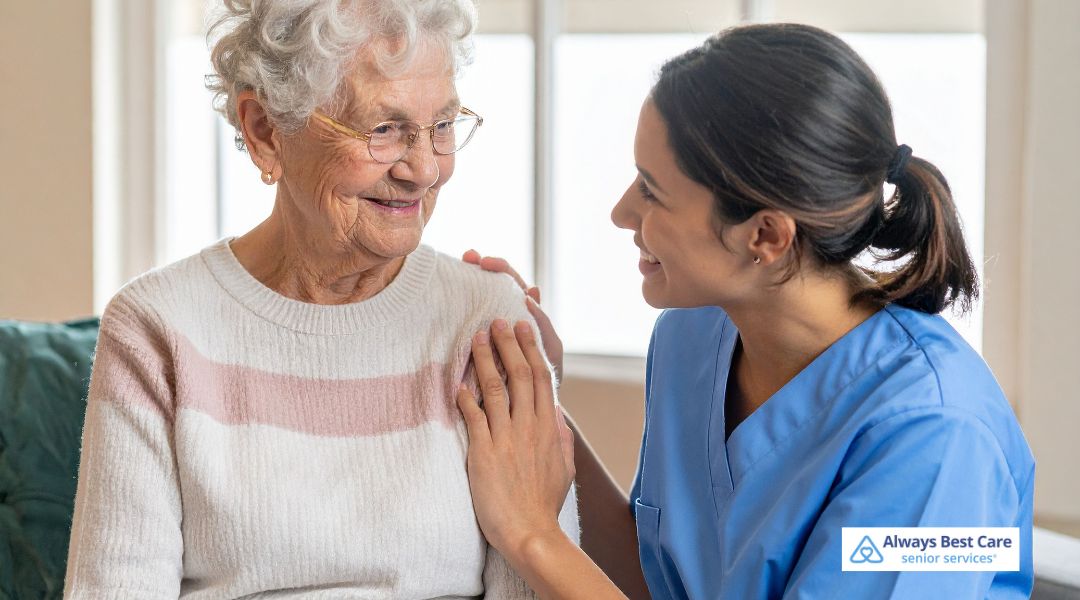
Breast cancer treatment can turn an ordinary day upside down. One morning may feel manageable; by afternoon, fatigue, nausea, soreness, or worry may have taken the wheel. That’s a lot to carry, especially for older adults who want to remain comfortable in the place they know best: home.
Managing breast cancer treatment side effects at home in San Antonio is about more than checking tasks off a list. It means creating a calmer routine, protecting energy, staying connected with the oncology team, and having dependable support close by. A little practical help can go a long way when treatment leaves someone feeling worn out.
What You Will Learn
- How breast cancer treatment side effects can affect comfort, energy, nutrition, mobility, and everyday routines at home
- Simple ways to create a safer, more supportive home environment during treatment and recovery
- When changes in symptoms should be shared with the oncology team for timely medical guidance
- How compassionate in-home care and family support can ease daily responsibilities and reduce isolation
Table of Contents
Why Side Effects Can Change Day to Day
Chemotherapy, radiation, hormone therapy, immunotherapy, and surgery can affect people differently. Treatment side effects may include fatigue, appetite changes, nausea, bowel changes, skin sensitivity, discomfort, sleep disruptions, memory lapses, and emotional strain. The National Cancer Institute advises patients to tell their medical team about side effects, since treatment-related problems can often be addressed or eased with professional guidance.
There’s no prize for pushing through alone. Keeping a simple daily record of symptoms, meals, fluids, medications, rest, and changes in mood can give the oncology team useful information at appointments or during a call.
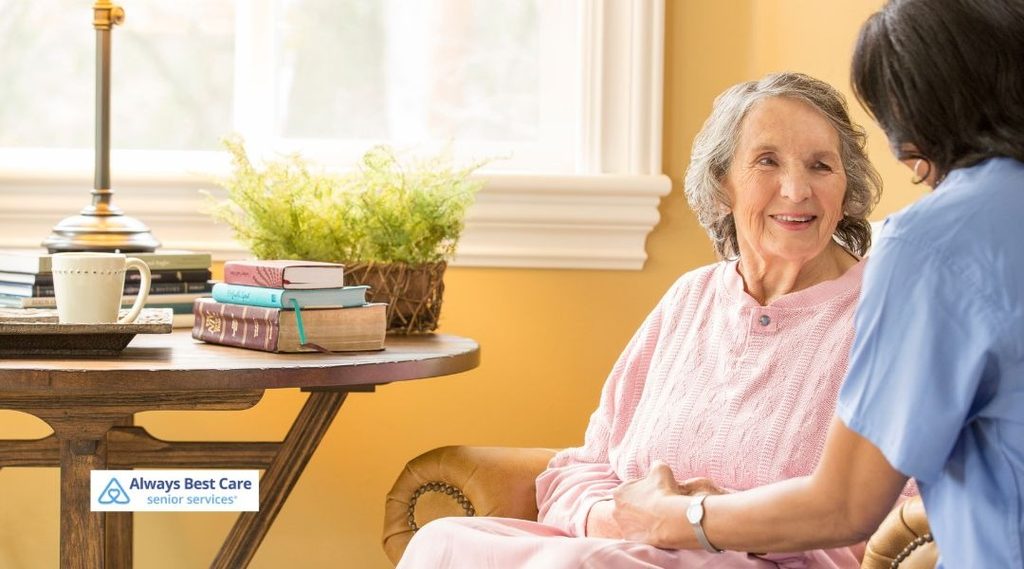
Managing Breast Cancer Treatment Side Effects at Home in San Antonio
Save Energy for What Matters Most
Cancer-related fatigue isn’t the same as being a little sleepy after a busy day. It can make bathing, cooking, laundry, and even getting dressed feel like climbing a hill in work boots.
A practical routine may help preserve energy:
- Plan demanding activities for the time of day when energy is usually strongest.
- Break chores into smaller steps rather than tackling everything at once.
- Keep water, medications, tissues, a phone, and other essentials within easy reach.
- Accept help with meals, errands, laundry, and light housekeeping.
- Build in rest breaks before exhaustion hits.
Caregivers can help reduce the daily load so the person receiving treatment can focus on rest, recovery, and the things that bring comfort.
Make Food and Fluids Less of a Chore
Treatment can change how food smells, tastes, and feels. Some days, a full meal may sound downright impossible. On those days, smaller portions served more often may feel more manageable than three large meals.
Simple foods, favorite snacks, soups, smoothies, and easy-to-eat options may be easier to handle, depending on the oncology team’s nutrition guidance. Caregivers can help shop for groceries, prepare meals, clean up afterward, and make sure a loved one has easy access to drinks throughout the day.
Persistent vomiting, diarrhea, inability to keep fluids down, or worsening nausea should be reported to the cancer care team. The American Cancer Society recommends tracking side effects and contacting the care team about uncomfortable symptoms, medication issues, and fever thresholds provided by clinicians.
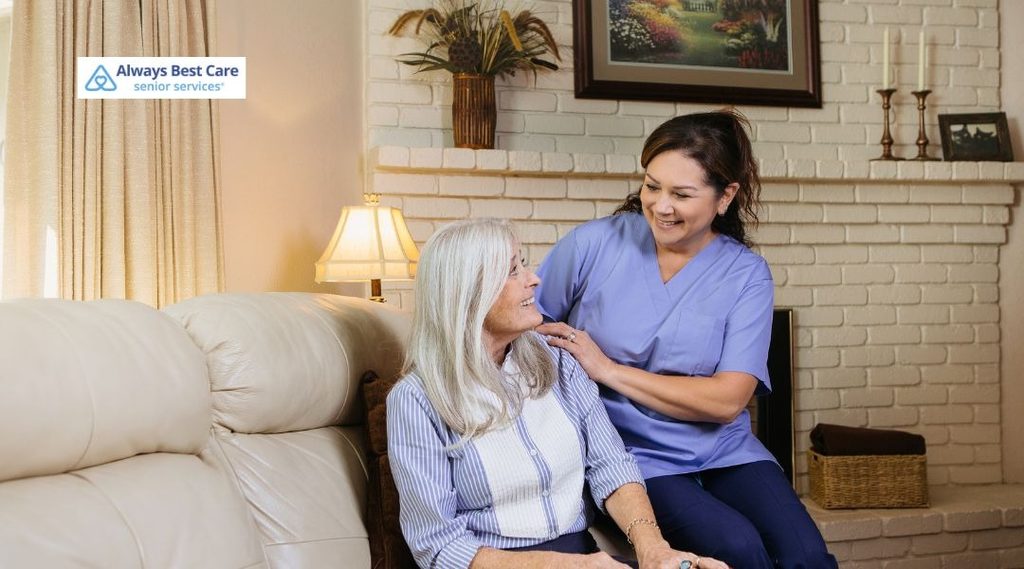
Create Comfort During Recovery
After surgery or during radiation treatment, everyday movements can become awkward or painful. Reaching for a shirt, washing hair, getting in and out of bed, or standing long enough to prepare dinner may suddenly require extra effort.
A few home adjustments can make life less of a hassle:
- Keep walkways clear and well lit.
- Place frequently used items at waist height to limit bending or stretching.
- Choose soft, comfortable clothing that is easy to put on.
- Set up a restful area with pillows, water, entertainment, and charging devices nearby.
- Ask for help with bathing, dressing, mobility, and household routines when needed.
Follow all instructions from the surgeon, oncology provider, physical therapist, or lymphedema specialist regarding wound care, activity limits, skin care, exercise, and compression garments.
Don’t Overlook Emotional Well-Being
A cancer diagnosis and treatment schedule can be emotionally draining. Some days may bring fear, frustration, sadness, or a sense of isolation. Frankly, it’s understandable.
Companionship can make a home feel less quiet and a treatment day feel less overwhelming. A caregiver may provide conversation, accompany a client on a short walk if medically appropriate, help with hobbies, offer reminders, or simply be a reassuring presence while family members are at work or need a break.
Family caregivers need support, too. Respite care can give relatives time to rest, manage personal responsibilities, or simply catch their breath without worrying that their loved one is alone.

When to Call the Oncology Team
Home support is valuable, but it doesn’t replace medical care. Contact the cancer team promptly about new, severe, persistent, or worsening symptoms. Depending on the care team’s instructions, urgent concerns can include fever, chills, sudden shortness of breath, chest pain, confusion, signs of an allergic reaction, uncontrolled pain, severe weakness, infection symptoms, or difficulty keeping fluids down.
For an emergency, call 911. When in doubt, it’s better to make the call than wait and hope for the best.
How Always Best Care San Antonio Can Help
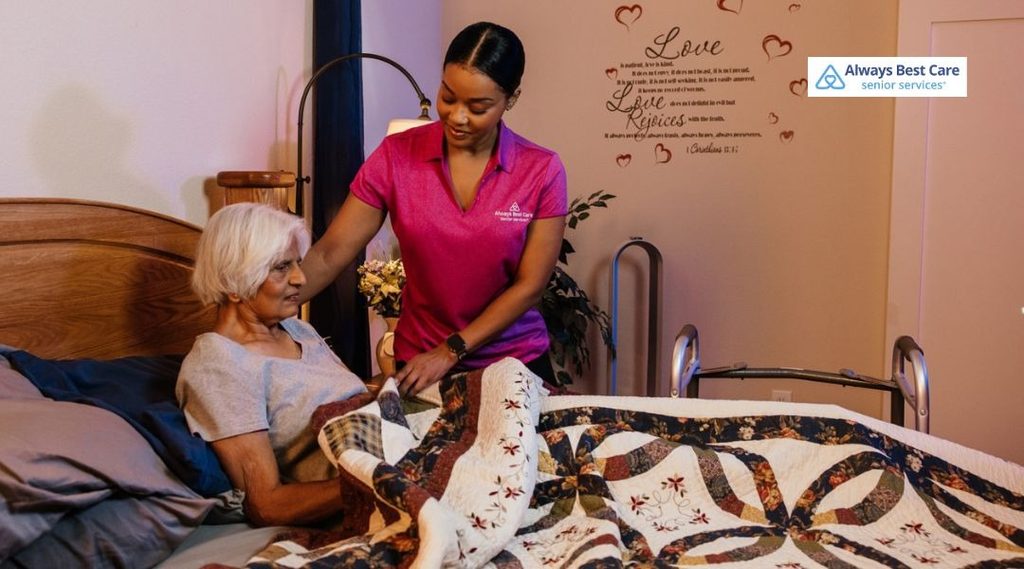
Always Best Care San Antonio provides compassionate in-home personal care and companion care designed around each senior’s needs and routine. Caregivers can assist with mobility, bathing, dressing, medication reminders, light housekeeping, errands, and daily support in familiar surroundings.
For someone undergoing breast cancer treatment, that support may mean help preparing a light meal after chemotherapy, assistance with dressing following surgery, a ride-related routine before an appointment, or companionship during a tough afternoon. Care needs can shift during treatment, and a flexible plan can help families adapt without missing a beat.
Frequently Asked Questions
Q: How can home care help someone receiving breast cancer treatment?
A: Non-medical in-home care can assist with personal care, mobility, meal preparation, medication reminders, companionship, errands, light housekeeping, and respite for family caregivers. It supports daily comfort while the oncology team manages medical treatment.
Q: What breast cancer treatment side effects can be managed at home?
A: Fatigue, appetite changes, nausea, difficulty completing daily tasks, mobility challenges, sleep disruptions, and emotional isolation can often be supported at home. Medical providers should evaluate any new, severe, or worsening symptoms.
Q: Can a caregiver help after breast cancer surgery?
A: Yes. A caregiver can assist with bathing, dressing, safe movement, meal preparation, light household tasks, and companionship during recovery. The caregiver should follow the client’s physician-directed limits and care instructions.
Q: When should a person call their cancer care team?
A: Call the oncology team for concerning or worsening symptoms, including fever according to the care team’s guidance, persistent vomiting, dehydration concerns, new infection symptoms, uncontrolled pain, sudden breathing problems, or medication-related concerns.
Brighter Days Begin With Support at Home
Managing breast cancer treatment side effects at home in San Antonio can feel more manageable with a steady routine, clear communication with medical providers, and the right support nearby. From conserving energy and preparing nourishing meals to easing isolation and supporting recovery, compassionate home care can help seniors and families take each day as it comes, one small, meaningful step at a time.
Reach out to Always Best Care San Antonio at (210) 940-1087 today to learn how personalized in-home care can support your loved one through breast cancer treatment and recovery.
Link to the Markdown File version of the article