

Senior Scams in San Antonio, TX: How to Spot the Red Flags and Protect Your Loved One
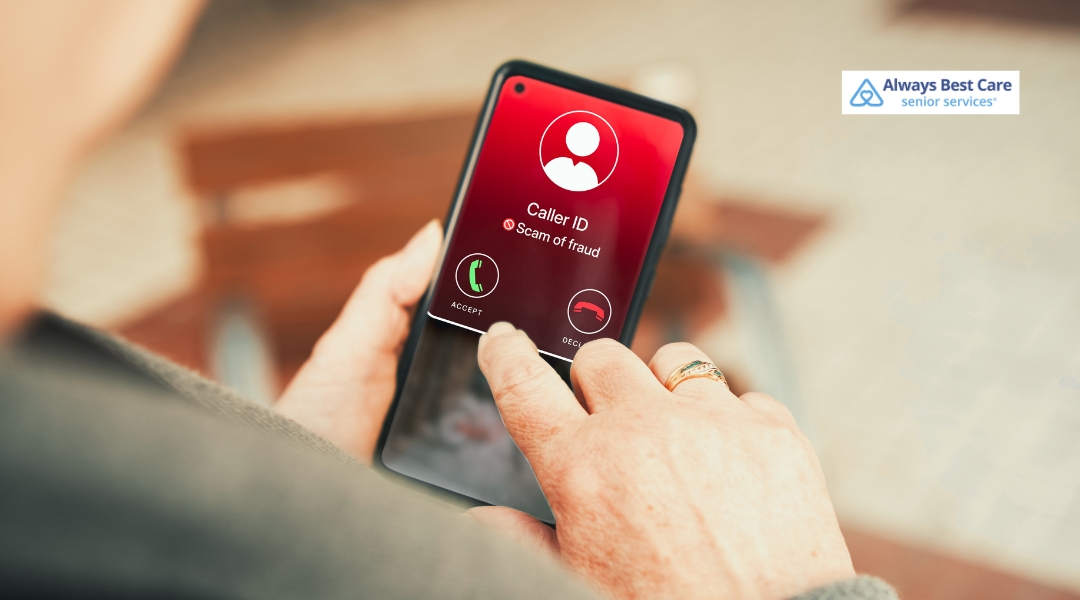
Senior scams in San Antonio, TX are sneaky, fast-moving, and often downright convincing. Families here have to stay alert because scammers know exactly how to stir up fear, create urgency, and pressure older adults into making quick decisions before they have time to stop and think.
That’s what makes these scams so troubling for the people we love. The good news is that when we understand how these schemes work and learn the warning signs to watch for, we can do so much more to help protect seniors, support safer choices, and bring a little more peace of mind to everyday life.
What you will learn:
- Why scammers so often target older adults, and the everyday factors that can make seniors more vulnerable.
- The most common senior scams in San Antonio, TX, and the key red flags that something isn’t right.
- Simple, caring habits families can use to help loved ones pause, double-check, and stay safer from fraud.
- How in-home caregivers can provide extra companionship, awareness, and support to help prevent scams.
Table of Contents
Why Senior Scams Work So Well
Scammers often target older adults because they may seem more trusting, have savings, or simply prefer a friendly voice on the phone. They may also live alone or feel less comfortable with online tools, which gives fraudsters an opening.
Senior Scams in San Antonio, TX: Common Tricks to Watch For
Phone Scams
A caller may pretend to be from a bank, utility company, or even a relative in trouble. The trick is usually the same: create panic, then ask for money right away.
Email and Text Scams
Fake emails and text messages can look official at first glance. However, one bad click can lead to a phony site built to steal personal information.
Prize and Lottery Scams
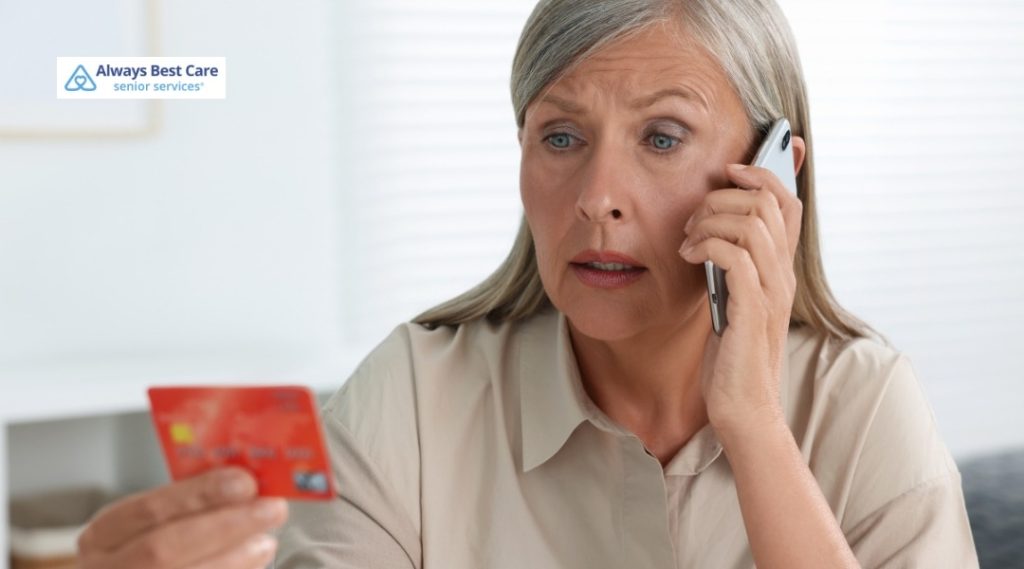
“Congratulations, you won!” sounds exciting, but there’s often a catch. If someone says a fee, tax, or processing charge is needed before you can collect a prize, that’s a major red flag.
Romance Scams
These scams play on trust and emotion. A scammer may build a relationship online, then suddenly hit up the victim for money because of an “emergency.”
Tech Support Scams
A pop-up or phone call may claim a device has a serious problem. Then, the scammer pushes for remote access or payment for fake repairs.
Warning Signs That Something’s Off
Watch closely for these clues:
- Urgent requests for payment
- Pressure to act right now
- Demands for gift cards, wire transfers, or cryptocurrency
- Requests for personal or banking details
- Secretive behavior, like being told not to tell family
- Fear-based messages that feel too dramatic
If something smells fishy, pause and verify before doing anything.

How Families Can Help Protect Loved Ones
Open conversations go a long way. A little regular check-in can save a lot of heartache later.
Smart Habits That Help
- Talk about common scam tactics
- Encourage a quick second opinion before sending money
- Review bank statements for odd activity
- Set up call blocking and spam filters
- Make it normal to ask, “Does this sound right?”
The Role of In-Home Care in Senior Scams in San Antonio, TX
A trusted caregiver can be an extra set of eyes and ears. At Always Best Care of San Antonio, TX, we help support safe routines, notice unusual changes, and keep communication flowing.
We can help by:
- Screening suspicious calls or unexpected visitors
- Noticing sudden financial worries or behavior changes
- Offering companionship that lowers isolation
- Encouraging loved ones to check in with family before making decisions
After all, scammers often go after people who feel alone, and that’s where steady support can make a real difference.

What To Do If You Suspect a Scam
Act fast if you think something’s wrong.
- Contact the bank or financial institution right away
- Report the incident to local authorities or adult protective services
- Watch accounts for more suspicious activity
- Offer calm reassurance instead of blame
Many people feel embarrassed after being targeted, so kindness matters. A supportive response can make it easier for them to speak up next time.
Frequently Asked Questions
Q: What is the most common type of senior scam?
A: Phone scams are among the most common because scammers can quickly create urgency and pressure.
Q: How do I know if a message is fake?
A: Look for spelling errors, urgent demands, unfamiliar links, or requests for private information.
Q: Should my loved one send money if the caller sounds official?
A: No. Official-sounding callers can still be scammers. It’s best to verify the request through a trusted number.
Q: Can in-home care help prevent scams?
A: Yes. A caregiver can notice warning signs, encourage safe choices, and help reduce isolation.

Staying One Step Ahead in San Antonio
Senior scams in San Antonio, TX can feel overwhelming, but awareness gives families a strong defense. With honest conversations, a few smart safeguards, and dependable support from Always Best Care of San Antonio, we can help protect the people we love and keep them safer at home.
If your loved one could use extra support, compassionate companionship, and a little added peace of mind at home, reach out to Always Best Care of San Antonio, TX at (210) 772-2277 to schedule a care consultation and learn how their team can help your family stay safer and more supported.
Link to the Markdown File version of the article