Does Osteoporosis Have Symptoms? What Seattle Seniors and Families Should Know
In a vibrant city like Seattle, many older adults want to keep walking the hills, tending gardens, and enjoying the waterfront. But if bones are quietly weakening behind the scenes, one small fall can suddenly lead to a big fracture—and a long recovery.
Osteoporosis doesn’t always cause clear symptoms early on, which is why it’s so often missed until something breaks. Still, there are patterns and warning signs that Seattle seniors and their families can watch for, long before a serious injury happens.
Table of Contents
Does Osteoporosis Have Symptoms at All?
Here’s the tough part: osteoporosis itself usually doesn’t cause pain or discomfort as bones slowly lose density. That’s why it’s called a “silent disease.” Many people feel completely fine until they experience a fracture.
However, the results of osteoporosis can create symptoms over time, especially in the spine and hips. Understanding these signs can help families ask better questions at checkups and push for testing when it really matters.
Subtle Warning Signs Families Might Notice
While osteoporosis doesn’t always announce itself loudly, it sometimes sends quiet signals that something’s not right. Watch for:
Noticeable Height Loss
Losing a tiny bit of height over many years is common with aging. But if a senior seems to have “shrunk” more quickly—pants get too long, they no longer reach shelves they used to, or they look shorter in recent photos—this could point to small spinal fractures from osteoporosis.
A Stooped or Rounded Upper Back
A pronounced rounding or “hunched” look in the upper back (sometimes called a dowager’s hump) can be caused by weakened vertebrae collapsing slightly. This change can affect balance, breathing, and comfort, and is often linked to long-standing osteoporosis.
Sudden, Unexplained Back Pain
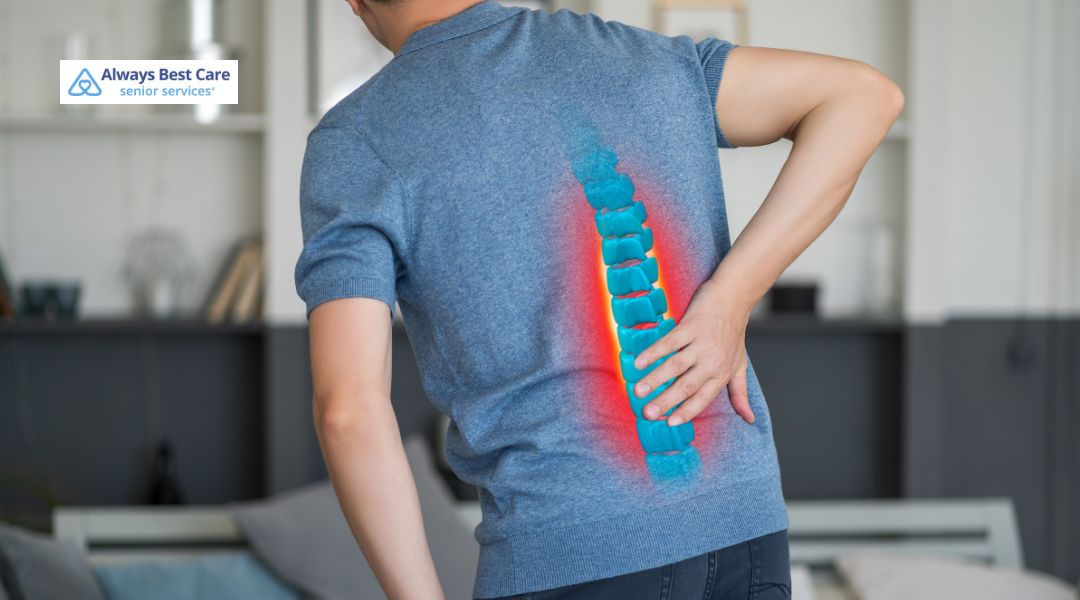
Sharp, sudden back pain that doesn’t match any clear injury—like lifting something very heavy—may be caused by a compression fracture in the spine. Even bending, coughing, or a minor twist can sometimes trigger a fracture when bones are fragile.
Fractures From Very Minor Falls or Strain
One of the biggest clues is a fracture that seems out of proportion to the incident that caused it. Examples include:
- A wrist fracture from a simple trip on level ground
- A hip fracture from a low-energy fall in the home
- A rib fracture from a strong cough, sneeze, or gentle bump
If bones break from events that wouldn’t normally cause serious injury, it’s time to bring up osteoporosis directly with a healthcare provider.

Who’s at Higher Risk in Seattle?
Not every older adult faces the same risk. Families should be especially alert if a loved one:
- Is a woman over 65 or a man over 70
- Has a family history of osteoporosis or hip fractures
- Has a small or thin frame
- Has had long-term use of certain medications, like steroids
- Lives with conditions that affect hormones, digestion, or the absorption of nutrients
- Smokes or used to smoke heavily
- Drinks alcohol heavily or frequently
- Gets little calcium, vitamin D, or weight-bearing activity
In Seattle, where gray skies can limit sun exposure (and therefore vitamin D) for much of the year, paying attention to bone health and supplements is especially important.
How Osteoporosis Is Usually Detected
Because symptoms are often subtle or absent, osteoporosis is most reliably found through testing rather than by waiting for obvious signs.
A bone density scan (DEXA scan):
- Measures how dense and strong bones are
- Is painless and non-invasive
- Helps doctors estimate fracture risk and decide on treatment
For seniors with risk factors, prior fractures, or the subtle signs described above, asking about a bone density test is a key step in staying ahead of the disease.
Everyday Steps to Support Bone Health in Seattle Seniors
Even if osteoporosis is already present—or likely—there are practical steps that can help protect bone strength and reduce fracture risk. These often include:
- Eating calcium-rich foods (dairy, fortified plant milks, leafy greens, canned fish with bones)
- Getting enough vitamin D through diet, supplements if recommended, and safe sun exposure
- Doing weight-bearing exercises, such as walking, light strength training, or low-impact classes
- Avoiding smoking and cutting back on excessive alcohol
- Building balance and leg strength to reduce the chance of falls
These habits don’t cure osteoporosis, but they can slow bone loss and support safer movement.
Making Home Safer for Fragile Bones
Because fractures often happen during falls, preventing falls is just as important as protecting bone density. Seattle homes can be made safer by:
- Clearing clutter and cords from walkways
- Removing or securing loose rugs
- Adding grab bars in bathrooms and railings on stairs
- Improving lighting in halls, entryways, and bathrooms
- Choosing sturdy, non-slip footwear over socks or slippery slippers
These changes protect any older adult—but are especially critical for someone who may have osteoporosis, diagnosed or suspected.
Talking With Doctors About “Silent” Symptoms
It’s easy to feel unsure about bringing up vague concerns—“shrinking,” posture changes, or odd back pain. Don’t talk yourself out of it. It’s perfectly reasonable to say something like:
- “I’ve noticed Mom seems quite a bit shorter than a few years ago.”
- “Dad’s upper back is much more rounded, and he complains of back pain.”
- “That hip fracture from a small fall worries us. Could this be osteoporosis?”
These comments give providers important context and may push osteoporosis testing and treatment higher on the priority list.

FAQs: Osteoporosis Symptoms in Seattle Seniors
Q: Does osteoporosis always cause pain?
A: No. Many people with osteoporosis have no pain at all until a fracture occurs. Pain usually comes from broken or compressed bones, not from the thinning bone itself.
Q: What’s the biggest sign that osteoporosis might already be present?
A: A fracture from a minor fall or routine activity—like a hip, wrist, or spine fracture—is one of the strongest clues. Rapid height loss, stooped posture, and unexplained back pain can also be warning signs.
Q: Is it possible to have osteoporosis and feel completely normal?
A: Yes. That’s very common. Many people feel fine until a scan reveals low bone density or a fracture brings the problem to light.
Q: How can Seattle seniors know if they should get a bone density test?
A: Seniors with risk factors, prior low-impact fractures, or clear height/posture changes should talk to their healthcare provider about a bone density scan. Age alone can be enough reason in many cases.
Q: Can lifestyle changes help if osteoporosis is already diagnosed?
A: Yes. While medicine may be recommended, lifestyle changes—like safer movement, better nutrition, and fall prevention—still play a big role in protecting against future fractures.

Don’t Wait for a Break to Ask About Bones
Osteoporosis may not shout, but it does whisper—through height loss, posture changes, sudden back pain, and fractures from minor falls. For Seattle seniors and their families, paying attention to these quiet signals is far better than waiting for a serious injury to force the issue.
By recognizing risk factors, asking about bone density testing, and making everyday choices that support strong bones and fewer falls, families can turn a “silent disease” into a clearly addressed concern—and give their loved ones a better chance at staying steady, active, and independent for years to come.
Contact Always Best Care of Seattle at (206) 922-3795 to learn more and schedule your free consultation.
Link to the markdown version of this blog.