
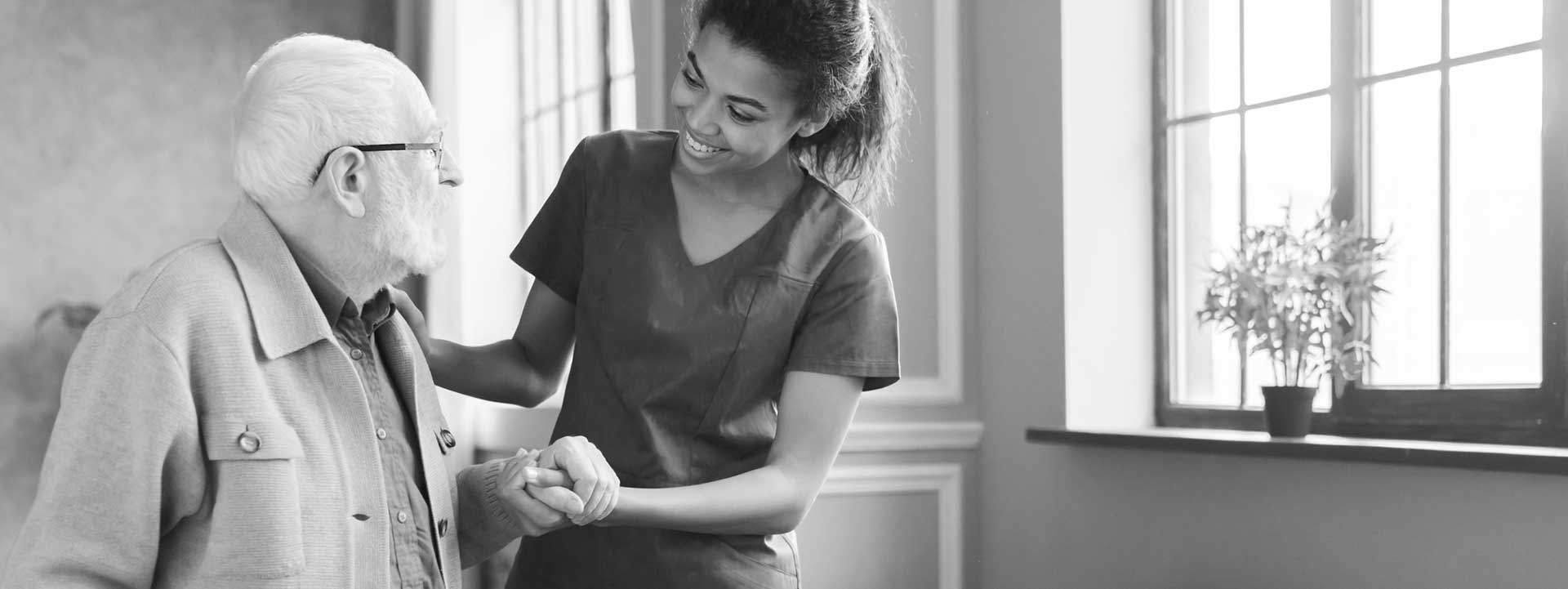
Elder Abuse Prevention in Seattle: Protecting Seniors and Promoting Safe Care
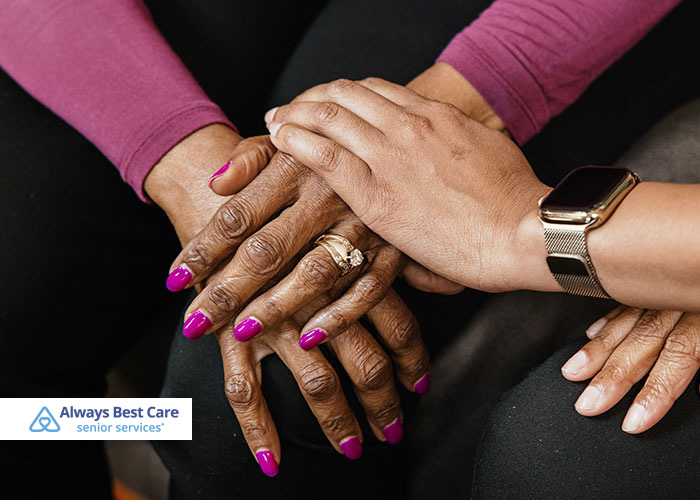
No older adult should feel scared, disrespected, or ignored in the place they call home. Yet elder abuse is quietly impacting seniors every single day—sometimes right under our noses. It can happen behind closed doors in a private house, in a care setting, or even in a long‑trusted relationship. That’s why families in Seattle can’t afford to shrug it off or assume “it could never happen to us.”
By learning the signs, asking the hard questions, and staying closely involved, families can step in early and help protect the people who once protected them.
What You Will Learn:
- What elder abuse is and the different forms it can take.
- Key warning signs families should never ignore.
- Risk factors that increase vulnerability in seniors.
- Practical steps to prevent abuse and ensure safe care at home.

Table of Contents
What Is Elder Abuse?
Elder abuse happens when an older adult is harmed—or put at serious risk of harm—by someone they rely on for care or support. Sometimes that harm is intentional; sometimes it comes from neglect, overwhelm, or poor judgment. Either way, the impact on a senior’s safety, health, and dignity can be huge.
Common types of elder abuse include:
- Physical abuse – hitting, pushing, rough handling, or improper restraints
- Emotional abuse – yelling, threats, humiliation, name‑calling, or isolating a senior from others
- Financial exploitation – misuse of money, pressure to sign documents, or unexplained withdrawals
- Neglect – not providing food, hygiene, medication, or medical care
- Abandonment – leaving a senior alone without the help they clearly need
Once we recognize that abuse can show up in many shapes and sizes, we’re already one step closer to preventing it.

Warning Signs Families Shouldn’t Ignore
Elder abuse rarely starts with something obvious. It often creeps in slowly, hidden behind excuses, rushed explanations, and “I’m fine” smiles. Still, there are red flags we can watch for.
Possible warning signs include:
- Unexplained bruises, cuts, sprains, or frequent falls
- Sudden changes in mood or personality, such as anxiety, depression, or withdrawal
- Poor hygiene, dirty clothing, bed sores, or an unkempt home
- Missing money, unpaid bills, or unusual bank activity
- A senior who seems afraid, nervous, or very guarded around certain people
- Noticeable changes in eating, sleeping, or communication patterns
If your gut tells you something’s off, don’t brush it aside. Ask questions. Compare stories. Take notes. It’s much better to overreact than to stay quiet while harm continues.
Risk Factors That Can Increase Vulnerability
Some situations make seniors more likely to experience abuse, even in families that truly care. Knowing those risk factors helps us step in before things spiral.
Common risk factors include:
- Social isolation – few visitors, limited contact with neighbors or friends
- Cognitive changes – dementia, memory loss, or confusion
- Physical limitations – needing help to bathe, dress, move, or manage medications
- Money stress – financial dependence on others or lack of oversight
- Caregiver strain – one person trying to do everything, feeling exhausted or overwhelmed
By easing isolation, sharing caregiving duties, and checking in on finances and care routines, families can reduce risk and keep seniors safer.
Practical Steps Families Can Take to Prevent Elder Abuse
Elder abuse prevention isn’t about fancy programs; it’s about staying present, paying attention, and creating a culture of respect. Here are some straightforward ways families can help:
- Stay involved in your loved one’s daily life—visit, call, send messages, and notice changes.
- Ask open questions, like “How are things going with your caregiver?” instead of “Everything’s good, right?”
- Keep an eye on finances, including bank statements, bills, and legal documents.
- Build a care team, not a care hero—share the load among family, friends, and trusted professionals.
- Encourage social connection, such as senior centers, faith communities, clubs, or neighborly visits.
- Address caregiver burnout early, offering breaks, respite care, and emotional support.
Transparency is key. When everyone involved knows that others are checking in and paying attention, it’s much harder for abuse to take root.
The Role of Professional In-Home Care in Seattle
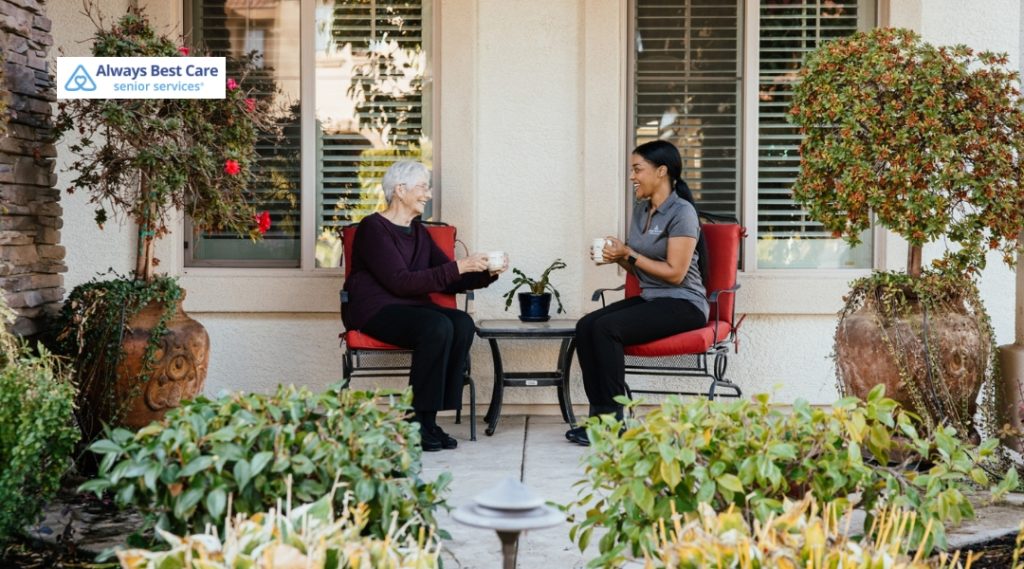
High‑quality in-home care can play a big part in elder abuse prevention. Trusted caregivers offer more than help with meals or bathing—they bring extra eyes, ears, and heart into the picture.
At Always Best Care of Seattle, we take that responsibility seriously. We carefully screen and train our caregivers to support seniors with compassion, patience, and respect. We focus on:
- Safe assistance with daily tasks like mobility, bathing, and dressing
- Kind conversation and companionship to ease loneliness
- Careful attention to changes in health, mood, or behavior
- Open communication with families, so concerns are shared early
By working together with families, we help create a home environment where seniors feel heard, valued, and secure.
What Should You Do If You Suspect Elder Abuse?
Feeling that something isn’t right can be frightening—but staying silent is far more risky. If you suspect a loved one may be experiencing abuse, consider these steps:
- Talk privately with your loved one. Choose a quiet, safe place. Ask gentle, direct questions and listen without judgment.
- Document what you see. Write down dates, descriptions of injuries or concerns, and anything your loved one tells you.
- Speak with trusted professionals. Reach out to healthcare providers, social workers, or senior care specialists for guidance.
- Contact local adult protective services to report suspected abuse and ask about next steps.
- Call law enforcement immediately if you believe your loved one is in urgent danger.
Taking action may feel uncomfortable, but it can stop further harm and open the door to safer, more respectful care.
How We at Always Best Care of Seattle Support Safer Care
We know that choosing care for a loved one can tie your stomach in knots. At Always Best Care of Seattle, we work side by side with families to support elder abuse prevention and promote dignity at home.
We:
- Treat every senior with kindness, patience, and respect
- Encourage open communication between caregivers, families, and seniors
- Watch for changes that might signal stress, neglect, or other concerns
- Support families with honest feedback and helpful suggestions
We’re here to walk through the hard questions with you, not just check tasks off a list.
FAQs About Elder Abuse Prevention in Seattle
Q: What are the earliest signs of elder abuse?
A: Early signs can look small: mood changes, nervousness around a caregiver, new bruises, or skipped medications. Pay attention to patterns, not just single moments.
Q: Is elder abuse only physical?
A: No. Elder abuse also includes emotional harm, financial exploitation, neglect, and abandonment. Any action—or lack of action—that harms a senior can be abusive.
Q: How can families in Seattle reduce the risk of elder abuse?
A: Stay involved, reduce isolation, share caregiving duties, watch finances, and partner with trusted care providers who value safety and respect.
Q: Can professional caregivers help prevent abuse?
A: Yes, high‑quality in-home care can reduce stress on family caregivers, increase oversight, and provide another layer of support and accountability.
Q: How can Always Best Care of Seattle help my family?
A: We offer compassionate in-home care, careful caregiver screening, and ongoing communication with families. We focus on safety, respect, and helping seniors keep their dignity at home.
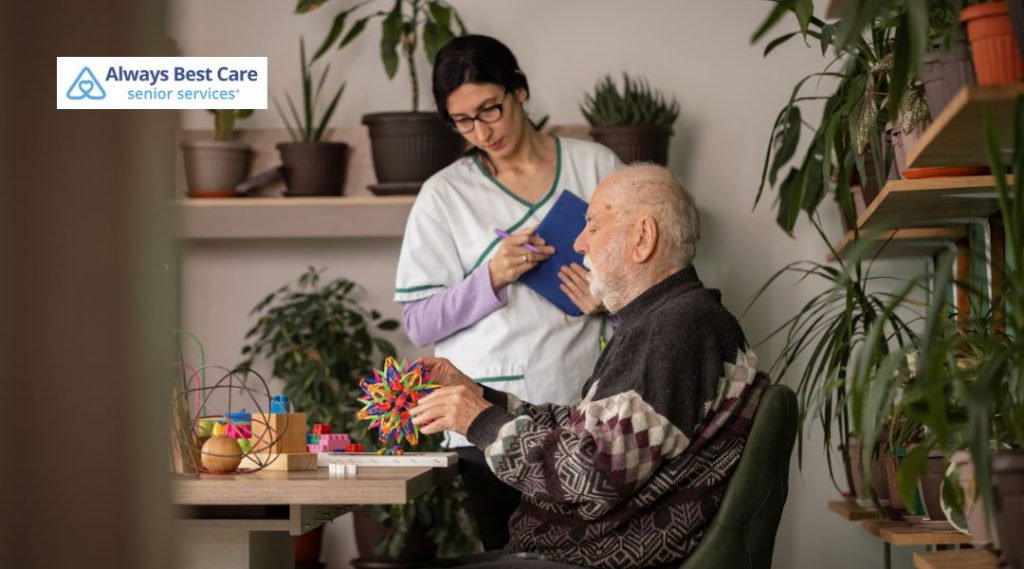
Protect Your Loved One With Safe, Compassionate Home Care
Elder abuse prevention isn’t just a policy topic—it’s personal. It’s about our parents, grandparents, neighbors, and friends here in Seattle. By staying alert to warning signs, understanding risk factors, and taking action early, families can make a powerful difference.
At Always Best Care of Seattle, we stand with families who want safe, respectful care for the seniors they love. If you’d like to talk about how we can support your family, we’re ready to help you build a safer, more hopeful path forward. Contact Always Best Care of Seattle at (206) 922-3795
to learn more and schedule your free consultation.
Link to the markdown version of this blog.