What Skilled Nurses Do for Wound Care That Families in Seattle, WA Can’t
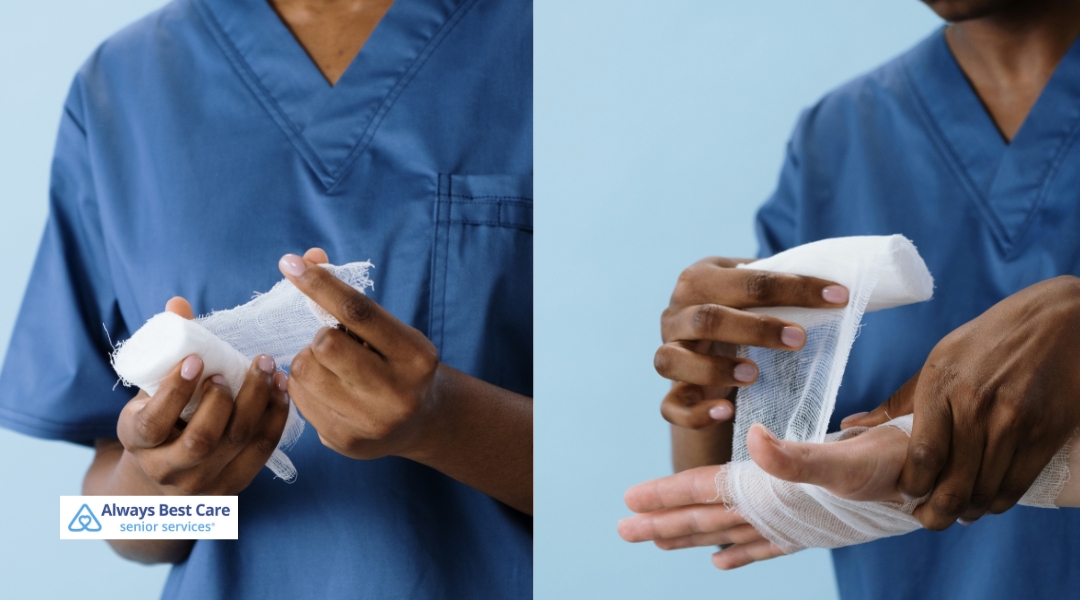
Healing from a wound at home sounds straightforward — until it isn’t. For older adults, even a small cut or skin tear can turn into a serious medical issue if it isn’t managed properly. Slower healing, chronic conditions, and age-related skin changes all raise the stakes. Knowing when to handle wound care at home and when to bring in a skilled nurse can make the difference between a smooth recovery and a preventable complication.
This guide is designed to help Seattle families understand the signs, the options, and the support available — so your loved one can heal safely and comfortably at home.
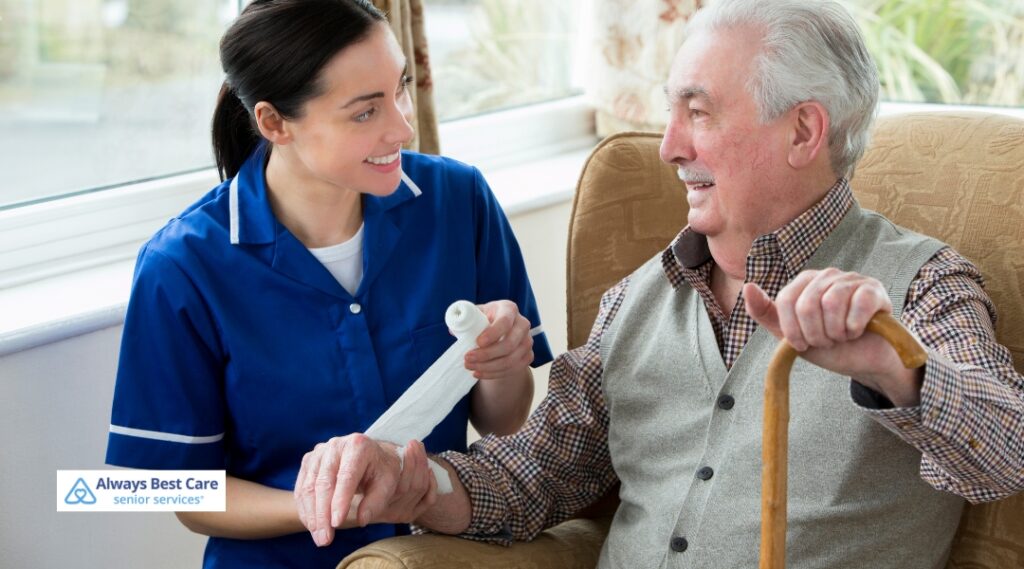
Table of Contents
What You Will Learn
- Why wounds can be more complex for older adults because of fragile skin, reduced circulation, diabetes, peripheral artery disease, heart or kidney conditions, reduced mobility, medication effects, nutrition, hydration, and changes in immune response.
- Which wound types may require prompt clinical assessment or physician-directed skilled nursing, including surgical wounds, pressure injuries, diabetic foot ulcers, venous or arterial leg ulcers, burns, skin tears that reopen, infected wounds, and wounds that are not improving.
- Which warning signs should prompt a call to a healthcare provider, including increasing redness, warmth, swelling, worsening pain, pus-like or foul-smelling drainage, wound separation, darkening tissue, fever, chills, new confusion, or a sudden decline in overall condition.
How Aging Changes the Way Wounds Heal
Skin naturally becomes thinner and more fragile with age. The outer layer loses elasticity, blood flow to the skin decreases, and the immune response slows down — all of which affect how quickly and effectively the body repairs itself.
Beyond the skin itself, several common health conditions can further complicate healing:
- Diabetes can reduce circulation and nerve sensitivity, making it harder to detect and treat wounds early
- Peripheral artery disease limits blood flow to the extremities, slowing tissue repair
- Heart failure or kidney disease can cause fluid retention that interferes with wound closure
- Immunosuppressive medications (such as steroids or chemotherapy) reduce the body’s ability to fight infection
- Malnutrition or dehydration deprive the body of the protein, vitamins, and fluids needed for tissue regeneration
For Seattle seniors managing one or more of these conditions, even a minor wound deserves careful attention.
Types of Wounds That Often Require Skilled Nursing
Not every wound needs a nurse, but certain types carry a higher risk of complications and benefit from professional oversight.
Skilled wound care is commonly recommended for:
- Surgical incisions — especially after orthopedic, cardiac, or abdominal procedures
- Pressure injuries (bedsores) — particularly Stage 2 and above, which involve broken skin or deeper tissue damage
- Diabetic foot ulcers — a leading cause of hospitalization and amputation when left untreated
- Venous or arterial leg ulcers — chronic wounds caused by poor circulation that require specialized dressing and compression management
- Skin tears — common in older adults with fragile skin, especially those on blood thinners
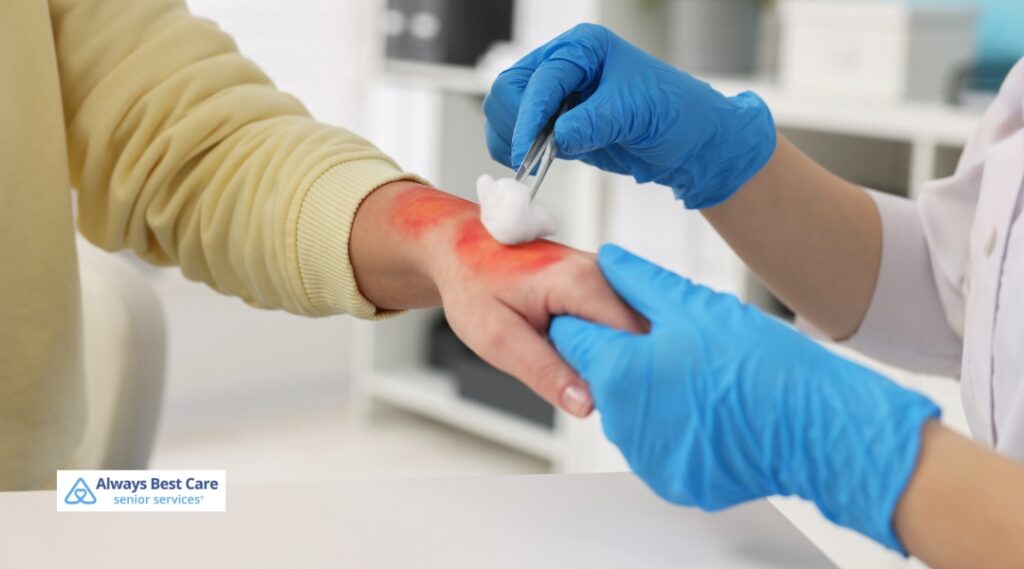
- Burns — even moderate burns require careful monitoring to prevent infection and scarring
- Non-healing wounds — any wound that shows no improvement after two to four weeks warrants professional evaluation
A physician or wound care specialist will determine the appropriate level of care and provide a treatment plan for the home health nurse to follow.
Warning Signs That a Wound Needs Medical Attention
Families providing at-home wound care should monitor closely for signs that something is wrong. Seek medical attention if you notice:
- Increasing redness, warmth, or swelling around the wound site
- Purulent (pus-like) or foul-smelling drainage
- Wound edges that are separating rather than closing
- Darkening or blackening of tissue, which may indicate necrosis
- Fever above 100.4°F, chills, or sudden confusion — these can signal a systemic infection
- No visible improvement after one to two weeks of consistent care
For seniors with diabetes or compromised circulation, these warning signs can escalate quickly. When in doubt, contact a healthcare provider rather than waiting.
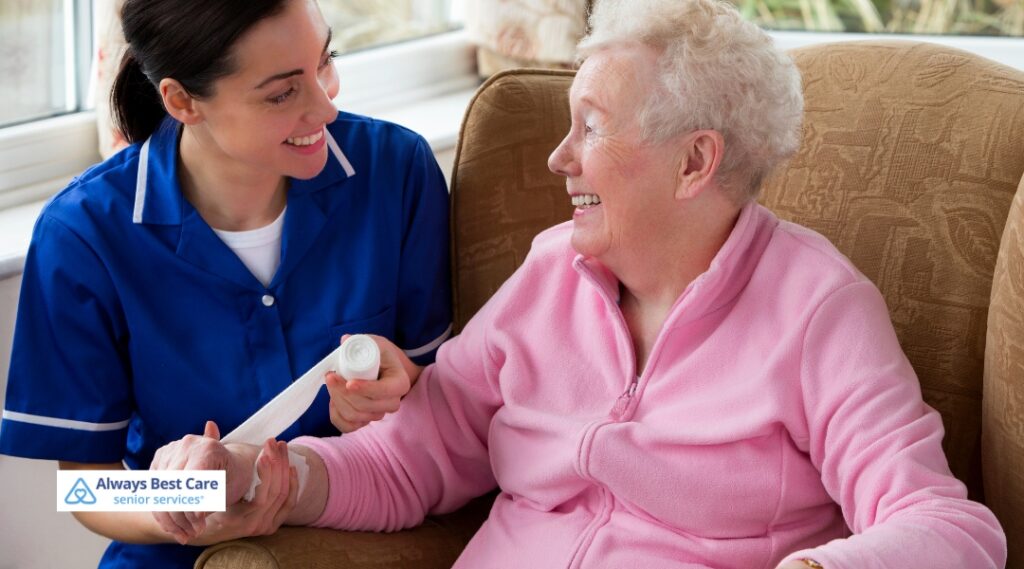
What a Skilled Home Health Nurse Does for Wound Care in Seattle
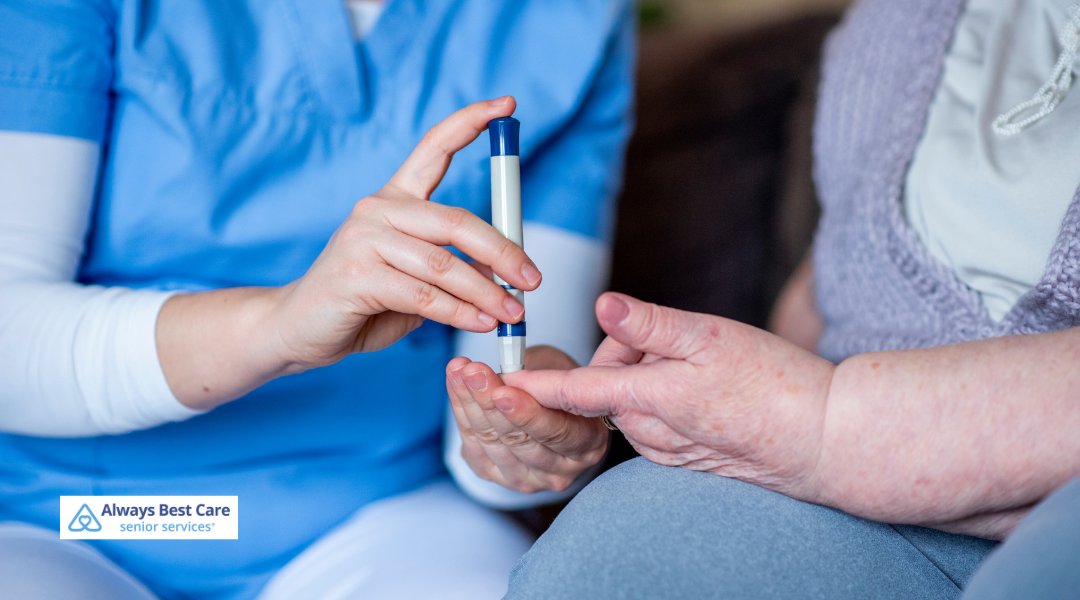
When a physician orders skilled nursing as part of a home health plan, a licensed nurse visits the patient at home to provide clinical wound care. This is not the same as general caregiving — it is medical treatment delivered in a home setting.
Skilled nursing wound care typically includes:
- Conducting a thorough wound assessment and documenting changes over time
- Debriding (removing) dead or damaged tissue when necessary
- Cleaning the wound and applying appropriate medical-grade dressings
- Managing drainage, odor, and moisture balance
- Monitoring for signs of infection or deterioration
- Coordinating with the treating physician and any specialists involved
- Educating the patient and family on proper care between visits
A skilled nurse also serves as an early warning system — catching complications before they require an ER visit or hospitalization. For families in Seattle managing a loved one’s recovery from surgery, a hospital stay, or a chronic condition, this level of professional oversight provides both clinical value and peace of mind.
Preventing Pressure Injuries Before They Start
For seniors with limited mobility, wound prevention is just as important as wound treatment. Pressure injuries develop when sustained pressure cuts off blood flow to the skin — most commonly over bony areas like the heels, hips, tailbone, and elbows.
Preventive strategies recommended by wound care professionals include:
- Repositioning every two hours for bed-bound individuals, or every 15–30 minutes for those in wheelchairs
- Using pressure-redistributing mattresses, overlays, or cushions
- Keeping skin clean, dry, and moisturized — but avoiding excess moisture from incontinence
- Ensuring adequate nutrition, particularly protein and vitamin C intake
- Conducting daily skin checks, especially over high-risk bony prominences
If a caregiver notices early signs of skin breakdown — persistent redness that doesn’t fade when pressure is relieved — a nurse should be contacted promptly.
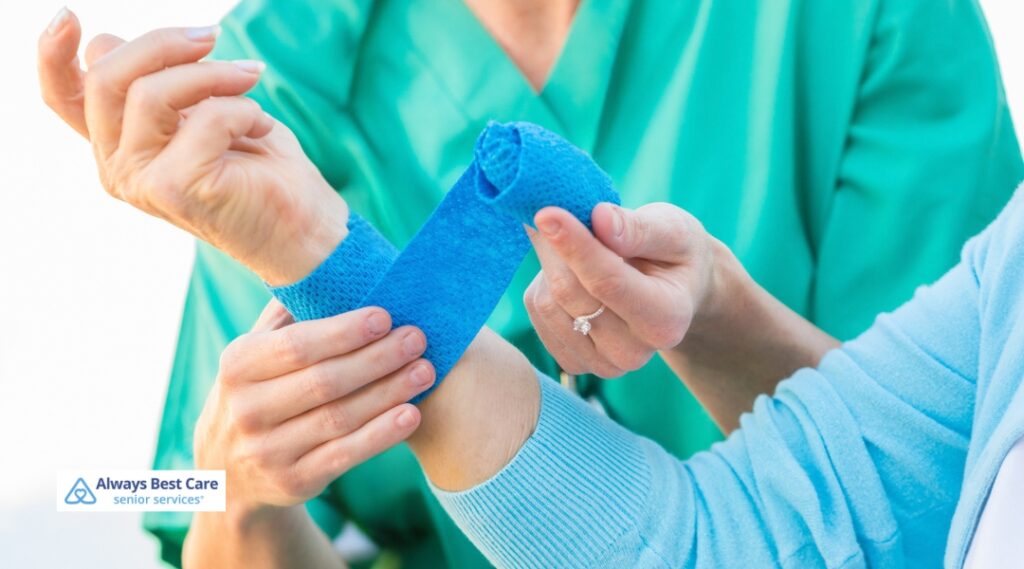
How Skilled Nursing and In-Home Care Work Together
Skilled nursing addresses the clinical side of wound care, but recovery involves more than dressing changes. Many seniors healing at home also need support with daily activities — and that’s where in-home caregivers play a complementary role.
An in-home caregiver can assist with:
- Meal preparation and hydration support (both critical for healing)
- Personal hygiene and bathing without disturbing wound sites
- Mobility assistance to reduce fall risk and pressure injury development
- Medication reminders
- Observing and reporting any changes in the senior’s condition to family or the nursing team
When skilled nursing and in-home care are coordinated effectively, seniors receive both the medical attention and the day-to-day support they need to recover safely — without returning to a facility.
Supporting Safer Healing at Home in Seattle
Complex wound care doesn’t have to fall entirely on families. With the right professional support, most seniors can heal effectively at home — in a familiar environment, surrounded by the people they love.
Always Best Care of Seattle provides services designed to support older adults through recovery and beyond. Depending on your loved one’s needs and what’s available in your area, services may include skilled nursing for medical wound care and in-home caregivers to assist with daily living.
If your loved one is recovering from a wound, surgery, or another medical issue and needs extra support at home, contact Always Best Care of Seattle at (xxx) xxx-xxxx to schedule a care consultation and explore your options.
Frequently Asked Questions
Q: Can Medicare cover skilled nursing for wound care at home?
A: Medicare Part A may cover home health services — including skilled nursing for wound care — if the patient is homebound and the care is ordered by a physician. Coverage is subject to eligibility requirements. Contact your Medicare plan or a home health agency for details specific to your situation.
Q: How often will a skilled nurse visit for wound care?
A: Visit frequency depends on the type and severity of the wound, the physician’s orders, and the patient’s overall condition. Some wounds require daily visits; others may need nursing attention two to three times per week. The schedule is determined by the treating physician and adjusted as healing progresses.
Q: What’s the difference between a home health aide and a skilled nurse?
A: A skilled nurse (RN or LPN) is a licensed medical professional who can assess wounds, perform clinical procedures, and communicate with physicians. A home health aide or in-home caregiver provides non-medical support such as bathing, meal prep, and companionship. Both roles are valuable — but they are not interchangeable.
Q: When should a wound be treated in a clinic or hospital instead of at home?
A: If a wound shows signs of serious infection (spreading redness, fever, significant drainage), involves deep tissue or bone, or is not responding to home-based treatment, an in-person evaluation at a wound care clinic or emergency department may be necessary. A skilled nurse can help determine when escalation is appropriate.
Q: How long does wound healing typically take for seniors?
A: Healing time varies significantly based on wound type, size, location, and the individual’s overall health. Minor skin tears may heal in one to two weeks, while pressure injuries or diabetic ulcers can take months. Consistent skilled care and good nutrition are among the most important factors in speeding recovery.
Sources
- National Pressure Injury Advisory Panel (NPIAP). Prevention and Treatment of Pressure Ulcers/Injuries: Clinical Practice Guideline. https://npiap.com
- American Diabetes Association. Standards of Medical Care in Diabetes — Foot Care. https://diabetes.org
- Centers for Medicare & Medicaid Services. Home Health Services Coverage. https://www.medicare.gov/coverage/home-health-services
- Wound, Ostomy and Continence Nurses Society (WOCN). Guideline for Prevention and Management of Pressure Ulcers. https://www.wocn.org
- MedlinePlus / National Library of Medicine. Aging Changes in Skin. https://medlineplus.gov/ency/article/004014.htm
- Johns Hopkins Medicine. Wound Care: What You Need to Know. https://www.hopkinsmedicine.org
Support Safer Healing at Home
A wound that is worsening, slow to heal, repeatedly reopening, showing signs of infection, or interfering with daily routines can become a serious concern for an older adult. Prompt clinical guidance, a physician-directed care plan, and dependable daily assistance can help families respond early and support a safer recovery at home. Contact Always Best Care of Seattle at (206) 922-3795 to learn more and schedule your free consultation.
Link to the markdown version of this blog.