

Supporting Seattle Veterans With PTSD at Home: Practical Strategies for Families
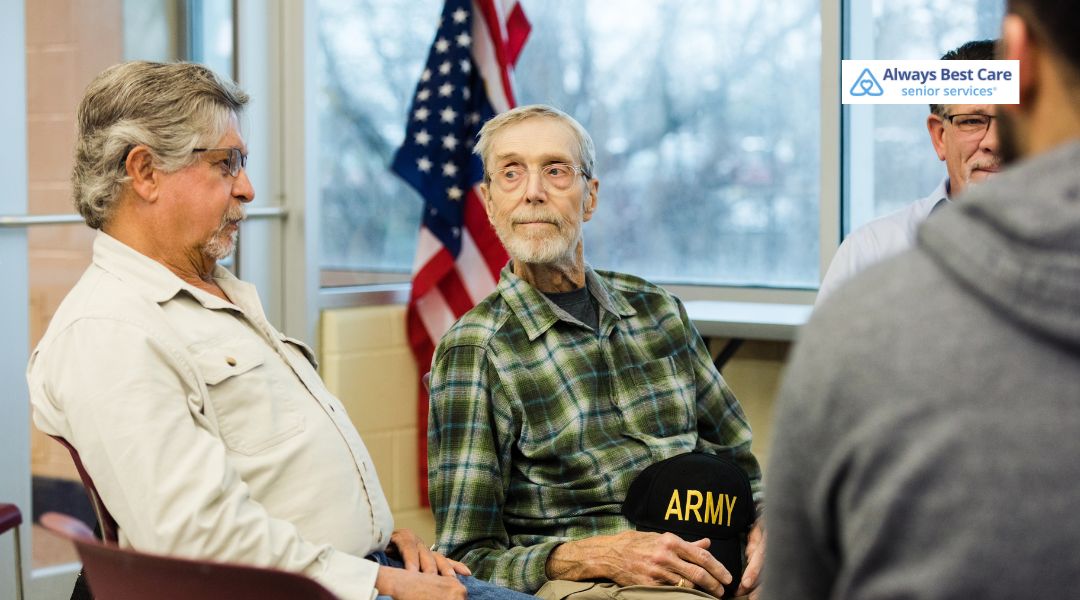
Supporting a Veteran with posttraumatic stress disorder, or PTSD, begins with listening. Every person’s experience is different, and helpful care should reflect their preferences, daily responsibilities, and personal goals.
One Veteran may appreciate assistance preparing meals or getting to appointments. Another may value quiet companionship, help with errands, or more privacy during parts of the day.
For Seattle families, a useful starting question is, “What kind of support would make today easier?”
The VA encourages loved ones to listen, check in regularly, offer practical assistance, and allow the person to share at their own pace. Everyday support can complement professional treatment, but it does not replace it.
Table of Contents
What You Will Learn
- Why a Veteran’s preferences, daily responsibilities, and personal goals should guide home support.
- How non-medical assistance differs from professional PTSD treatment and clinical care.
- Ways to build flexible routines while preserving choice and independence.
Separate Practical Support From PTSD Treatment
Non-medical home care can help with daily activities and household responsibilities. It is not psychotherapy, clinical assessment, or medication management by a licensed prescriber.
A home care arrangement might include assistance with:
- Meal preparation
- Light housekeeping and laundry
- Shopping and errands
- Transportation to appointments
- Personal-care routines
- Medication reminders
- Companionship
- Scheduled breaks for family caregivers
Always Best Care’s Seattle services include these types of practical, non-medical assistance, with support tailored to individual needs and preferences.
Treatment decisions and symptom-management strategies belong with the Veteran and qualified healthcare professionals.
Build Routines Together
A shared routine can help everyone understand what assistance is planned and when it will happen. The important distinction is collaboration: the schedule should support the Veteran’s choices rather than control the day.
Discuss:
- Preferred visit times
- Which tasks should come first
- When quiet time is wanted
- How appointment reminders should be offered
- How much notice is helpful before a change
- Which activities the Veteran wants to continue independently
For example, “Would you prefer help with groceries this morning or tomorrow?” offers a choice while still addressing a practical need.
Treat these arrangements as care-planning tools, not PTSD treatment. If a routine is intended to address a particular symptom, ask the treating professional for guidance.
Agree on Respectful Communication
A Veteran does not need to describe traumatic experiences to receive thoughtful assistance at home.
Ask how they prefer caregivers to communicate. This may include explaining a task before starting, asking permission before providing hands-on help, or avoiding personal questions during a visit.
Helpful phrases include:
- “Would you like help with that?”
- “Is now a good time to talk?”
- “Would you prefer company or some space?”
- “What would you like me to know about your routine?”
The VA advises families to ask whether a loved one wants to discuss treatment and respect the answer. Some people prefer to keep details of their trauma private, and that choice should be honored.
Protect Privacy and Personal Space
Accepting assistance should not mean giving up control over the home.
Before services begin, document preferences such as:
- How the caregiver should announce their arrival
- Whether to knock before entering a room
- Which belongings should remain in place
- Which areas are private
- Who may receive updates, with the Veteran’s permission
- How to request a pause or a change in activity
If treatment involves private reading, writing, or other assignments, make room for that work without expecting the Veteran to share it. VA guidance specifically recommends giving people space to complete treatment assignments privately.
Make Connection Comfortable and Meaningful
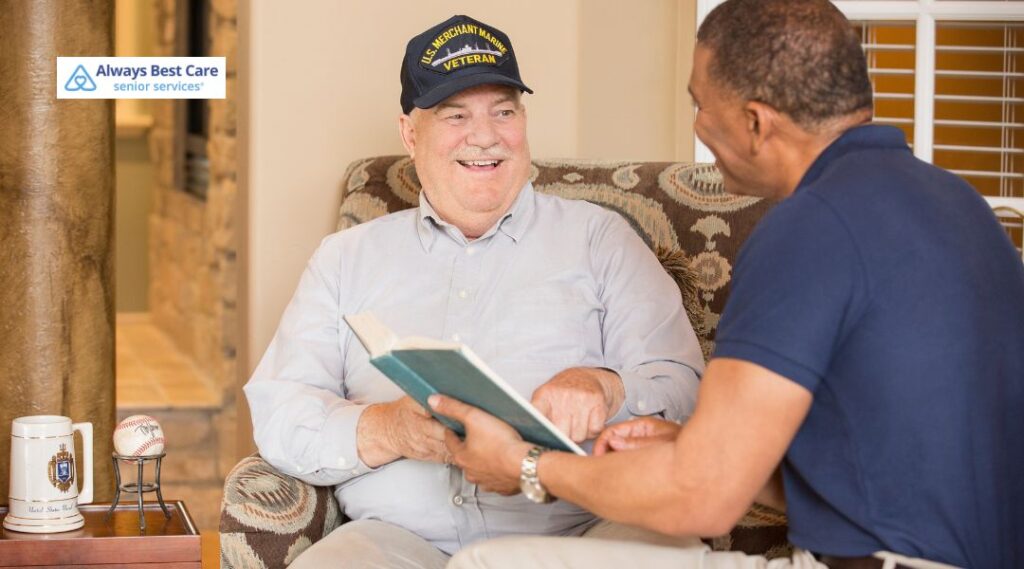
Companionship does not have to involve a busy outing or a long conversation. It can be a shared meal, a favorite program, music, or time spent on a familiar hobby.
Ask what the Veteran enjoys rather than choosing activities solely to keep them occupied.
Options might include:
- Listening to music
- Watching a sporting event
- Preparing a familiar meal
- Calling a trusted friend
- Working on a hobby
- Spending time outdoors when appropriate
- Planning a short visit with someone they choose
The VA encourages enjoyable activities with friends and family as part of supportive involvement. Offer opportunities without turning participation into a test of effort or recovery.
Coordinate With Professional Care
With the Veteran’s permission, relatives can help make treatment easier to access. Practical assistance might include scheduling appointments, arranging transportation, preparing questions, or accompanying the Veteran when invited.
The VA identifies appointment assistance, patience, and continued check-ins as useful ways to support someone during treatment.
Ask the treating professional:
- What support would be useful between appointments?
- Which changes should we report?
- Are there strategies a non-medical caregiver should follow?
- What information may be shared with the home care team?
- What should the family do if symptoms become more difficult?
Family involvement should be discussed with the Veteran rather than assumed. VA clinical education recognizes that including relatives or other support people in treatment may be beneficial, while emphasizing thoughtful decisions about how and when that involvement occurs.
Ask About Caregiver Consistency
If a familiar caregiver is important to the Veteran, discuss that preference before care begins.
Questions for the agency include:
- How are caregivers matched with clients?
- Can the agency aim for consistent assignments?
- How are substitutions communicated?
- How are household preferences documented?
- Who should the family contact if the match is not working?
Consistency can be a scheduling goal, but it should not be assumed to be guaranteed. Ask how the agency handles illness, time off, and other staffing changes.
A clear introduction plan can help a substitute caregiver understand routines without requiring the Veteran to repeat sensitive information.
Share Responsibilities Across the Family
One person should not be expected to handle every appointment, errand, meal, and emotional conversation.
Create a practical list of responsibilities and identify who can reliably help. For example:
- One relative can coordinate transportation.
- Another can handle grocery orders.
- A friend can provide a scheduled social visit.
- A caregiver can assist with agreed-upon daily tasks.
- A family member can maintain the shared calendar.
Be specific about availability. “I can help on Saturday mornings” is easier to plan around than an open-ended promise to be available whenever needed.
The VA emphasizes that family members need support of their own and encourages reaching beyond the immediate household when necessary.

Set Boundaries That Make Support Sustainable
Caregiver boundaries are not a rejection of the Veteran. They clarify what each person can provide while protecting health, work, relationships, and rest.
A family member might say:
- “I can talk now, but I need to leave for work at nine.”
- “I need someone else to cover this appointment.”
- “Let’s return to this conversation when we can both focus.”
- “I want to help, and we need a plan that works for both of us.”
If communication is becoming difficult, consider professional support. The VA notes that family therapy can help household members express their needs, communicate, and cope with challenging emotions.
Identify Resources Before They Are Needed
Families can ask the Veteran’s treatment team about education, caregiver support, and an appropriate plan for difficult moments.
VA’s National Center for PTSD provides information for families and friends, including guidance on supporting treatment and finding help for themselves. Its family resources also identify the Caregiver Support Program as a source of training and tools.
Discuss a crisis plan together when everyone is calm. The plan should explain whom to contact and when emergency help is needed. Home care should not be assumed to provide clinical crisis management or continuous supervision.
How Always Best Care of Seattle Can Help
Always Best Care of Seattle offers personalized non-medical support, including personal care, meal preparation, medication reminders, transportation, light housekeeping, and companionship. Its published services emphasize care shaped around the individual’s daily needs, preferences, and goals.
During a consultation, explain the Veteran’s priorities, communication preferences, privacy boundaries, and practical assistance needs.
Ask about caregiver matching, scheduling, reporting concerns, and service limits. Do not assume that general home care includes specialized PTSD treatment or that VA funding automatically applies.
The goal is to complement the professional care plan while making everyday responsibilities more manageable for the Veteran and family.
FAQ
Q: Can non-medical home care treat PTSD?
A: No. Home care provides practical assistance and companionship. PTSD treatment should be managed by qualified mental health professionals.
Q: Does the Veteran have to discuss their trauma with a caregiver?
A: No. The Veteran decides what to share. Respect for privacy is an important part of support.
Q: How can relatives help with treatment?
A: With permission, offer help scheduling appointments, arranging transportation, preparing questions, or attending visits. Continue checking in without pressuring the person to disclose treatment details.
Q: Can we request a consistent caregiver?
A: Ask how the agency manages regular assignments and substitutions. Discuss this preference before services begin and clarify what can realistically be provided.
Q: What if family caregivers feel overwhelmed?
A: Seek practical help and support for yourself. The VA encourages using family, friends, healthcare professionals, and other resources rather than trying to manage alone.
Q: Does home care automatically qualify for VA payment?
A: No. If VA funding is being explored, confirm the applicable eligibility, authorization, and provider arrangement before assuming coverage.

Build Support Around Respect and Choice
A thoughtful home care plan makes room for the Veteran’s preferences, professional treatment, and the needs of the people providing support.
Contact Always Best Care of Seattle to discuss available in-home assistance that fits your loved one’s daily routines and gives family caregivers practical relief. Contact Always Best Care of Seattle at (206) 922-3795 to learn more and schedule your free consultation.
Link to the markdown version of this blog.