

Why Seattle Seniors Are More Vulnerable to Dehydration
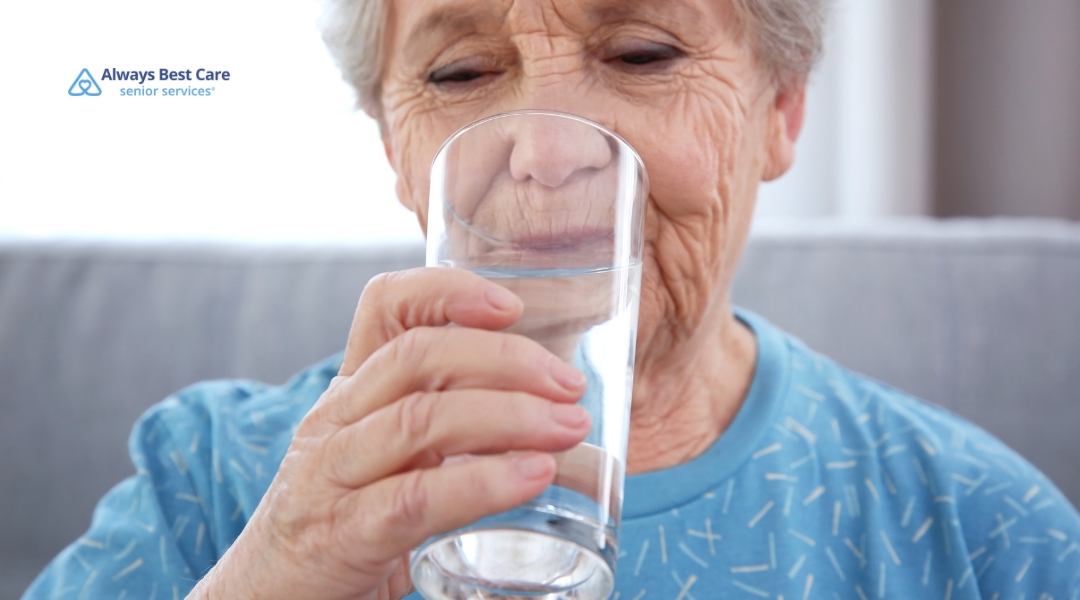
Most people rely on thirst to know when to drink water. But for older adults, that built-in signal often stops working the way it should. Seniors can become significantly dehydrated without ever feeling thirsty — and by the time they notice something is off, their body has already been running low on fluids for hours.
Understanding why this happens, and what to do about it, is one of the simplest ways families can protect a senior’s long-term health.
Table of Contents
What Readers Will Learn
- Why thirst may become a less reliable hydration signal as people age.
- Common signs that may suggest an older adult is becoming dehydrated.
- Practical ways to build steady hydration habits into a senior’s daily routine.
- How water-rich foods, caregiver reminders, and regular observation can support senior well-being at home.

The Aging Body and Thirst: What Changes
The human body is roughly 60% water, and it needs a steady supply to keep organs functioning, regulate temperature, and support brain activity. As people age, several physiological shifts make it harder to maintain that balance.
The hypothalamus — the part of the brain that triggers thirst — becomes less sensitive over time. This means the “drink water” signal arrives late, if at all. At the same time, the kidneys become less efficient at conserving water, so the body loses fluids more quickly than it can replace them.
Other factors that reduce fluid intake in older adults include:
- Medications — Diuretics, antihistamines, and certain blood pressure drugs increase fluid loss
- Reduced mobility — Getting up to pour a glass of water becomes a barrier for some seniors
- Chronic conditions — Diabetes and kidney disease can disrupt the body’s fluid balance
- Bathroom concerns — Fear of incontinence leads some seniors to intentionally drink less
- Decreased appetite — Seniors who eat less also consume fewer water-rich foods
Because these changes are gradual, many seniors and their families don’t realize there’s a problem until dehydration has already taken hold.

Why Dehydration Is More Dangerous for Seniors
Dehydration affects everyone, but the consequences are more severe and faster-moving in older adults. Even mild fluid loss — as little as 1–2% of body weight — can impair cognitive function, reduce physical coordination, and lower blood pressure.
Health risks associated with dehydration in seniors include:
- Fatigue and muscle weakness
- Headaches and difficulty concentrating
- Constipation and digestive discomfort
- Dizziness and increased fall risk
- Urinary tract infections
- Confusion or sudden changes in mood
- Low blood pressure and irregular heart rate
Severe dehydration can result in hospitalization and, in vulnerable individuals, can become life-threatening. What makes this particularly concerning is that many of these symptoms are easy to attribute to other causes — aging, medication side effects, or a “bad day” — which delays appropriate care.

Warning Signs to Watch For
Because seniors may not self-report dehydration, family members and caregivers play a critical role in spotting it early. Watch for these physical and behavioral cues:
- Dry or sticky mouth and cracked lips
- Dark yellow or amber-colored urine
- Infrequent urination (fewer than four times per day)
- Dry, flaky skin that lacks elasticity
- Sudden confusion, irritability, or forgetfulness
- Unusual fatigue or difficulty staying awake
- Dizziness when standing up
If multiple symptoms appear together or worsen quickly, contact a healthcare provider promptly. Early intervention prevents a manageable issue from becoming a medical emergency.
Building a Hydration Routine That Works
Since thirst is unreliable, the most effective strategy is to make hydration a structured habit — something that happens on a schedule, not on demand.
Practical ways to build consistent hydration habits:
- Drink a full glass of water first thing in the morning
- Have a glass of water with every meal and snack
- Keep a filled water bottle visible and within easy reach at all times
- Set phone or watch reminders to drink every one to two hours
- Drink water before going outside, exercising, or traveling
- Choose water or herbal tea over sugary drinks or excessive caffeine
Consistency matters more than quantity at any single moment. Small, regular sips throughout the day are more effective — and easier on the kidneys — than drinking large amounts infrequently.
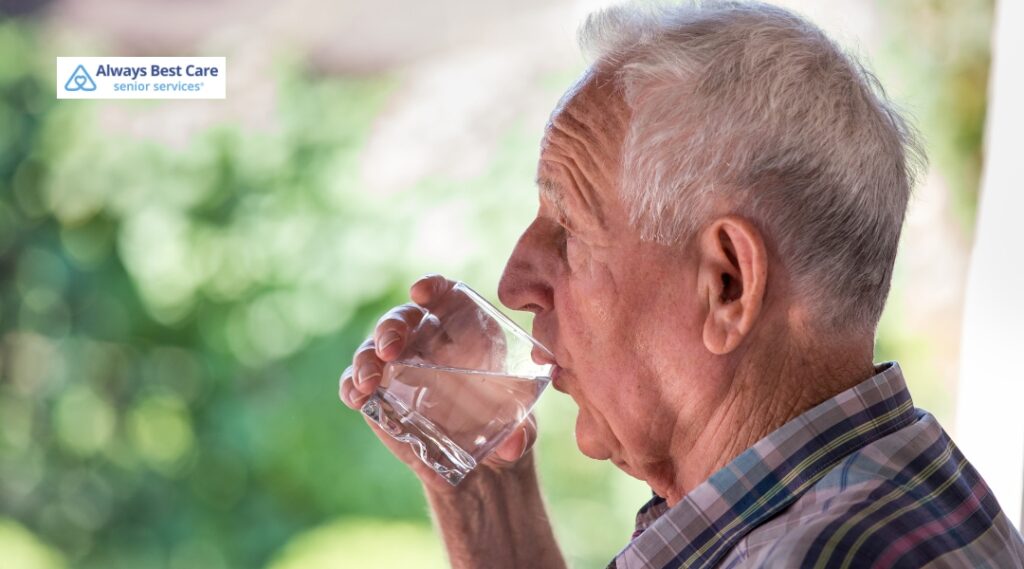
Hydration Goes Beyond Water
Plain water is ideal, but it’s not the only way to stay hydrated. Many everyday foods contribute meaningfully to daily fluid intake, which is especially helpful for seniors who struggle to drink enough on their own.
Hydrating foods and beverages to incorporate regularly:
- Watermelon, cucumbers, and strawberries (90%+ water content)
- Oranges, grapes, and peaches
- Leafy greens like lettuce and spinach
- Broth-based soups and stews
- Herbal teas (caffeine-free)
- Low-fat milk and fortified plant-based milks
- Yogurt and smoothies
Incorporating these into daily meals adds hydration without requiring seniors to drink more glasses of water than feels comfortable.

How Caregivers Make a Difference
For seniors living alone or managing multiple health conditions, maintaining good hydration habits can be genuinely difficult. Caregivers — whether family members or professional home care aides — are in a unique position to help.
Ways caregivers can actively support hydration:
- Offer water, herbal tea, or diluted juice at regular intervals throughout the day
- Prepare meals and snacks that include water-rich fruits and vegetables
- Monitor urine color and frequency as a simple hydration check
- Note any behavioral or cognitive changes that may signal dehydration
- Communicate observations to the senior’s healthcare provider
- Make hydration feel easy and routine rather than a chore
These consistent, low-effort actions can significantly reduce a senior’s risk of dehydration-related complications.
Supporting Healthy Habits Every Day
Dehydration is largely preventable. With the right habits, attentive caregiving, and a little planning, seniors can stay well-hydrated, maintain their energy, and continue living comfortably and independently.
If your loved one needs extra support at home, Always Best Care of Seattle, WA, is here to help. Our caregivers assist with daily routines, nutritious meal preparation, hydration reminders, and health monitoring — all tailored to your loved one’s individual needs.

Frequently Asked Questions
Q: How much water should seniors drink each day?
A: Most older adults need around 6–8 cups (48–64 oz) of fluids per day, though individual needs vary based on health conditions, medications, activity level, and climate. A doctor can provide personalized guidance.
Q: Why don’t seniors feel thirsty even when dehydrated?
A: Aging reduces the sensitivity of the hypothalamus, the brain region responsible for triggering thirst. This means the body’s internal alert system becomes less responsive, so seniors may not feel thirsty until dehydration is already moderate.
Q: Are caffeinated drinks okay for seniors?
A: Moderate caffeine intake is generally fine, but caffeinated beverages like coffee and black tea have a mild diuretic effect. They can count toward daily fluid intake but shouldn’t replace water or caffeine-free options.
Q: What is the easiest way to check if a senior is hydrated?
A: Urine color is one of the simplest indicators. Pale yellow urine typically signals good hydration, while dark yellow or amber urine suggests the senior needs more fluids.
Q: Can dehydration cause confusion in seniors?
A: Yes. Even mild dehydration can impair cognitive function in older adults, leading to confusion, forgetfulness, or sudden changes in mood. These symptoms are sometimes mistaken for dementia or medication side effects, so hydration should always be considered.
Q: How can I help a senior who refuses to drink water?
A: Try offering flavored water, herbal teas, or broths as alternatives. Incorporating hydrating foods into meals is another effective approach. If refusal is persistent, consult a healthcare provider to rule out underlying causes.
Help Your Loved One Stay Hydrated at Home
At Always Best Care of Seattle, we help seniors maintain healthy routines that support hydration, comfort, and overall well-being at home. From meal preparation and hydration reminders to companionship and day-to-day support, our caregivers help make healthy habits easier to maintain.
Contact Always Best Care of Seattle at (206) 922-3795 to learn more and schedule your free consultation.
Link to the markdown version of this blog.