

Senior Scams in Seattle: Warning Signs Every Family Should Know
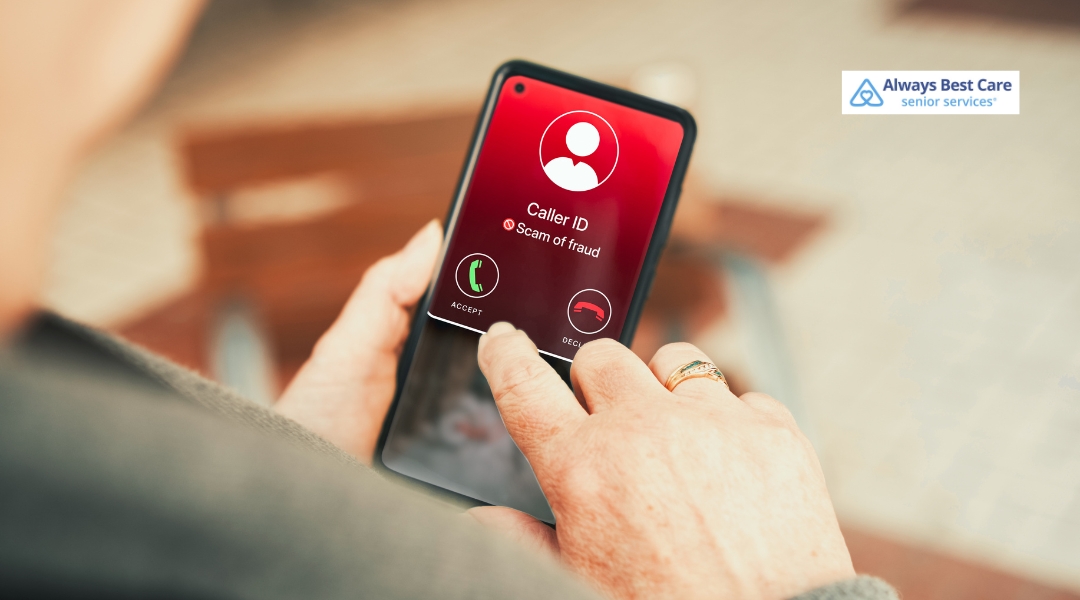
Scammers are getting bolder—and older adults are often squarely in their sights. In Seattle and beyond, many seniors are seen as easy targets because they’re polite, financially stable, or not fully comfortable with newer technology. Add in a fast-moving digital world, and it’s no wonder these schemes can cause major financial loss and deep emotional hurt.
The upside? Awareness is powerful. Once we understand how senior scams work and what warning signs to watch for, we can step in sooner, shut things down faster, and help our loved ones feel supported instead of ashamed.
What You Will Learn:
- Why seniors are commonly targeted by scams.
- The most common scams affecting older adults today.
- Warning signs of fraud and suspicious activity.
- Practical steps families can take to prevent financial exploitation.

Table of Contents
Why Are Seniors So Often Targeted by Scammers?
Fraudsters rarely act at random. They know exactly who they’re after and why. Older adults are often targeted because they may:
- Be more trusting or polite with strangers, even on the phone
- Have savings, retirement funds, home equity, or a steady income
- Live alone or feel isolated, with fewer people checking in
- Be less familiar with online threats, fake websites, and social media tricks
Put all that together, and you’ve got a group that scammers believe they can pressure, charm, or scare into giving up money or personal information.
Common Senior Scams in Seattle You Should Know About
The playbook keeps changing, but the core tricks stay surprisingly similar. Here are some of the scams we see most often targeting seniors.
Phone Scams
A classic, but still wildly effective. A caller may pretend to be:
- A government agency (IRS, Social Security, Medicare)
- A utility company threatening to cut off service
- A grandchild or relative in “urgent trouble”
- A charity asking for a donation
They usually crank up the pressure: “Pay right now, or you’ll be fined,” or “Don’t tell anyone, this is urgent.” That sense of panic is exactly what they’re counting on.

Email and Phishing Scams
These show up as emails or texts that look like they’re from:
- A bank or credit card company
- A healthcare provider or insurance plan
- A popular retailer or delivery service
The message might say there’s a problem with an account, a missed package, or a refund waiting. There’s almost always a link to click. One wrong click, and personal information—account numbers, passwords, Social Security numbers—can land in the wrong hands.
Sweepstakes and Lottery Scams
“If it sounds too good to be true…” you know the rest. Seniors may be told they’ve won a big prize, but first they have to:
- Pay “taxes” or “fees” up front
- Wire money or buy gift cards to unlock their winnings
In reality, there’s no prize, just a scammer walking away with cash.
Romance Scams
These are especially heartbreaking. A scammer builds an online relationship through dating sites or social media, slowly gaining trust. Then comes the twist:
- A sudden “emergency”
- A request for money, gift cards, or help moving funds
By the time the truth comes out, the emotional damage can hurt just as much as the financial loss.
Tech Support Scams
A pop-up appears on the screen or someone calls out of the blue, claiming:
- “Your computer is infected.”
- “Your bank account is at risk.”
They ask for remote access to the computer or demand payment for “repairs.” Often, nothing was wrong to begin with—or they create a problem to “fix” later.

Senior Scams: Warning Signs to Watch For
Senior scams often follow a familiar pattern, even if the story changes. Red flags include:
- Urgent pressure: “You must act now,” “Your account will be closed today.”
- Odd payment methods: Demands for gift cards, wire transfers, cash deposits, or cryptocurrency.
- Unsolicited contact: Calls, emails, or texts out of the blue asking for personal or financial information.
- Fear tactics: Threats of arrest, fines, deportation, or losing benefits.
- Secrecy: Requests to “keep this between us” or “don’t tell your family.”
If something feels off or confusing, that’s a sign to pause, not pay.

How Families in Seattle Can Help Protect Loved Ones
We don’t have to sit on the sidelines. With a bit of steady support, families can make it much harder for scammers to gain a foothold. Helpful steps include:
- Talking openly about senior scams and sharing real examples
- Encouraging loved ones to hang up or delete suspicious messages instead of engaging
- Agreeing on a rule: no major financial decisions without checking with a trusted family member first
- Helping set up caller ID, call blocking, and junk email filters
- Reviewing bank and credit card statements together for odd charges
A big part of prevention is simply creating an atmosphere where questions are welcome and no one feels silly for asking, “Does this look real to you?”
How In-Home Care Helps Guard Against Senior Scams
Isolation is one of a scammer’s best friends. Regular company and an extra set of eyes can make a world of difference.
At Always Best Care of Seattle, we see scam prevention as part of overall safety at home. We:
- Help screen unexpected phone calls, visitors, and messages
- Notice changes in mood, anxiety, or financial worries
- Offer companionship that reduces loneliness—making seniors less likely to seek connection with strangers online or by phone
- Encourage open communication with family about unusual requests or strange messages
We work alongside families, not in place of them, so everyone stays in the loop and on the same page.

What Should You Do If You Suspect a Scam?
If you think a loved one has been targeted—or has already sent money—don’t shrug it off and hope it goes away. Quick action matters.
Steps to take:
- Contact the bank or credit card company right away to report the fraud and try to stop or reverse charges.
- Report the scam to local law enforcement and, if appropriate, adult protective services.
- Change passwords for email, banking, and other important accounts.
- Watch accounts closely for any new suspicious activity.
- Offer emotional support. Many people feel embarrassed or blame themselves, which can keep them quiet. A calm, nonjudgmental conversation helps them feel safe sharing what happened.
FAQ About Senior Scams in Seattle
Q: How can I talk to my loved one about senior scams without scaring them?
A: Start from a place of teamwork: “These scams are everywhere now, and even tech-savvy people get caught. Let’s look at some examples together so we’re both prepared.” Emphasize that scammers are skilled, so falling for a trick doesn’t mean they’re foolish.
Q: My parent thinks hanging up on callers is rude. What can we say?
A: You might suggest a simple script: “I don’t handle money or personal information over the phone. Please mail me the details.” Then encourage them to hang up. Reassure them that polite scammers are still scammers.
Q: Are in-person scams still a problem, or is everything online now?
A: Both are still very active. While phone and online scams are common, scammers may also show up at the door offering fake home repairs, medical equipment, or “limited-time” deals.
Q: How can Always Best Care of Seattle help my family specifically?
A: We provide in-home support that includes companionship, safety awareness, and help spotting unusual calls, messages, or visitors. We share concerns with families so you’re not left guessing about what’s going on day to day.
Q: What’s one simple rule my loved one can follow to stay safer?
A: A helpful rule of thumb is: If someone contacts you and asks for money or personal information, don’t respond on the spot. Hang up, close the email, and talk with a trusted family member or call the official number on the back of the card or statement.

Help Your Loved One Stay Safe, Supported, and Connected
Senior scams aren’t going away, but they don’t have to define your loved one’s later years. With a bit of know-how, clear warning signs, and steady support, families in Seattle can cut scammers off at the pass and help seniors feel secure instead of scared.
At Always Best Care of Seattle, we’re committed to helping seniors live safely and comfortably at home—emotionally supported, practically protected, and never left to face these challenges alone. If your loved one could use extra support and companionship, we’re here to walk that road with you. Contact Always Best Care of Seattle at (206) 922-3795 to learn more and schedule your free consultation.
Link to the markdown version of this blog.