
Post-Stroke Care: How In-Home Care Can Aid Recovery
Recovering from a stroke feels like relearning life all over again. Physical strength, balance, speech, and even confidence can all take a hit.
That’s why post-stroke care matters so much. Recovery doesn’t just happen in therapy sessions; it happens day after day, in the same spaces where life feels most familiar. And for many stroke survivors, that place is home.
What you will learn:
- What post-stroke care is and why recovery feels best at home
- How in-home care supports physical healing, safety, and everyday independence
- Ways caregivers provide emotional support, medication help, and fall prevention
- Why compassionate, local care in Shalimar makes recovery smoother and more confident
Table of Contents
Understanding Stroke Recovery and What to Expect
Stroke recovery is rarely linear. Some days feel like progress, others a bit slower. The body and brain need time to heal, relearn, and adjust.
Survivors might face physical challenges like weakness or balance issues. Emotionally, there can be frustration, fatigue, or even moments of feeling stuck. Cognitively, memory or focus might not feel quite the same.
Understanding this helps families stay patient and realistic. Recovery isn’t about perfection; it’s about steady movement forward, one small step at a time.
How In-Home Care Supports Physical Rehabilitation
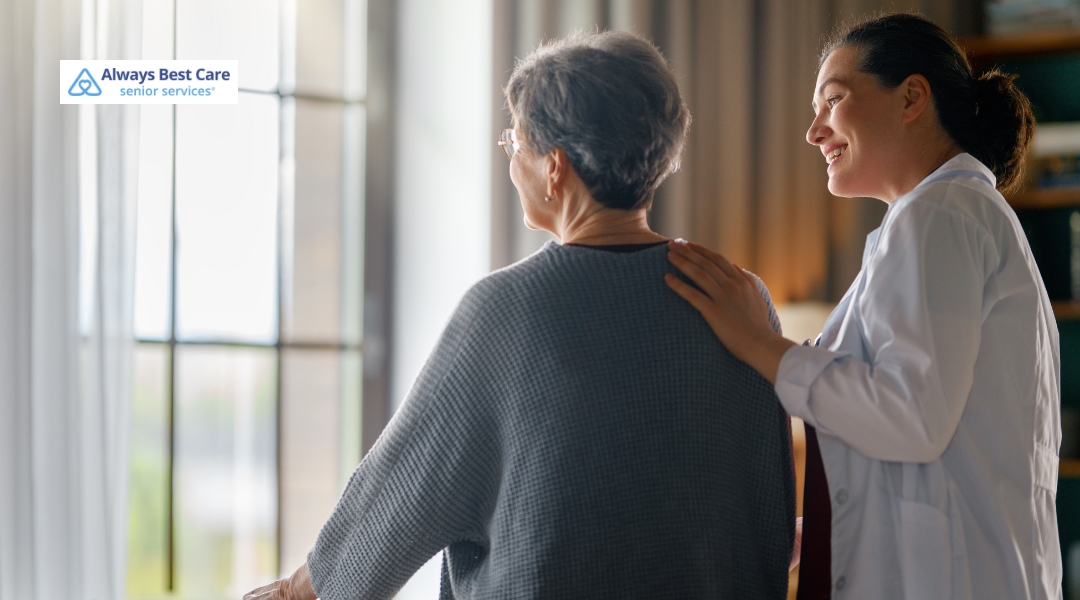
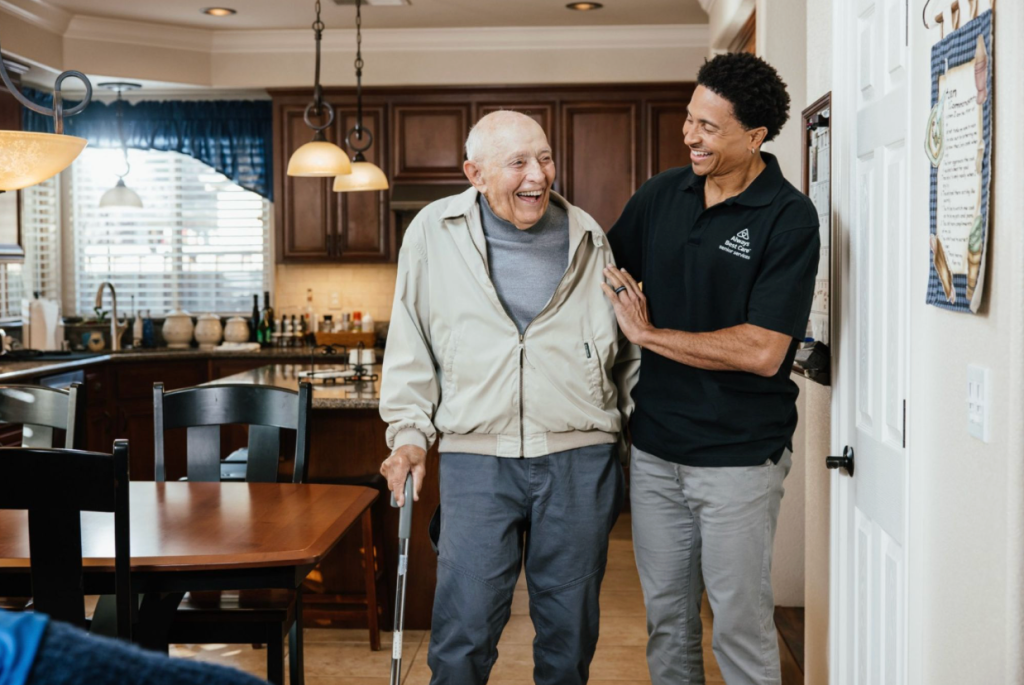
One of the biggest hurdles after a stroke is rebuilding strength and coordination. Therapists work hard, but real progress happens between sessions too.
In-home caregivers help bridge that gap. They gently assist with:
- Stretching routines and movement exercises
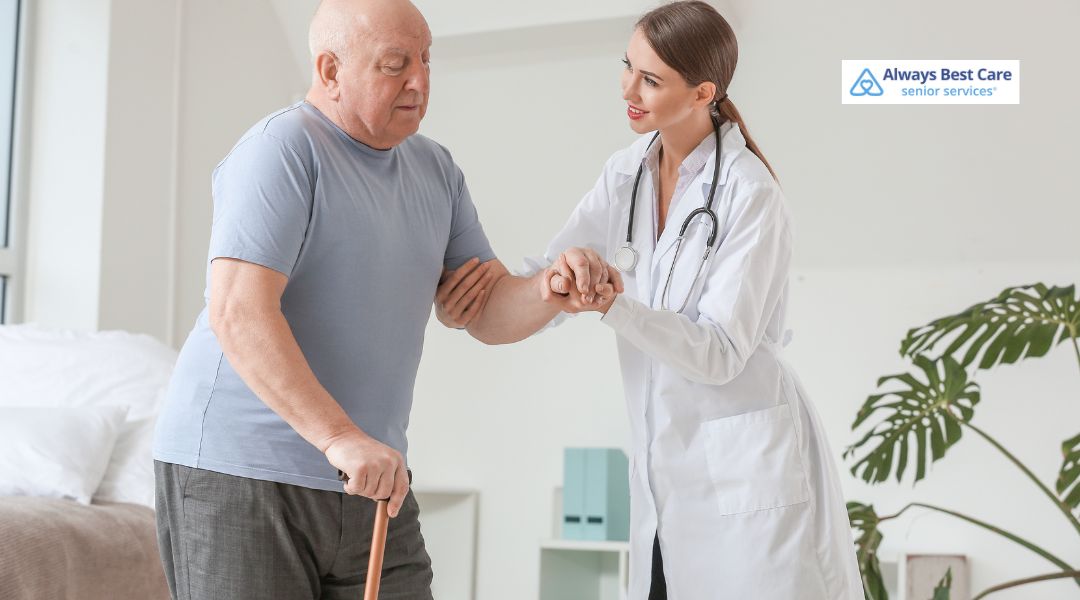
- Walking practice and balance training
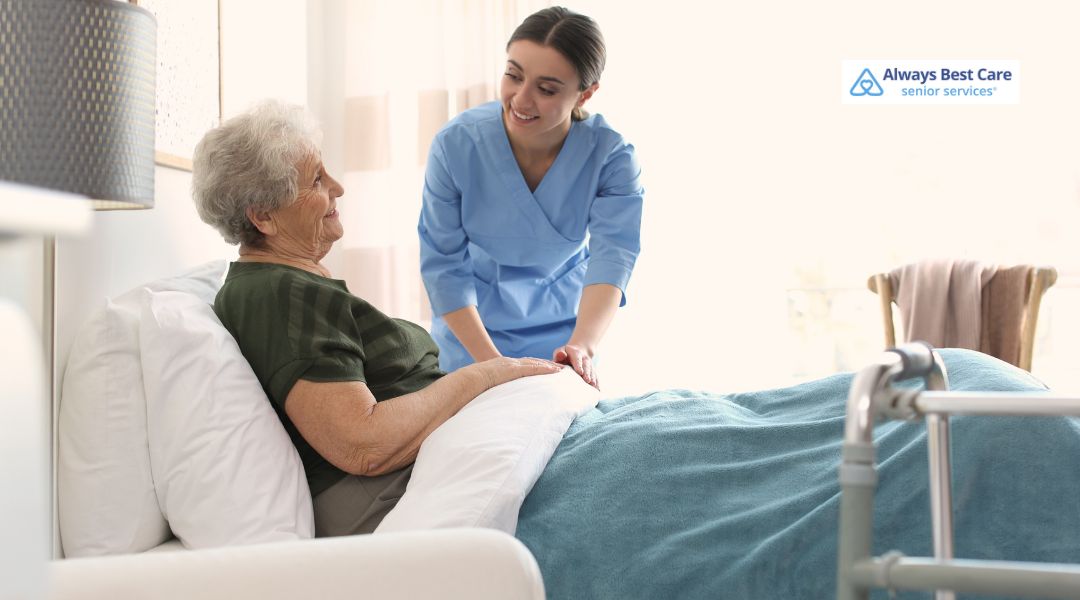
- Safe transfers from bed to chair
Consistency is key. Small efforts repeated daily often lead to meaningful improvements over time.
Helping With Daily Activities While Preserving Independence
After a stroke, everyday tasks, such as showering, getting dressed, and cooking, can suddenly feel overwhelming.
In-home care helps with these routines without taking away independence. Caregivers offer a hand when needed, stepping back when possible. That balance helps survivors feel capable and respected, rather than overly dependent.
It’s the kind of support that quietly makes life easier without changing the rhythm of the day too much.
Managing Medications and Medical Appointments
Medication schedules can get complicated after a stroke. Missing doses or mixing up timings can slow recovery or create new problems.
Caregivers help keep track of medications, reminders, and dosages. They can also help coordinate rides to follow-up appointments, ensuring nothing gets missed.
With this kind of attention, families don’t have to juggle the details alone.
Emotional Support and Companionship After a Stroke
Stroke recovery affects more than the body; it touches emotions, mood, and confidence, too.
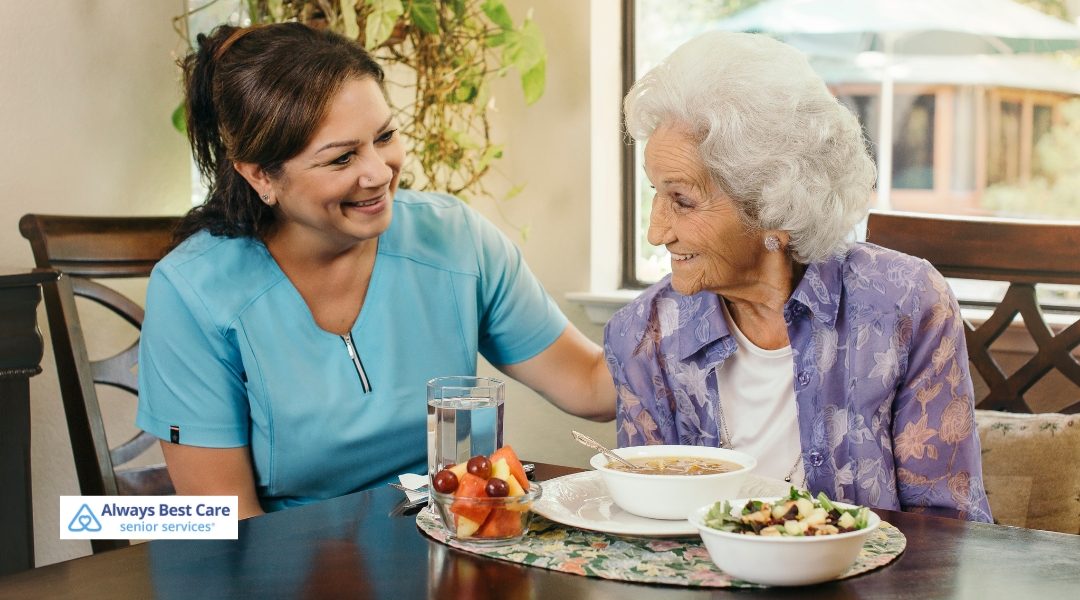
Spending days alone can make things feel heavier. That’s where companionship comes in. A friendly face, consistent conversation, and someone who listens can lift the emotional load in ways that might surprise you.
Caregivers become steady presences, offering encouragement and reducing the loneliness that sometimes comes with recovery.
Fall Prevention and Home Safety Adjustments
Balance issues and weakness are common after a stroke, making safety especially important.
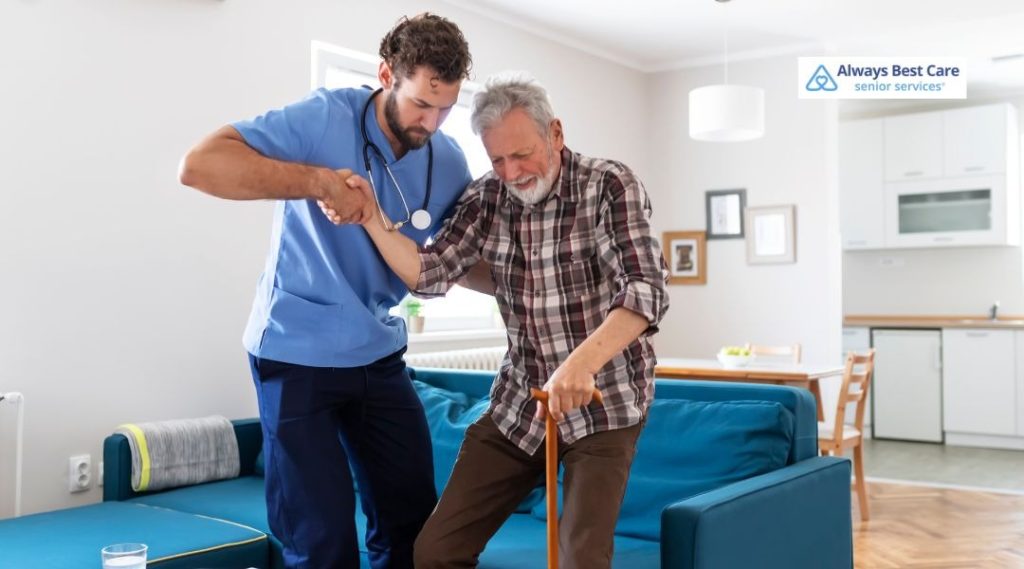
Caregivers help make the home safer by:
- Spotting tripping hazards
- Suggesting simple modifications like grab bars or better lighting
- Assisting with mobility in tricky areas
Fewer risks mean more confidence moving around the house.
Supporting Communication and Cognitive Recovery
Some stroke survivors face challenges with speech or thinking clearly. That’s tough, especially when you’re used to expressing yourself easily.
Caregivers support communication by being patient, asking simple questions, and giving extra time for responses. They encourage engagement through conversation, memory activities, or even hobbies.
These small interactions help keep the brain active and reinforce recovery without feeling like work.
Caregiver Support for Family Members
Family members often carry a heavy load after a stroke. Between caregiving tasks, appointments, and daily responsibilities, burnout can sneak up fast.
That’s why professional caregivers bring relief to the entire family. They take on the day-to-day support, so family members can focus on what matters most: being present, connecting, and enjoying time together.
It’s support that benefits everyone.
Post-Stroke Care That Fits Shalimar Families
For families in Shalimar, consistent, compassionate care makes recovery feel more manageable. In-home post-stroke care brings flexibility, comfort, and dignity all under one roof.
Always Best Care of Shalimar understands that every stroke survivor’s journey is different. Care plans reflect real needs, real routines, and real-life pacing, not medical textbooks.
With local expertise and genuine compassion, families gain more than assistance; they gain peace of mind.
Frequently Asked Questions
Q: What is post-stroke care?
A: Post-stroke care supports recovery after a stroke through physical help, emotional support, and daily assistance.
Q: Can post-stroke care be done at home?
A: Yes, in-home care provides consistent, personalized help for stroke survivors in a comfortable, familiar environment.
Q: How does in-home care help stroke recovery?
A: It supports mobility exercises, medication management, safety, communication, and independence.
Q: Can caregivers help with emotional support after a stroke?
A: Yes, companionship reduces isolation and improves mood during recovery.
Q: Is post-stroke care only for physical recovery?
A: No, it also supports emotional well-being, cognitive function, and daily living activities.
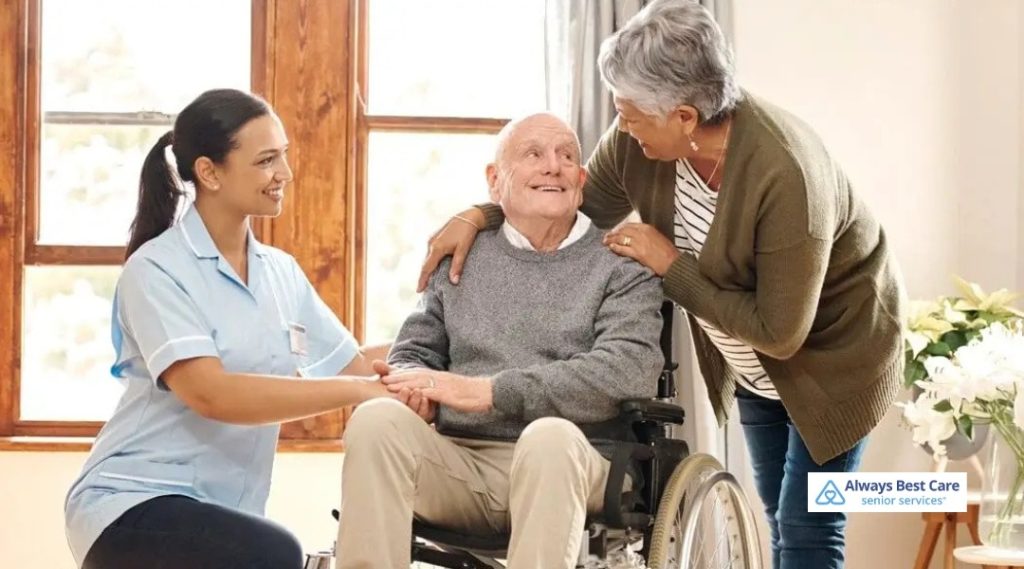
Recovering With Confidence, Comfort, and Care
Recovery after a stroke takes patience, consistency, and support. But with the right care at home, survivors can regain strength, maintain independence, and feel more confident in their daily lives.
Post-stroke care: how in-home care can aid recovery becomes more than a phrase; it becomes a path forward, filled with dignity, comfort, and steady progress.
Always Best Care of Shalimar is here to provide compassionate, personalized support tailored to each stroke survivor’s unique recovery needs. Contact us 850-797-8710 today to learn how Always Best Care of Shalimar can help your loved one recover safely and comfortably at home.
Link to the Markdown File version of the article