Breast Cancer Recovery at Home: How Skilled Nursing Supports Shalimar Families
Coming home after breast cancer surgery or treatment can bring a strange mix of relief and uncertainty. The hospital stay may be over, but the healing process is still very much underway. There may be bandages to manage, medication schedules to remember, fatigue that seems to come out of nowhere, and plenty of questions circling around the kitchen table.
That’s where skilled nursing can make a meaningful difference. Breast Cancer Recovery at Home: How Skilled Nursing Supports Shalimar Families is about helping patients follow their physician-directed recovery plan while giving loved ones added reassurance during a demanding season.
Every recovery looks different. Some people return home after a same-day procedure, while others need more time after a mastectomy, reconstruction, chemotherapy, or radiation treatment. The American College of Surgeons notes that many lumpectomy patients go home the same day, while mastectomy patients may go home the same day or remain in the hospital for one or two nights, depending on the procedure.
What You Will Learn
- What breast cancer recovery at home may involve after surgery or treatment
- How skilled nursing can provide clinical guidance and support during healing
- Ways to make the home more comfortable and manageable for recovery
- When families should contact the medical team about possible recovery concerns
Table of Contents
What Recovery at Home May Involve
Breast cancer treatment can affect the body in several ways. In the days and weeks after surgery, a person may need help managing discomfort, protecting the incision, moving safely, handling surgical drains, and completing everyday tasks that suddenly feel like a tall order.
Fatigue may linger after chemotherapy or radiation, too. A patient may feel fine in the morning and completely wiped out by afternoon. That’s not laziness or a lack of effort—it can be part of the recovery process.
Families often step in wherever they can. Still, clinical needs may require more than a helpful hand or a reminder on the fridge. Skilled nursing provides licensed, physician-directed care in the familiar surroundings of home.
Breast Cancer Recovery at Home: How Skilled Nursing Supports Shalimar Families
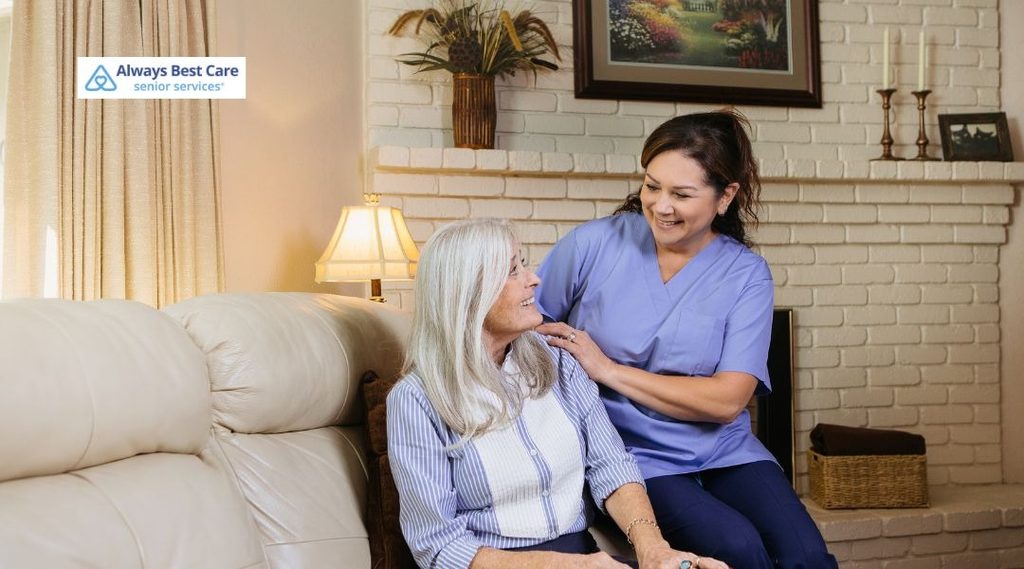
Skilled nursing is clinical care provided by a licensed healthcare professional, usually under orders from a physician. It isn’t the same as non-medical companion care or personal care support. A skilled nurse can assess recovery needs, follow the medical plan, provide education, and communicate with the treating healthcare team about concerns.
Home health care for people recovering from cancer treatment may include nursing assessments, wound care, medication support, and care coordination with the physician.
Supporting Incision and Wound Care
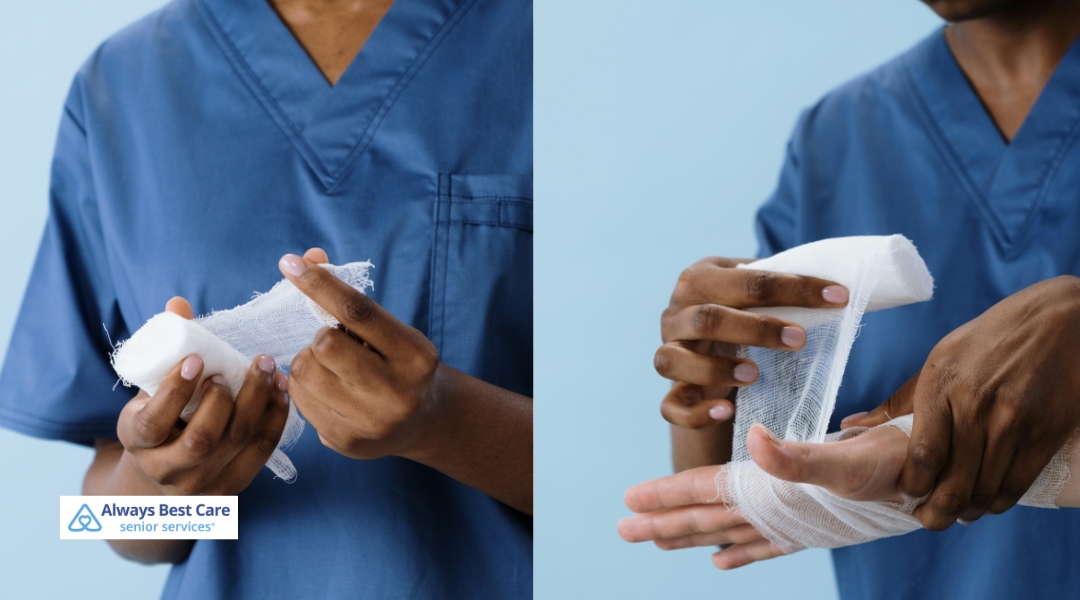
After breast surgery, an incision needs careful attention. Depending on the physician’s orders, a skilled nurse may assess the surgical site, perform or support dressing changes, and educate the patient or family about proper care at home.
A nurse can also help identify changes that should be reported to the surgical team, such as increasing redness, unusual drainage, worsening swelling, fever, or pain that does not improve as expected. The goal is to keep small concerns from becoming bigger headaches.
Most surgical wounds need time to heal, often around two to three weeks, though healing timelines vary by procedure and the person’s overall health.
Helping With Drain Care
Some patients go home with surgical drains after a mastectomy or reconstructive procedure. Those drains can feel intimidating at first, especially after a long day. A skilled nurse can provide teaching and support around drain care, help monitor output as directed, and reinforce the instructions provided by the surgical team.
Patients and families should never guess about drain removal, bathing, or changes in drainage. Those details should always come from the physician or surgical team.
Managing Medications and Symptoms
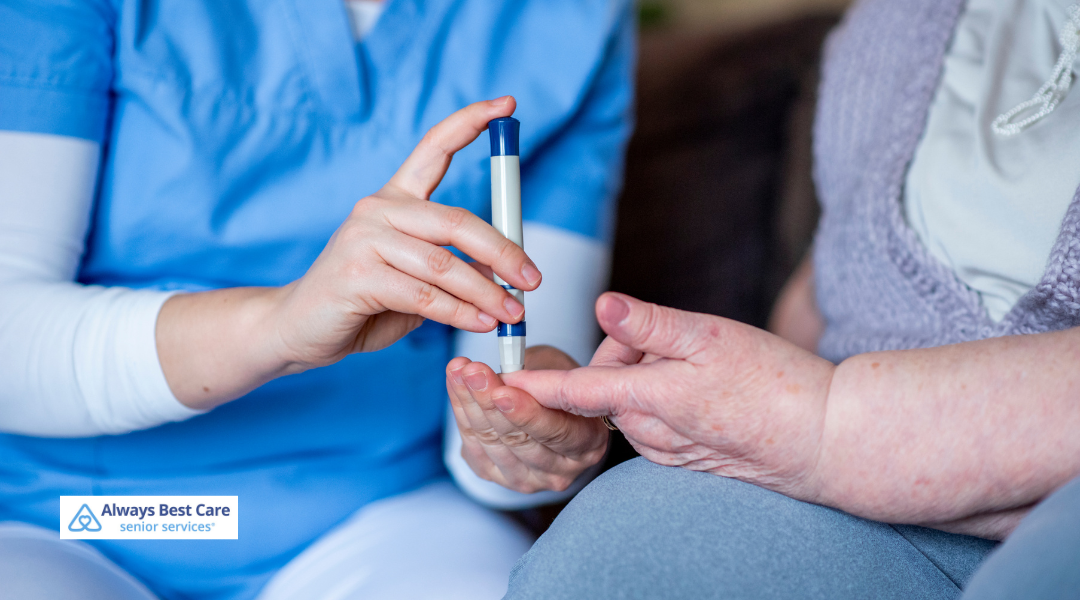
Pain medicines, antibiotics, anti-nausea drugs, and other prescriptions can quickly become a lot to track. A skilled nurse can provide medication education, observe for side effects, and help patients and family members understand the care plan.
They can also assess symptoms such as pain, nausea, reduced appetite, fatigue, weakness, or trouble with mobility. If concerns arise, the nurse can communicate with the appropriate provider according to the patient’s plan of care.
Making Recovery Safer and More Comfortable
A few practical changes can take some of the strain out of the first days at home. There’s no need to turn the house upside down. A simple, comfortable setup can do the trick.
Consider preparing:
- A resting area with pillows, water, a phone, and medications within easy reach
- Clear walkways without loose rugs, cords, or clutter
- Loose, front-opening clothing that is easier to put on after surgery
- Simple meals and snacks that reduce the need for heavy lifting or long periods of cooking
- A list of medication times, follow-up appointments, and contact numbers
Mobility also matters. The American College of Surgeons encourages patients to get out of bed and walk regularly after breast surgery when awake, with help for stability when needed. The patient’s surgical and oncology teams should always guide activity level, arm movement, and lifting restrictions.

When to Contact the Medical Team
It’s better to ask a question early than worry in silence. Patients and families should follow the surgeon’s or oncology team’s instructions about when and how to report concerns.
Contact the care team promptly for issues such as:
- Fever or chills
- Increasing redness, warmth, swelling, or drainage around an incision
- Pain that worsens or does not respond to prescribed treatment
- New medication side effects or persistent nausea and vomiting
- Changes in drainage, drain function, or the area around a drain site
- New shortness of breath, dizziness, or sudden weakness
For chest pain, severe trouble breathing, loss of consciousness, signs of a severe allergic reaction, or another life-threatening emergency, call 911 immediately.
Support for the Whole Family
Cancer recovery can turn the family calendar upside down. Loved ones may be balancing work, transportation, meals, medical calls, and emotional support, all while trying to stay upbeat. It’s a lot, plain and simple.
Breast Cancer Recovery at Home: How Skilled Nursing Supports Shalimar Families also means helping relatives feel less alone in the care process. A skilled nurse can reinforce clinical instructions, answer questions within their scope of practice, monitor recovery progress, and alert the physician when changes need attention.
Always Best Care of Shalimar can help families explore physician-directed skilled nursing services for post-treatment recovery. Skilled nursing works alongside the surgeon, oncologist, and other providers; it does not replace their expertise or emergency medical care.
Frequently Asked Questions
Q: What does skilled nursing provide after breast cancer surgery?
A: Skilled nursing may provide physician-ordered services such as post-operative assessments, incision and wound care, medication education, drain-related support, symptom monitoring, and communication with the treating medical team.
Q: Can a skilled nurse help with surgical drains at home?
A: Yes. When ordered as part of a home health plan, a skilled nurse can provide education and support for drain care, monitor drainage as directed, and report concerns to the surgical team. Drain removal should only occur according to the surgeon’s instructions.
Q: How long does recovery take after breast cancer surgery?
A: Recovery time varies based on the type of procedure, whether reconstruction was performed, other cancer treatments, and overall health. Many wounds take roughly two to three weeks to heal, though the treating surgical team can provide the most accurate timeline.
Q: Does skilled nursing replace oncology follow-up appointments?
A: No. Skilled nursing complements the care directed by the surgeon and oncology team. Patients should continue all scheduled appointments, follow-up testing, and prescribed treatment plans.
Healing at Home, With Help Close By
Healing after breast cancer treatment isn’t always a straight path. There can be smooth days, bumpy days, and moments when a simple question feels urgent. With clear medical guidance and skilled nursing support, Shalimar families can feel more prepared to manage recovery at home.
To learn whether physician-directed skilled nursing may support your loved one’s recovery, reach out at (850) 797-8710 to Always Best Care of Shalimar today.
Link to the Markdown File version of the article