
Senior Scams: How to Recognize the Warning Signs and Protect Your Loved One in Shalimar, FL
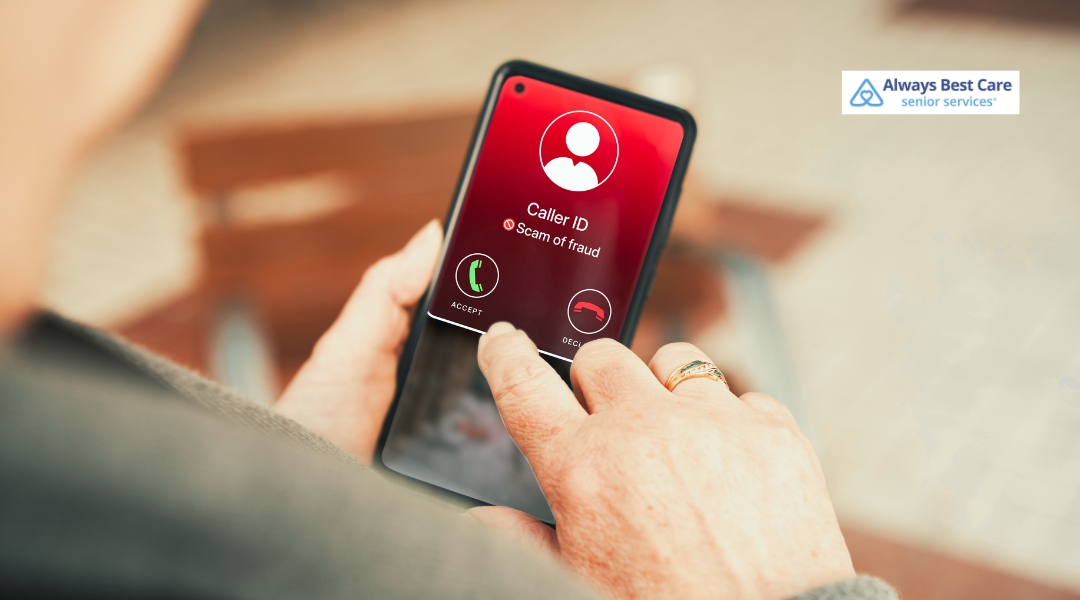
Scammers are getting sneakier by the day, and sadly, older adults are often right in their crosshairs. From smooth-talking phone callers to fake tech “experts,” these crooks know exactly which buttons to push. Before we know it, a trusting parent or grandparent can be left with an empty bank account and a heavy heart.
The bright side? Knowledge packs a punch. Once we understand how these schemes work and what red flags to watch for, we’re in a much better position to protect the people we love in Shalimar, FL. At Always Best Care of Shalimar, FL, we see firsthand how a bit of awareness and steady support can make all the difference.
What you will learn:
- Why seniors are often targeted by scammers and the common situations that increase their vulnerability.
- The most frequent types of scams affecting older adults and how they typically work.
- Key warning signs to watch for so you can quickly spot suspicious activity and prevent fraud.
- Practical ways families and caregivers can protect loved ones, respond to scams, and provide ongoing support.
Table of Contents
Why Seniors Are So Often Targeted
It’s not that older adults are careless; it’s that scammers are calculated. They zero in on situations that make seniors easier to manipulate, such as:
- Being naturally trusting or polite – Many seniors were raised to be courteous, even when something feels a bit “off.”
- Having savings or a steady income – Retirement funds, pensions, and home equity can look like a gold mine to criminals.
- Living alone or feeling isolated – Loneliness can make someone more willing to talk to strangers or believe a friendly voice.
- Limited comfort with technology – Online banking, texts, and emails can be confusing, giving scammers an opening.
Put all that together, and it’s clear why seniors are often in the line of fire. That’s exactly why families and caregivers need to stay alert.
Common Senior Scams Affecting Loved Ones in Shalimar, FL
Scammers are pros at changing their script, but many of their tricks follow the same general pattern. Here are some of the big ones we see:
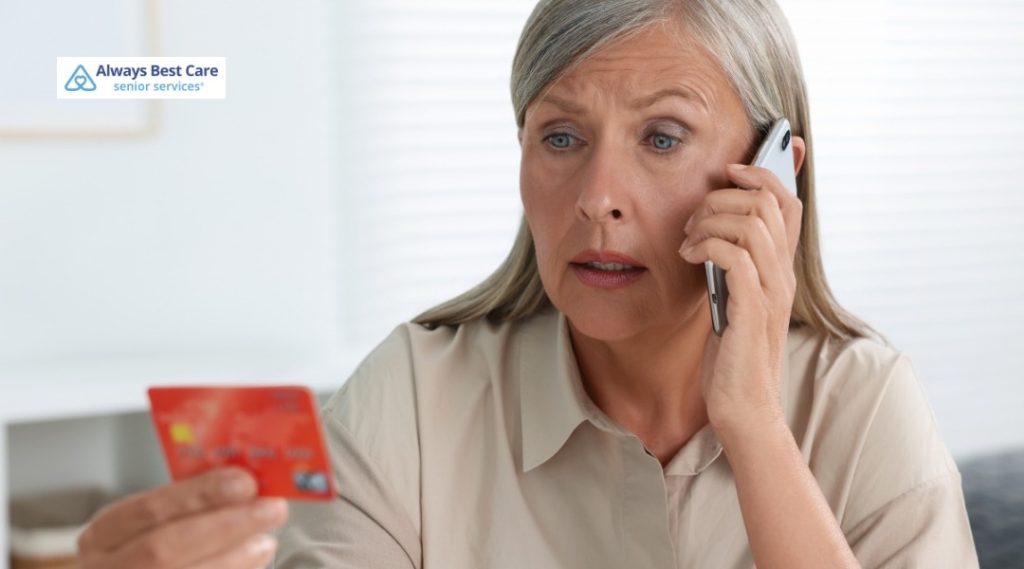
Phone Scams
A caller may pretend to be:
- A government agency
- A utility company
- A bank representative
- A grandchild or relative in trouble
They usually:
- Create a sense of panic or urgency
- Demand immediate payment
- Ask for Social Security numbers, bank details, or credit card information
If someone can’t hang up long enough to double-check the story, that’s exactly what scammers want.
Email and Phishing Scams
Scam emails and text messages often:
- Looks like they’re from a bank, Medicare, or a well-known company
- Include links to fake websites that look almost real
- Ask the reader to “confirm” or “update” personal or financial information
One quick click, and a scammer may be halfway into a bank account.
Sweepstakes and Lottery Scams
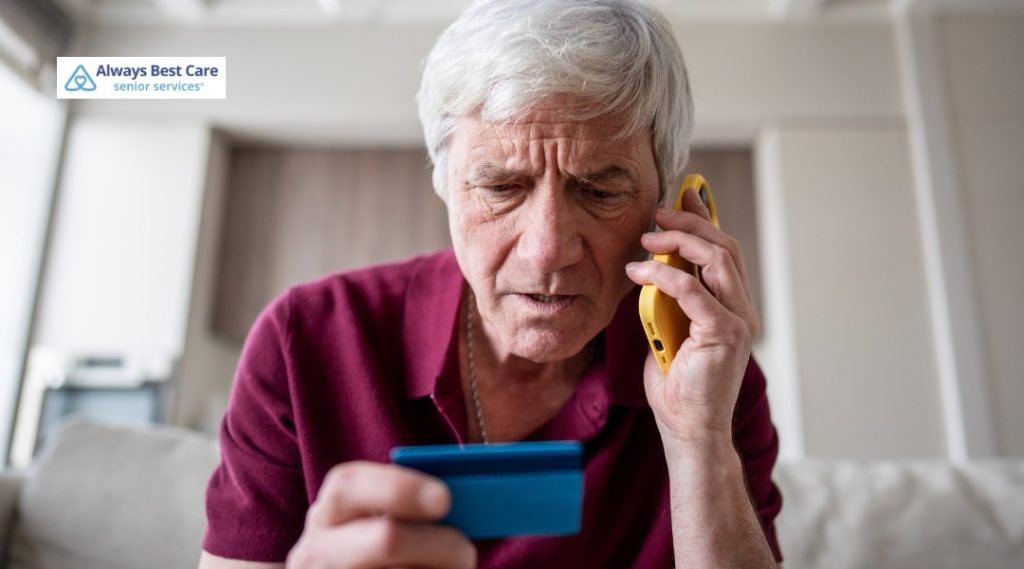
These scams promise big winnings, but with a catch:
- Seniors are told they’ve won money or a prize
- They’re asked to pay “fees,” “processing costs,” or “taxes” up front
- The prize never arrives, and the money is gone for good
If you have to pay to claim a prize, it’s almost certainly a scam.
Romance Scams
Online companionship can feel like a lifeline, but scammers twist that hope into a weapon. They:
- Build a relationship over weeks or months
- Pretend to be deeply invested
- Suddenly face an “emergency” or financial crisis
- Ask for money, often repeatedly
By the time the truth comes out, there may be a broken heart and a broken budget.
Tech Support Scams
These scams often start with:
- A scary pop-up on the computer
- A phone call warning about viruses or hacking
The scammer then:
- Claims there’s a serious computer problem
- Asks for remote access to the device
- Charges for fake “repairs” or stealing information
Once someone else is controlling the computer, the door is wide open.

Warning Signs of Senior Scams
Most scams share common warning signs. If we keep an eye out for these, we’re far less likely to get caught off guard. Watch for:
- Demands for instant action – “Pay right now, or else…”
- Requests for odd payment methods – Gift cards, wire transfers, or cryptocurrency are huge red flags.
- Unsolicited contact asking for information – Calls, emails, or texts out of the blue requesting account numbers, passwords, or Social Security numbers.
- Messages that stir up fear or guilt – Scammers love to say things like, “You’ll be in trouble if you don’t pay today.”
- Pressure to keep things secret – “Don’t tell your family; it will just worry them.”
If that gut feeling says, “Something isn’t right,” it’s time to stop, take a breath, and verify.
How Families Can Help Protect Loved Ones in Shalimar, FL
We don’t have to sit on the sidelines. There are several simple, practical steps families can take:
- Talk openly about scams – Make it a normal conversation topic, not a lecture.
- Agree on a “check-in” rule – Encourage your loved one to call a trusted family member before sending money or sharing information.
- Watch accounts for unusual activity – Small, strange charges can be the first sign of a bigger problem.
- Use call blocking and filters – Limit robocalls and suspicious emails as much as possible.
- Reassure, don’t blame – If a scam nearly happens—or does happen—focus on support, not criticism.
When seniors know they can ask questions without being judged, they’re far more likely to raise concerns early.

The Role of In-Home Care in Scam Prevention
A big piece of the puzzle is simple: no one should feel like they’re facing this alone. A caring presence in the home can make scams much harder to pull off.
At Always Best Care of Shalimar, FL, we work side by side with families to spot early signs of trouble and build everyday habits that keep seniors safer. We:
- Help screen phone calls and unexpected visitors – We can encourage a “don’t answer if you’re unsure” approach.
- Notice changes in behavior or money worries – If a senior seems anxious about bills or secretive about finances, that can be a clue.
- Offer steady companionship – Less isolation means fewer opportunities for scammers to become the “friendly voice” someone leans on.
- Promote open communication with family – We support gentle conversations, not fear or shame.
We can’t control every scammer out there, but we can build a safer day-to-day routine at home.
What Should You Do If You Suspect a Scam?
If you think a loved one in Shalimar may be caught up in a scam or has already sent money, time is of the essence. Here’s a clear plan:
- Contact the bank or credit card company right away.
- Report the scam to local law enforcement or adult protective services.
- Keep a close eye on all accounts for more suspicious transactions.
- Change passwords and PINs, especially for email and banking.
- Offer calm, steady reassurance.
Many seniors feel embarrassed or afraid to speak up. By staying calm and supportive, we help them feel safe sharing what happened so real damage can be limited.

Frequently Asked Questions
Q: What’s the first thing my loved one should do if they gave out bank information to a scammer?
A: Call the bank or credit card company immediately and explain what happened. The sooner cards are canceled or accounts are frozen, the better the chances of preventing further loss.
Q: Are scams more common in small communities like Shalimar, FL?
A: Scammers often operate by phone, email, and online, so they target people everywhere. Smaller communities aren’t immune, which makes awareness just as important here as in big cities.
Q: How can Always Best Care of Shalimar, FL help my family reduce the risk of scams?
A: We provide in-home support, companionship, and an extra set of eyes and ears. We help seniors handle calls carefully, notice unusual behavior, and keep families in the loop about any concerns.
Q: How often should we talk to our loved ones about scams?
A: Regular, casual check-ins work best. Short, friendly conversations every few weeks help keep the topic fresh without feeling overwhelming.
Q: What if my loved one doesn’t believe they’re being scammed?
A: That’s very common. Try to stay calm, focus on specific facts, and suggest calling the bank or the supposed company together to verify the story. Sometimes hearing it from a third party makes all the difference.
Staying One Step Ahead: Protecting Your Loved Ones with Confidence and Care
Senior scams may be getting more clever, but they’re not unstoppable. With open conversations, a watchful eye, and the right support at home, families in Shalimar, FL can dramatically reduce the risk and help loved ones feel safer and more confident.
At Always Best Care of Shalimar, we’re committed to walking this road with you. We work alongside families to provide compassionate care, steady companionship, and an added layer of protection against those who would exploit seniors’ trust.
If your loved one could use more support, connection, and everyday safety at home, reach out to us at Always Best Care of Shalimar at (850) 990-4467 to schedule a care consultation and learn how we can help protect your loved one while honoring their independence and dignity.
Link to the Markdown File version of the article