
Blood Sugar Changes in Older Adults: Warning Signs Families Should Know in Shalimar, FL
For older adults living with diabetes, managing blood sugar is one of the most important parts of staying healthy and independent. But even seniors who have kept their diabetes under control for years can find it harder to manage as they age. Shifts in metabolism, new medications, reduced appetite, and other health conditions can all throw blood sugar off balance — sometimes without obvious warning signs.
Family members and caregivers play a critical role in catching these changes early. Knowing what to look for — and when to act — can prevent a manageable situation from becoming a medical emergency.
What You Will Learn
- Why aging, medications, appetite changes, and daily routines can affect blood sugar.
- How to recognize common signs of low and high blood sugar in older adults.
- What changes families can notice early and discuss with a loved one’s care team.
- How consistent routines and compassionate in-home support can make diabetes care easier.
Table of Contents
How Aging Changes the Way the Body Handles Blood Sugar
The relationship between aging and blood sugar is more complex than many people realize. As the body gets older, several changes occur that can make glucose regulation more difficult:
- Reduced insulin sensitivity — Cells become less responsive to insulin over time, making it harder for the body to process glucose efficiently.
- Slower kidney function — The kidneys filter glucose from the blood, and declining kidney function can affect how medications work and how blood sugar behaves.
- Hormonal shifts — Aging affects the hormones that regulate blood sugar, including glucagon, which helps raise glucose when it drops too low.
- Blunted symptom awareness — Older adults are more likely to experience “hypoglycemia unawareness,” meaning they may not feel the classic warning signs of low blood sugar until it becomes severe.
Add in the complexity of managing multiple medications, changes in appetite or physical activity, and the cognitive demands of daily diabetes care — and it becomes clear why blood sugar management often requires more support as people age.
Recognizing Low Blood Sugar (Hypoglycemia)
Hypoglycemia occurs when blood glucose drops below a healthy range. It can come on quickly and may be triggered by diabetes medications, skipped meals, reduced food intake, or increased physical activity.
Common symptoms include:
- Shaking or trembling
- Sweating
- Dizziness or lightheadedness
- Sudden hunger
- Headache
- Irritability or mood changes
- Difficulty concentrating
- Confusion or disorientation
- Loss of coordination
In older adults, these symptoms can easily be mistaken for fatigue, stress, or normal aging. That’s what makes them especially dangerous. Sudden confusion, unsteady movement, or unusual behavior should always be taken seriously — not dismissed as “just getting older.”
Severe hypoglycemia can lead to seizures, loss of consciousness, or falls. If this occurs, seek emergency medical help immediately.
Recognizing High Blood Sugar (Hyperglycemia)
Unlike low blood sugar, hyperglycemia tends to develop gradually — which means the warning signs can go unnoticed for days or even weeks. High blood sugar occurs when there is too much glucose in the bloodstream, often due to missed medications, illness, dietary changes, or reduced physical activity.
Symptoms to watch for include:
- Increased thirst
- Frequent urination, especially at night
- Blurred vision
- Fatigue or unusual weakness
- Persistent headaches
- Unexplained weight loss
- Slow-healing cuts, sores, or bruises
When blood sugar remains elevated over time, it can cause serious long-term damage to the eyes, kidneys, nerves, heart, and blood vessels. In acute cases, dangerously high blood sugar can lead to diabetic ketoacidosis (DKA) or hyperosmolar hyperglycemic state (HHS) — both of which are life-threatening emergencies requiring immediate care.
If your loved one shows sudden severe confusion, difficulty breathing, extreme weakness, or loses consciousness, call 911 right away.
Pay Attention to Changes from Your Loved One’s Baseline
You don’t need a medical degree to be a valuable part of your loved one’s diabetes care. One of the most important things families can do is simply know what “normal” looks like for their senior — and notice when something shifts.
Is your mom more fatigued than usual? Is your dad drinking water constantly and making frequent trips to the bathroom? Has a typically sharp and alert loved one started seeming foggy or unsteady?
These changes are worth investigating — not brushing off as inevitable parts of aging.
If your loved one has diabetes, talk with their healthcare provider about:
- Their personal blood sugar target range
- How often they should be checking their glucose levels
- Which symptoms warrant a call to the doctor
- What signs indicate a true emergency
Having this information in advance means you’ll be better prepared to respond quickly when something seems off.
Building Routines That Support Stable Blood Sugar
Consistency is one of the most powerful tools in diabetes management. Healthy daily routines help keep blood sugar within the range recommended by a senior’s healthcare provider.
Depending on the individual’s care plan, this may include:
- Eating meals and snacks at regular times each day
- Taking medications exactly as prescribed — no skipping or doubling up
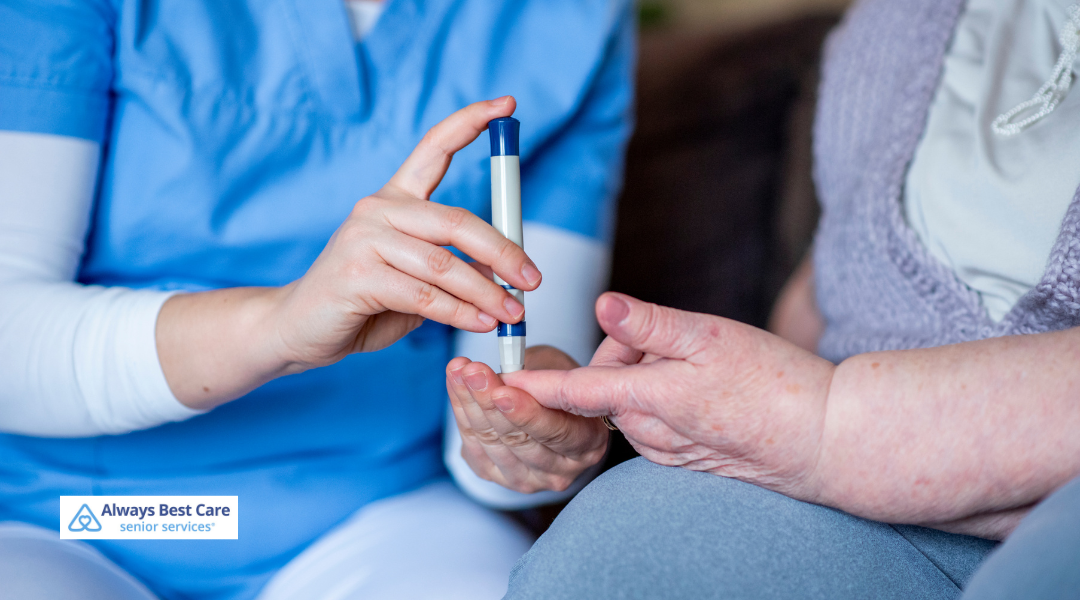
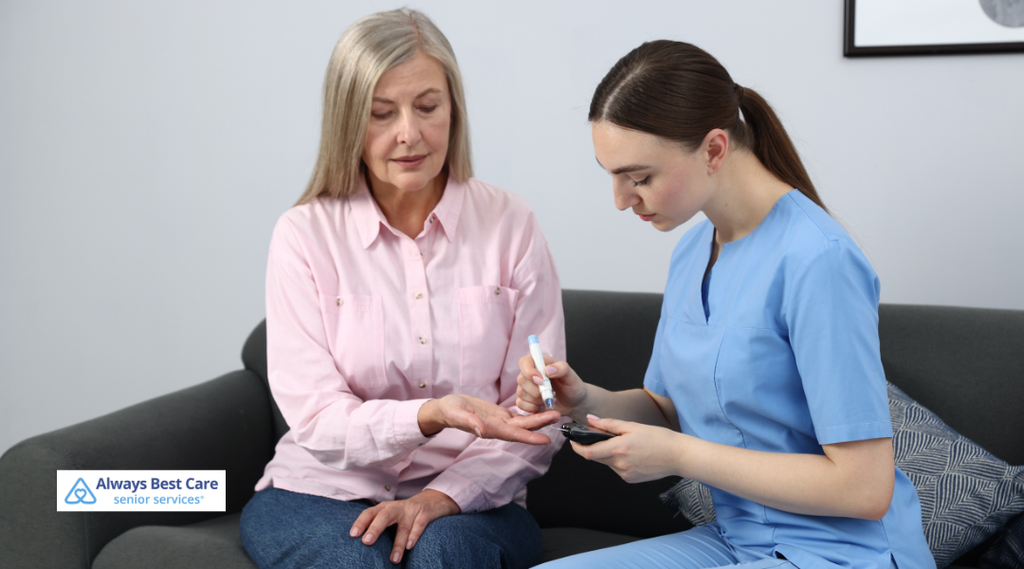
- Monitoring blood glucose as directed
- Drinking enough water throughout the day
- Engaging in appropriate physical activity
- Keeping all scheduled medical appointments
Families should also make sure healthcare providers have a complete picture of every medication and supplement the senior is taking. Even seemingly minor changes — a new vitamin, a different blood pressure medication — can affect how blood sugar behaves.
When Memory or Mobility Problems Complicate Diabetes Care in Shalimar, FL
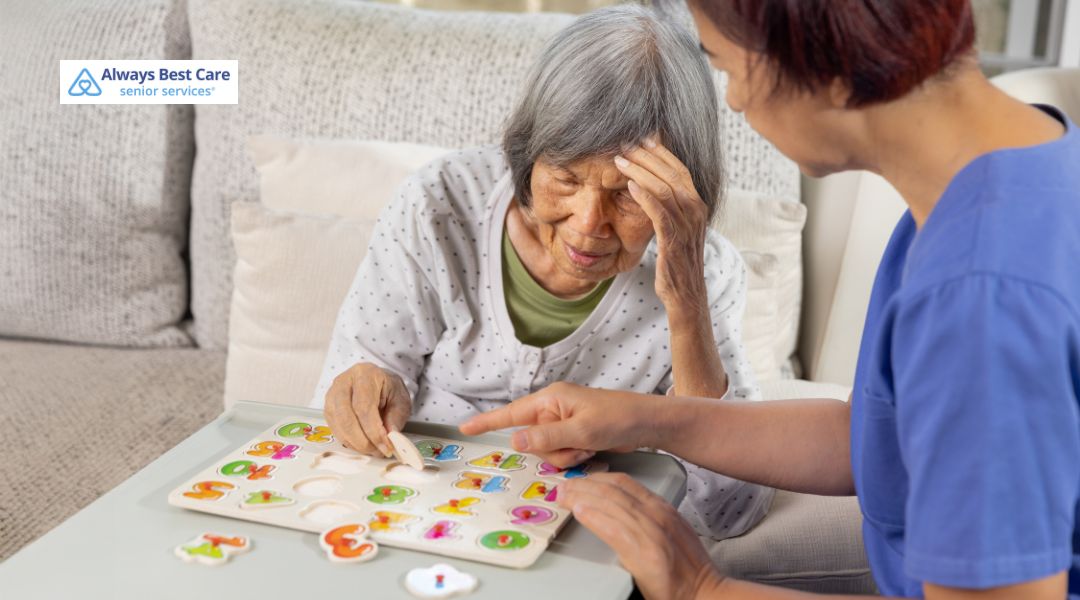
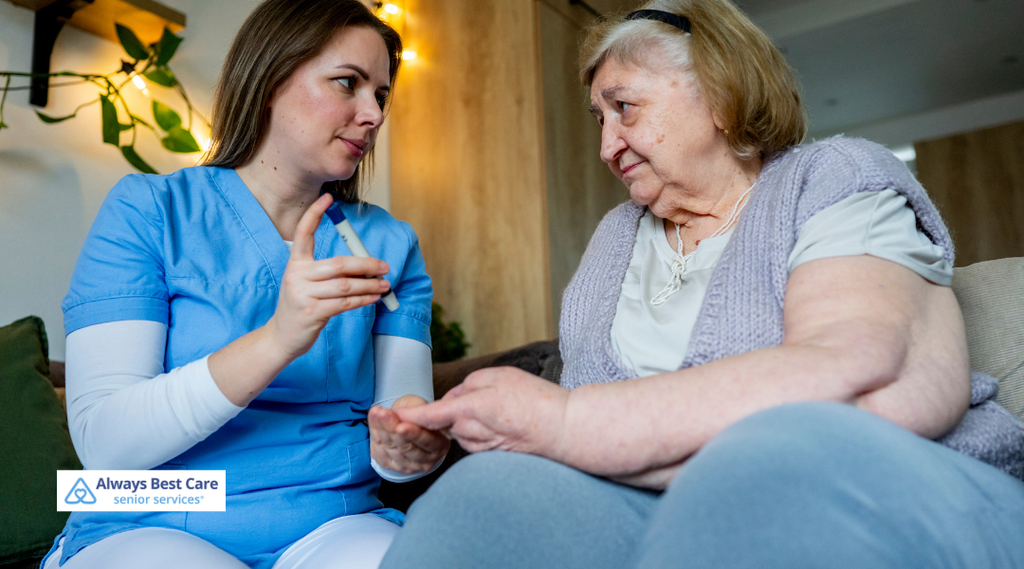
Diabetes management requires a lot of daily attention to detail. For seniors experiencing memory changes or cognitive decline, keeping track of medications, meals, blood sugar checks, and appointments can become genuinely overwhelming.
Physical limitations add another layer of difficulty. Arthritis, tremors, vision changes, or reduced mobility can make it hard to:
- Operate a glucose monitor accurately
- Prepare balanced, diabetes-friendly meals
- Get to and from medical appointments
- Stay physically active in safe, appropriate ways
When these challenges arise, it’s often a sign that additional support at home would make a meaningful difference — both for the senior’s health and for the family’s peace of mind.
How Always Best Care of Shalimar, FL Can Help
Living well with diabetes is about much more than tracking numbers. It requires consistent routines, healthy nutrition, medication adherence, regular movement, and ongoing communication with healthcare providers. That’s a lot to manage — especially for seniors living alone or with limited family support nearby.
Always Best Care of Shalimar caregivers provide hands-on, day-to-day support that makes diabetes management more manageable, including:
- Preparing nutritious, diabetes-friendly meals
- Providing medication reminders
- Encouraging adequate hydration and safe physical activity
- Assisting with transportation to medical appointments
- Observing and reporting changes in behavior, energy, or physical condition to family members and healthcare providers
For seniors who qualify for home health services, licensed healthcare professionals can provide additional clinical support tailored to the individual’s medical needs and physician-directed care plan.
Frequently Asked Questions
Q: What blood sugar levels are considered dangerous for older adults?
Generally, blood sugar below 70 mg/dL is considered low (hypoglycemia), and levels above 180 mg/dL after meals may indicate hyperglycemia. However, target ranges vary by individual. Always follow the specific goals set by your loved one’s healthcare provider, as older adults may have different recommended ranges than younger people with diabetes.
Q: Can older adults have low blood sugar without feeling any symptoms?
Yes. This is called hypoglycemia unawareness, and it’s more common in older adults and those who have had diabetes for many years. The body’s warning signals become less reliable over time, which is why regular glucose monitoring and caregiver awareness are so important.
Q: How often should a senior with diabetes check their blood sugar?
This depends on the type of diabetes, medications used, and the individual’s health status. Some seniors may need to check multiple times a day; others less frequently. A healthcare provider will recommend a monitoring schedule based on the person’s specific treatment plan.
Q: What should I do if I think my loved one’s blood sugar is dangerously low?
If your loved one is conscious and able to swallow safely, give them a fast-acting source of sugar — such as 4 oz of fruit juice, regular soda, or glucose tablets. Wait 15 minutes and recheck. If they are unconscious, having a seizure, or unable to swallow, call 911 immediately. Do not attempt to give food or drink to someone who is not fully alert.
Q: How can a home caregiver help with diabetes management?
A trained home caregiver can assist with meal preparation, medication reminders, hydration, transportation to appointments, and daily observation. They serve as an important link between the senior and their healthcare team — noticing changes that family members who don’t see their loved one daily might miss.
Q: Is diabetes management different for seniors than for younger adults?
Yes, in several important ways. Older adults are more likely to experience hypoglycemia unawareness, have multiple coexisting health conditions, take medications that interact with diabetes treatment, and face physical or cognitive challenges that complicate self-care. Treatment goals and monitoring strategies are often adjusted accordingly.
Helping Your Loved One Stay Safe with Diabetes
Blood sugar can shift quickly — and older adults don’t always recognize the warning signs in time to act. By staying engaged, understanding your loved one’s normal patterns, and knowing when to call for help, families can play a vital role in preventing serious complications.
If your loved one has diabetes and could benefit from more consistent support at home, Always Best Care of Shalimar, FL is here to help. Contact us at (850) 797-8710 to schedule a care consultation and learn how our compassionate team can support safer routines, greater independence, and a better quality of life.
Link to the Markdown File version of the article