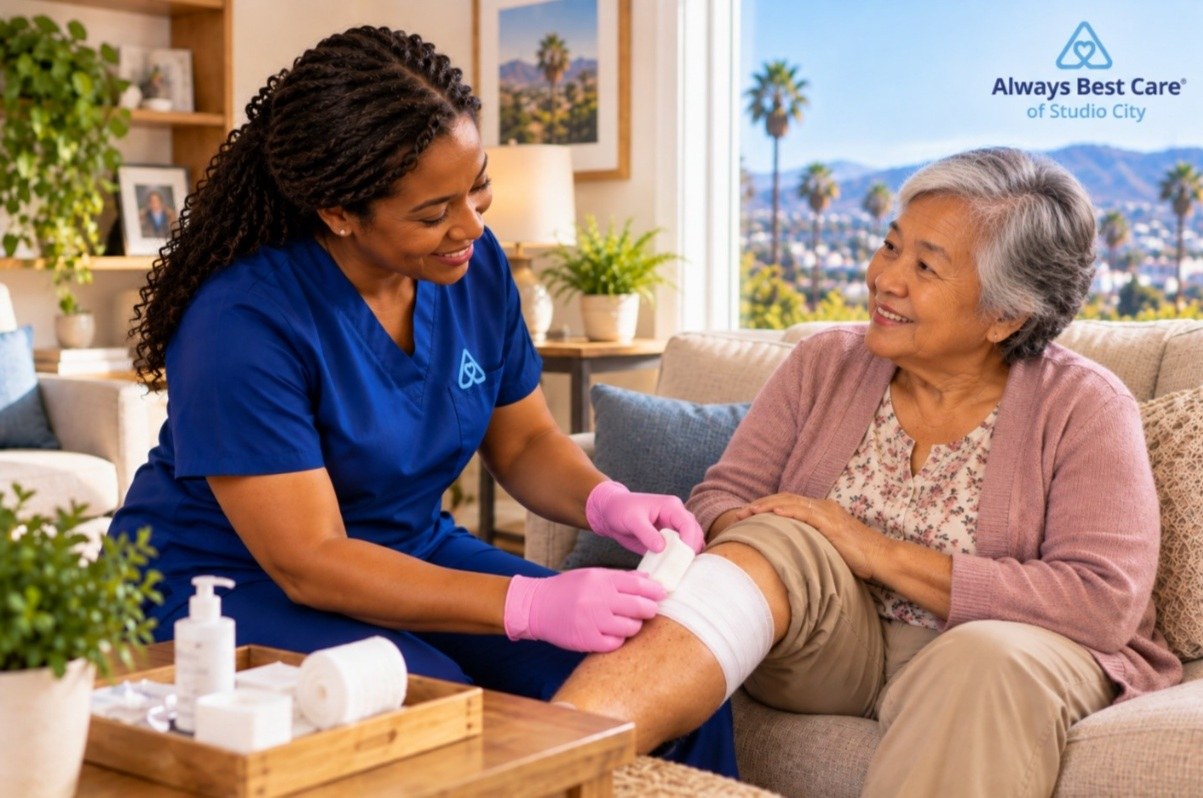

How Early Detection Supports Better Breast Health

Early detection can play an important role in supporting breast health because it may identify concerning changes before noticeable symptoms develop. For older adults receiving home care services in Valley Village, CA, maintaining regular health appointments and discussing recommended screenings with a healthcare provider can become part of a broader approach to healthy aging. Families and caregivers can offer practical encouragement by helping seniors stay organized, communicate concerns, and follow medical guidance without creating unnecessary worry.
Table of Contents
Recognizing Changes and Staying Aware
Breast awareness means becoming familiar with what is normal for an individual’s body and paying attention when something seems different. Changes do not automatically indicate cancer, but unusual findings should be discussed with a qualified healthcare professional. Understanding how professional home care brings peace of mind to families can also help loved ones feel more confident when supporting seniors through changing health needs. Seniors may benefit from supportive family conversations that make it easier to speak openly about health concerns rather than postponing them because of embarrassment, uncertainty, or fear.
Following Recommended Screening Guidance
Screening recommendations may vary according to age, personal history, family history, and other individual factors. A healthcare provider can help determine whether mammography or another evaluation is appropriate and how frequently screening should occur. Rather than relying on a single general schedule, older adults should discuss their circumstances with their medical team so decisions reflect their overall health and individual risk factors.
How Families Can Support Breast Health Awareness
Families do not need to provide medical advice to help an older loved one stay engaged with breast health. Practical support can make appointments and health conversations easier to manage while keeping screening decisions with qualified healthcare professionals.
| Area of Support | Helpful Family Involvement |
|---|---|
| Health awareness | Encourage seniors to mention new or unusual changes to their healthcare provider. |
| Screening discussions | Help prepare questions about whether screening is appropriate based on individual health needs. |
| Appointment planning | Keep dates, medical information, and important questions organized. |
| Transportation | Arrange dependable transportation when getting to appointments is difficult. |
| Follow-up | Help organize instructions and future appointments recommended by the healthcare team. |
Support should remain focused on organization, communication, and everyday assistance rather than interpreting symptoms or making medical decisions.
Preparing Seniors for Health Appointments
A little preparation can make medical visits easier and help seniors communicate effectively with their healthcare providers. Family members or caregivers can assist with organizing appointment information, arranging transportation, and remembering questions that should be discussed. Helpful preparation may include:
- Write down recent or unusual breast changes
- Prepare questions for the healthcare provider
- Gather relevant personal and family health history
- Arrange dependable transportation to the appointment
- Keep follow-up instructions in an accessible place
These simple steps can reduce confusion and help important information remain available before and after a screening visit.
Supporting Breast Health During Recovery
When an older adult is undergoing cancer treatment or recovering afterward, everyday assistance can make the home environment more manageable. The local care team provides cancer care and recovery support that may include help with personal care, mobility, bathing, dressing, medication reminders, and errands. Such assistance can complement the person’s medical care while supporting greater comfort and independence at home.
Encouraging Healthy Daily Routines

Breast health is one part of overall wellness, so consistent daily routines remain valuable. Nutritious meals, appropriate physical activity, sufficient rest, and keeping medical appointments can support general well-being. For seniors who need extra help with everyday activities, compassionate in-home assistance can provide companionship, nutritional support, transportation, personal care, and medication reminders while helping them maintain greater independence.
Encouraging Healthy Daily Routines
Breast health is one part of overall wellness. Consistent everyday habits can help older adults maintain their general well-being while staying engaged with their healthcare needs.
Balanced Nutrition and Hydration
Nutritious meals and adequate hydration can be part of a senior’s overall wellness routine. For older adults who have difficulty shopping or preparing meals independently, family members or caregivers can provide practical assistance while respecting personal preferences and any guidance provided by healthcare professionals.
Safe Movement and Daily Activity
Appropriate physical activity can help seniors remain engaged in their daily routines and maintain independence. The type and amount of activity should reflect the individual’s abilities and any recommendations from their healthcare professionals, particularly during treatment or recovery.
Consistent Health and Wellness Routines
Keeping medical appointments, getting sufficient rest, following established medication routines, and communicating health concerns can make ongoing healthcare responsibilities easier to manage. For seniors who need additional help, compassionate in-home assistance can provide companionship, nutritional support, transportation, personal care, and medication reminders.
Providing Support After a Health Setback
Some older adults need additional assistance when returning home following hospitalization, surgery, illness, or rehabilitation. Transitional and rehabilitation-focused care can support daily routines, mobility, meal preparation, medication reminders, and prescribed exercise schedules. This type of support can help seniors follow their recovery plans while families coordinate ongoing medical appointments and other health priorities.
Helping Family Caregivers Find Relief
Supporting an older relative through screenings, treatment, recovery, or ongoing health needs can place significant responsibilities on family caregivers. Respite care can give relatives time to manage personal responsibilities and recharge while their loved one continues receiving assistance. The local care program also supports people living with dementia through personalized in-home care designed to promote comfort and quality of life in familiar surroundings.
Connecting Veterans with Helpful Resources
Veterans and their families may also benefit from learning about assistance available through VA programs. The local care provider highlights veteran assistance and notes that certain VA benefits may help eligible veterans access in-home support. Because eligibility depends on individual circumstances and program requirements, families should speak with appropriate representatives to understand qualification requirements and available benefits.
Considering Assisted Living Placement
Changes in health can sometimes lead families to reconsider whether remaining at home continues to meet a senior’s needs. Senior living referral support can help families compare communities based on a loved one’s physical, emotional, and personal requirements. The local team maintains relationships with senior communities and uses its knowledge of nearby resources to guide families as they evaluate suitable living environments.
Most Asked Questions
Why is early detection important for breast health?
Early detection may identify concerning breast changes sooner, giving healthcare professionals an opportunity to evaluate findings and recommend appropriate next steps.
Should older adults continue breast cancer screening?
Screening decisions should be individualized. Seniors should discuss their age, overall health, personal history, family history, and risk factors with a healthcare provider.
How can caregivers support breast health awareness?
Caregivers can encourage medical appointments, provide transportation, help organize questions, offer companionship, and support healthy routines while allowing healthcare professionals to provide medical guidance.
Can in-home assistance help during cancer recovery?
Yes. Non-medical assistance may help with personal care, mobility, medication reminders, errands, and other everyday activities while an individual follows the treatment or recovery plan established by healthcare professionals. The Studio City location specifically identifies cancer care and recovery among its specialized services.
Compassionate Support for Every Stage of Care
Discover how the specialized programs available through Always Best Care of Studio City can provide compassionate, personalized home care services in Valley Village, CA for seniors and families navigating changing needs. Connect with our compassionate home care team to explore personalized support options or call (818) 572-2799 to discuss your family’s needs and schedule a consultation.