

Why Seniors Often Resist Help with Bathing and Grooming
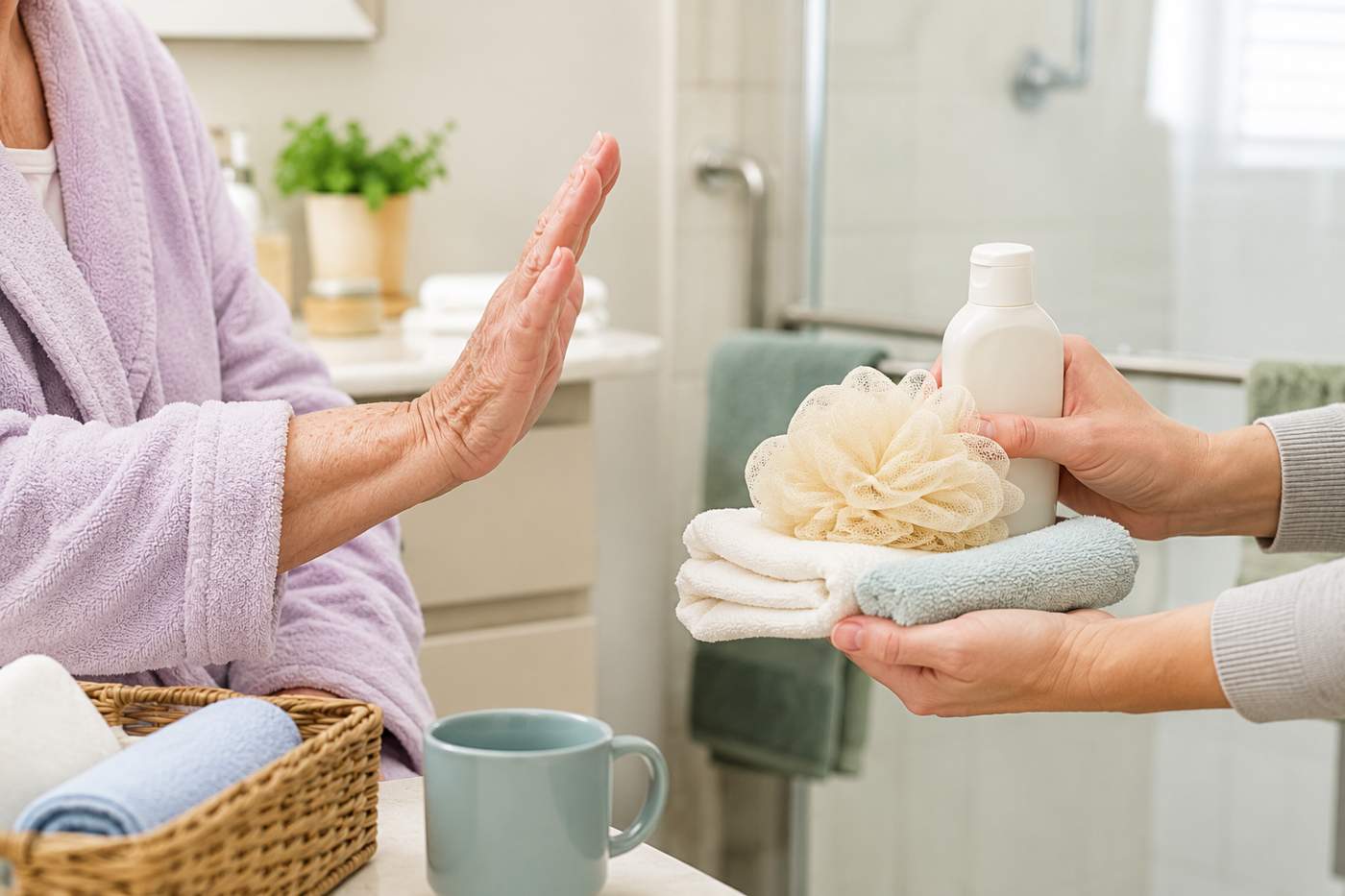
Many families are surprised when an older loved one begins refusing assistance with personal hygiene. Tasks that once seemed routine, such as bathing, brushing hair, or getting dressed, can become sources of frustration and conflict. Understanding the reasons behind this behavior is an important step toward providing compassionate support. Families seeking home care Burbank, CA services often encounter this challenge and wonder how to respond in a respectful way.
Table of Contents
The Importance of Personal Independence
One of the most common reasons seniors resist help with bathing and grooming is the desire to maintain independence. Personal care is deeply connected to a person’s sense of control and self-respect.
After spending decades managing their own daily routines, many older adults may feel uncomfortable when someone else steps in to assist. Even when help is necessary, accepting it can feel like giving up a part of their autonomy.
Approaching these situations with patience and respect can help reduce feelings of embarrassment or loss of control.
Physical Discomfort Can Make Hygiene Difficult
Bathing and grooming can become physically challenging with age. Conditions such as arthritis, joint pain, balance issues, or limited mobility may make these activities uncomfortable.
A senior who experiences pain while standing in the shower or lifting their arms to wash their hair may begin avoiding the task altogether. Rather than expressing discomfort directly, they may simply refuse assistance or claim they do not need help.
Identifying and addressing physical barriers can make personal care feel more manageable and less stressful.
Feelings of Vulnerability and Privacy Concerns
Bathing is one of the most private activities a person performs. For many seniors, receiving assistance with personal hygiene can feel invasive.
Being helped by a family member or caregiver may trigger feelings of vulnerability, modesty, or embarrassment. This is especially true if the individual has never relied on others for personal care before.
Creating a calm environment and preserving dignity throughout the process can help build trust and reduce resistance.
Cognitive Changes May Affect Cooperation
Memory loss and cognitive decline can significantly impact a senior’s willingness to participate in grooming and bathing routines.
Individuals living with dementia or other cognitive conditions may:
• Forget when they last bathed
• Feel confused about the purpose of personal care
• Misinterpret a caregiver’s intentions
• Become anxious when routines change
In these situations, gentle reminders and consistent routines are often more effective than arguments or pressure.
Fear of Falling
Many older adults have a legitimate fear of slipping or falling in the bathroom. Wet floors, slippery tubs, and limited balance can make bathing feel risky.
Even seniors who have never experienced a fall may worry about losing their footing. This fear can lead them to avoid showers or baths entirely.
Safety modifications and supportive assistance can help increase confidence while reducing anxiety.
Emotional Factors Can Play a Role
Emotional health often influences personal hygiene habits. Seniors experiencing depression, grief, loneliness, or anxiety may lose interest in self-care.
A decline in grooming habits is sometimes one of the first signs that an older adult is struggling emotionally. What appears to be stubbornness may actually reflect deeper feelings that need attention and support.
Taking time to listen and understand what a loved one is experiencing can make a meaningful difference.
Building Trust Through Compassion
Helping a senior with bathing and grooming requires more than simply completing a task. It involves preserving dignity, respecting preferences, and encouraging participation whenever possible.
Simple approaches such as offering choices, maintaining familiar routines, and explaining each step can help reduce resistance. A calm, reassuring attitude often encourages greater cooperation than rushing or insisting.
Professional caregivers are trained to recognize these sensitivities and provide support in a way that promotes comfort and confidence.
Supporting Better Daily Living
Resistance to bathing and grooming is often rooted in understandable concerns, including privacy, physical discomfort, fear, and a desire for independence. By identifying the underlying reasons, families can respond with greater empathy and create a more positive experience for their loved ones.
For many families, trusted support from experienced caregivers can help seniors maintain good hygiene while preserving dignity and quality of life. Organizations understand the importance of delivering personal care with compassion, patience, and respect.
If your loved one is struggling with personal care routines, compassionate support can make a meaningful difference. Learn more about how home care Burbank, CA services can help promote comfort, dignity, and independence. Contact Always Best Care of Studio City today at (818) 572-2799 to speak with our team, explore personalized care solutions, and schedule your consultation.