

Supporting Seniors With Heart Conditions and COPD in Tempe’s Hot Weather

Tempe’s heat doesn’t tiptoe in; it settles over the city and lingers, especially during peak summer. For seniors living with heart conditions or COPD, that kind of weather can turn everyday routines into real challenges. What feels like a simple hot afternoon can quietly strain the heart or make breathing more difficult.
That’s why understanding how to Support Seniors with Heart Conditions and COPD in Tempe’s Hot Weather matters more than most people realize. With the right habits and a bit of planning, families can help their loved ones stay safe, steady, and comfortable even on the hottest days.
What you will learn:
- How Tempe’s extreme heat affects seniors living with heart conditions and COPD.
- The key warning signs of heat-related stress on the heart and lungs.
- Practical ways to keep seniors safe, cool, and comfortable during hot weather.
- How caregivers and professional support can help manage daily health needs in the heat.
Table of Contents
Why Tempe’s Heat Is Risky for Seniors
Arizona heat has a way of pushing the body harder than expected. As temperatures climb, the body works overtime to cool itself, placing added pressure on both the heart and lungs. For seniors, especially those with pre-existing conditions, that extra effort can lead to complications.
Dry air, intense sun, and long stretches of high temperatures can also contribute to dehydration. Once dehydration sets in, circulation becomes less efficient, and breathing may feel more labored. It’s a chain reaction that can escalate quickly without proper care.
How Heat Affects Heart Conditions and COPD
Strain on the Heart and Circulation
Hot weather causes blood vessels to dilate, which may seem harmless, but it can lower blood pressure and force the heart to work harder to keep blood flowing properly. For someone already managing a heart condition, that added strain can lead to fatigue, dizziness, or even chest discomfort.
Breathing Challenges and Reduced Lung Function
For seniors with COPD, heat can feel suffocating. Warm air, especially when paired with poor air quality, makes it harder to breathe comfortably. Airways may become irritated, and oxygen levels can dip more easily. Even light activity can feel exhausting under these conditions.
High-Risk Situations During Hot Weather
Certain situations tend to raise the risk level without much warning. Midday outings, poorly ventilated homes, or even short periods without air conditioning can worsen conditions. It’s not always about extreme exposure; sometimes, it’s the buildup of heat over time that causes trouble.
Even routine errands or brief walks can become taxing if the timing isn’t right. Heat doesn’t need hours to have an impact; sometimes, minutes are enough.

Warning Signs Families Should Watch For
Changes often start small. A senior who seems more tired than usual or slightly short of breath may be showing early signs of heat-related stress. These subtle cues can easily be overlooked, especially during a busy day.
As symptoms progress, they may include dizziness, leg swelling, persistent coughing, or difficulty catching a full breath. In more serious cases, confusion or chest pain can develop. Those are signals that shouldn’t be brushed aside.
Preventive Measures to Keep Seniors Safe
Keeping seniors safe during Tempe’s hot weather often comes down to consistency and awareness. A steady routine, paired with a few practical adjustments, can make a noticeable difference.
- Keep indoor spaces cool and well-ventilated throughout the day
- Encourage regular hydration, even if there’s no strong sense of thirst
- Limit outdoor activities to early mornings or evenings
- Ensure medications and oxygen equipment are used as prescribed
- Pay attention to daily weather and air quality updates
These simple steps, taken together, can help reduce unnecessary strain on both the heart and lungs.

Caregiver Tips for Daily Support
Caregiving during extreme heat often means staying one step ahead. It’s about noticing patterns, catching small changes early, and adjusting routines as needed. A missed medication, a skipped glass of water, or a restless night can all signal that something needs attention.
Keeping communication open with healthcare providers helps guide decisions, especially when symptoms shift. Just as important, maintaining a calm and comfortable environment at home can ease both physical and emotional stress.
How Always Best Care of Tempe Can Help
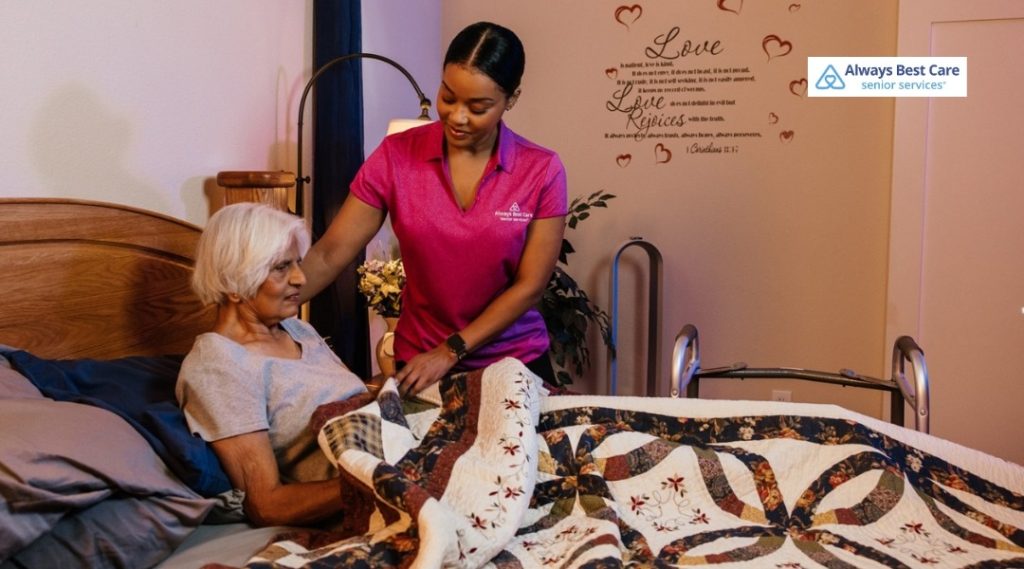
Always Best Care of Tempe understands how demanding summer conditions can be for seniors with heart conditions and COPD. Their caregivers provide hands-on support that goes beyond basic assistance, helping monitor symptoms, manage daily routines, and ensure medications are taken correctly.
Because they know the local climate, they’re prepared for the challenges it brings. Whether it’s adjusting care during a heatwave or simply keeping a close eye on subtle health changes, their team offers dependable support that families can trust.

Frequently Asked Questions
Q: Why is hot weather dangerous for seniors with heart conditions?
A: High temperatures can increase strain on the heart, lower blood pressure, and lead to dehydration, all of which can worsen existing heart issues.
Q: How does heat affect seniors with COPD?
A: Heat can make breathing more difficult by irritating airways and reducing oxygen levels, especially during periods of poor air quality.
Q: What are the early warning signs of heat-related issues?
A: Common signs include fatigue, dizziness, shortness of breath, swelling, and confusion.
Q: How can families help seniors stay safe in extreme heat?
A: Keeping indoor environments cool, encouraging hydration, limiting outdoor exposure, and monitoring symptoms closely are all effective steps.
Q: Can professional caregivers assist during hot weather?
A: Yes, caregivers can help manage medications, monitor health conditions, and provide daily support to reduce heat-related risks.
Keeping Seniors Safe and Comfortable in the Heat
Tempe’s heat can be relentless, but with the right care and attention, seniors with heart conditions and COPD can still move through the season with confidence. It’s all about staying aware, making small adjustments, and responding quickly when something feels off.
If managing these challenges feels like too much to handle alone, Always Best Care of Tempe is ready to help. Reach out today at (480) 764-4172 to learn how their compassionate team can support your loved one with personalized care, ensuring they stay safe, comfortable, and well cared for no matter how high the temperature climbs.
Link to the Markdown File version of the article