

Blood Sugar and Aging in Vacaville: The Warning Signs That Shouldn’t Be Ignored
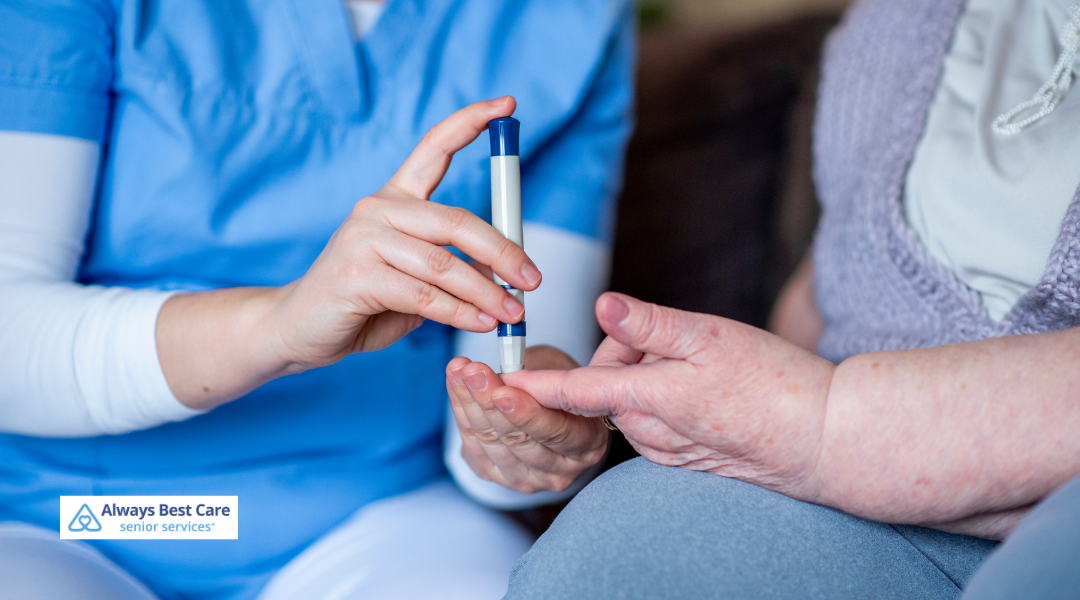
For older adults living with diabetes, managing blood sugar isn’t a one-time achievement — it’s an ongoing process that shifts with age. Even seniors who have kept their diabetes well-controlled for decades can find that what worked before no longer works as well. Understanding why this happens, and what to watch for, can help families in Vacaville take a more active and informed role in their loved one’s care.
What you will learn:
- Why blood sugar becomes harder to manage as your loved one gets older, and what common factors can throw things off balance.
- How to spot the warning signs of both low and high blood sugar in seniors, even when symptoms are subtle.
- Simple, consistent routines families can build to help keep blood sugar stable and reduce everyday risk.
- When it might be time to bring in professional caregiving support, and how it can make a real difference in your loved one’s daily diabetes care.
Table of Contents
Why Blood Sugar Becomes More Unpredictable with Age
Aging introduces a range of variables that can throw blood sugar management off balance. It’s rarely just one thing — it’s usually a combination of factors working together.
As the body ages, the kidneys become less efficient at filtering glucose. Hormonal changes can blunt the body’s response to insulin. Muscle mass decreases, which affects how the body processes sugar. And many older adults are managing multiple chronic conditions simultaneously, each requiring its own medication — some of which can interact with diabetes treatment in unexpected ways.
Managing diabetes in seniors also becomes more complex when cognitive changes enter the picture. A senior who forgets to take their medication, skips a meal, or doesn’t realize they haven’t eaten in hours is at real risk for a blood sugar episode — even if they’ve been managing their condition independently for years.
Other common disruptors include:
- Illness or infection — Even a minor cold can cause blood sugar to spike
- Changes in appetite — Eating less than usual can lead to dangerous lows
- Reduced physical activity — Mobility limitations can affect how the body uses glucose
- Stress — Both physical and emotional stress can raise blood sugar levels
- New or adjusted medications — Steroids, diuretics, and other common drugs can affect glucose
This is why regular blood sugar monitoring and consistent communication with healthcare providers are so important — not just at diagnosis, but throughout the aging process.
Recognizing Low Blood Sugar (Hypoglycemia)
Low blood sugar occurs when glucose levels drop below the healthy range. It can come on quickly and, in older adults, the symptoms are sometimes mistaken for other age-related issues — which makes it especially dangerous.
Common symptoms include:
- Shaking or trembling
- Sweating, even when not warm
- Sudden dizziness or weakness
- Intense hunger
- Headache
- Irritability, anxiety, or mood changes
- Difficulty concentrating or following a conversation
- Confusion or disorientation
- Unsteady gait or coordination problems
What makes hypoglycemia particularly tricky in older adults is that some seniors lose the ability to feel the early warning signs — a condition called hypoglycemia unawareness. By the time symptoms are obvious, the situation may already be serious.
Severe hypoglycemia can lead to seizures, loss of consciousness, or falls. If a loved one is unresponsive or cannot safely swallow, call 911 immediately.
Recognizing High Blood Sugar (Hyperglycemia)
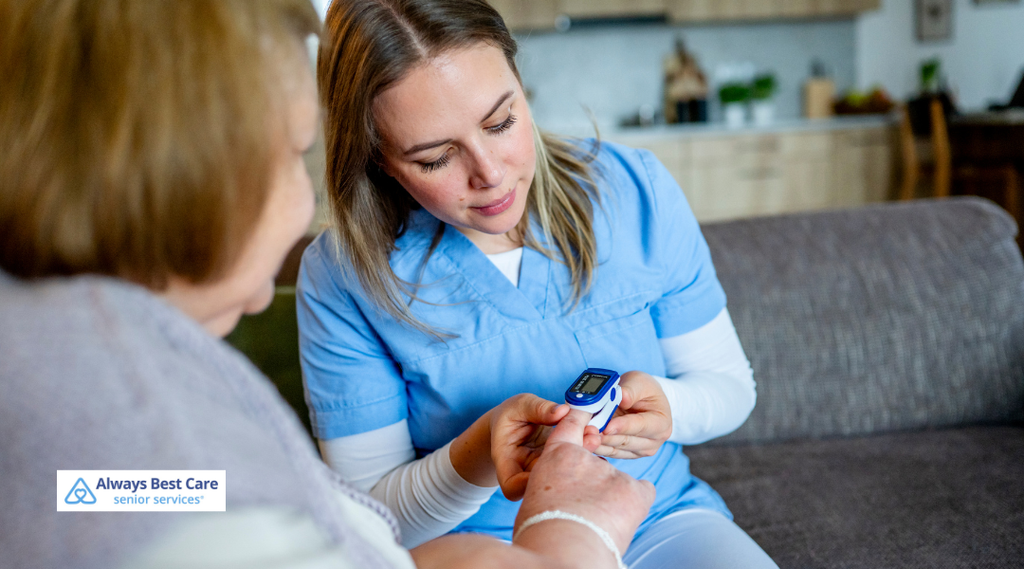
Unlike low blood sugar, high blood sugar tends to develop gradually — which means the warning signs can be subtle and easy to dismiss as “just getting older.”
Symptoms to watch for include:
- Increased thirst that doesn’t go away
- Frequent urination, especially at night
- Blurred or worsening vision
- Persistent fatigue or weakness
- Headaches
- Unexplained weight loss
- Wounds, cuts, or bruises that are slow to heal
- Recurring infections (urinary tract, skin, or gum infections)
When blood sugar remains elevated over time, it quietly damages blood vessels and nerves throughout the body — affecting the eyes, kidneys, heart, and feet. Long-term uncontrolled hyperglycemia is one of the leading causes of preventable complications in older adults with diabetes.
In severe cases, very high blood sugar can cause a medical emergency. Symptoms like extreme confusion, rapid breathing, fruity-smelling breath, or loss of consciousness require immediate emergency care.
What Families Should Pay Attention To
You don’t need a medical degree to be a meaningful part of your loved one’s diabetes care. In many cases, family members are the first to notice that something is off — precisely because they know what “normal” looks like for that person.
Here are some behavioral and physical changes worth paying attention to:
- Unusual fatigue — More tired than normal, even after rest
- Increased thirst or bathroom trips — Especially if this is a new pattern
- Mood or personality shifts — Irritability, confusion, or withdrawal
- Changes in appetite — Eating significantly more or less than usual
- Coordination or balance issues — Stumbling, dropping things, or moving differently
- Slow wound healing — A cut or sore that isn’t improving
If your loved one has diabetes, it’s worth having a direct conversation with their healthcare provider about:
- Their personal target blood sugar range
- How often glucose should be checked at home
- Which symptoms warrant a call to the doctor
- What constitutes an emergency
Having this information written down and accessible — for both the senior and any caregivers — can make a real difference in a moment of uncertainty.

Building Routines That Support Stable Blood Sugar
Consistency is one of the most powerful tools in diabetes management. When daily habits are predictable, blood sugar tends to be more stable and easier to manage.
Depending on the senior’s care plan, helpful routines may include:
- Regular meal timing — Eating at consistent times each day helps prevent spikes and drops
- Medication adherence — Taking medications exactly as prescribed, at the right times
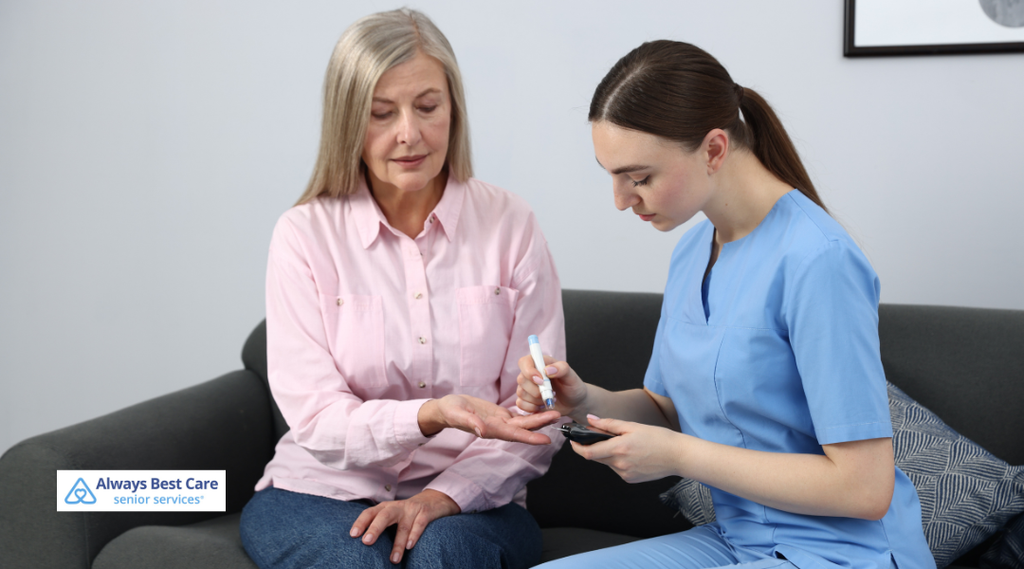
- Routine glucose monitoring — Checking blood sugar as directed by the healthcare provider
- Adequate hydration — Dehydration can raise blood sugar levels
- Appropriate physical activity — Even gentle movement like walking supports glucose regulation
- Scheduled medical appointments — Regular check-ins allow for early detection of changes
It’s also important to keep healthcare providers updated on every medication and supplement the senior is taking. Even over-the-counter products can interact with diabetes medications and affect blood sugar control.
When Memory or Mobility Problems Complicate Diabetes Care in Vacaville
Managing diabetes requires a level of daily attention that can become genuinely difficult for seniors dealing with cognitive or physical challenges.
For a senior with memory loss, keeping track of when they last ate, whether they took their insulin, or what their blood sugar reading was an hour ago can be overwhelming. Missed doses and skipped meals become more frequent — and the consequences can be serious.
Physical limitations add another layer of difficulty. Arthritis can make it hard to use a glucose meter. Vision changes can make it difficult to read medication labels or check blood sugar results accurately. Limited mobility can make it harder to prepare balanced meals or get to medical appointments.
These aren’t signs of failure — they’re signs that additional support may be needed.
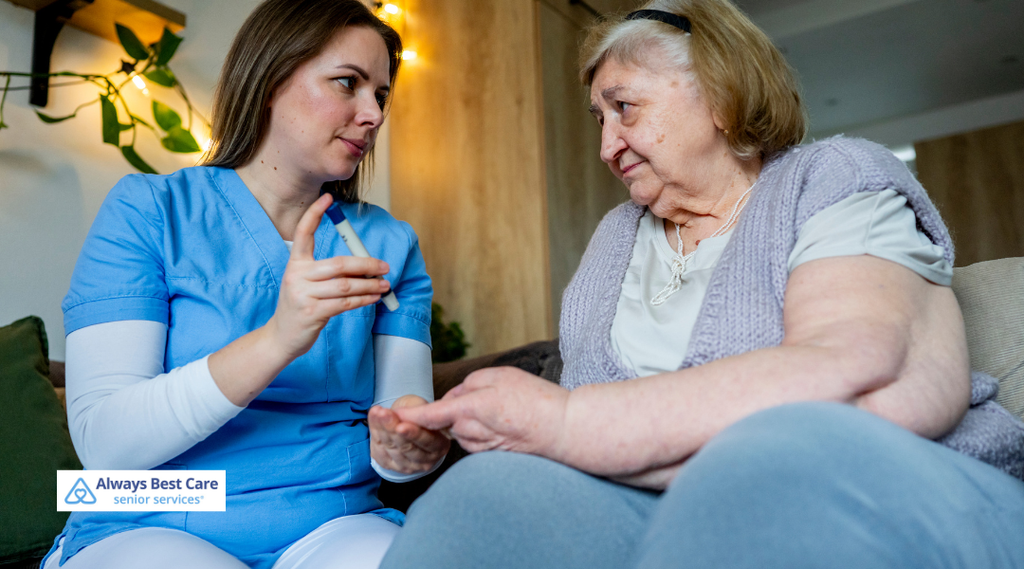
How Always Best Care of Vacaville Can Help
Living well with diabetes is about much more than numbers on a glucose meter. It’s about consistent routines, good nutrition, proper hydration, regular movement, and staying connected to healthcare providers — all of which become harder to manage alone as the years go on.
Always Best Care of Vacaville caregivers provide hands-on daily support that makes a real difference, including:
- Preparing nutritious meals and snacks on a consistent schedule
- Providing medication reminders at the right times
- Encouraging hydration and safe physical activity
- Assisting with transportation to medical appointments
- Monitoring for changes in behavior, mood, or physical condition
- Communicating observations to family members and healthcare providers
For seniors who qualify for home health services, skilled nursing professionals can provide additional clinical support — including glucose monitoring, wound care, and coordination with the senior’s care team.
Helping Your Loved One Stay Safe with Diabetes
Blood sugar can shift quickly, and older adults don’t always recognize the warning signs in themselves. Having a knowledgeable, attentive presence — whether that’s a family member, a professional caregiver, or both — can be the difference between a manageable situation and a medical emergency.
If your loved one has diabetes and could benefit from more consistent support at home, Always Best Care of Vacaville is here to help. Contact Always Best Care of Vacaville at (707)306-8245 to schedule a care consultation and learn how our team can support safer routines, greater independence, and a better quality of life.
Frequently Asked Questions
Q: What blood sugar levels are considered dangerous for older adults?
A: Blood sugar below 70 mg/dL is generally considered low (hypoglycemia), while levels above 180 mg/dL after meals may indicate hyperglycemia. However, target ranges vary by individual. Seniors should work with their healthcare provider to establish personal goals, as overly aggressive targets can actually increase the risk of dangerous lows in older adults.
Q: Can older adults develop diabetes for the first time later in life?
A: Yes. Type 2 diabetes is commonly diagnosed in adults over 65. Risk factors include excess weight, physical inactivity, family history, and certain medications. Regular screening is important, especially for seniors who haven’t been previously diagnosed.
Q: How often should a senior with diabetes check their blood sugar at home?
A: This depends on the type of diabetes, medications used, and the individual’s health status. Some seniors may need to check multiple times a day; others less frequently. A healthcare provider should guide the monitoring schedule.
Q: What should I do if I think my loved one is having a blood sugar emergency?
A: If the person is conscious and able to swallow safely, a fast-acting source of sugar (like juice or glucose tablets) can help with low blood sugar. If they are confused, unconscious, or unable to swallow, call 911 immediately. For suspected high blood sugar emergencies, also call 911.
Q: Can a professional caregiver help manage diabetes?
A: Non-medical caregivers can provide critical support — meal preparation, medication reminders, transportation, and monitoring for warning signs. For clinical needs like glucose monitoring or insulin administration, home health professionals with appropriate training and licensure are required.
Q: Is it normal for blood sugar control to get worse with age, even without changes in diet or medication?
A: Yes. Physiological changes associated with aging — including reduced kidney function, changes in hormone levels, and decreased muscle mass — can all affect how the body regulates blood sugar. Regular check-ins with a healthcare provider help ensure the treatment plan keeps pace with these changes.
Link to the Markdown File version of this article.