Home Wound Care in Vacaville: Knowing When Skilled Nursing Is Needed
Caring for a wound at home sounds straightforward — clean it, cover it, and let it heal. But for older adults, wound care is rarely that simple. Slower healing, chronic health conditions, and age-related skin changes can turn a minor injury into a serious medical concern. Knowing when to manage a wound at home and when to call in a skilled nurse can make all the difference in your loved one’s recovery.
What you will learn:
- How aging affects the body’s ability to heal wounds and why older adults face unique challenges during recovery.
- Which types of wounds call for skilled nursing care and the warning signs that something needs immediate attention.
- What a skilled home health nurse actually does during wound care visits and how their expertise supports safer healing at home.
- How in-home caregivers and preventive strategies work alongside clinical care to help your loved one recover comfortably.
Table of Contents
How Aging Changes the Way Wounds Heal
Skin naturally becomes thinner, drier, and less elastic with age. This makes it easier to tear and slower to repair. But the skin itself is only part of the picture.
Several factors compound the challenge for older adults:
- Reduced circulation limits the delivery of oxygen and nutrients that tissues need to heal
- Immune system changes make it harder for the body to fight off bacteria at the wound site
- Chronic conditions like diabetes, heart disease, or venous insufficiency directly interfere with the healing process
- Medications such as blood thinners, steroids, or immunosuppressants can slow clotting and tissue repair
- Nutritional gaps — inadequate protein, vitamin C, zinc, or hydration — deprive the body of the raw materials it needs to rebuild tissue
Nutrition also plays a critical role. According to Dietitians of America, adequate protein, vitamin C, zinc, and hydration are all essential to tissue repair, and many older adults do not consistently meet these needs.
Types of Wounds That Often Require Skilled Nursing
Some wounds can be safely managed with basic first aid and attentive home care. Others need a licensed nurse involved from the start. Skilled nursing is typically recommended for:
- Surgical incisions that need ongoing monitoring after a hospital discharge
- Pressure injuries (bedsores) at any stage, particularly Stage 2 and above
- Diabetic foot ulcers, which carry a high risk of infection and amputation if not properly treated
- Venous or arterial leg ulcers related to circulation problems
- Skin tears that are large, deep, or not closing properly
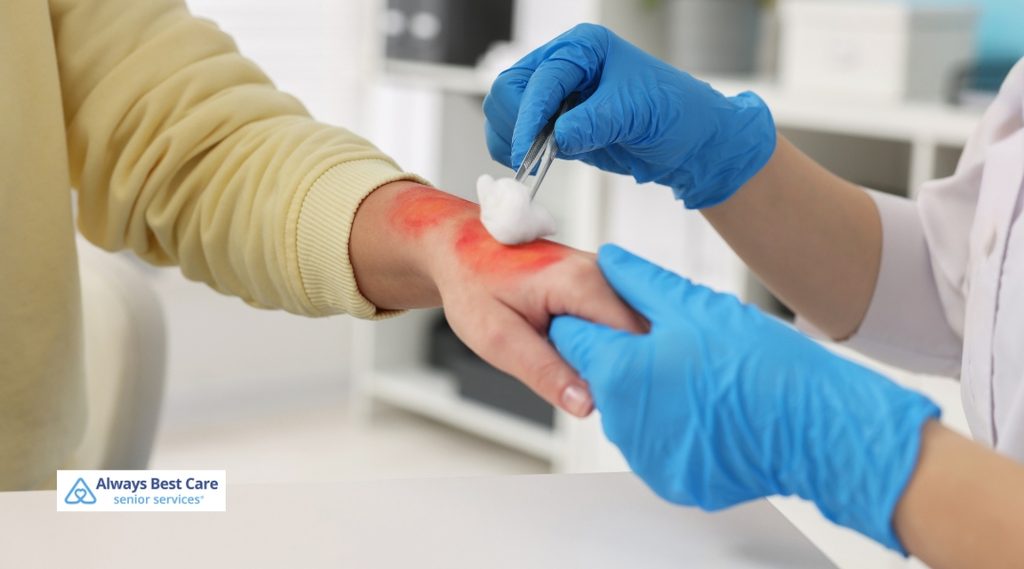
- Burns beyond minor superficial injuries
- Infected wounds showing signs of spreading or systemic involvement
- Chronic wounds that have not shown measurable improvement after two to four weeks of treatment
Seniors with diabetes, compromised immune systems, or circulatory conditions are at higher risk and should be monitored closely. The American Diabetes Association notes that foot wounds in people with diabetes can deteriorate quickly and should never be left unassessed.
Warning Signs That a Wound Needs Immediate Attention
Families and caregivers should monitor wounds closely between nursing visits. Contact a healthcare provider promptly if you notice:
- Increasing redness, warmth, or swelling around the wound
- Pus, cloudy drainage, or a foul odor
- The wound growing larger rather than smaller
- Skin around the wound turning dark or discolored
- Fever, chills, or sudden confusion in the senior
- A general decline in energy or appetite that coincides with the wound
Sepsis — a life-threatening response to infection — can develop quickly in older adults. When in doubt, seek medical evaluation rather than waiting to see if symptoms resolve on their own.
What a Skilled Home Health Nurse Does for Wound Care in Vacaville
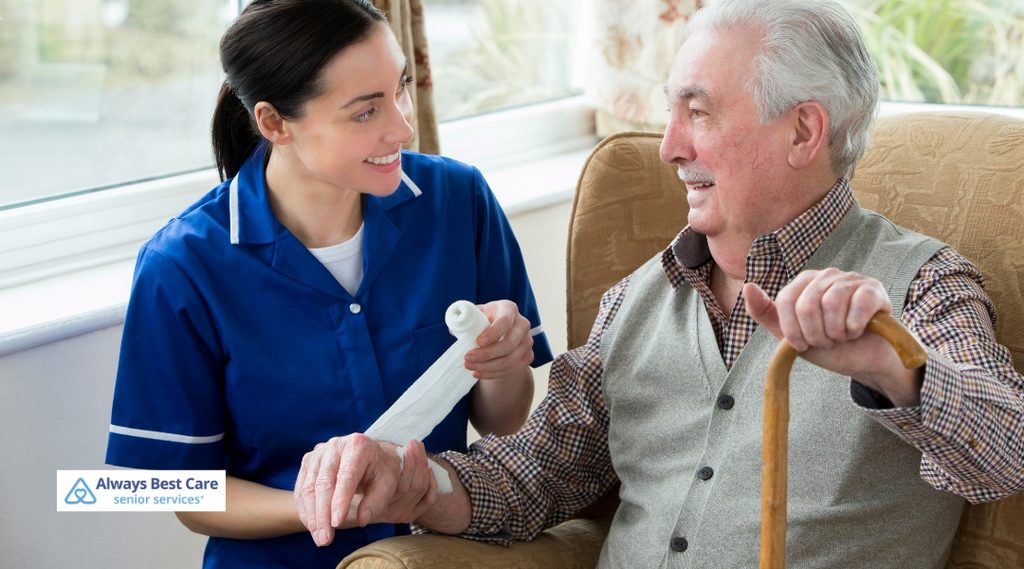
When skilled nursing is ordered by a physician, a licensed nurse visits the home and provides clinical wound care as part of a documented treatment plan. This typically includes:
- Wound assessment — measuring size, depth, and tissue type to track healing progress
- Debridement — removing dead or damaged tissue that can block healing (when ordered)
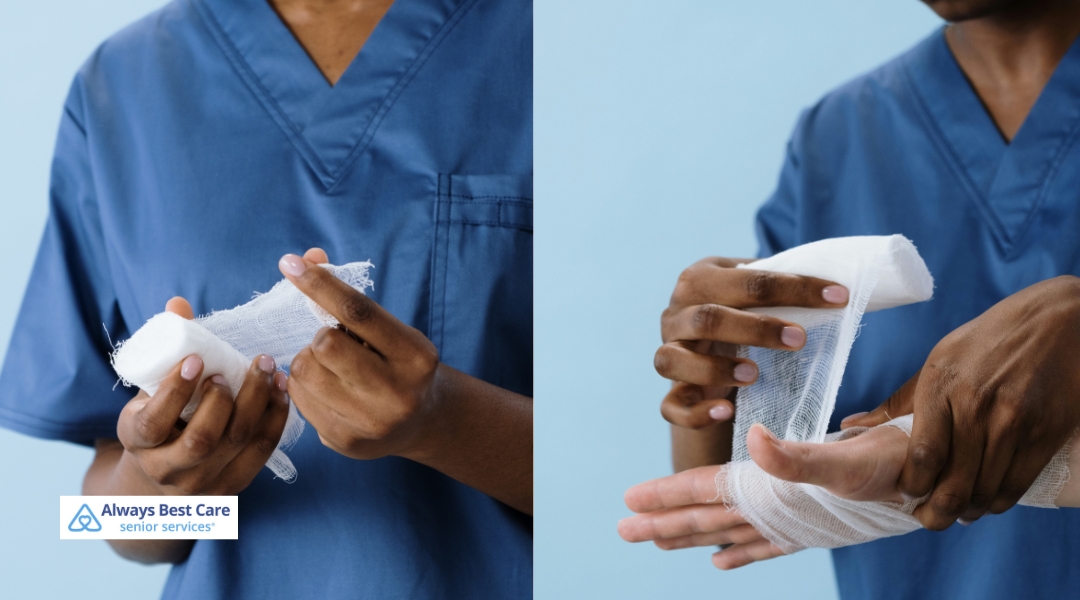
- Dressing changes — selecting and applying the appropriate wound dressing for the type and stage of the wound
- Infection monitoring — identifying early signs of complications before they escalate
- Coordination with the care team — reporting changes to the physician and adjusting the care plan as needed
- Caregiver education — teaching family members what to watch for between visits and how to support healing at home
This level of clinical oversight is not something that can be replicated with over-the-counter supplies alone. A skilled nurse brings both the training and the tools to manage complex wounds safely outside of a hospital setting.
Preventing Pressure Injuries Before They Start
For seniors with limited mobility, prevention is just as important as treatment. Pressure injuries develop when sustained pressure cuts off blood flow to the skin — most commonly over bony areas like the heels, hips, tailbone, and elbows.
Preventive strategies include:
- Repositioning every two hours for bed-bound individuals, or more frequently if skin changes are already present
- Using pressure-relieving mattresses, cushions, or heel protectors
- Keeping skin clean, dry, and moisturized
- Ensuring adequate nutrition and fluid intake
- Conducting daily skin checks, especially in high-risk areas
Health America recognises pressure injuries as a significant patient safety concern, particularly for older adults receiving care at home or in long-term settings.
How In-Home Caregivers Support the Healing Process
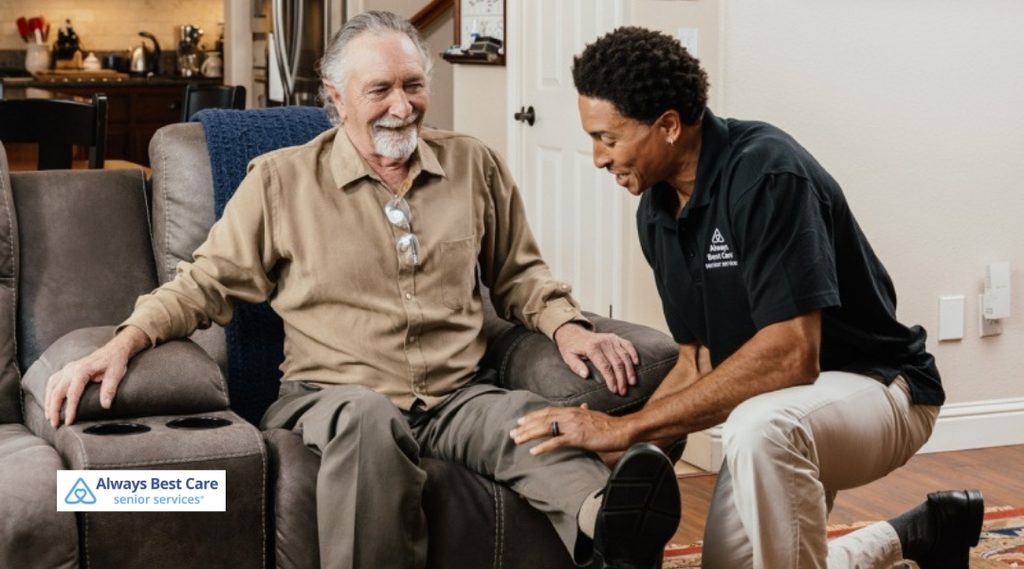
Skilled nursing addresses the clinical side of wound care, but recovery also depends on consistent daily support. In-home caregivers play a meaningful role by:
- Assisting with personal hygiene and keeping the wound area clean and protected
- Preparing nutritious meals that support tissue repair
- Encouraging adequate hydration
- Helping with mobility and repositioning to reduce pressure
- Reminding seniors to take prescribed medications
- Observing and reporting any changes in the wound or the senior’s overall condition
When skilled nursing and in-home care work in coordination, seniors receive both the medical oversight and the day-to-day support they need to heal safely at home.
Supporting Safer Recovery at Home in Vacaville
Complex wound care does not have to fall entirely on families. With the right professional support, many seniors can recover effectively at home — avoiding unnecessary hospitalizations and maintaining their comfort and independence.
Always Best Care of Vacaville provides services designed to help older adults stay safe and well-supported throughout recovery. Depending on your loved one’s needs and what is available in your area, services may include skilled nursing through a home health referral and in-home caregivers who assist with daily tasks.
If your loved one is managing a wound, recovering from surgery, or dealing with a chronic condition that affects healing, reach out to Always Best Care of Vacaville at (707)306-8245 to schedule a care consultation and explore your options.
Frequently Asked Questions
Q: Can Medicare cover skilled nursing for wound care at home?
A: Medicare Part A may cover skilled home health services, including wound care, if a physician certifies that the patient is homebound and requires skilled nursing. Coverage is subject to eligibility requirements and the specific services ordered. Contact Medicare or a home health agency for details on what may apply to your situation.
Q: How do I know if a wound is infected?
A: Signs of infection include increasing redness or warmth, swelling, pus or cloudy drainage, a foul smell, and pain that is getting worse rather than better. Systemic signs like fever, chills, or sudden confusion suggest the infection may be spreading and require immediate medical attention.
Q: How often will a home health nurse visit for wound care?
A: Visit frequency depends on the physician’s orders and the wound’s severity. Some wounds require daily nursing visits; others may be managed with visits two to three times per week. The care plan is adjusted as the wound progresses.
Q: What is the difference between home health and in-home care?
A: Home health refers to medically ordered services provided by licensed professionals — such as skilled nurses or physical therapists — and is typically covered by Medicare or insurance when eligibility criteria are met. In-home care refers to non-medical assistance with daily tasks like bathing, meals, and companionship, and is usually a private-pay service. Both can be used at the same time.
Q: When should a senior go to the ER instead of waiting for a home health visit?
A: Go to the emergency room if the wound is bleeding heavily and not stopping, if there are signs of a serious infection spreading rapidly (red streaking from the wound), or if the senior develops a high fever, severe confusion, or difficulty breathing. These are signs that immediate medical intervention is needed.
Link to the Markdown File version of this article.