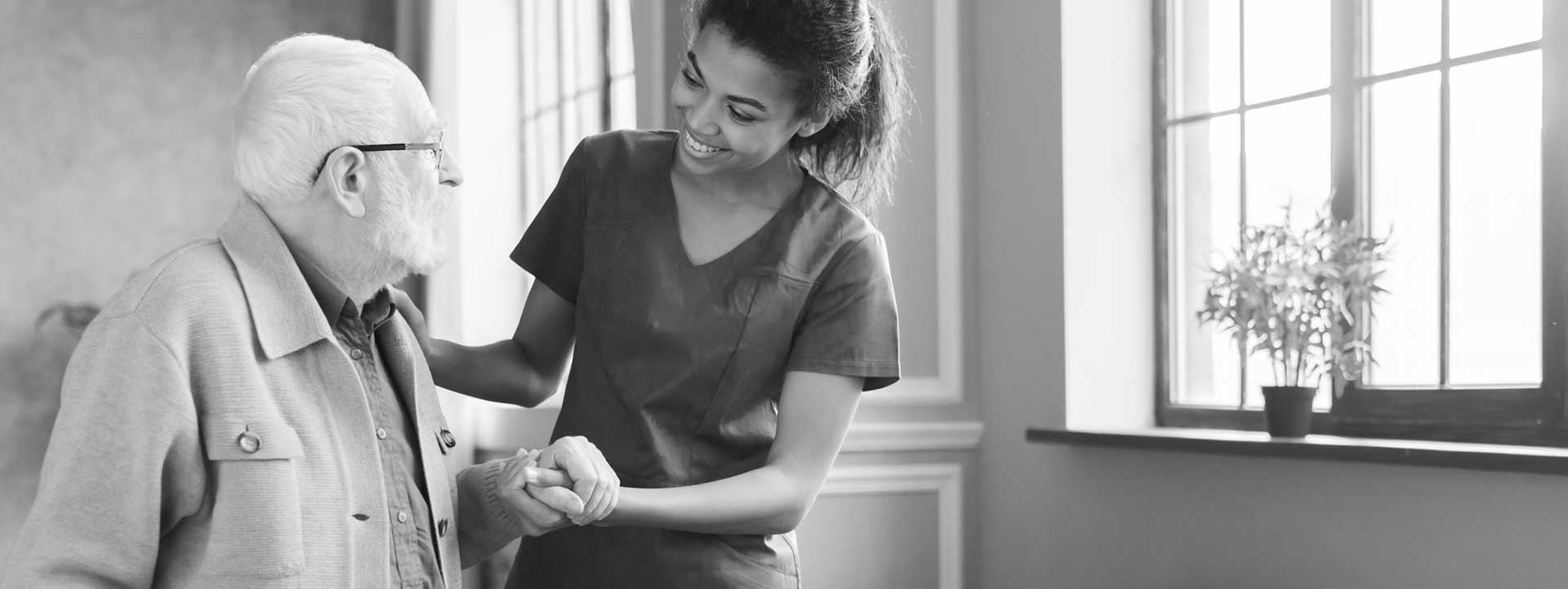
How Skilled Nursing Supports East Bay Seniors With Cognitive Decline: Clinical Care With a Human Touch
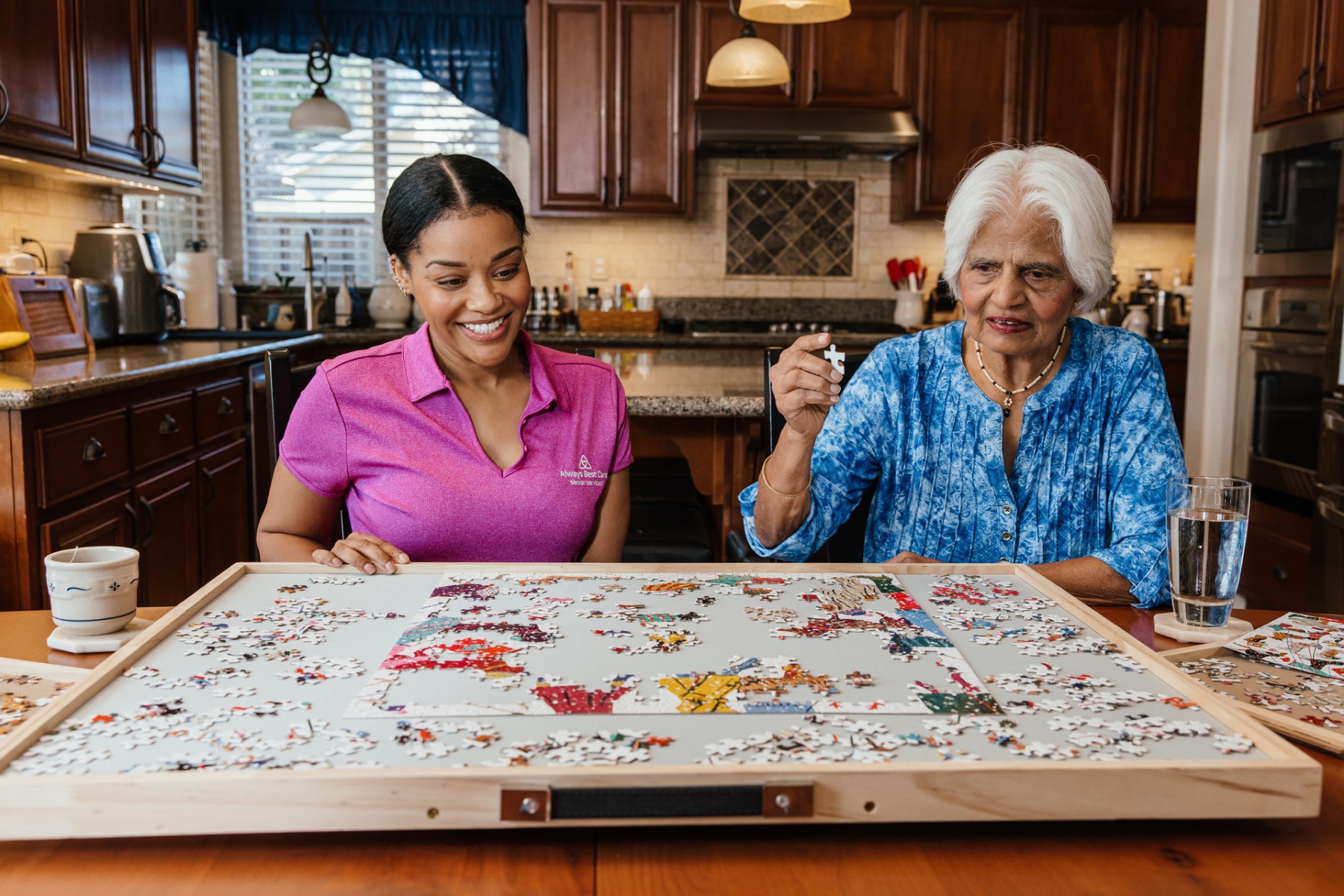
Cognitive changes can turn ordinary routines into tricky territory. A missed medication, an unexplained fall, or a new bout of confusion may leave families wondering what to do next. While companionship and personal care are helpful, some situations call for trained clinical support at home.
How Skilled Nursing Supports East Bay Seniors With Cognitive Decline begins with understanding that memory changes often overlap with medical needs. A licensed nurse can bring clinical know-how, careful observation, and a reassuring presence right to the front door.
What you will learn:
- How cognitive decline can affect a senior’s health, safety, and everyday routines.
- What skilled nursing care provides for seniors with complex medical needs at home.
- How nursing support can help with medication, chronic conditions, health monitoring, and care coordination.
- Why combining clinical care with in-home assistance can offer comfort and reassurance for East Bay families.
Table of Contents
When Cognitive Decline Becomes a Health Concern
Forgetfulness is one thing; changes that affect health and safety are another kettle of fish. A senior may struggle to follow a medication plan, notice symptoms of illness, drink enough water, or explain how they’re feeling. Conditions such as Alzheimer’s disease, vascular dementia, Parkinson’s disease, stroke, diabetes, and heart disease can make care more complex.
Families may notice concerns such as:
- Missed or repeated medication doses
- Frequent falls or changes in walking
- New confusion after an illness or hospitalization
- Difficulty managing chronic conditions
- Poor appetite, dehydration, or unexplained weight changes
- Skin issues, wounds, or infection concerns
These signs don’t automatically mean a crisis is around the corner. Still, they’re worth discussing with a healthcare provider, especially if they appear suddenly or worsen quickly.
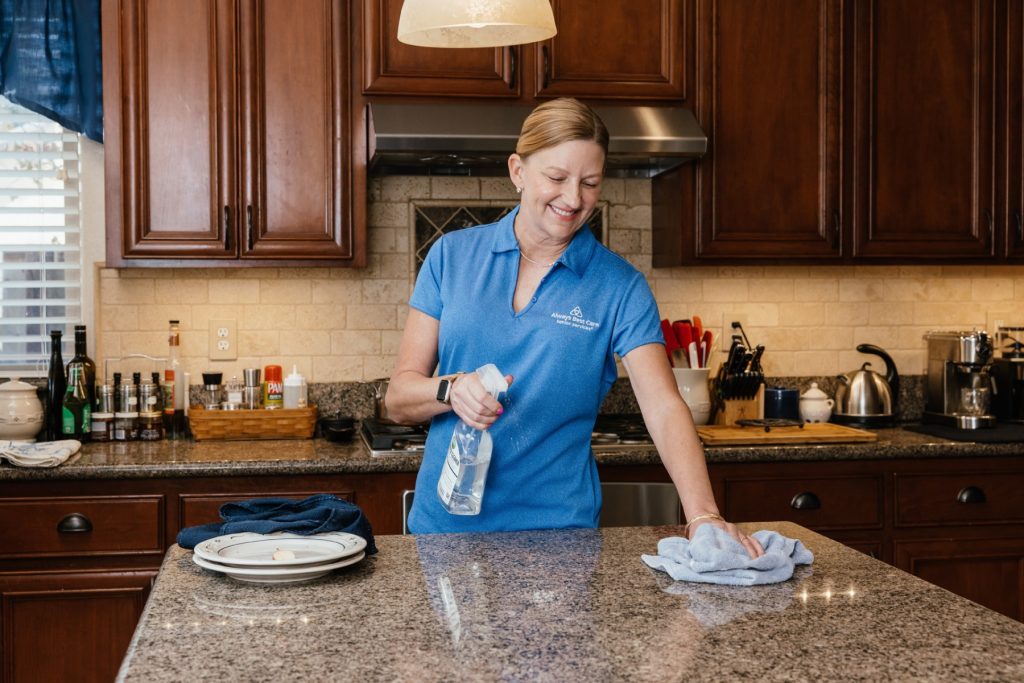
What Skilled Nursing Care Can Provide
Clinical Support at Home
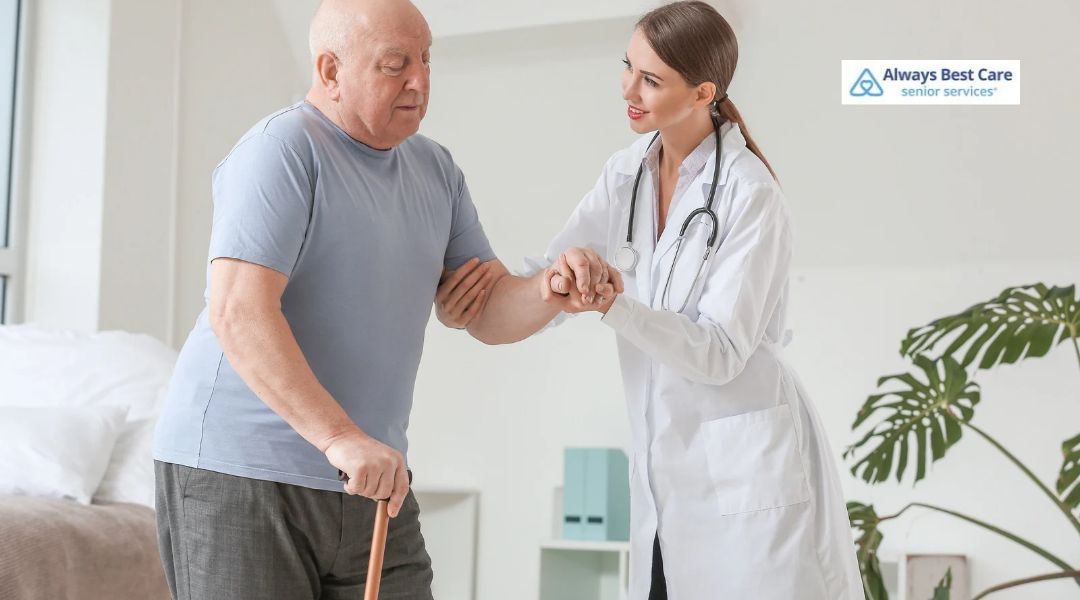
Skilled nursing is medical care provided by a licensed nurse. Unlike companion care, it focuses on clinical needs that require professional training, assessment, and oversight.
Depending on a physician’s plan of care and the senior’s needs, nursing support may involve health assessments, vital-sign monitoring, medication management, chronic-condition education, wound care, and recovery support after illness or surgery. Always Best Care of East Bay describes skilled nursing as an option for more complex needs, including wound care and chronic-condition management.
A Watchful Eye on Changing Needs
Cognitive decline can make it harder for a senior to recognize or report a health concern. A nurse can monitor for changes in symptoms, mobility, nutrition, hydration, skin condition, and overall functioning. Spotted early, small issues can be addressed before they become much harder to manage.
With careful observation and communication, a nurse can help keep physicians, family members, and other care professionals aligned. That coordination can feel like a breath of fresh air for families juggling appointments, instructions, and a loved one’s changing needs.
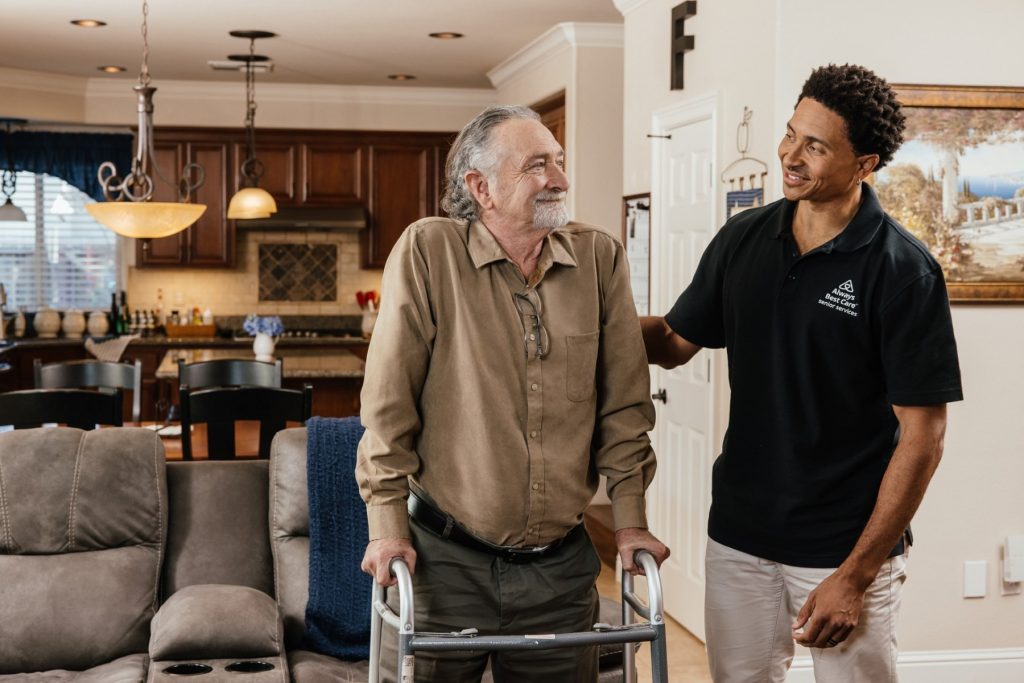
How Skilled Nursing Supports Daily Safety
Medication and Chronic-Condition Support
Medication routines can quickly get tangled for someone with memory loss. A nurse can help assess medication-related concerns, watch for side effects, reinforce prescribed routines, and provide education that helps families feel less in the dark.
For seniors managing diabetes, heart conditions, recovery after surgery, or other ongoing health needs, skilled nursing may offer another layer of professional support. Always Best Care of East Bay lists services such as vital checks, chronic-disease management, and nursing support among its available care options.
Guidance for Families
Family caregivers often notice subtle changes first. Yet knowing what a change means, or whom to call, can be tough. A nurse can help families understand care instructions, recognize concerns that may need medical attention, and maintain a safe home routine.
Care plans should fit the senior, not the other way around. A person’s abilities, health conditions, home setup, preferences, and family involvement all matter. Well, that’s the heart of it.
In-Home Support Beyond Nursing
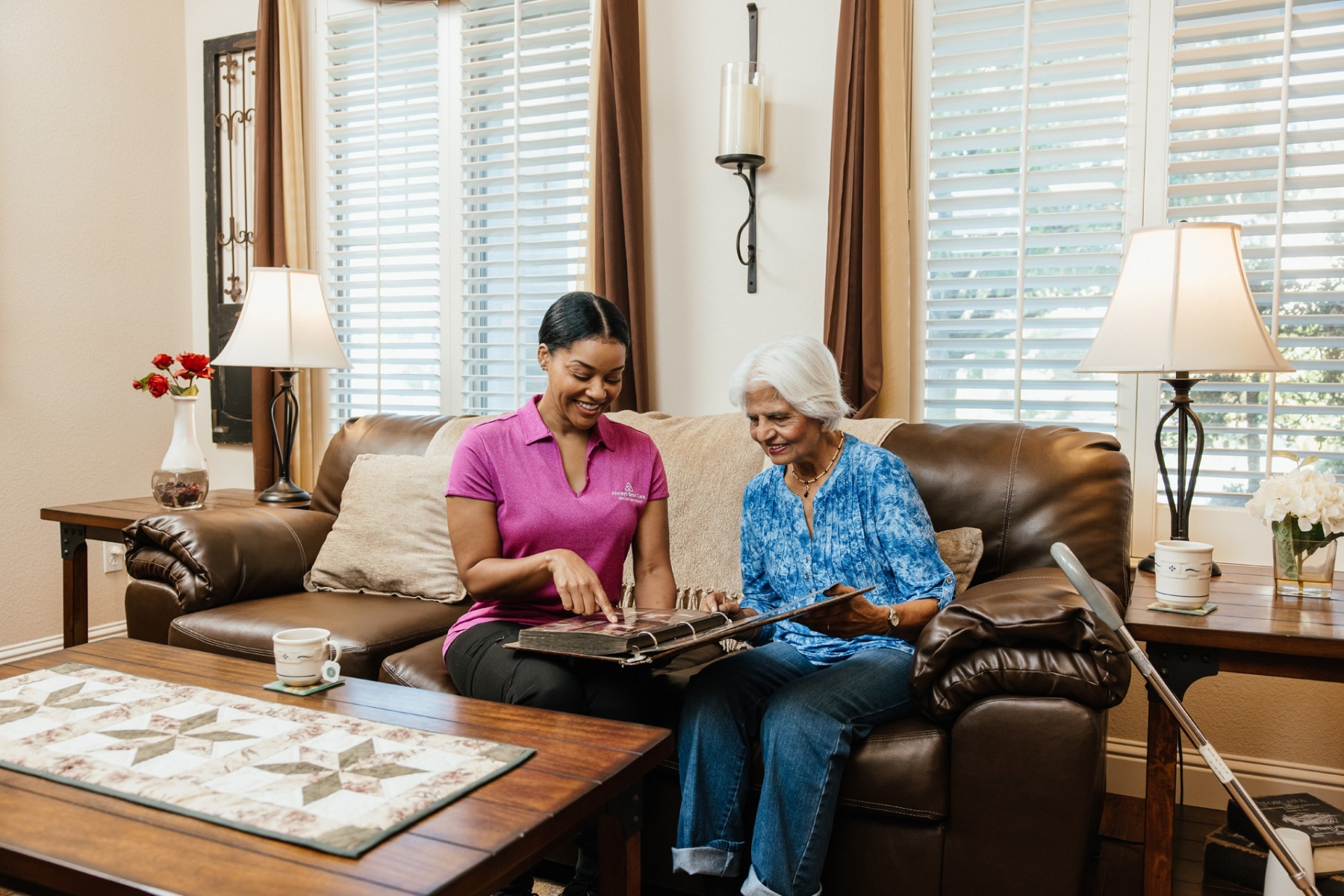
Skilled nursing may work alongside non-medical in-home care. Caregivers can assist with bathing, dressing, meal preparation, light housekeeping, transportation, companionship, and reminders, while nurses address clinical needs within their scope of practice.
Always Best Care of East Bay offers customized in-home assistance for older adults and serves communities across Contra Costa County, including Walnut Creek, Alamo, Danville, San Ramon, Pleasant Hill, Lafayette, Moraga, and Orinda.
Frequently Asked Questions
Q: What is skilled nursing care for seniors with cognitive decline?
A: Skilled nursing care is clinical care delivered by licensed nursing professionals. It can include assessments, monitoring, medication-related support, chronic-condition management, wound care, and education for seniors and family caregivers.
Q: How is skilled nursing different from personal care?
A: Skilled nursing addresses medical needs that require licensed clinical training. Personal care assists with non-medical daily tasks, such as bathing, dressing, meal preparation, light housekeeping, and companionship.
Q: Can skilled nursing help a senior with dementia remain at home?
A: It may help support a safe home-care plan by monitoring medical needs, coordinating with healthcare providers, and guiding families. The right level of care depends on the senior’s condition, home environment, and care needs.
Q: When should a family ask about skilled nursing support?
A: Families may consider skilled nursing after a hospitalization, during recovery from illness or surgery, or when medication, wound care, chronic conditions, falls, or health changes become difficult to manage.
Q: Does Always Best Care of East Bay offer skilled nursing care?
A: Always Best Care of East Bay lists skilled nursing care among its personalized service options for clients with complex medical needs, including chronic-condition management and wound care. Contact the local office to confirm availability and discuss a care plan.
A Steadier Path Forward
How Skilled Nursing Supports East Bay Seniors With Cognitive Decline is really about bringing dependable clinical guidance closer to home. With the right support, families can feel better prepared for the ups and downs that may come with memory changes and ongoing health needs.
Reach out to Always Best Care of East Bay at (925) 210-0323 for a complimentary consultation and discuss an in-home plan that supports your loved one’s safety, comfort, and dignity.
Link to the Markdown File version of the article