

Blood Sugar Changes in Older Adults: Warning Signs Families Should Know in Wesley Chapel
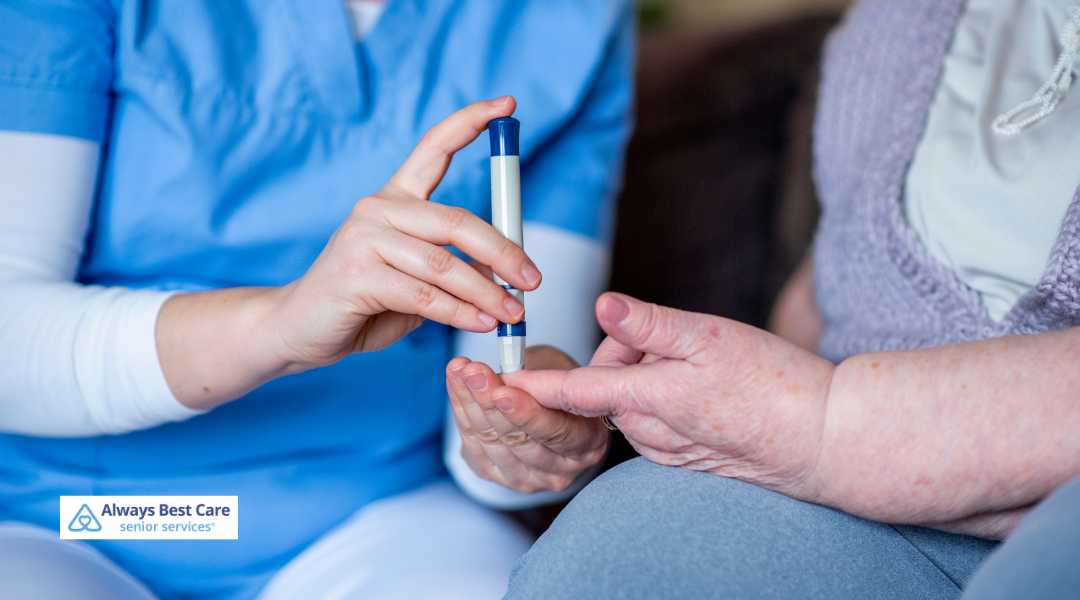
Blood sugar doesn’t always play by the same rules as we age. For older adults in Wesley Chapel living with diabetes, numbers that were easy to manage for years can suddenly swing up or down, leaving everyone scratching their heads. Illness, new prescriptions, changes in appetite, or simply moving less can all throw blood sugar off balance.
As families, we don’t need medical degrees to spot trouble. We just need to know the warning signs and pay attention when something feels “off.” That’s where we come in, at Always Best Care of Wesley Chapel, we help keep daily routines steady so blood sugar is easier to manage.
What You Will Learn
- Why blood sugar can become more difficult to manage as adults grow older.
- How to recognize possible warning signs of low and high blood sugar in a loved one.
- Which steady daily habits can help support safer diabetes care at home.
- When memory, mobility, or routine changes may mean a senior could benefit from extra support in Wesley Chapel.
Table of Contents
Why Blood Sugar Changes With Age
As people get older, life gets more complicated. More health issues, more medications, and more changes in how the body works can all affect blood sugar.
Common reasons blood sugar becomes harder to manage:
- Eating less because of illness or low appetite
- Forgetting meals or medications because of memory changes
- Moving less, which can push blood sugar higher
- Changes in kidney function and other health issues that affect how the body handles sugar
Because things can shift quickly, regular blood sugar checks and staying in touch with healthcare providers is key.

Recognizing Low Blood Sugar in Older Adults
Low blood sugar (hypoglycemia) happens when glucose drops below a healthy range. It can come on fast and may be linked to:
- Diabetes medications
- Skipping meals or eating too little
- Suddenly being more active
- Other health changes
Common warning signs of low blood sugar
- Shaking or sweating
- Dizziness or feeling weak
- Strong hunger
- Headache
- Irritability or anxiety
- Trouble focusing
- Confusion
- Changes in balance or coordination
In older adults, some of these can look like “normal aging.” But sudden confusion, odd behavior, or sudden weakness shouldn’t just be brushed off. Severe low blood sugar can cause seizures or cause someone to pass out and needs immediate medical help.
Recognizing High Blood Sugar in Older Adults
High blood sugar (hyperglycemia) usually builds more slowly, so it’s easier to miss until problems pile up.
Common warning signs of high blood sugar
- Feeling very thirsty
- Needing to urinate often
- Blurred vision
- Tiredness or weakness
- Headaches
- Unexplained weight loss
- Cuts or wounds that take a long time to heal
If blood sugar stays high for a long time, it can damage the eyes, kidneys, nerves, heart, and blood vessels. Very high blood sugar can also cause serious trouble right away—major confusion, severe weakness, trouble breathing, or passing out are all reasons to seek emergency help.

Watching for Changes From a Senior’s Usual Routine
Families don’t have to memorize every symptom. Often, the biggest clue is simply noticing a change from the senior’s “normal.”
Watch for things like:
- A loved one who’s suddenly much more tired than usual
- Drinking far more water and running to the bathroom often
- Someone who’s usually sharp becoming confused or unsteady
- Skipping meals or forgetting medications
Instead of chalking these up to “just getting older,” it’s important to ask questions and check in. If a senior has diabetes, families can talk with their healthcare provider about:
- Personal blood sugar goals
- How often to check glucose
- Which symptoms mean it’s time to call the doctor
- Which signs signal an emergency
How Consistent Routines Support Better Blood Sugar
Day-to-day habits make a big difference. When routines stay steady, blood sugar usually behaves better, too.
Helpful habits can include:
- Eating meals and snacks on a regular schedule
- Taking medications exactly as prescribed
- Checking blood sugar as directed
- Drinking plenty of fluids
- Staying safely active
- Keeping up with medical appointments
It also helps when families share a complete list of prescriptions and supplements with healthcare providers, since treatment changes can affect diabetes care.
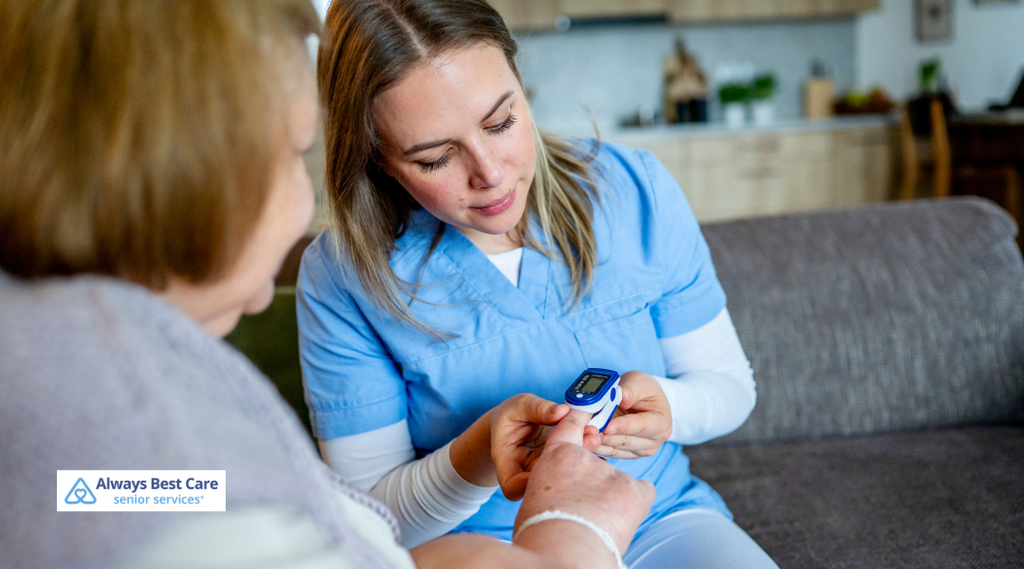
When Memory or Mobility Problems Make Diabetes Harder in Wesley Chapel
Managing diabetes means remembering a lot of moving parts—medications, meals, blood sugar checks, and appointments. That’s no small feat if memory isn’t what it used to be.
Challenges can include:
- Forgetting to eat or take medications
- Losing track of blood sugar checks
- Struggling to prepare meals because of arthritis or vision changes
- Having trouble walking, standing, or getting to appointments
When these issues crop up, it’s often a sign that extra help at home could make life safer and less stressful for everyone.
How Always Best Care of Wesley Chapel Helps With Blood Sugar Changes
At Always Best Care of Wesley Chapel, we know living with diabetes is about more than numbers on a meter. It’s about daily routines, comfort, and confidence—for seniors and their families.
We can help by:
- Preparing balanced meals and snacks on a regular schedule
- Offering reminders for medications and blood sugar checks
- Encouraging drinking enough water and staying safely active
- Helping with rides to appointments
- Noticing changes in mood, energy, or habits and sharing them with family or healthcare providers
For seniors who qualify for home health services, trained healthcare professionals can provide additional medical support based on the doctor’s care plan. Together, we work to keep seniors in Wesley Chapel safer and more independent at home.

Helping Your Loved One Stay Safe With Diabetes
Blood sugar can change in a heartbeat, and older adults may not always feel or recognize warning signs. By staying involved, knowing your loved one’s usual routines, and understanding when to ask for help, families can truly make a difference.
If your loved one has diabetes and could use more support at home, we at Always Best Care of Wesley Chapel are ready to help. We work with families to build safer routines, support independence, and improve quality of life.
Frequently Asked Questions
Q: How often should older adults with diabetes check their blood sugar?
A: That depends on the care plan from their healthcare provider. Some seniors check once or twice a day, while others may need more frequent checks, especially if medications or health conditions change.
Q: What’s the biggest warning sign families should watch for?
A: A sudden change from the senior’s normal, such as confusion, unusual tiredness, or drinking and urinating much more than usual, is a major red flag that blood sugar could be off.
Q: Can low blood sugar happen even if a senior is eating well?
A: Yes. Certain diabetes medications, increased activity, or other health changes can trigger low blood sugar even when meals seem steady.
Q: How can we help a loved one who keeps forgetting meals or medications?
A: Simple tools like pill organizers, reminder notes, phone alarms, and help from us at Always Best Care of Wesley Chapel can make staying on track much easier.
Q: When should we call for emergency help?
A: If a senior has major confusion, severe weakness, trouble breathing, seizures, or passes out, it’s important to seek emergency medical help right away.
Steadier Routines, Safer Days Ahead
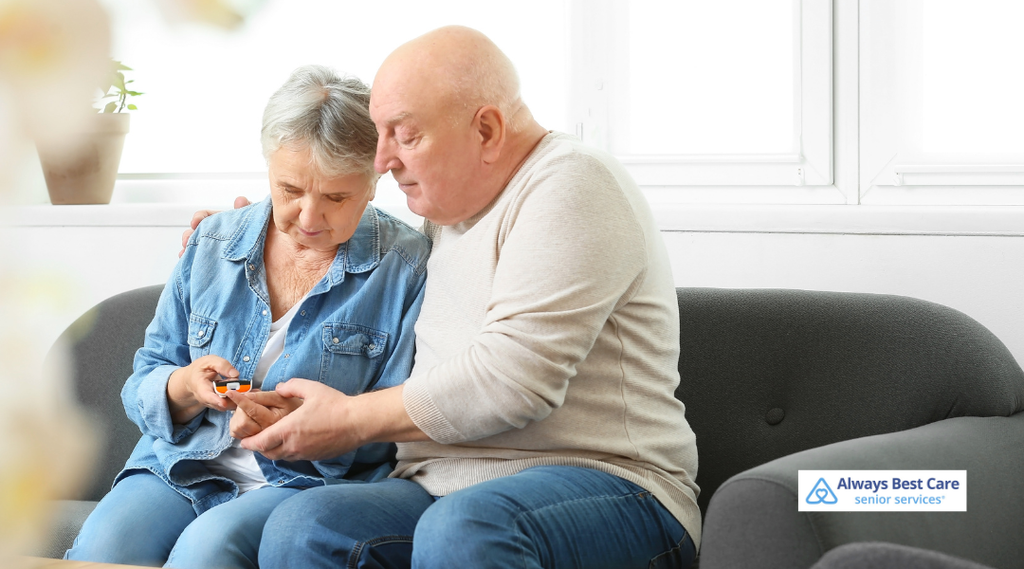
Blood sugar changes in older adults can be subtle at first, but they can greatly affect health, safety, and independence. By learning the signs of low and high blood sugar, noticing shifts from “normal,” and building steady routines, families in Wesley Chapel can stay a step ahead.
We at Always Best Care of Wesley Chapel are here to walk alongside you, supporting safer days, calmer nights, and a better quality of life for the seniors you love. Reach out at (813) 535-7679 today to schedule a care consultation and learn how our compassionate caregivers can help your loved one build safer routines, maintain independence, and enjoy a better quality of life.
Link to the Markdown File version of the article