Wound Care at Home: When Is Skilled Nursing Needed in Wesley Chapel?
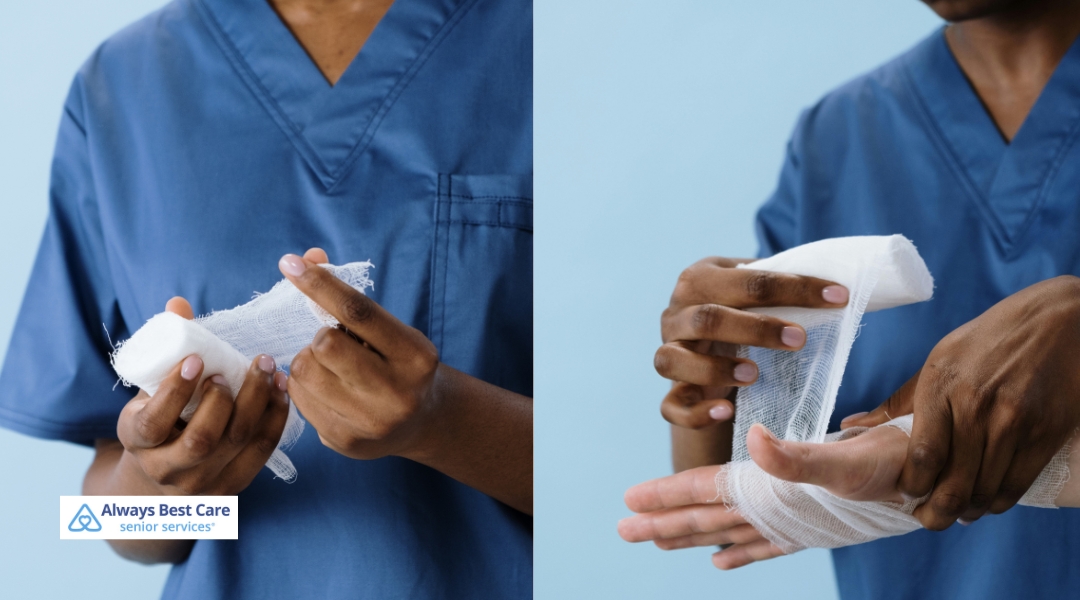
Healing from a wound at home sounds simple enough — clean it, cover it, and wait. But for older adults, wound care is rarely that straightforward. Slower healing, chronic health conditions, and age-related skin changes can turn a minor injury into a serious medical concern.
Knowing when to manage a wound at home and when to bring in a skilled nurse can make all the difference in how well and how quickly a senior recovers.
What You Will Learn
- How aging, chronic health conditions, and limited mobility can affect wound healing for older adults.
- Which types of wounds and warning signs may mean a loved one needs skilled nursing support.
- How skilled home health nurses help monitor healing, prevent complications, and guide families through care.
- How in-home caregivers can provide comforting daily support during recovery at home.
Table of Contents
How Aging Changes the Way Wounds Heal
Skin naturally becomes thinner and more fragile with age, making it easier to tear and harder to repair. But the challenges go beyond the skin itself. Several factors common in older adults can significantly slow the healing process:
- Reduced circulation limits the delivery of oxygen and nutrients that tissues need to repair themselves.
- Diabetes affects blood flow and nerve function, making foot ulcers and other wounds especially difficult to heal.
- Immune system changes make seniors more vulnerable to infection, even from wounds that appear minor.
- Nutritional deficiencies — particularly low protein, vitamin C, and zinc — impair the body’s ability to rebuild tissue.
- Limited mobility increases the risk of pressure injuries in areas like the heels, hips, and tailbone.
Understanding these factors helps families recognize when a wound needs more than basic first aid.
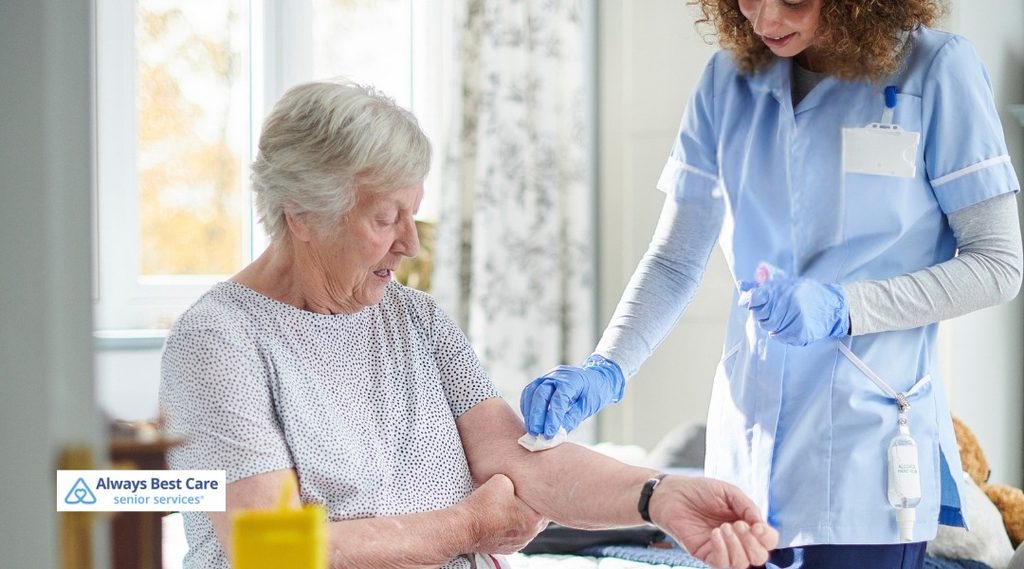
Types of Wounds That Often Require Skilled Nursing
Not every cut or scrape requires a nurse, but certain wound types carry a higher risk of complications and benefit from professional oversight. Skilled nursing care is commonly recommended for:
- Surgical incisions that need ongoing monitoring after a hospital or rehab discharge
- Pressure injuries (bedsores), especially Stage 2 or higher
- Diabetic foot ulcers, which can deteriorate rapidly without proper care
- Venous or arterial ulcers related to poor circulation
- Skin tears that are large, deep, or slow to close
- Burns beyond minor superficial injuries
- Chronic wounds that have shown little or no improvement after two to four weeks
A physician will assess the wound and determine whether home health services are appropriate and what the care plan should include.
Warning Signs That a Wound Needs Immediate Attention
Families caring for a senior at home should monitor wounds closely and know when to escalate care. Contact a healthcare provider promptly if you notice:
- Increasing redness, warmth, or swelling around the wound
- Pus, unusual drainage, or a foul odor
- Edges of the wound pulling apart or not closing
- Darkening or blackening of the tissue
- Fever, chills, or sudden confusion — these can signal a systemic infection
- No visible improvement after one to two weeks of consistent care
Seniors with diabetes, compromised immune systems, or vascular disease are at higher risk and should be monitored more frequently, as complications can develop quickly and without obvious early warning signs.
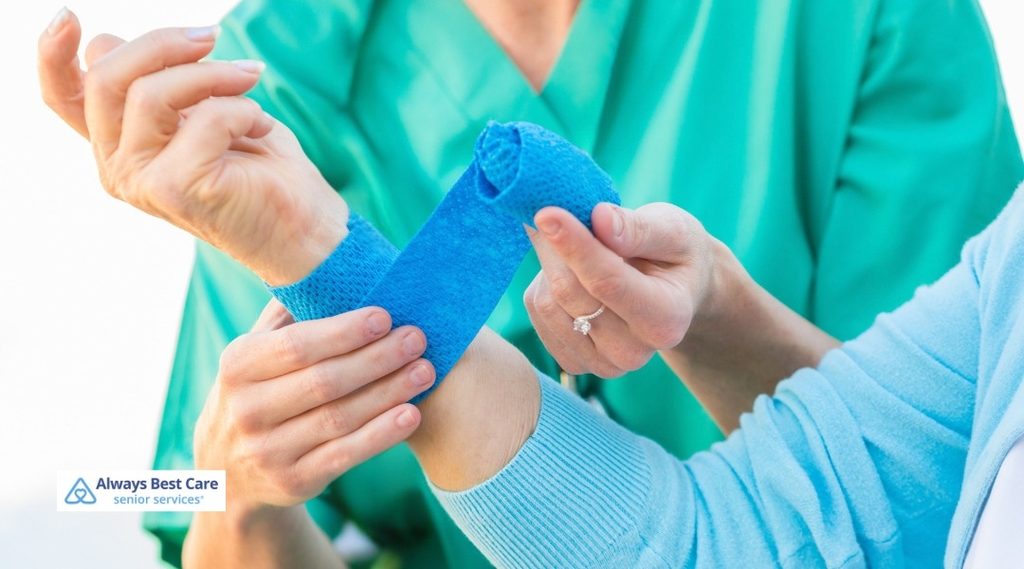
What a Skilled Home Health Nurse Does for Wound Care in Wesley Chapel
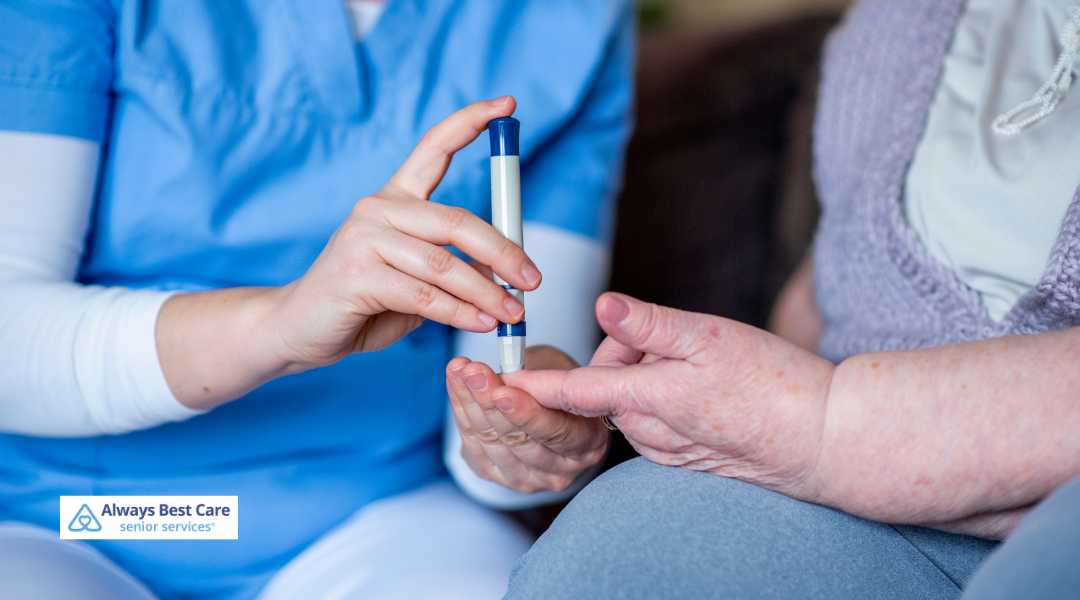
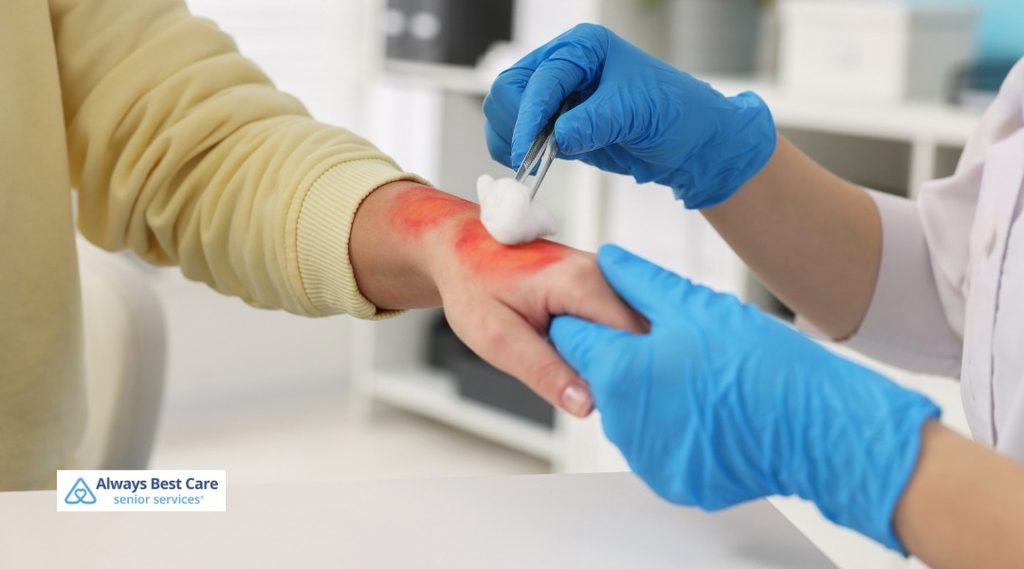
When a physician orders skilled nursing as part of a home health plan, a licensed nurse visits the senior at home to provide clinical wound care. This is not the same as general caregiving — it is medical treatment delivered in a home setting.
Depending on the wound type and physician’s orders, skilled nursing services may include:
- Wound assessment — measuring size, depth, and tracking healing progress over time
- Debridement and cleaning — removing damaged tissue and reducing infection risk
- Dressing changes — applying the appropriate wound dressing based on the wound’s stage and drainage
- Infection monitoring — identifying early signs of complications before they worsen
- Medication management — coordinating with the care team on topical treatments or antibiotics
- Family education — teaching caregivers how to care for the wound between visits and what changes to report
- Care coordination — communicating updates to the physician and adjusting the care plan as needed
This level of oversight is especially valuable for seniors transitioning home after surgery, hospitalization, or a rehabilitation stay.
Preventing Pressure Injuries Before They Start
For seniors with limited mobility, prevention is just as important as treatment. Pressure injuries develop when sustained pressure cuts off blood flow to the skin — often over bony areas like the heels, hips, sacrum, and elbows.
Preventive strategies recommended by wound care specialists include:
- Repositioning every two hours for bed-bound seniors, or more frequently if needed
- Using pressure-relieving surfaces such as specialized mattresses or cushions
- Keeping skin clean and dry, particularly in areas prone to moisture
- Ensuring adequate nutrition and hydration to support skin integrity
- Conducting regular skin checks, especially in high-risk areas
A skilled nurse can assess a senior’s pressure injury risk and help put a prevention plan in place before a wound develops.
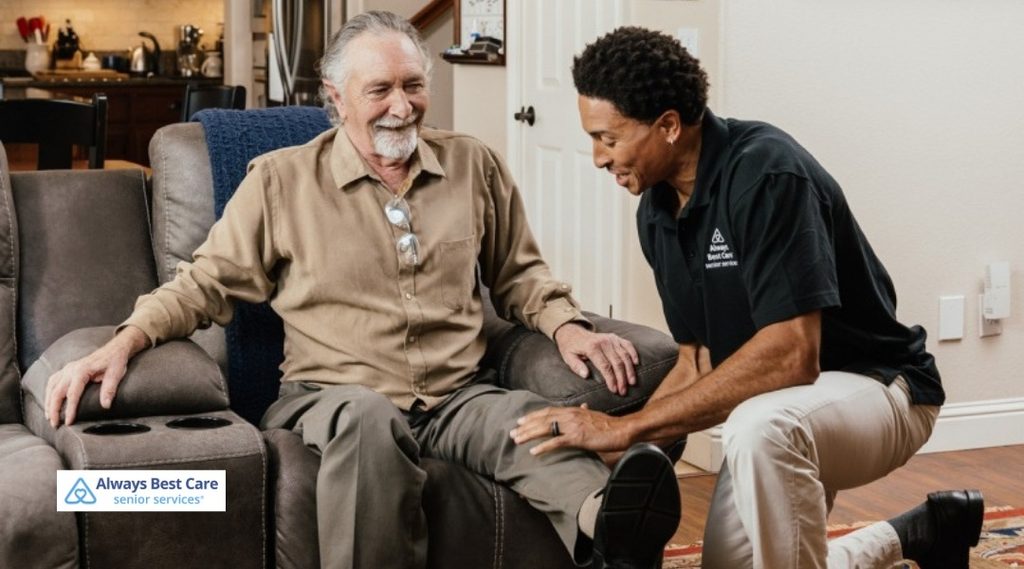
How In-Home Care Supports the Healing Process
Skilled nursing addresses the medical side of wound care, but recovery also depends on how well a senior is supported day to day. In-home caregivers play an important complementary role by helping with:
- Meal preparation to support a healing diet rich in protein and nutrients
- Hydration reminders throughout the day
- Personal hygiene and bathing assistance to keep the wound area clean
- Mobility support to reduce the risk of falls or additional injuries
- Medication reminders to ensure treatments are taken on schedule
- Observation and communication — noticing changes and relaying them to family or the care team
When skilled nursing and in-home care work in coordination, seniors receive both the medical attention and the daily support they need to heal safely at home.
Frequently Asked Questions
Q: How do I know if a wound needs a nurse or if I can treat it at home?
A: Minor wounds — small cuts, superficial scrapes, or minor bruises — can often be managed at home with proper cleaning and bandaging. However, if the wound is deep, large, slow to heal, showing signs of infection, or located on a high-risk area like the foot, it is best to consult a healthcare provider. Seniors with diabetes, poor circulation, or a weakened immune system should have any wound evaluated by a professional.
Q: Does Medicare cover skilled nursing for wound care at home?
A: Medicare Part A may cover home health services, including skilled nursing for wound care, if certain conditions are met: the senior must be homebound, a physician must order the care, and a Medicare-certified home health agency must provide the services. Coverage specifics vary, so it is advisable to confirm eligibility with the provider and Medicare directly.
Q: How often will a nurse visit for wound care?
A: Visit frequency depends on the wound type, severity, and the physician’s orders. Some wounds require daily visits; others may need a nurse two to three times per week. As the wound heals and the care plan is updated, visit frequency may decrease.
Q: What should I do if a wound looks infected between nurse visits?
A: Contact the home health agency or the senior’s physician right away. Do not wait for the next scheduled visit. Signs of infection — such as increased redness, warmth, swelling, drainage, or fever — can worsen quickly and may require prompt medical intervention.
Q: Can a caregiver change wound dressings?
A: In most cases, dressing changes for complex wounds should be performed by a licensed nurse. However, a skilled nurse can train family members or caregivers to handle simple dressing changes for less complicated wounds, following specific instructions provided by the care team.
Supporting Safer Recovery at Home in Wesley Chapel
Complex wound care does not have to fall entirely on families. With the right professional support, seniors can recover from wounds, surgery, and other medical issues in the comfort of their own home — without the risks that come from delayed or inadequate treatment.
Always Best Care of Wesley Chapel offers services designed to help older adults stay safe and well-supported at home. Depending on your loved one’s needs and what is available in your area, services may include skilled nursing through a home health partner and in-home caregiving to assist with daily tasks throughout recovery.
If your loved one is managing a wound or recovering from a medical procedure and needs extra support at home, contact Always Best Care of Wesley Chapel at (813) 535-7679 to schedule a care consultation and explore your options.
Link to the Markdown File version of the article