

When Can Long-Term Care Insurance Help with Home Care?

amilies often begin exploring care options when an older loved one needs additional help with daily routines but wants to remain in familiar surroundings. For those considering home care in Easton, PA, long-term care insurance may help cover certain eligible expenses, depending on the policy’s requirements, benefit limits, and covered services.
Understanding how a policy works before arranging care can help families make more informed decisions. However, insurance coverage is not automatic, and different policies may have different conditions for accessing benefits.
Always Best Care Senior Services of Greater Bethlehem provides personalized in-home care support for older adults and families in the Easton area and surrounding communities. While our team can discuss available caregiving services, families should confirm insurance eligibility, coverage, and claims requirements directly with their insurance provider.
Table of Contents
What Does Long-Term Care Insurance Typically Cover?
Long-term care insurance is designed to help with certain expenses associated with ongoing personal assistance and support. Depending on the policy, eligible services may include assistance with daily activities, home-based care, or other approved care arrangements.
Not every policy covers the same services. Some plans have specific requirements regarding care providers, benefit amounts, or the level of assistance needed before coverage becomes available.
Review the Important Policy Details
Before arranging home care, families should locate the insurance policy and review the information most relevant to their loved one’s needs.
| Policy Detail | What Families Should Check |
| Benefit Triggers | Conditions that must be met before benefits begin |
| Covered Services | Types of care eligible for reimbursement or payment |
| Benefit Limits | Maximum daily, monthly, or total benefit amounts |
| Elimination Period | Any waiting period or qualifying care period |
| Provider Requirements | Whether the caregiver or agency must meet specific qualifications |
| Claims Process | Documentation and procedures required to request benefits |
Reviewing these details can help families understand what questions to ask their insurer and which expenses they may need to plan for independently.
Understand When Benefits Become Available
Some long-term care insurance policies use benefit triggers involving assistance with activities of daily living or cognitive impairment. Specific requirements vary by contract.
For example, a policy may require an assessment or certification from an appropriate healthcare professional before benefits can begin.
Families should ask their insurer which conditions apply, whether an assessment is required, and how eligibility is determined under their particular policy.
When Might Daily Care Needs Affect Insurance Eligibility?
Changes in daily routines can prompt families to explore whether long-term care insurance benefits may be available.
An older adult may begin needing assistance with dressing, bathing, preparing meals, or completing household responsibilities. These changes can indicate that additional support would be helpful, although they do not necessarily establish insurance eligibility.
Recognize Changes in Everyday Activities
As older adults age, certain daily activities may become more challenging. Recognizing these changes early can help families determine when additional home care assistance may be beneficial.
Common signs that an older loved one may need support include:
- Personal Care: Difficulty managing dressing, grooming, or bathing routines independently.
- Meal Preparation: Challenges preparing regular meals or maintaining familiar eating routines.
- Household Responsibilities: Difficulty completing light housekeeping and everyday household tasks.
- Transportation: Challenges traveling to appointments, running errands, or participating in community activities.
- Daily Organization: Difficulty remembering appointments, following routines, or managing scheduled activities.
These observations can help families better understand their loved one’s changing needs and identify appropriate care arrangements.
Always Best Care Senior Services of Greater Bethlehem offers personalized in-home care services that may include companionship, personal care assistance, meal preparation, light housekeeping, medication reminders, transportation, and errands.
Separate Care Needs from Insurance Eligibility
A senior may benefit from professional home care even when their insurance policy does not cover the requested services.
For instance, companionship and occasional household assistance may be valuable for maintaining everyday routines, but a particular insurance contract may have different eligibility requirements.
Families should confirm whether the specific services, provider arrangements, and level of care qualify under their policy before relying on insurance benefits to pay for them.

What Questions Should Families Ask Their Insurance Provider?
Long-term care insurance documents can contain unfamiliar terminology. Preparing questions before contacting the insurer can help families better understand available benefits and the steps required to access them.
Seven Questions to Clarify Coverage
- What triggers eligibility? Ask which physical or cognitive care needs must be documented.
- Is an assessment required? Confirm whether a healthcare professional must evaluate the insured individual.
- Which home care services qualify? Request clarification about eligible personal care, companionship, and household assistance.
- Are there provider requirements? Determine whether the agency must meet particular licensing, certification, or approval standards.
- Is there an elimination period? Ask when benefits may begin and whether qualifying care expenses must be incurred first.
- What documentation is necessary? Confirm which care plans, invoices, assessments, or other records are required.
- How are benefits paid? Ask whether payments are reimbursed to the policyholder or handled through another approved arrangement.
Families may find it helpful to record the answers, the date of the conversation, and any instructions provided by the insurer.
Keep Insurance Information Organized
Maintaining a dedicated folder for policy documents, insurer correspondence, care records, and submitted claims can make future conversations more manageable.
Families can also explore helpful tips for supporting aging loved ones when making care decisions as an older adult’s needs change.
How Can Families Match Insurance Benefits with Home Care Needs?
A successful care plan begins with understanding the individual, not simply determining which services an insurance policy may cover.
An older adult who needs occasional assistance with errands may have different preferences and responsibilities from someone requiring frequent help with personal care.
Identify the Support Needed at Home
Families can begin by discussing three important questions:
- Which daily activities are becoming more difficult?
- How frequently is assistance needed?
- Which responsibilities does the senior want to continue managing independently?
These conversations can help establish priorities before selecting a caregiving schedule.
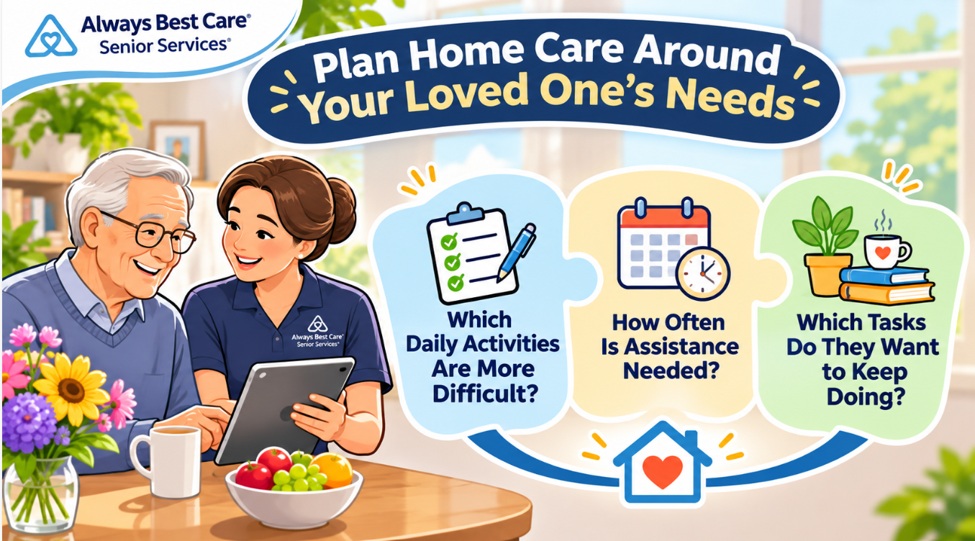
Alt Text: Infographic showing three questions to help families plan personalized home care in Easton, PA.
Filename: personalized-home-care-planning-guide-easton-pa.jpg
For example, a senior who enjoys preparing meals may prefer assistance with grocery shopping and kitchen cleanup rather than having someone take over the entire process.
Respecting these preferences helps make care more personal while encouraging continued participation in familiar activities.
Compare Care Priorities with Available Benefits
Once families understand their loved one’s needs, they can compare those priorities with the policy’s covered services, provider requirements, and benefit limits.
If insurance benefits cover only certain services or amounts, families may need to consider how other support will be arranged.
Insurance coverage should be one part of the planning process rather than the only factor determining a senior’s care.
Comfort, safety, independence, personal preferences, and family involvement should also remain important considerations.
Why Should Families Review Their Home Care Plans Regularly?
Senior care needs can change over time. Someone who initially requires occasional assistance may later benefit from additional visits, different scheduling, or support with more daily activities.
Reviewing care arrangements periodically helps families determine whether their current approach continues to meet their loved one’s needs.
Adjust Assistance as Needs Change
Families can monitor changes in daily routines and discuss whether the existing caregiving schedule remains appropriate.
For example, older adult receiving assistance with errands and meal preparation may eventually benefit from additional personal care or companionship.
Always Best Care Senior Services of Greater Bethlehem can discuss adjustments to available nonmedical care services as individual circumstances change.
Families can also learn more about caregiver support and personalized assistance when exploring their options.
Recheck Insurance Benefits Before Making Changes
When a care plan changes, families should contact their insurance provider to determine whether the new services, schedules, or expenses affect coverage.
Keeping documentation current can also help when reviewing benefit usage, submitting claims, or responding to insurer requests.
By reviewing both care needs and insurance requirements, families can make informed adjustments without assuming that previously approved benefits will automatically apply to every new arrangement.