
Helping Seniors Feel More Comfortable During Chemotherapy in Birmingham, AL

When an older loved one begins chemotherapy, your first instinct may be to do everything you can. That’s understandable—but knowing what kind of help matters most can be tricky.
Treatment may affect energy, appetite, mood, balance, and independence. With thoughtful planning and support from Always Best Care of Birmingham, AL, families can make each day a little easier while helping a senior remain comfortable at home.
Table of Contents
What You Will Learn
- Why chemotherapy-related fatigue may persist despite rest and how families can simplify tasks, prioritize activities, and follow the oncology team’s movement recommendations.
- How small, appealing meals and individualized nutrition guidance can help when nausea, mouth soreness, taste changes, or appetite loss make eating difficult.
- Why hydration support should follow the care plan and when difficulty keeping fluids down needs prompt medical attention.

Supporting a Senior Through Chemotherapy: Start with Flexibility
Chemotherapy affects everyone differently. Some days may feel fairly normal, while others can be exhausting. Fatigue isn’t simply feeling sleepy after a busy day; even a full night’s rest may not restore a senior’s energy.
Try to:
- Break chores into short, manageable steps.
- Keep frequently used items within easy reach.
- Handle lifting, shopping, laundry, and other strenuous tasks.
- Encourage rest without making your loved one feel helpless.
- Ask the oncology team whether gentle movement is appropriate.
A short walk or light stretching may help some people, but your loved one’s healthcare provider should guide activity during treatment.
Make Food and Drinks Less of a Chore
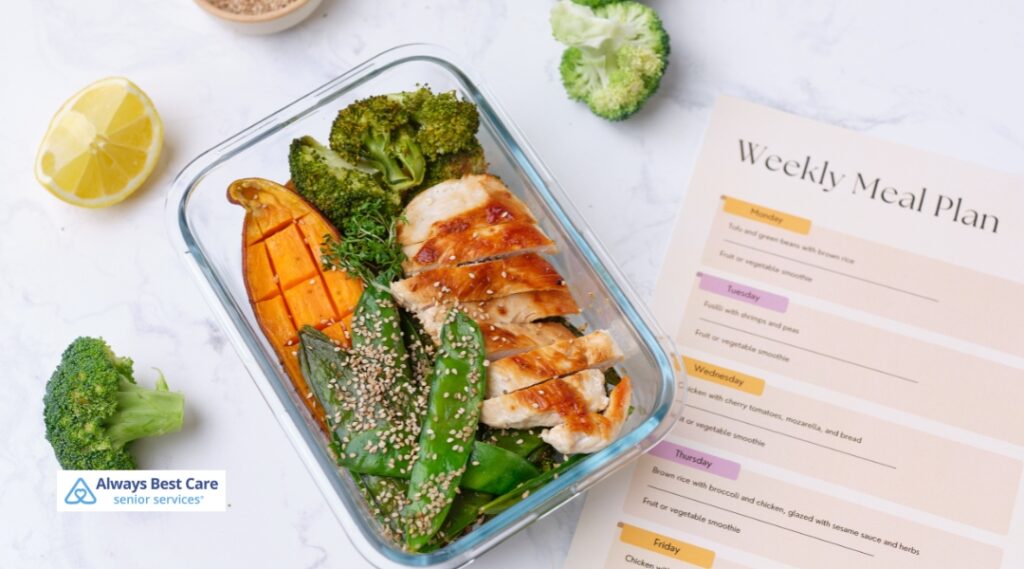
Chemotherapy can change taste and smell. Nausea, mouth soreness, constipation, diarrhea, and low appetite may also make meals difficult. Smaller portions offered throughout the day can be easier than three large meals.
Keep simple options available, such as approved snacks, soups, yogurt, eggs, or smoothies. However, don’t force food. Ask what sounds appealing, since preferences may shift from one day to the next.
A doctor or registered dietitian can recommend suitable foods if weight loss or eating problems become concerning. Safe food preparation is especially important because some treatments can lower infection-fighting white blood cells.[1]
Hydration matters, too. Offer water or other drinks approved by the healthcare team regularly instead of waiting for your loved one to feel thirsty. Contact the care team promptly if they can’t keep fluids down, become dizzy or confused, or show other signs of dehydration.
Plan Birmingham Appointments Before Treatment Days
Chemotherapy often involves blood tests, scans, medical visits, pharmacy trips, and follow-up appointments. A shared calendar can keep the household on the same page and prevent last-minute scrambling.
Plan transportation ahead of time, particularly if your loved one feels weak, sleepy, or less alert after treatment. Bringing someone to an appointment can also help with:
- Taking notes.
- Remembering instructions.
- Asking questions.
- Organizing medications and paperwork.
At Always Best Care of Birmingham, AL, we can help with rides, errands, appointment reminders, and other practical needs, depending on the care plan.
Take Infection Precautions Seriously
Chemotherapy may increase infection risk by reducing the number of white blood cells that help the body fight germs.[2] Everyday precautions can make a difference:
- Wash hands often and ask visitors to do the same.
- Avoid close contact with people who are sick.
- Clean commonly touched surfaces.
- Cook meat, fish, and eggs thoroughly.
- Wash produce carefully and follow the oncology team’s food-safety advice.
- Keep catheter or treatment-access areas clean and dry, if applicable.
Ask the oncology team exactly which symptoms require an immediate call. A fever, new cough, sore throat, unusual redness, or worsening weakness shouldn’t be brushed aside. Follow the instructions provided by the cancer care team without delay.

Offer Emotional Support, Not Just Practical Help
Chemotherapy can bring fear, frustration, sadness, and worries about appearance or independence. You don’t need a perfect speech. Sometimes sitting quietly, watching a favorite program, or talking about ordinary life is enough.
Give your loved one room to make choices whenever possible. Choosing a meal, deciding when to rest, or picking an activity can help preserve a sense of control.
If sadness, anxiety, withdrawal, or hopelessness continues, encourage a conversation with the healthcare provider. Counseling, support groups, and other resources may help.
Let Us Help with Everyday Responsibilities
Family caregivers often try to carry the whole load. That plan can wear everyone down, especially when treatment lasts for weeks or months.
We at Always Best Care of Birmingham, AL can provide support with tasks such as:
- Meal preparation.
- Light housekeeping.
- Laundry and errands.
- Medication reminders.
- Transportation assistance.
- Companionship.
- Help with daily routines.
Reliable in-home assistance gives family members time to work, rest, manage their own responsibilities, or simply enjoy meaningful time with their loved one.

FAQ
Q: How can I help a senior who feels exhausted after chemotherapy?
A: Let them rest, simplify household tasks, offer fluids, and handle physically demanding chores. Ask the medical team about safe activity and report severe or worsening fatigue.
Q: Should I insist that my loved one eat?
A: Pressure can make mealtimes more stressful. Offer small, appealing portions and contact the oncology team if eating becomes difficult or weight loss is noticeable.
Q: Can a senior drive to chemotherapy?
A: Treatment-related fatigue or medication effects may make driving unsafe. Arrange transportation in advance and follow the care team’s advice.
Q: When should we call the cancer care team?
A: Ask for specific instructions before treatment begins. Generally, fever, infection symptoms, persistent vomiting or diarrhea, confusion, dizziness, or inability to drink warrants prompt medical guidance.

Make Treatment Days More Manageable
Supporting a senior through chemotherapy is a day-by-day effort. A ride, a warm meal, a clean kitchen, or a few calm hours of companionship can ease an otherwise difficult day.
Contact Always Best Care of Birmingham at (205) 874-9730 to learn more and schedule your free consultation.
Link to the markdown version of this blog.