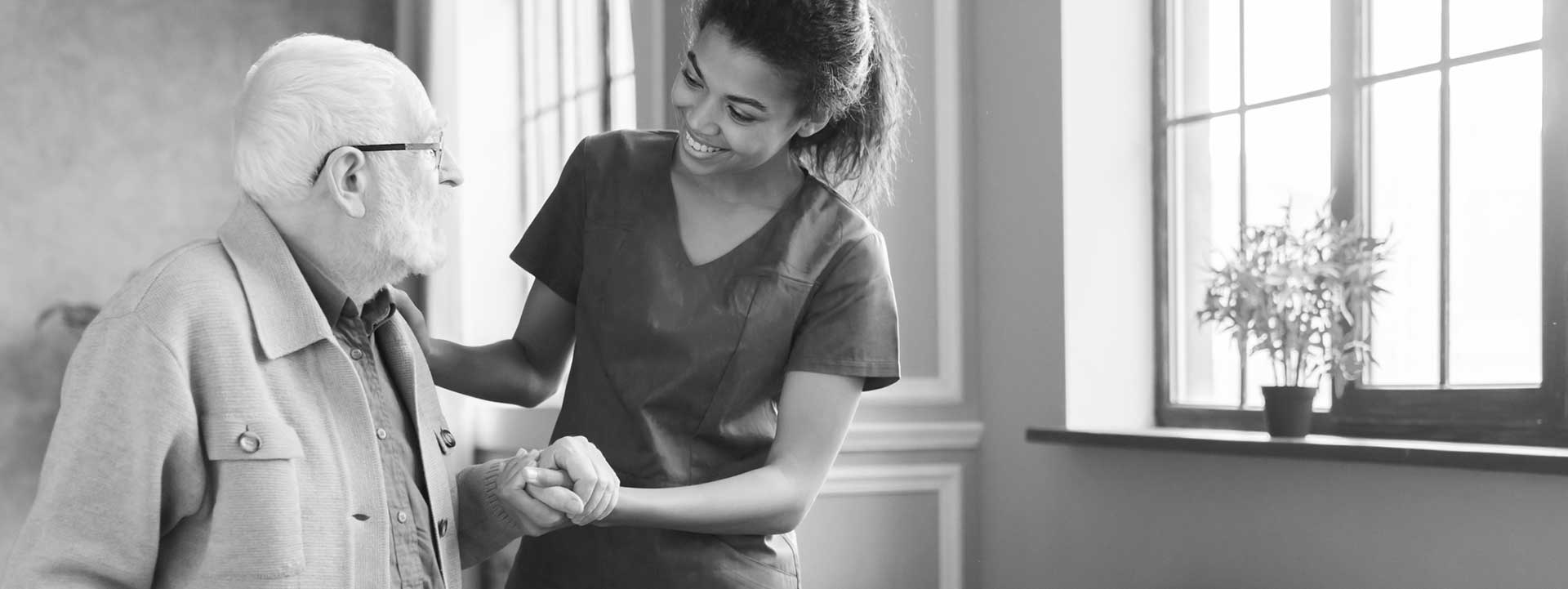
How Home Health Supports Stroke Recovery in Birmingham, AL
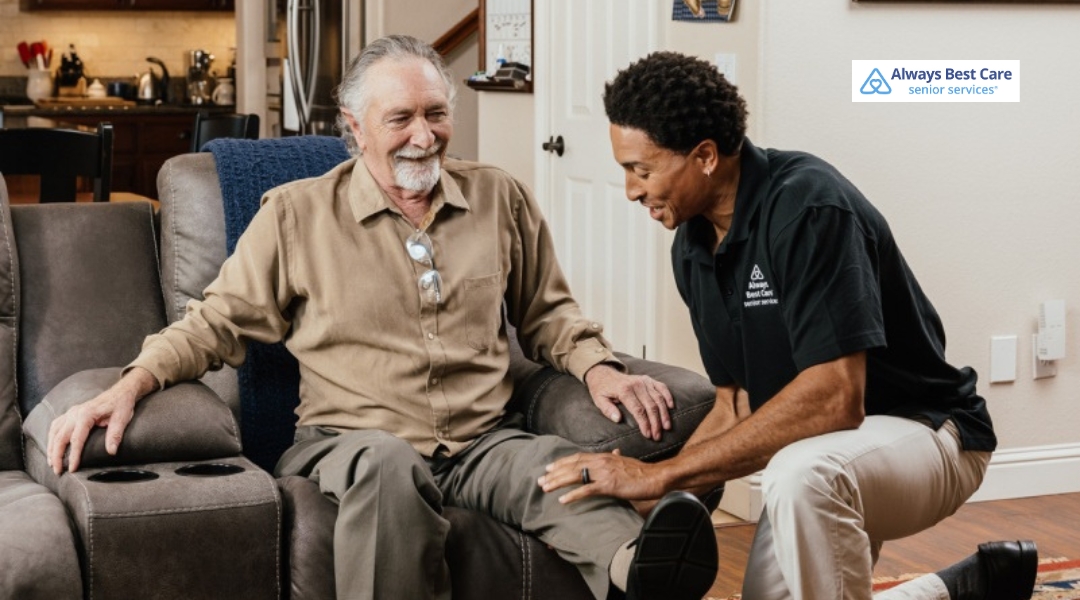
Returning home after a stroke is a significant milestone—but it’s also the point where consistent, skilled support becomes essential. Hospital stays and inpatient rehabilitation lay the groundwork, yet the real work of rebuilding daily life happens at home. For stroke survivors in Birmingham, AL, home health services offer a practical and compassionate path forward.
Rather than requiring frequent trips to clinics or outpatient facilities, home health brings licensed professionals directly to the patient. This model reduces stress, supports faster progress, and keeps seniors in the environment where they feel most comfortable and secure.
What You Will Learn:
- How home health care bridges the gap between hospital discharge and independent living.
- The key roles of skilled nursing, physical therapy, and occupational therapy in stroke recovery.
- Why consistent health monitoring and emotional support are essential for long-term success.
- How Always Best Care of Birmingham provides personalized, compassionate post-stroke care at home.
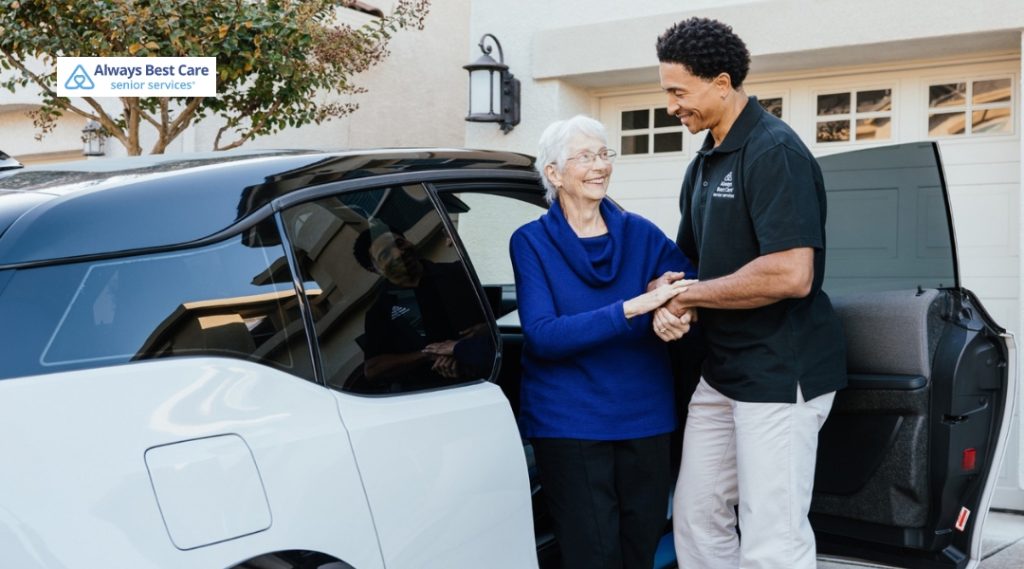
Table of Contents
The Real Impact of a Stroke on Daily Life
No two strokes are alike. Depending on which part of the brain is affected, survivors may face challenges with movement, speech, memory, swallowing, or emotional regulation. Some effects are immediately visible; others emerge gradually during recovery.
What many families don’t anticipate is how much the home environment itself becomes part of the challenge. Stairs that were never a concern suddenly feel dangerous. A bathroom routine that took minutes may now require careful planning. These are the realities that home health professionals are trained to address—not just medically, but practically.
Skilled Nursing: Medical Oversight Where It Matters Most
After a stroke, medical monitoring doesn’t end at discharge. A skilled home health nurse provides ongoing oversight that helps catch complications early and keeps recovery on track.
In Birmingham, AL, home health nurses commonly assist with:
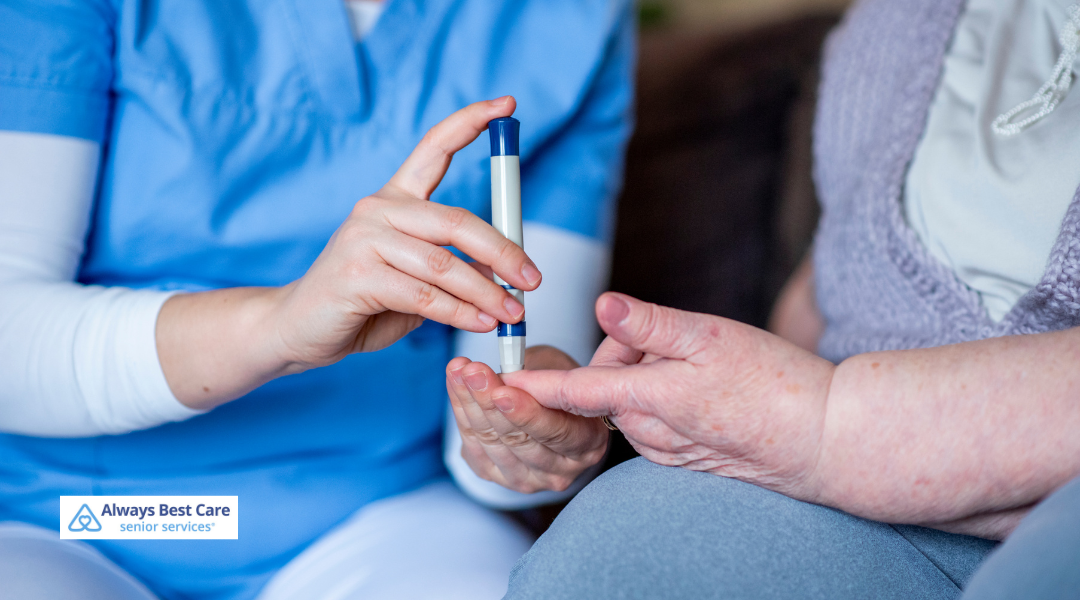
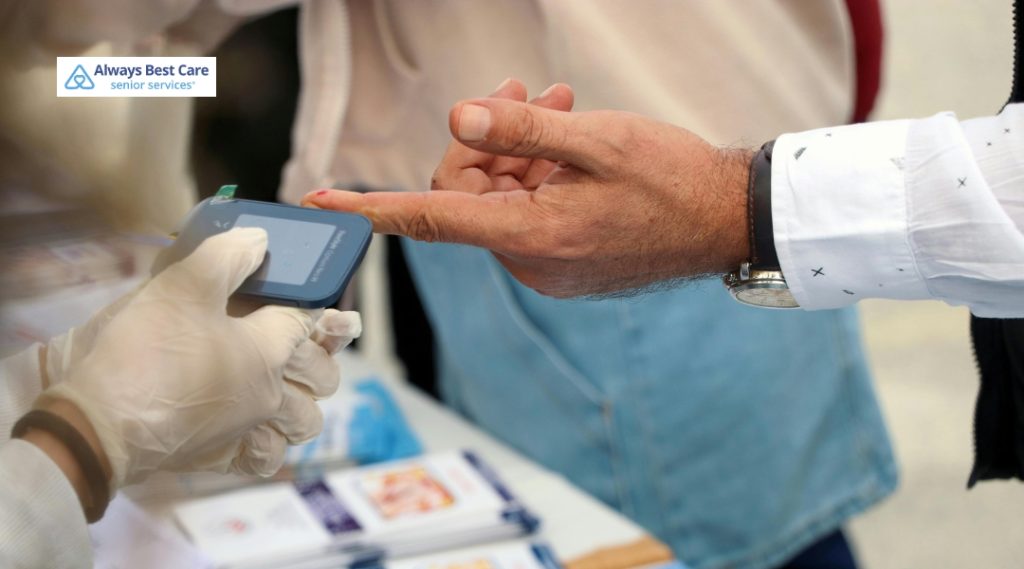
- Tracking blood pressure, heart rate, and other vital signs
- Managing medication schedules and monitoring for side effects
- Identifying early warning signs of a secondary stroke
- Educating family members on what to watch for at home
- Coordinating care updates with the patient’s physician and specialists
For seniors managing additional conditions like diabetes, atrial fibrillation, or high cholesterol—all of which increase stroke risk—skilled nursing ensures these factors are actively managed alongside stroke recovery.
Physical Therapy: Rebuilding Strength and Movement
Weakness or partial paralysis on one side of the body is one of the most common effects of a stroke. Physical therapy is central to addressing this, helping survivors rebuild strength, improve coordination, and move more safely through their home.
A home health physical therapist in Birmingham, AL works with patients to improve:
- Muscle strength and functional movement
- Balance and fall prevention
- Walking ability and gait stability
- Range of motion in affected arms and legs
One advantage of home-based physical therapy is that exercises are tailored to the patient’s actual living space. A therapist can work with a senior on navigating their specific staircase, getting in and out of their own bed, or moving safely through their kitchen—making progress directly applicable to real life.
Occupational Therapy: Relearning the Routines of Daily Life
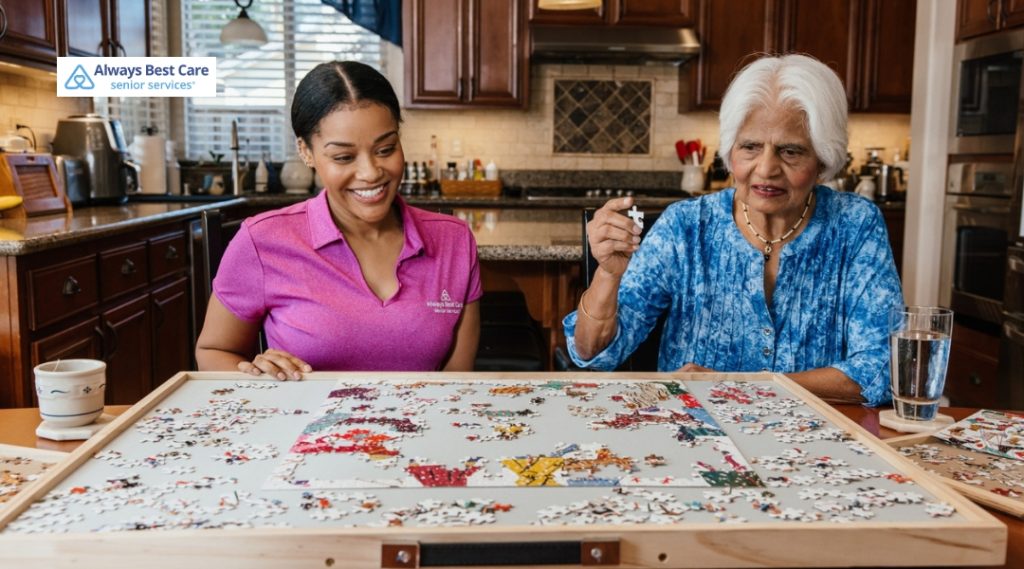
Occupational therapy focuses on the activities that define independence—bathing, dressing, preparing meals, and managing household tasks. After a stroke, these routines may need to be relearned using new techniques or adaptive equipment.
Occupational therapy services in Birmingham, AL may include:
- Practicing safe bathing and grooming techniques
- Developing new approaches to dressing and meal preparation
- Rebuilding fine motor skills and hand-eye coordination
- Recommending and training patients on assistive devices
- Assessing and modifying the home to reduce fall and injury risk
The goal isn’t just physical recovery—it’s restoring a sense of normalcy and confidence. When seniors can manage their own routines again, even partially, it has a meaningful impact on their overall well-being.
Monitoring for Complications and Setbacks
Stroke recovery is rarely a straight line. Progress can plateau, and complications can arise without warning. Regular monitoring by home health professionals helps ensure that any changes are caught and addressed quickly.
Warning signs that home health teams watch for include:
- Sudden changes in speech, vision, or movement
- Increased weakness or new balance problems
- Unusual fatigue, confusion, or mood shifts
- Symptoms that may indicate another stroke or cardiovascular event
Early intervention can prevent a minor setback from becoming a serious medical event—and may significantly reduce the risk of hospital readmission.
Emotional and Social Support Throughout Recovery
The emotional toll of a stroke is often underestimated. Survivors frequently experience frustration, grief over lost abilities, anxiety about the future, or clinical depression. These emotional challenges can slow physical recovery if left unaddressed.
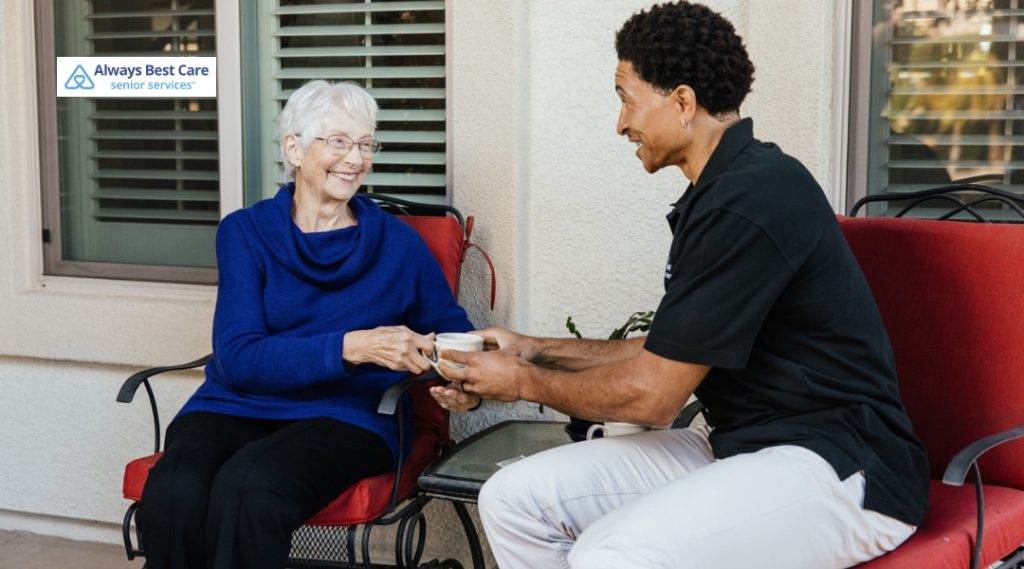
Home health caregivers and nurses provide more than medical support—they offer consistency, encouragement, and human connection. Families also benefit, gaining confidence that their loved one is being monitored and cared for by professionals between visits.
How Always Best Care of Birmingham, AL Supports Stroke Recovery
At Always Best Care of Birmingham, AL, we take a whole-person approach to stroke recovery. Our home health team works in close coordination with physicians, therapists, and family members to build care plans that reflect each patient’s specific needs and goals.
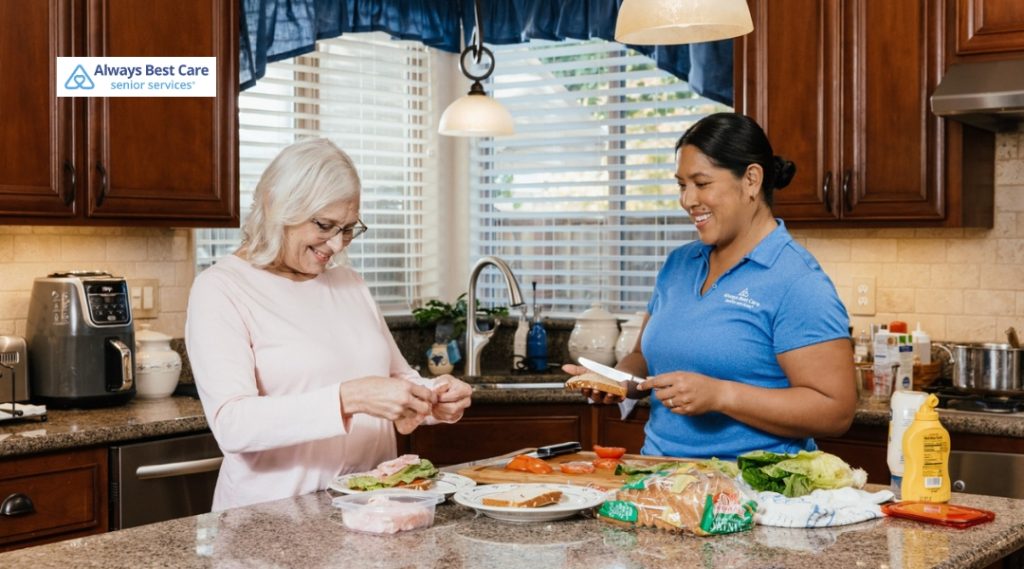
Beyond skilled nursing and therapy, our caregivers can assist with daily activities, transportation to follow-up appointments, meal preparation, and companionship—ensuring that no aspect of recovery is overlooked.
Frequently Asked Questions About Home Health for Stroke Recovery
Q: What is home health care, and how is it different from home care?
A: Home health care involves licensed medical professionals—such as nurses, physical therapists, and occupational therapists—providing skilled clinical services in the home. Home care, by contrast, typically refers to non-medical assistance with daily activities like bathing, meal preparation, and companionship. Many stroke survivors benefit from both.
Q: How soon after a stroke can home health services begin?
A: Home health services can often begin within days of hospital or rehabilitation discharge. A physician’s order is typically required, and a care coordinator will conduct an initial assessment to determine which services are most appropriate.
Q: Does Medicare cover home health for stroke recovery?
A: Medicare may cover home health services if the patient is homebound, has a skilled care need, and services are ordered by a physician. Coverage can include skilled nursing, physical therapy, occupational therapy, and speech therapy. It’s important to verify eligibility and coverage details with your provider.
Q: How long does home health support typically last after a stroke?
A: The duration varies based on the severity of the stroke and the patient’s rate of progress. Some patients receive home health services for a few weeks; others may require several months of support. Care plans are regularly reassessed and adjusted as recovery progresses.
Q: What should families do to prepare for a loved one’s return home after a stroke?
A: Before discharge, families should work with the hospital’s care team to identify any home modifications needed—such as grab bars, ramp installations, or removing trip hazards. Arranging home health services in advance ensures that skilled support is in place from day one.
Q: Can home health services help prevent another stroke?
A: While no service can guarantee prevention, skilled nursing at home plays an important role in managing the risk factors associated with recurrent stroke—including blood pressure control, medication adherence, and monitoring for early warning signs.
Recover Safely and Confidently with Home Health Support
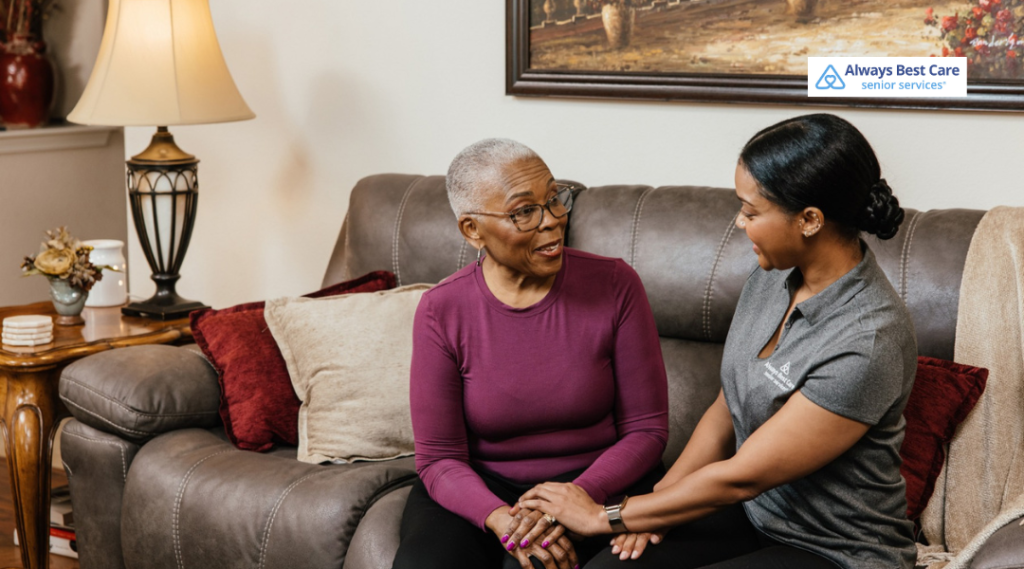
At Always Best Care of Birmingham, our skilled nurses and caregivers bring professional stroke recovery care directly to your loved one’s home. From medical monitoring and therapy coordination to nutritious meals and daily companionship, we provide the compassionate support seniors need to rebuild strength and independence.
Contact Always Best Care of Birmingham at (205) 874-9730 to learn more and schedule your free consultation.
Link to the markdown version of this blog.