Protecting Dignity at Every Age: A Guide to Elder Abuse Prevention in Mt. Clemens

No one wants to imagine a loved one being hurt or mistreated, yet elder abuse is a real and growing problem across the country. It doesn’t just happen in far‑off places; it can occur behind closed doors in family homes, in care facilities, or even within relationships we’ve always trusted.
That sounds scary, we know. But here’s the good news: by staying informed, asking the right questions, and staying involved, families can play a huge role in elder abuse prevention and help seniors feel safe, valued, and respected every day.
At Always Best Care of Mount Clemens, MI, we see elder abuse prevention as a shared effort between families, caregivers, and the community around us. Together, we can create safer homes and more respectful care.
What you will learn:
- How to recognize elder abuse and understand the different forms it can take.
- The common warning signs and risk factors that may put older adults at greater risk.
- Practical ways families can help protect seniors and promote their safety and well-being.
- How professional in-home caregivers and community resources can support abuse prevention and provide help when concerns arise.
Table of Contents
What Is Elder Abuse?
Put simply, elder abuse is any action—or failure to act—that causes harm, distress, or a serious risk of harm to an older adult. Sometimes it’s obvious, but more often it’s subtle, hidden in excuses, rushed explanations, or sudden changes that “just don’t add up.”
Common Types of Elder Abuse
Elder abuse can show up in different ways, and more than one type can happen at the same time:
- Physical abuse – Hitting, pushing, grabbing, or using restraints roughly or improperly.
- Emotional abuse – Yelling, threatening, mocking, shaming, or isolating a senior from friends and family.
- Financial exploitation – Misusing a senior’s money, pressuring them to sign documents, or making unauthorized withdrawals or purchases.
- Neglect – Not providing food, hygiene, medication, or basic care, even when someone has agreed to help.
- Abandonment or lack of supervision – Leaving a senior alone without support, especially when they clearly need help to stay safe.
Once we recognize that abuse isn’t just physical, it becomes easier to spot the patterns and step in sooner.

Warning Signs Families Should Watch For
Abuse rarely starts with something dramatic. Instead, it often creeps in slowly, with small changes that can be easy to brush off—until they’re not.
Here are some warning signs that should make us pause and pay closer attention:
- Unexplained bruises, cuts, burns, or frequent falls
- A sudden shift in mood, such as fear, sadness, anxiety, or unusual anger
- Withdrawing from social activities, family calls, or favorite hobbies
- Poor hygiene, dirty clothing, or an unclean living space
- Unpaid bills, missing checks, or strange charges on bank statements
- A caregiver who speaks for the senior all the time or discourages private conversations
- Noticeable changes in eating, sleeping, or communication patterns
- A look of fear, tension, or hesitation around a specific person
If something feels “off,” it’s often a sign that we need to ask more questions and not simply shrug it off.
Risk Factors That Can Increase Vulnerability
Some situations make seniors more vulnerable to abuse, even when nobody intends to cause harm at first. By understanding these risk factors, we can address them early and reduce the chances of abuse taking root.
Common Risk Factors
- Social isolation – Limited visitors, few friends, or being cut off from usual activities
- Cognitive changes – Dementia, memory loss, or confusion that make it harder to report or describe problems
- Physical limitations – Trouble walking, bathing, dressing, or getting around, leading to heavy reliance on others
- Financial dependency – Relying on someone else to handle money or important documents without oversight
- Caregiver stress or burnout – A caregiver who’s overwhelmed, exhausted, or unsupported
Nobody plans to become abusive, but a stressed caregiver plus a vulnerable senior can be a risky mix. By stepping in early—offering breaks, support, and oversight—we can help keep everyone safer.
Practical Steps Families Can Take to Prevent Elder Abuse
Elder abuse prevention doesn’t require fancy programs or complicated systems. Often, it comes down to staying present, staying curious, and keeping the lines of communication wide open.
Simple but Powerful Prevention Steps
- Stay involved – Visit in person when you can, and mix in phone calls and video chats. Regular contact makes it harder for abuse to stay hidden.
- Ask real questions – Not just “How are you?” but “Do you feel safe?” or “Is anyone treating you in a way that worries you?”
- Keep an eye on finances – Review statements together, ask about large or unusual withdrawals, and make sure no one has added themselves to accounts without permission.
- Build a support circle – Involve neighbors, friends, faith communities, and trusted professionals who can also check in.
- Encourage social connection – Senior centers, clubs, and community events can reduce loneliness and isolation.
- Watch for caregiver burnout – Offer help, respite care, or additional support before stress boils over.
With consistent involvement, we send a clear message: “You’re not alone, and we’re paying attention.”
How Professional In-Home Care in Mount Clemens, MI Supports Elder Abuse Prevention
Professional in-home care can play a meaningful role in elder abuse prevention. Reliable caregivers don’t just help with day‑to‑day tasks; they also add another set of eyes and ears to the senior’s daily world.
At Always Best Care of Mount Clemens, MI, we:
- Carefully screen and train our caregivers
- Emphasize respect, patience, and dignity in every interaction
- Encourage open communication with families—good news, concerns, and everything in between
- Pay attention to changes in mood, behavior, or physical condition and share those concerns promptly
We work with families, not around them. Our goal is to support a safe, comfortable home environment where seniors feel respected and heard.
What Should You Do If You Suspect Abuse?
Suspecting abuse is upsetting, and it’s easy to second‑guess yourself. Still, it’s far better to speak up and be wrong than to stay silent and later regret it.
Steps to Take If You’re Worried
- Talk privately with your loved one
Choose a calm, quiet setting and ask gentle, open‑ended questions like, “Has anyone made you feel unsafe or uncomfortable lately?” - Write down what you notice
Dates, times, photos of injuries (if appropriate), and notes about changes in behavior can be very helpful if you need to report concerns. - Reach out to professionals
- Local adult protective services
- Healthcare providers (such as a doctor or nurse)
- Law enforcement, if you believe there’s an immediate danger
Taking action can feel uncomfortable, but doing nothing may allow the situation to get worse. Speaking up is an act of care and protection.
Creating a Safer Future for Seniors in Mount Clemens, MI
Elder abuse prevention is not just a set of rules—it’s a mindset. It’s about building a culture of respect, listening, and accountability around the seniors we love.
At Always Best Care of Mount Clemens, MI, we’re committed to:
- Providing compassionate, trustworthy care at home
- Working closely with families to spot concerns early
- Supporting seniors so they can live with safety, dignity, and as much independence as possible
We’re in this together, and we take that seriously.
FAQ: Elder Abuse Prevention in Mount Clemens, MI
Q: What is the most common type of elder abuse?
A: Emotional abuse and neglect are among the most common types, partly because they’re easier to hide and harder to prove than physical abuse.
Q: How can families quickly spot possible financial abuse?
A: Watch for sudden changes in spending, unusual ATM withdrawals, new “friends” involved in money matters, or pressure to sign documents.
Q: Is elder abuse only a problem in nursing homes?
A: No. Elder abuse can happen anywhere—private homes, assisted living communities, or even within long‑standing family relationships.
Q: How does Always Best Care of Mount Clemens, MI help prevent abuse?
A: We screen and train caregivers carefully, encourage open communication with families, and pay close attention to changes in a senior’s health, mood, or behavior so concerns can be addressed early.
Q: What should I do if my loved one is afraid to talk about abuse?
A: Offer calm reassurance, avoid blaming language, and seek help from adult protective services or healthcare providers who are experienced in handling sensitive situations.
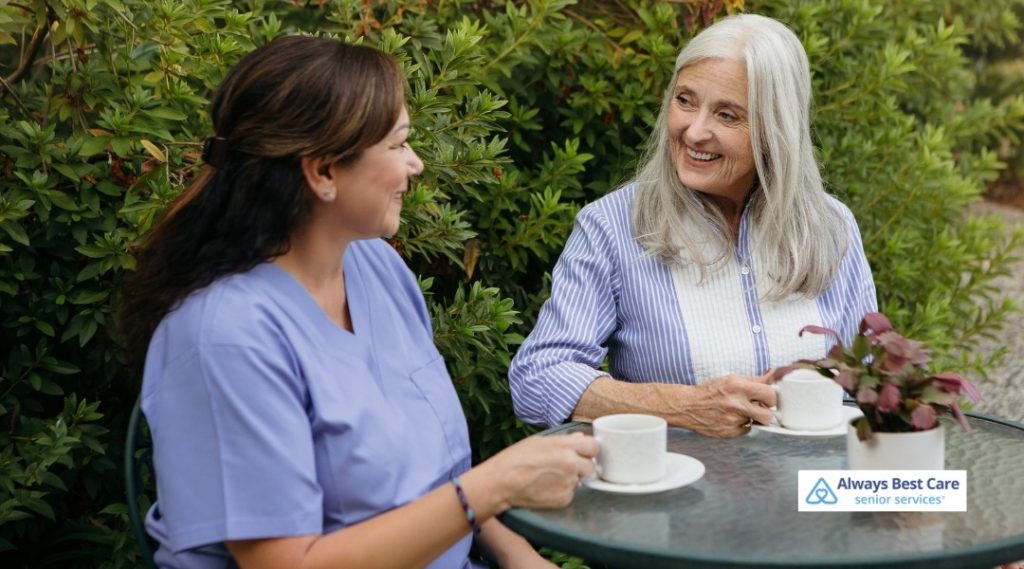
Support You Can Rely On
If you’re looking for reliable, caring support for a senior in your life, we’re here to help. We understand the worries that come with aging, and we’re ready to walk alongside you through each step of the care journey.
Call Always Best Care of Mount Clemens, MI at (586)488-4245 to schedule a care consultation and learn how our caregivers can promote safety, dignity, and peace of mind for your family.
Link to the Markdown File version of this article.