
The Hidden Risk of Dehydration in Older Adults: Why Thirst Alone Isn’t a Reliable Signal in Mount Clemens, MI

Thirst is something most people take for granted. You feel it, you drink, and the problem is solved. But for millions of older adults, that built-in signal quietly fades — and the consequences can be serious.
Dehydration is one of the most common yet overlooked health risks in seniors. Unlike younger adults, older adults can become significantly dehydrated before they ever feel the urge to drink. Understanding why this happens — and what to do about it — is one of the most practical steps families and caregivers can take to protect a senior’s health.
What you will learn:
- Why your senior loved one’s natural thirst signal fades with age and what that means for their daily health.
- The surprising warning signs of dehydration that every family member and caregiver should watch for.
- Simple, practical strategies to build a hydration routine that works, including foods that boost fluid intake.
- How thoughtful in-home care support can keep seniors safe, hydrated, and thriving at home.
Table of Contents
Why Aging Disrupts the Thirst Signal
The human body is remarkably good at regulating fluid balance, but that system becomes less efficient with age. The hypothalamus, the part of the brain that triggers thirst, becomes less sensitive over time. This means the brain may not send a thirst signal until dehydration is already underway.
At the same time, the kidneys become less effective at conserving water, so the body loses fluids more quickly. Muscle mass also decreases with age, and since muscle tissue holds more water than fat, older adults simply have less fluid reserve to draw from.
Add in common medications like diuretics, blood pressure drugs, and antihistamines — all of which increase fluid loss — and the risk compounds further. Mobility limitations, fear of incontinence, and cognitive changes can also reduce how often and how much seniors drink throughout the day.
The result: many older adults are chronically under-hydrated without realizing it.

What Dehydration Actually Does to the Body
Dehydration does not just make you feel thirsty. Even mild fluid loss — as little as 1–2% of body weight — can trigger a cascade of effects that impact daily function and long-term health.
Short-term effects include:
- Fatigue and low energy
- Headaches and difficulty concentrating
- Dizziness, especially when standing
- Constipation
- Dry mouth and skin
More serious or prolonged dehydration can lead to:
- Urinary tract infections
- Kidney stones
- Low blood pressure and increased fall risk
- Rapid heart rate
- Confusion and disorientation that can mimic dementia symptoms
- Hospitalization
For seniors already managing chronic conditions, dehydration can destabilize blood sugar, worsen heart conditions, and interfere with medication effectiveness. It is not a minor inconvenience — it is a genuine health hazard.
Warning Signs Families Should Know
Because seniors may not feel or report thirst, family members and caregivers play a critical role in catching dehydration early. Knowing what to look for can prevent a manageable issue from becoming a medical emergency.
Watch for these warning signs:
- Dark yellow or amber-colored urine
- Infrequent urination
- Dry or cracked lips and mouth
- Sunken eyes
- Unusual fatigue or weakness
- Sudden confusion or increased forgetfulness
- Dizziness when changing positions
- Decreased appetite
If symptoms appear suddenly or worsen quickly, contact a healthcare provider promptly. In older adults, dehydration can escalate faster than expected.
Building a Hydration Routine That Actually Works
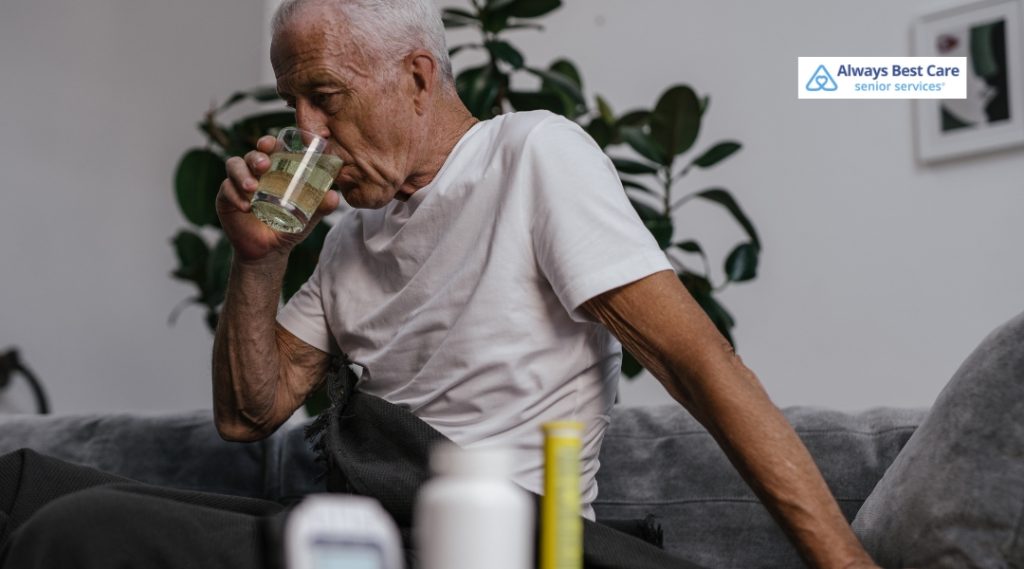
Since waiting for thirst is not a reliable strategy, the most effective approach is to make hydration a structured habit — something that happens on a schedule, not on demand.
Practical strategies include:
- Drinking a full glass of water first thing in the morning
- Pairing fluid intake with meals and medication times
- Keeping a water bottle visible and within easy reach at all times
- Setting phone or watch reminders every 1–2 hours
- Drinking a glass of water before going outdoors or engaging in any physical activity
- Sipping small amounts consistently rather than large amounts infrequently
Consistency matters more than volume at any single moment. Small, regular sips throughout the day are far more effective than trying to “catch up” on fluids in the evening.
Hydration Goes Beyond Drinking Water
Plain water is ideal, but it is not the only source of hydration. Many foods contribute meaningfully to daily fluid intake, which is especially helpful for seniors who struggle to drink enough on their own.
High-water-content foods to incorporate regularly:
- Watermelon and strawberries
- Cucumbers and celery
- Oranges and grapes
- Lettuce and spinach
- Broth-based soups
- Yogurt and low-fat milk
- Herbal teas
These options also deliver vitamins, minerals, and fiber — making them a smart addition to any senior’s diet beyond hydration alone. Smoothies, flavored water, and diluted fruit juices can also help for seniors who find plain water unappealing.
How Caregivers Make a Real Difference
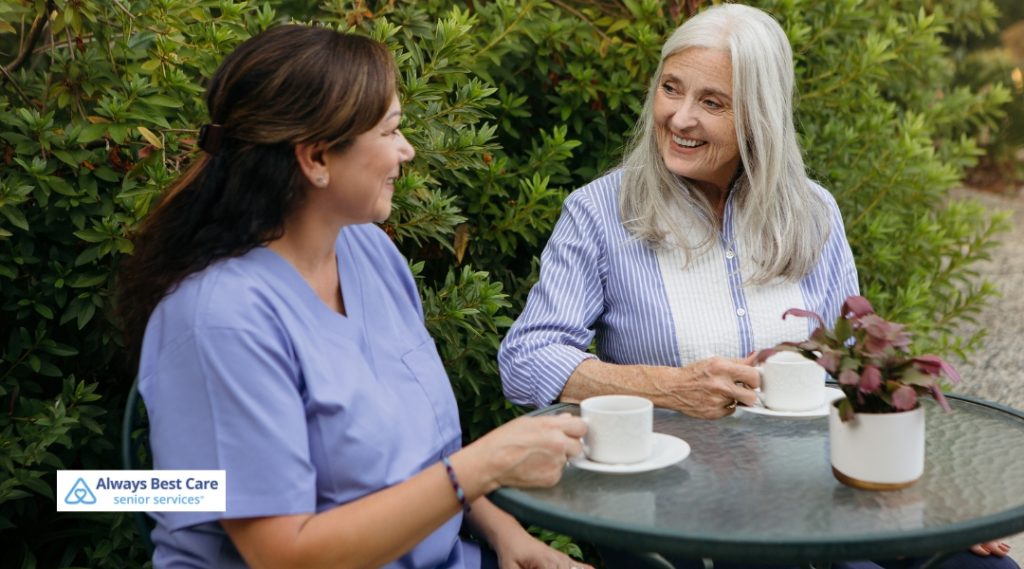
For seniors living alone or managing complex health needs, staying consistently hydrated can be genuinely difficult. Caregivers — whether family members or professional home care aides — are in a unique position to support healthy hydration every single day.
Caregivers can help by:
- Proactively offering water and hydrating beverages throughout the day
- Preparing meals and snacks that include high-water-content foods
- Monitoring urine color and frequency as a simple hydration check
- Noting any behavioral or physical changes that may signal dehydration
- Communicating observations to healthcare providers when needed
This kind of attentive, consistent support is often what makes the difference between a senior who thrives at home and one who ends up in the emergency room.
Is Your Senior Parent Drinking Enough Water?
At Always Best Care of Mount Clemens, our caregivers are trained to support healthy daily routines — including hydration, nutrition, and overall wellness. We help seniors stay comfortable, healthy, and independent at home.
Dehydration is preventable. With the right habits, awareness, and support, seniors can stay well-hydrated, protect their health, and continue living actively and independently.
If your loved one could benefit from daily support at home, Always Best Care of Mount Clemens is here to help. Call us at (586)488-4245 to schedule a care consultation today.
Frequently Asked Questions
Q: How much water should seniors drink each day?
A: General guidelines suggest around 8 cups (64 oz) of fluid per day, but individual needs vary based on body weight, activity level, medications, and health conditions. A senior’s doctor can provide a more personalized recommendation.
Q: Can seniors drink too much water?
A: Yes, though it is less common. Overhydration, or hyponatremia, can occur when sodium levels in the blood become too diluted. Seniors with kidney or heart conditions should follow their doctor’s guidance on fluid intake limits.
Q: Are caffeinated drinks like coffee or tea okay for hydration?
A: In moderate amounts, yes. While caffeine has a mild diuretic effect, research shows that caffeinated beverages still contribute to overall fluid intake. Herbal teas and decaf options are generally better choices for seniors sensitive to caffeine.
Q: What is the easiest way to tell if a senior is dehydrated?
A: Urine color is one of the simplest indicators. Pale yellow urine typically signals good hydration, while dark yellow or amber urine suggests the body needs more fluids. Dry mouth, fatigue, and dizziness are also early warning signs.
Q: How can I help a senior who refuses to drink enough water?
A: Try offering variety — flavored water, herbal teas, broths, or smoothies. Pair drinks with meals and routines they already follow. Make fluids easy to access by keeping a water bottle nearby. If refusal is persistent, consult a healthcare provider to rule out underlying causes.
Link to the Markdown File version of this article.