When Does a Wound Need a Nurse? Home Care Options in Mount Clemens, MI
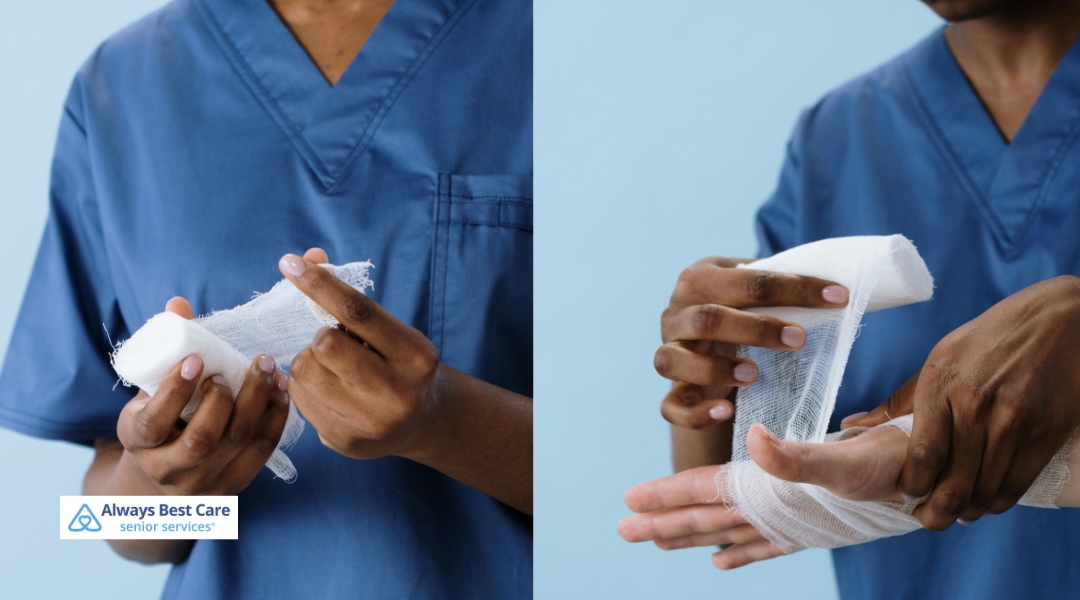
A small scrape may be no big deal, but for older adults, even a minor wound can turn tricky fast. Healing can slow down with age, and that means extra attention may be needed to keep things from going sideways.
For families in Mount Clemens, MI, knowing the line between basic care and skilled nursing can make all the difference. We’re here to help you spot the signs, understand the risks, and feel more confident about next steps.
What you will learn:
- Why wound care can get tricky for older adults and which health conditions may slow the healing process.
- The key warning signs that a wound may need professional skilled nursing attention at home.
- How skilled nursing and everyday in-home care work hand in hand to support a safer, smoother recovery.
- Simple, practical steps families can take to help prevent pressure injuries and keep loved ones comfortable.
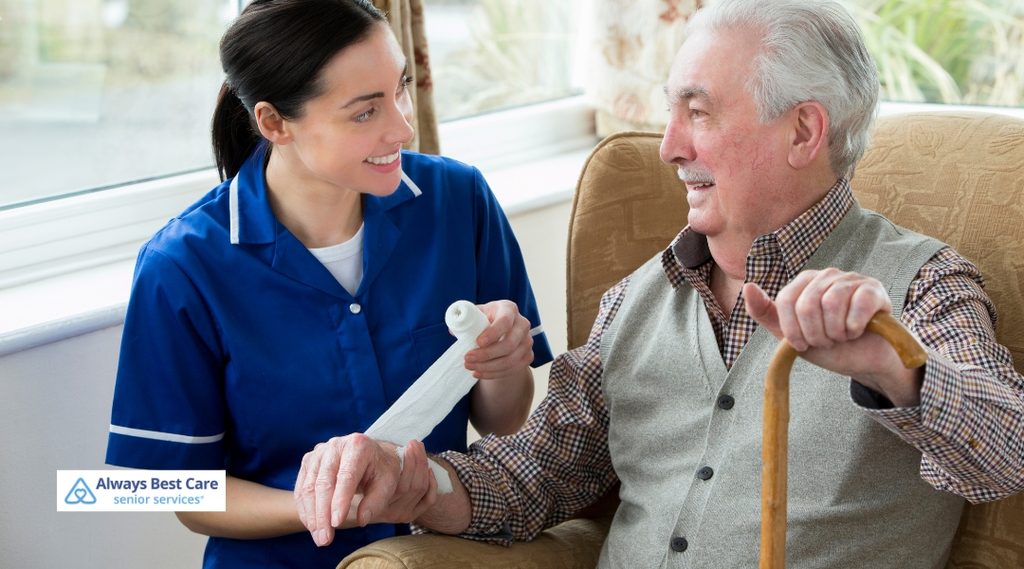
Table of Contents
Why Wound Care at Home Gets Tricky
As skin ages, it gets thinner, more delicate, and easier to injure. A simple bump can lead to a tear, and healing may take longer than it once did.
Some health issues can slow recovery even more, such as:
- Diabetes
- Poor blood flow
- Limited movement
- Weak immune response
- Poor nutrition or low fluid intake
Nutrition also plays a critical role. According to Dietitians of America, adequate protein, vitamin C, zinc, and hydration are all essential to tissue repair, and many older adults do not consistently meet these needs.
Signs Skilled Nursing May Be Needed
Not every wound needs medical care beyond basic cleaning and a bandage. Still, some wounds need closer watching and expert care.
Common wounds that may need help
- Surgical cuts that still need monitoring
- Pressure injuries or bedsores
- Diabetic foot wounds
- Wounds tied to poor circulation
- Skin tears that keep reopening
- Burns or deeper injuries
- Long-lasting wounds that aren’t improving
Warning signs to watch for
A wound may need medical attention if you notice:
- More redness than before
- Warmth around the area
- Swelling
- Rising pain
- Drainage or a bad smell
- Changes in how the wound looks
- Fever or chills
- Confusion or a sudden drop in energy
Seniors with diabetes, compromised immune systems, or circulatory conditions are at higher risk and should be monitored closely. The American Diabetes Association notes that foot wounds in people with diabetes can deteriorate quickly and should never be left unassessed.
What Skilled Nursing Can Do at Home
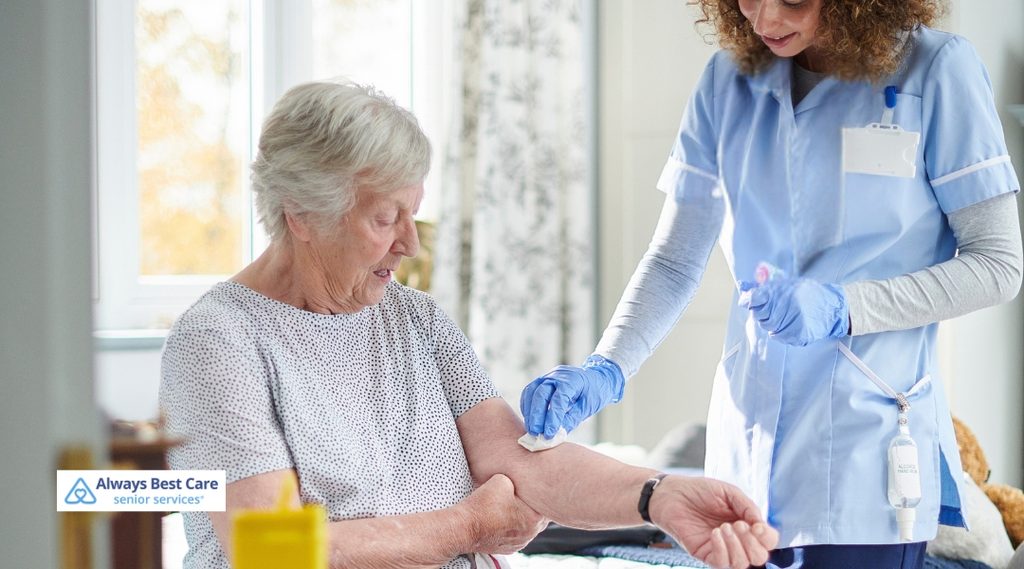
A home health nurse can bring medical care right to the house and follow the treatment plan given by the doctor.
Typical nursing support may include
- Checking the wound and tracking healing
- Cleaning the area
- Changing dressings
- Looking for infection
- Teaching family members wound care basics
- Sharing updates with the care team
That kind of support can be a real relief after surgery, rehab, or a hospital stay. It takes some weight off everyone’s shoulders, and that’s no small thing.
Preventing Pressure Injuries at Home
For seniors who spend a lot of time in bed or in a chair, pressure injuries can sneak up fast. Sitting or lying in one position too long puts stress on the skin.
Helpful prevention steps
- Change positions often
- Keep skin clean and dry
- Use cushions or other pressure-relief tools
- Make sure meals and fluids are regular
- Check heels, hips, tailbone, and elbows often
Health America recognises pressure injuries as a significant patient safety concern, particularly for older adults receiving care at home or in long-term settings.
How Home Care and Skilled Nursing Work Together
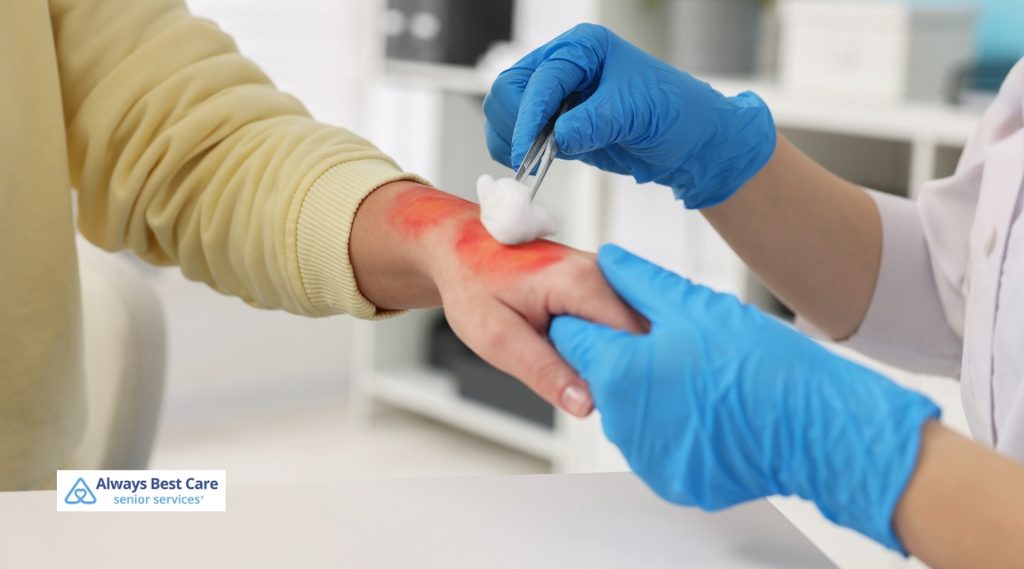
Skilled nursing handles the medical side, but day-to-day help still matters. That’s where in-home care can step in.
In-home caregivers may help with
- Meal prep
- Bathing and grooming
- Light housekeeping
- Walking or transfers
- Medication reminders
- Noticing changes and sharing concerns
Together, wound care at home and daily support can make healing feel less stressful and more manageable.
Wound Care at Home in Mount Clemens, MI
At Always Best Care of Mount Clemens, MI, we support older adults who need a little extra help staying safe and comfortable at home. Depending on what’s available and what your loved one needs, services may include skilled nursing and help with daily routines.
Some wounds heal just fine with basic care, but others need a closer eye. If healing seems slow or signs of infection show up, skilled nursing can bring the right care right to the home.
For families in Mount Clemens, MI, support is available through Always Best Care of Mount Clemens, MI when recovery needs a safer, steadier hand.
If a wound, surgery, or health setback is making recovery harder, we can help guide the next step. A care consultation can point you toward the right support for your family. Contact Always Best Care Mount Clemens at (586)488-4245 to schedule an appointment.
FAQ
Q: How do I know if a wound is serious?
A: If it becomes more red, swollen, painful, warm, smelly, or starts draining, it should be checked.
Q: Can a nurse treat wounds at home?
A: Yes, a home health nurse can clean wounds, change dressings, monitor healing, and share updates with the care team.
Q: What if my loved one has diabetes?
A: Diabetes can slow healing and raise infection risk, so wounds should be watched closely.
Q: Can home care help with wound recovery?
A: Yes, caregivers can help with meals, hygiene, mobility, and reminders, which all support healing.