Home Health Care After a Stroke in Liverpool, OH: Services That Make Recovery Easier
Returning home after a stroke is a significant milestone—but it is also the point where consistent, skilled support becomes essential. Hospital stays and inpatient rehabilitation provide a strong foundation, yet the real work of rebuilding daily life happens at home. For seniors in East Liverpool, OH, home health services offer a practical and compassionate solution that brings medical care, therapy, and monitoring directly to the patient.
What You Will Learn:
- How home health care supports stroke recovery after hospital discharge.
- The benefits of skilled nursing, physical therapy, and occupational therapy for rebuilding strength and independence.
- Why emotional and social support are vital to long-term healing and confidence.
- How Always Best Care of East Liverpool provides comprehensive, compassionate recovery care tailored to each senior’s needs.
Table of Contents
The Gap Between Discharge and Full Recovery
Many families are surprised to learn how much recovery remains after a stroke survivor is discharged. Weakness, speech difficulties, memory gaps, and coordination challenges can persist for months. Without continued professional support, progress can stall—or worse, complications can go undetected.
Home health bridges this gap. Rather than requiring seniors to travel frequently to clinics or outpatient facilities, a skilled care team comes to them. This reduces physical strain, lowers the risk of setbacks, and allows therapy to take place in the actual environment where the patient lives and moves every day.
Skilled Nursing: Medical Oversight at Home
A licensed home health nurse is often the first professional involved after a stroke discharge. Their role goes well beyond routine check-ins—they provide active medical management and serve as a direct link between the patient, family, and physician.
Skilled nursing services typically include:
- Monitoring blood pressure, heart rate, and other vital signs
- Managing and reconciling medications to prevent errors or interactions
- Identifying early warning signs of a secondary stroke or other complications
- Educating family members on care routines, red flags, and emergency protocols
- Coordinating with the patient’s physicians and specialists to adjust the care plan as needed
For seniors managing additional conditions such as diabetes, hypertension, or heart disease, skilled nurses integrate stroke recovery into a broader health management strategy—reducing the risk of compounding issues.
Physical Therapy: Rebuilding Strength and Movement
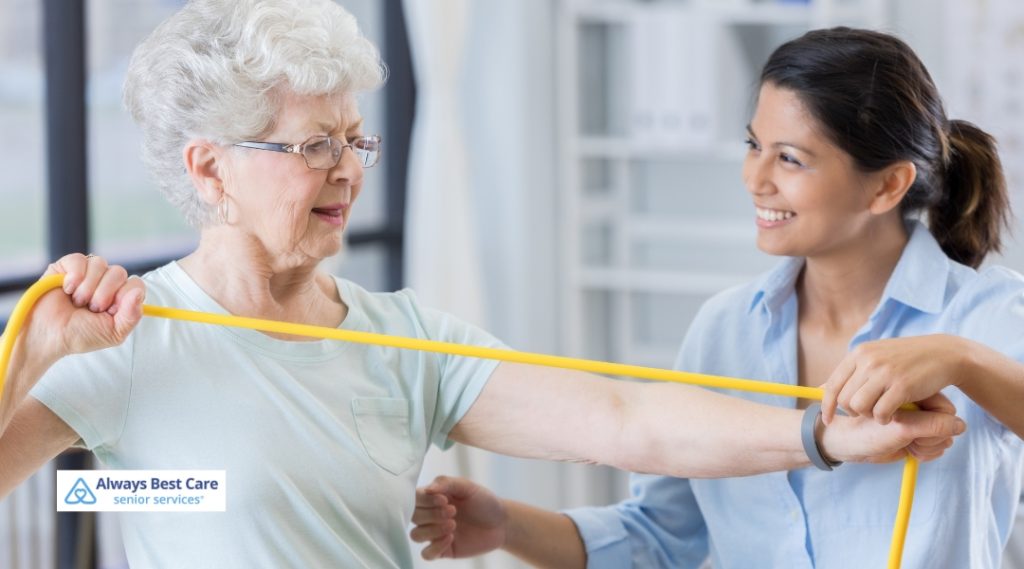
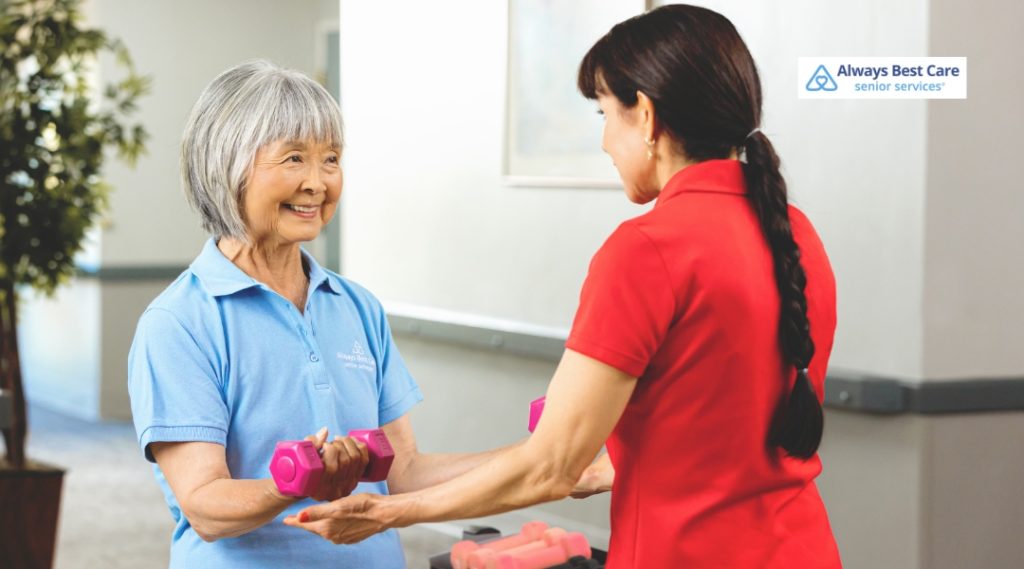
Stroke-related weakness or paralysis on one side of the body is one of the most common and disruptive effects survivors face. Physical therapy at home focuses on restoring functional movement in a setting that is both familiar and relevant to the patient’s daily life.
A home health physical therapist works with seniors to improve:
- Muscle strength and coordination
- Balance and fall prevention
- Walking ability and safe navigation of the home
- Range of motion in affected arms and legs
Importantly, therapy conducted at home allows therapists to address real-world challenges—practicing how to safely climb the patient’s own stairs, move through their specific hallways, or transition from their own bed. This targeted approach accelerates functional recovery and builds genuine confidence.
Occupational Therapy: Relearning Daily Life
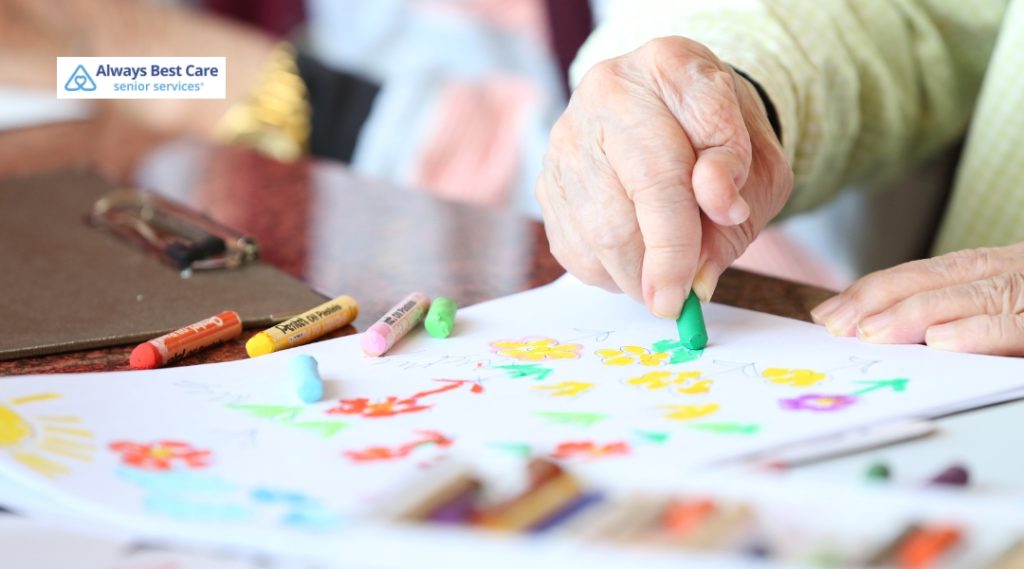
A stroke can make once-automatic tasks feel overwhelming. Getting dressed, preparing a simple meal, or managing personal hygiene may require entirely new approaches. Occupational therapy helps seniors develop practical strategies to regain independence in these areas.
Occupational therapy may include:
- Relearning safe bathing, grooming, and dressing techniques
- Adapting household routines to accommodate new physical limitations
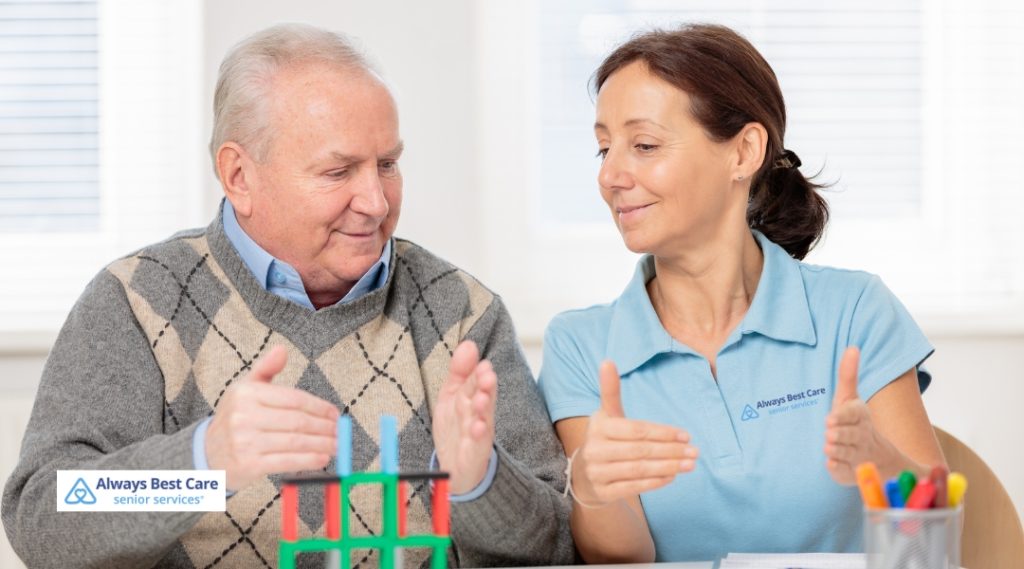
- Strengthening fine motor skills and hand-eye coordination
- Identifying and recommending assistive devices
- Modifying the home layout to reduce fall risk and improve accessibility
The goal is not just physical recovery—it is restoring a sense of normalcy and self-sufficiency that directly impacts emotional well-being.
Ongoing Monitoring: Catching Problems Early
Stroke recovery is rarely linear. Progress can plateau, and complications can emerge weeks after discharge. Regular monitoring by home health professionals ensures that any changes are caught and addressed before they become serious.
Warning signs that home health teams watch for include:
- Sudden changes in speech, vision, or movement
- Increased weakness or new balance problems
- Unusual fatigue, confusion, or behavioral changes
- Indicators of another stroke or cardiovascular event
Early intervention can prevent hospital readmission and protect the gains a patient has already made.
Emotional and Social Support
The psychological impact of a stroke is often underestimated. Many survivors experience depression, anxiety, or frustration as they adjust to new limitations. Isolation can compound these feelings, particularly for seniors who live alone or have limited mobility.
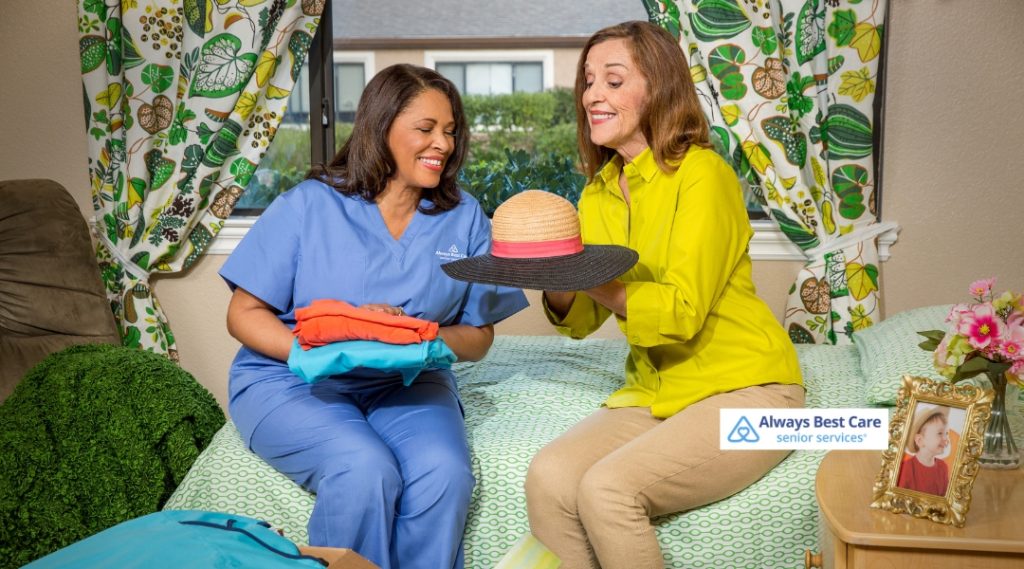
Home health caregivers provide more than medical assistance—they offer consistent human connection. Regular visits from familiar, trusted professionals help reduce feelings of isolation and reinforce a positive recovery mindset. Families also benefit, gaining peace of mind and practical guidance on how to support their loved one effectively. Learn more about how home health supports family caregivers.
How Always Best Care of East Liverpool, OH Supports Stroke Recovery
At Always Best Care of East Liverpool, OH, we take a comprehensive approach to post-stroke care. Our team coordinates with physicians, therapists, and family members to build individualized care plans that evolve as recovery progresses.
Beyond skilled nursing and therapy, our caregivers assist with daily activities, transportation to follow-up appointments, meal preparation, and companionship—ensuring that every aspect of a senior’s well-being is addressed.
Frequently Asked Questions
Q: What is home health care for stroke recovery?
A: Home health care for stroke recovery is a coordinated set of medical and therapeutic services delivered in the patient’s home. It typically includes skilled nursing, physical therapy, and occupational therapy, and is designed to help stroke survivors continue improving after hospital discharge.
Q: How soon after a stroke can home health services begin?
A: Home health services can often begin within days of discharge from a hospital or rehabilitation facility. A physician’s referral is typically required, and the care team will conduct an initial assessment to develop a personalized plan.
Q: Is home health care covered by Medicare or insurance?
A: Medicare Part A and Part B may cover home health services for eligible beneficiaries who meet specific criteria, including being homebound and requiring skilled care. Coverage details vary, so it is advisable to confirm benefits with your insurance provider or speak with a home health coordinator.
Q: How is home health different from home care?
A: Home health refers to medically supervised services provided by licensed professionals such as nurses and therapists. Home care typically refers to non-medical assistance with daily activities such as bathing, dressing, and meal preparation. Many agencies, including Always Best Care, offer both.
Q: How long does stroke recovery with home health services take?
A: Recovery timelines vary significantly depending on the severity of the stroke, the patient’s overall health, and how consistently therapy is pursued. Some patients see major improvements within weeks; others continue making progress over months or years. Home health services are adjusted as the patient’s needs evolve.
Q: What should families do if they notice new symptoms during recovery?
A: Any sudden changes in speech, movement, vision, or behavior should be treated as a medical emergency. Contact emergency services immediately. For gradual or non-emergency changes, notify the home health nurse or physician as soon as possible so the care plan can be reviewed.
Recover Safely and Confidently at Home with Skilled Stroke Care
At Always Best Care of East Liverpool, we make stroke recovery safer and more comfortable with personalized in-home health services. Our licensed nurses and therapists coordinate care, manage medications, and guide therapy in the comfort of home—helping seniors rebuild strength, confidence, and peace of mind.
Contact Always Best Care of East Liverpool at (330) 385-5960 to learn more and schedule your free consultation.
Link to the markdown version of this blog.