Why Some Wounds Require a Skilled Nurse, Not Just a Bandage in Liverpool, OH
Small cuts and scrapes are usually no big deal. A bandage here, a little ointment there, and we move on. But as our loved ones age, wound care at home can get tricky fast. Healing can take longer, and hidden health issues can turn a “simple” wound into a serious concern.
That’s where wound care at home and skilled nursing in East Liverpool, OH come into play. Knowing the difference between everyday care and medical-level support helps us protect the seniors we love and keep them safer at home.
Table of Contents
What You Will Learn
- Why wound healing can be more difficult for older adults because of fragile skin, diabetes, poor circulation, heart conditions, limited mobility, medications, nutrition concerns, dehydration, and other chronic health needs.
- Which wounds may require clinical assessment or physician-directed skilled nursing, including post-surgical incisions, pressure injuries, diabetic foot ulcers, circulation-related wounds, burns, complex skin tears, and wounds that are not improving as expected.
- Warning signs that should prompt a call to a healthcare provider, including spreading redness, increased warmth or swelling, worsening pain, drainage, pus, foul odor, wound-size or color changes, fever, chills, sudden confusion, unusual drowsiness, weakness, or a decline in overall health.
Why Wound Care At Home Is Different For Seniors
As we grow older, skin doesn’t bounce back like it used to. It becomes thinner, more fragile, and easier to tear or bruise. A small bump on the coffee table may leave a mark that lingers for weeks.
Several factors make wounds more complicated for seniors:
- Slower healing: The body just takes more time to repair itself.
- Ongoing health conditions: Diabetes, poor circulation, heart issues, or limited movement can slow healing or raise the risk of infection.
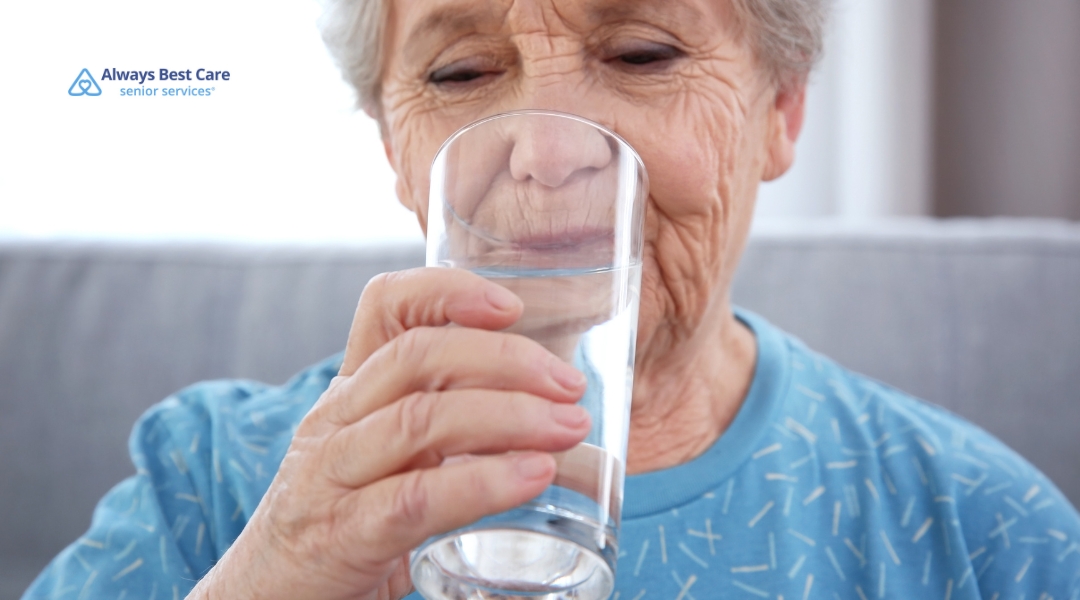
- Nutrition and hydration: Not getting enough protein, vitamins, minerals, or fluids can make wounds stubborn and slow to close.
So while a cut might look minor, the way a senior’s body responds can be quite different from what we’d expect.
What Types Of Wounds May Need Skilled Nursing?
Not every scrape needs a nurse, but some wounds really shouldn’t be handled alone at home. Skilled nursing support may be needed for:
- Surgical incisions that still require careful monitoring
- Pressure injuries or bedsores
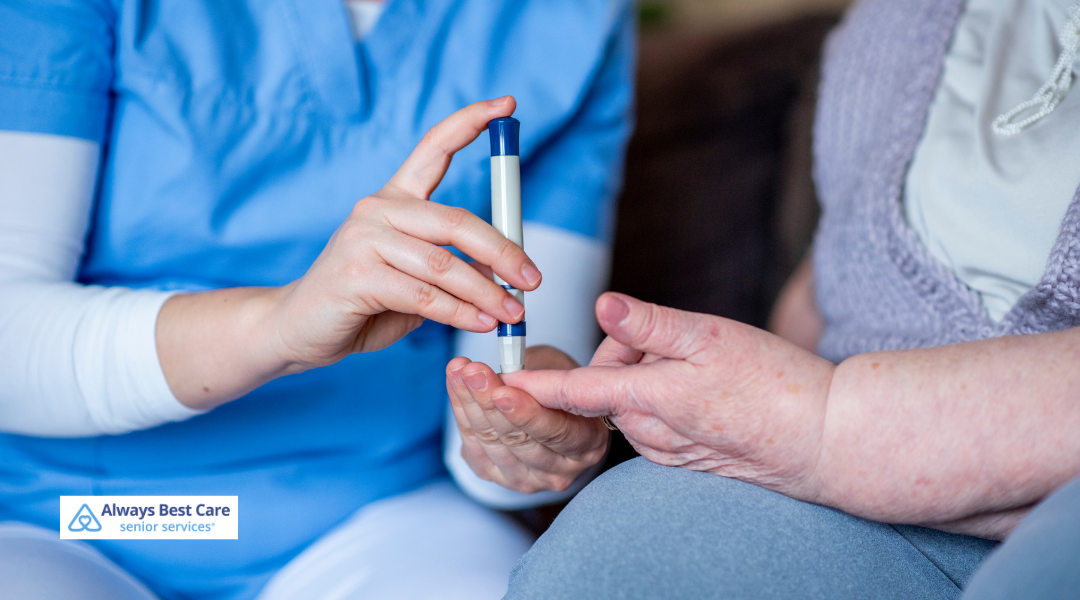
- Diabetic foot ulcers
- Wounds tied to poor circulation
- Deep or complicated skin tears
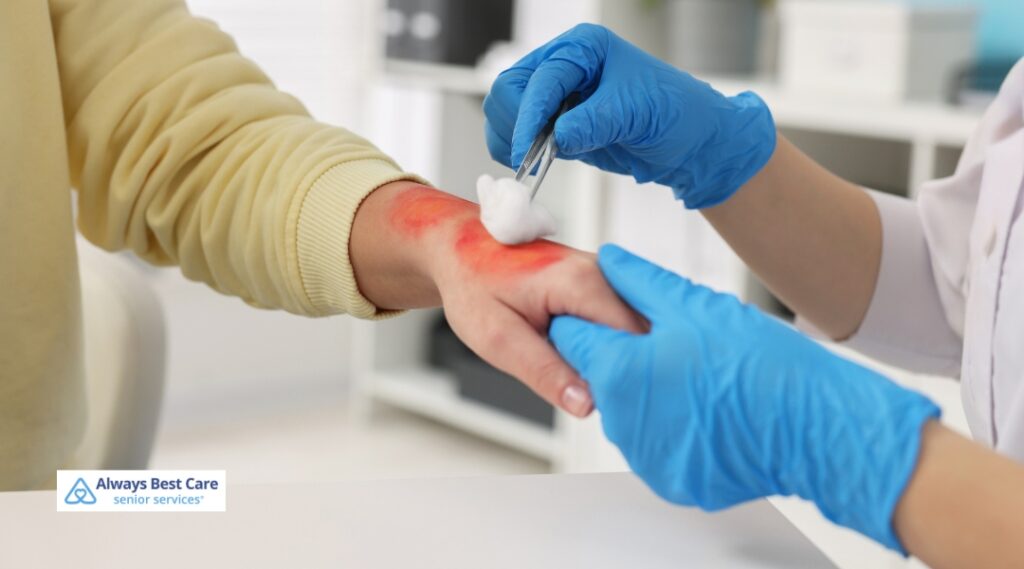
- Burns or more significant injuries
- Chronic wounds that haven’t improved as expected
A healthcare provider can look at the wound, ask a few questions, and recommend whether skilled nursing is a smart move. When that happens, we at Always Best Care of East Liverpool, OH can help bring wound care at home through skilled nursing right to the doorstep.
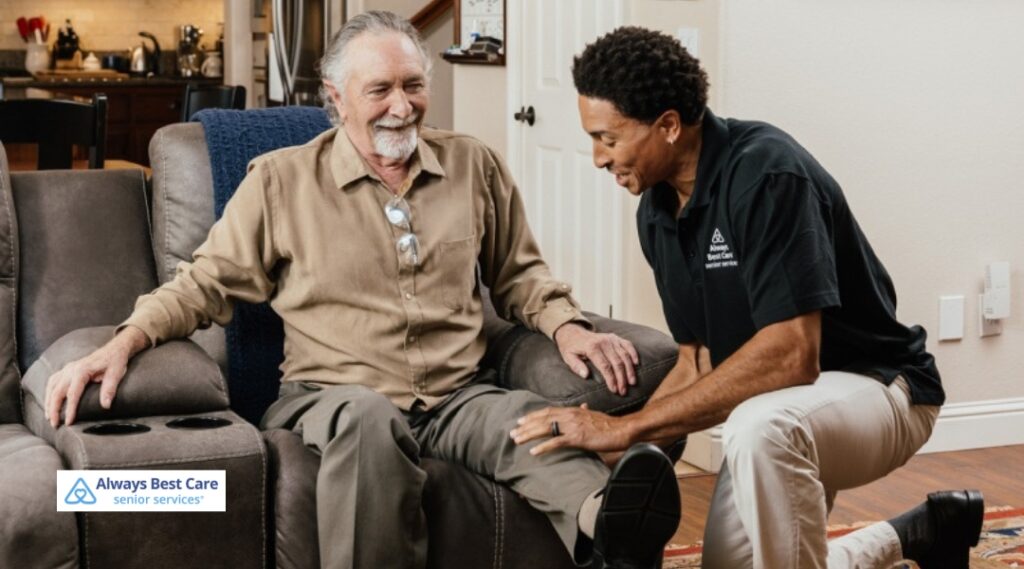
Warning Signs A Wound Needs Medical Attention
Sometimes a wound looks fine at first… then suddenly, not so much. Families should watch closely for signs that healing isn’t going as planned.
Pay attention to:
- Redness that spreads or gets brighter
- Increased warmth or swelling around the wound
- More pain than before
- Drainage or pus
- A strong or unusual smell
- Changes in the wound’s size, color, or depth
On top of that, whole-body changes matter too:
- Fever or chills
- New confusion or unusual sleepiness
- Feeling very weak or unsteady
- A sudden drop in overall health
For seniors with diabetes, weak immune systems, or circulation problems, those warning signs can move quickly. If something feels “off,” it’s better to speak up sooner rather than later.
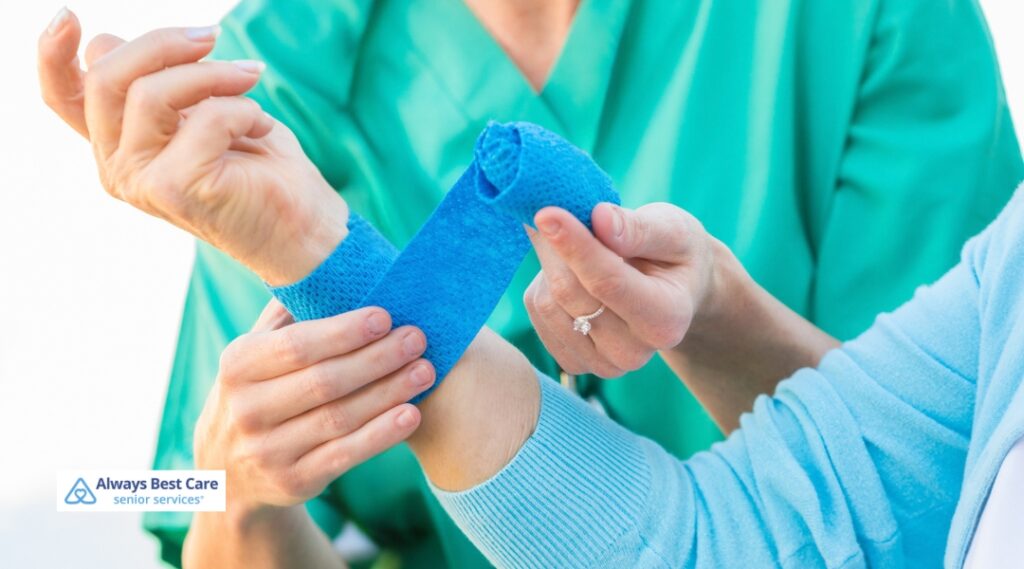
Skilled Nursing For Wound Care At Home In East Liverpool, OH
So what does a home health nurse actually do for wound care at home in East Liverpool, OH? Quite a lot, and all right at home.
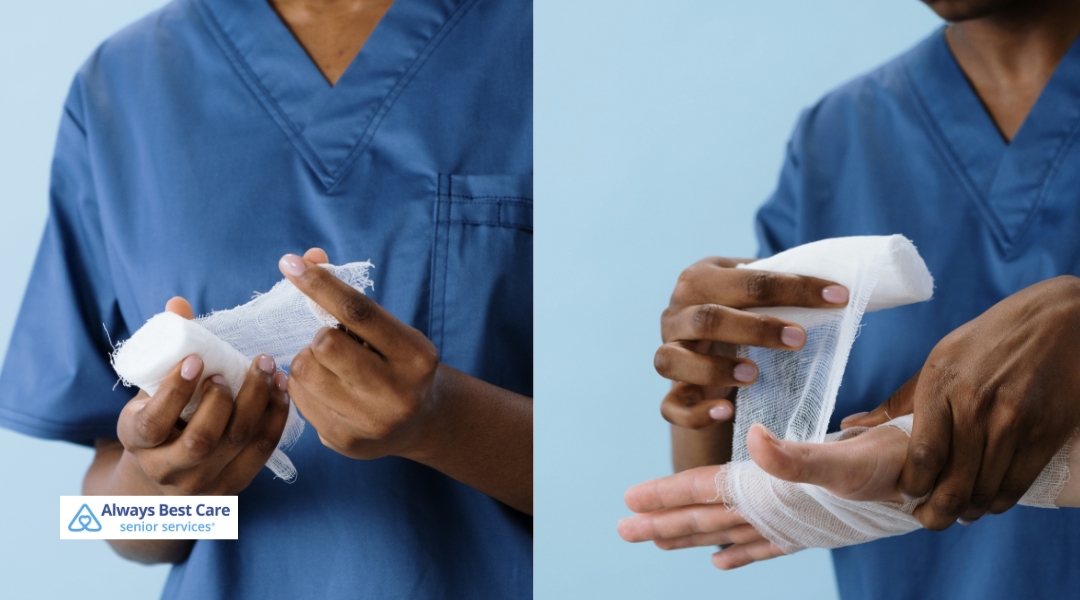
Depending on the wound and the doctor’s instructions, skilled nursing care can include:
- Checking the wound regularly and tracking how it’s healing
- Cleaning the area gently and correctly
- Changing dressings on a schedule that supports healing
- Watching for any signs of infection
- Teaching seniors and families how to care for the wound between visits
- Sharing updates and concerns with the broader healthcare team
We at Always Best Care of East Liverpool, OH also help families understand what’s normal, what’s not, and when it’s time to call the doctor. That guidance can be especially reassuring after a hospital stay, rehab, or surgery, when everyone’s a bit on edge and unsure what’s “normal.”
Preventing Pressure Injuries At Home
For seniors who spend a lot of time in bed or in a chair, preventing wounds is just as important as treating them. Staying in one position for too long can put extra pressure on certain areas and damage the skin.
Simple but powerful steps include:
- Changing positions regularly
- Keeping skin clean and dry
- Using cushions, special mattresses, or supports to reduce pressure
- Encouraging enough food and fluids to support healing
- Checking common trouble spots: heels, hips, tailbone, elbows
We at Always Best Care of East Liverpool, OH can help families build these habits into everyday routines so they don’t feel like one more thing on a long to‑do list.
How Home Health And In‑Home Care Work Together
Skilled nursing focuses on medical needs, but healing doesn’t happen in a vacuum. Seniors may also need day‑to‑day help while they recover.
In‑home caregivers can support recovery by:
- Preparing meals and snacks that support healing
- Helping with bathing, dressing, and other personal care
- Assisting with light housekeeping to keep spaces safe and tidy
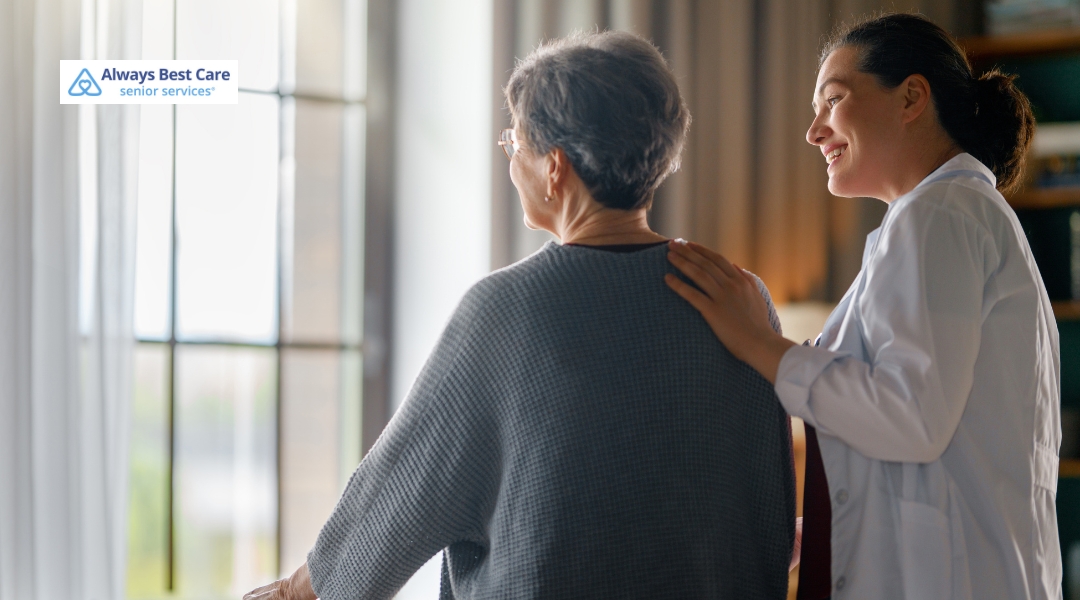
- Offering a steady arm for walking or moving around the home
- Reminding seniors to take medication
- Watching for changes and sharing concerns with family or healthcare providers
We at Always Best Care of East Liverpool, OH coordinate skilled nursing in East Liverpool, OH with in‑home support, so medical care and daily life fit together rather than working at cross‑purposes.
Supporting Safer Healing At Home With Always Best Care Of East Liverpool, OH
Good wound care at home can lower the risk of complications, reduce trips back to the hospital, and support a smoother recovery. Families don’t have to carry that responsibility alone.
We at Always Best Care of East Liverpool, OH offer services to help older adults stay safer, more comfortable, and better supported where they live. Depending on your loved one’s needs and available services, home health care may include skilled nursing, while in‑home caregivers help with everyday tasks that make healing easier.
If a loved one is recovering from a wound, surgery, or another medical issue and needs extra help at home, we at Always Best Care of East Liverpool, OH welcome you to reach out for a care consultation and to learn more about your options.
FAQ: Wound Care At Home And Skilled Nursing
Q: How do we know if wound care at home is enough?
A: If the wound is small, clean, not very deep, and healing steadily with basic care, home care may be enough. If anything looks worse instead of better, it’s time to ask a healthcare provider for guidance.
Q: When is skilled nursing needed for wound care at home in East Liverpool, OH?
A: Skilled nursing is often needed for surgical wounds, pressure injuries, diabetic ulcers, burns, or any wound that isn’t healing as expected or shows signs of infection.
Q: Can skilled nursing and in‑home caregiving happen at the same time?
A: Yes. Skilled nurses handle medical wound care, and in‑home caregivers support daily routines like meals, bathing, and mobility, which all play a role in safer healing.
Q: How often will a nurse visit for wound care?
A: Visit frequency depends on the type of wound, how serious it is, and the doctor’s orders. Some wounds may need daily attention at first, then fewer visits as healing progresses.
Q: What should we do between nursing visits?
A: Follow the care instructions you’ve been given, keep the area clean and protected, watch for any changes, and speak up quickly if something doesn’t look right or your loved one feels worse.
Support Safer Wound Recovery at Home
A wound that is worsening, not healing as expected, showing signs of infection, or making mobility and daily routines more difficult can become a serious concern for an older adult. Prompt clinical guidance, a physician-directed care plan, and dependable day-to-day assistance can help families respond earlier and make recovery at home safer and more manageable.
We at Always Best Care of East Liverpool, OH are here to support families through every step of that healing journey. Contact Always Best Care of East Liverpool at (330) 385-5960 to learn more and schedule your free consultation.
Link to the markdown version of this blog.