

Aging and Blood Sugar: The Warning Signs Families Often Miss in Liverpool, OH
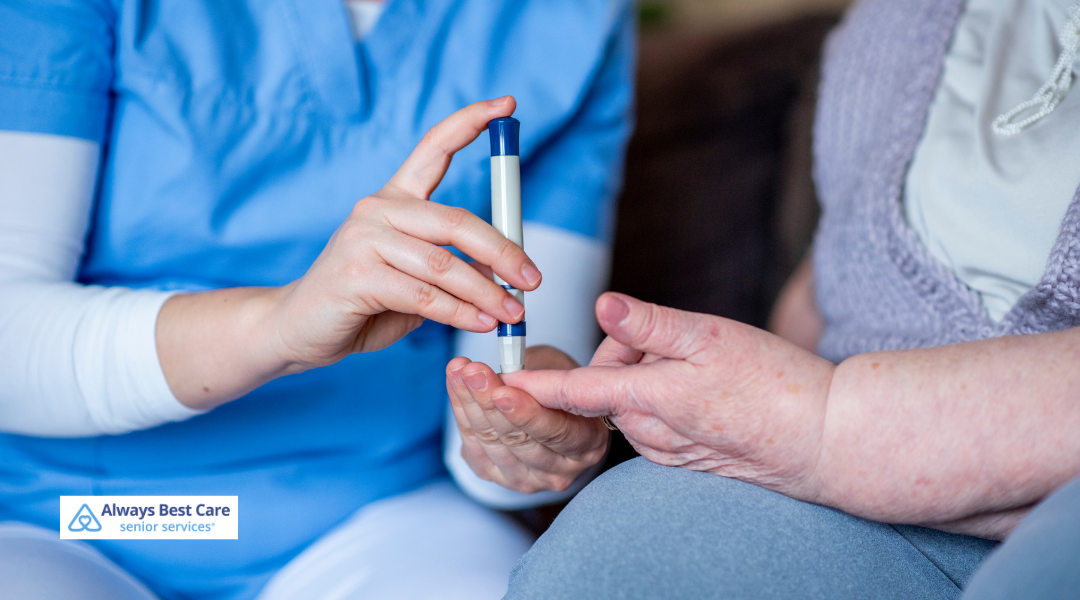
As parents and grandparents get older, blood sugar changes don’t always announce themselves with flashing lights and sirens. Sometimes it’s a subtle shift—a bit more confusion, extra trips to the bathroom, or skipped meals—that hints something’s off.
Diabetes care can feel like a balancing act, and age only adds more moving parts. In East Liverpool, OH, we see families trying their best to keep loved ones safe while juggling busy lives. That’s where we step in. At Always Best Care of East Liverpool, OH, we help weave steady routines and watch for warning signs so seniors can stay comfortable and independent at home.
Table of Contents
What You Will Learn
- Why blood sugar can become harder to manage as older adults experience medication changes, kidney-function shifts, illness, appetite changes, reduced activity, memory concerns, vision loss, tremors, or mobility limitations.
- Common warning signs of low blood sugar, including shaking, sweating, dizziness, weakness, hunger, headaches, irritability, confusion, trouble concentrating, and changes in coordination or balance.
- Common signs of high blood sugar, such as increased thirst, frequent urination, blurred vision, fatigue, unexplained weight loss, headaches, and slow-healing cuts or wounds.

Why Blood Sugar Changes Get Trickier With Age
Managing diabetes doesn’t get easier with time—it often gets more complicated.
As people age, they may:
- Take several medications for different health concerns
- Experience changes in kidney function and digestion
- Move less or become more unsteady
- Deal with memory lapses or confusion
Put all that together, and blood sugar changes can show up more often and more suddenly. A minor illness, skipped snack, or new prescription can throw off that balance in a hurry.
We’ve seen seniors in East Liverpool, OH eat less because they don’t feel well, forget a meal altogether, or mix up their medication schedule. Without a steady routine and a watchful eye, blood sugar can swing high or low before anyone realizes what’s happening.
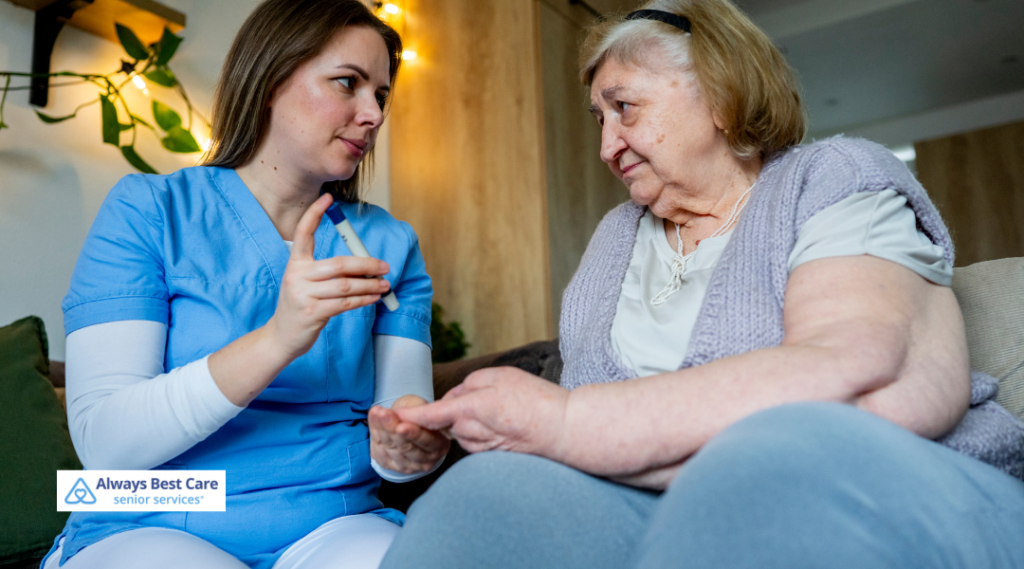
Recognizing Low Blood Sugar in Older Adults
Low blood sugar (hypoglycemia) happens when glucose drops below a safe range. It can come on fast—sometimes in minutes.
Common signs include:
- Shaking or sweating
- Dizziness or weakness
- Sudden hunger
- Headache
- Irritability, nervousness, or feeling “on edge”
- Trouble concentrating or thinking clearly
- Confusion or acting strangely
- Changes in coordination or balance
In older adults, these signs can look like “just getting older,” but they’re often more than that. If a loved one suddenly seems confused, unusually weak, or not quite themselves, it’s worth pausing and asking: Could this be low blood sugar?
Severe low blood sugar can lead to seizures or fainting and needs urgent medical attention.

Recognizing High Blood Sugar in Older Adults
High blood sugar (hyperglycemia) usually builds more slowly, so it’s easy to shrug off the early warning signs.
Typical signs include:
- Increased thirst
- Frequent urination
- Blurred vision
- Feeling very tired or weak
- Headache
- Unplanned weight loss
- Cuts or bruises that heal slowly
If high blood sugar sticks around, it can cause long-term damage to the eyes, kidneys, nerves, heart, and blood vessels. Very high levels can also trigger sudden, serious problems—major confusion, severe weakness, trouble breathing, or passing out—where emergency help is needed right away.

Watching for Changes From Your Loved One’s Normal Routine
You don’t need a medical degree to spot trouble. You just need to know what’s normal for your loved one.
Keep an eye out if:
- Your mom, usually chatty and energetic, seems unusually tired or quiet
- Your dad is drinking water constantly and rushing to the bathroom
- A grandparent who’s normally steady suddenly seems confused or unsteady
- Meals are being skipped or barely touched
These shifts are easy to write off as aging, but they can be clues that blood sugar changes are happening behind the scenes.
It helps to ask the doctor:
- What blood sugar range is safe for your loved one?
- How often should they check their glucose?
- Which symptoms mean you should call the doctor?
- What signs are an emergency and require calling 911?
Routines That Help Keep Blood Sugar Steady
A simple, steady routine can make diabetes care much less stressful. In East Liverpool, OH, we’ve seen small, consistent habits make a big difference.
Helpful daily habits include:
- Eating meals and snacks on a regular schedule
- Taking diabetes medications exactly as prescribed
- Checking blood sugar as recommended
- Drinking enough fluids throughout the day
- Staying gently active with safe exercises
- Attending regular doctor visits
Families should also share a full list of medications and supplements with the doctor. Changes in prescriptions can affect how diabetes is managed, and it’s better to spot issues early than after a scare.
When Memory or Mobility Problems Complicate Diabetes Care in East Liverpool, OH
Diabetes care comes with lots of moving pieces: testing, meals, medications, appointments. Add memory problems or physical limits, and those pieces can easily slip out of place.
Challenges we often see include:
- Forgetting diabetes pills or insulin doses
- Missing or repeating doses by accident
- Skipping meals or eating too little
- Struggling to use test strips or devices because of tremors or poor vision
- Difficulty getting to the kitchen to cook or to the car for appointments
These aren’t small issues—they can raise the risk of both low and high blood sugar. When these signs show up, it’s often time to bring in extra support at home.

How Always Best Care of East Liverpool, OH Can Help
At Always Best Care of East Liverpool, OH, we know blood sugar management is about more than numbers on a meter. It’s about daily life: meals, movement, medication reminders, and keeping loved ones safe and engaged.
We can help by:
- Preparing balanced, diabetes-friendly meals
- Offering gentle reminders for medications and blood sugar checks
- Encouraging safe activity and enough fluid intake
- Providing rides to doctor visits and local appointments
- Noticing small changes in mood, energy, or behavior and sharing them with family
For seniors who qualify for home health services, nurses and other licensed professionals can add medical support based on the doctor’s care plan. We work closely with families in East Liverpool, OH to build routines that feel manageable—not overwhelming.
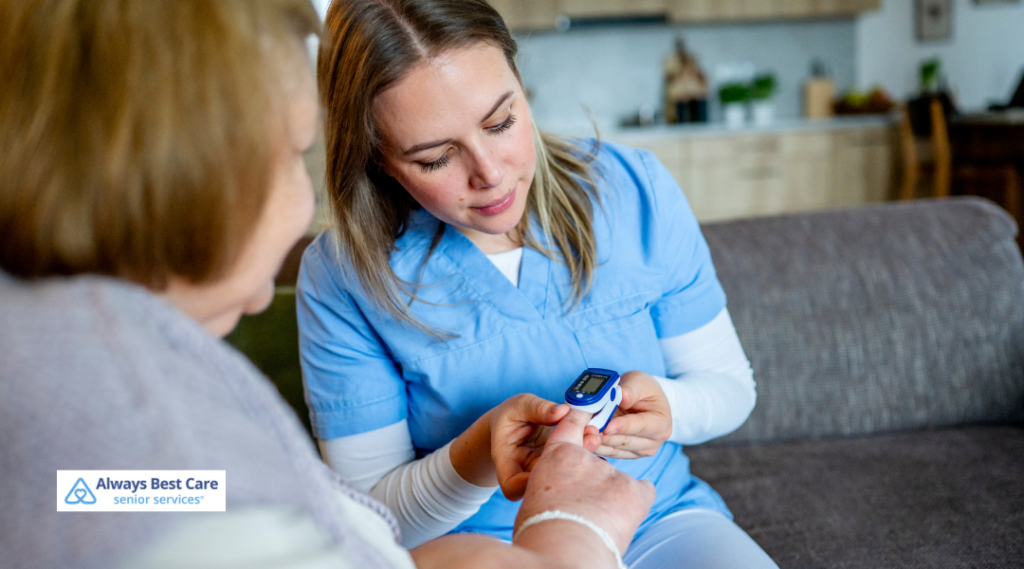
Helping Your Loved One Stay Safe With Diabetes
Blood sugar can shift quickly, and older adults might not always notice or talk about the warning signs. That’s where steady involvement from family—and practical help from us—can make a real difference.
By staying connected, watching for changes from their usual routine, and knowing when to act, families can help loved ones stay safer, more independent, and more comfortable at home.
FAQ: Blood Sugar Changes in Older Adults in East Liverpool, OH
Q: What’s one of the first signs of blood sugar changes in older adults?
A: A sudden shift in behavior—like confusion, unusual tiredness, or acting “off”—is often one of the earliest clues that blood sugar may be too high or too low.
Q: How often should older adults with diabetes check their blood sugar?
A: The schedule depends on the doctor’s advice and diabetes plan. Some may check once a day, while others need several checks, especially if medications or routines change.
Q: What should families do if they suspect low blood sugar?
A: If it’s mild, offering a quick source of sugar (like juice or glucose tablets) may help, followed by a snack. If symptoms are severe—seizures, fainting, or major confusion—call emergency services right away.
Q: Can Always Best Care of East Liverpool, OH help with everyday diabetes routines?
A: Yes. We help with meals, reminders, hydration, safe activity, and getting to appointments, and we keep an eye out for changes that families and doctors need to know about.
Q: When is it time to ask for extra help at home?
A: It’s time to consider more support when memory, mobility, or daily routines start slipping—missed medications, skipped meals, falls, or frequent confusion can all be signs that added help would be safer.

Support Safer Diabetes Routines at Home
Blood sugar changes in older adults can be subtle, but the impact on health and independence is anything but. By paying attention to everyday shifts, building steady routines, and partnering with us at Always Best Care of East Liverpool, OH, families can help loved ones live more safely and comfortably at home—even with diabetes in the picture. Contact Always Best Care of East Liverpool at (330) 385-5960 to learn more and schedule your free consultation.
Link to the markdown version of this blog.