Easy Hydration Habits for Older Adults Living in East Liverpool, OH
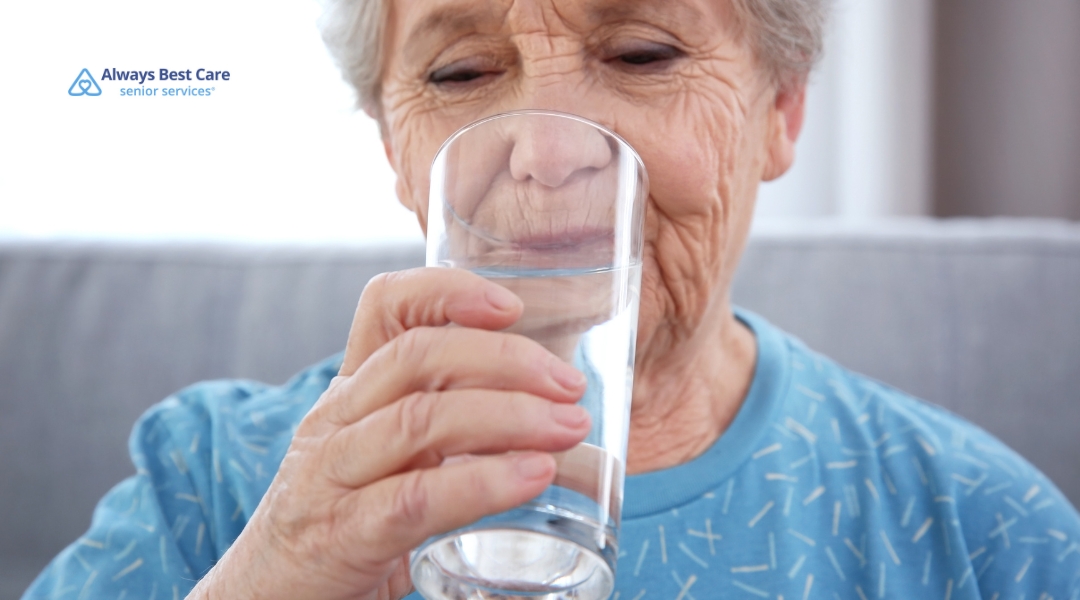
A dry mouth isn’t always the first clue that the body needs water. For many older adults, thirst doesn’t show up as strongly as it used to, and that can sneak up on us fast. That’s why staying ahead of dehydration matters so much for seniors and the people who care about them.
Table of Contents
What Readers Will Learn
- Why thirst may become a less reliable signal as people age.
- Common signs that may suggest an older adult needs more fluids.
- Easy daily habits that help seniors maintain steady hydration.
- How hydrating foods, caregiver reminders, and regular observation can support senior well-being at home.
Why Seniors Don’t Always Feel Thirsty Happens
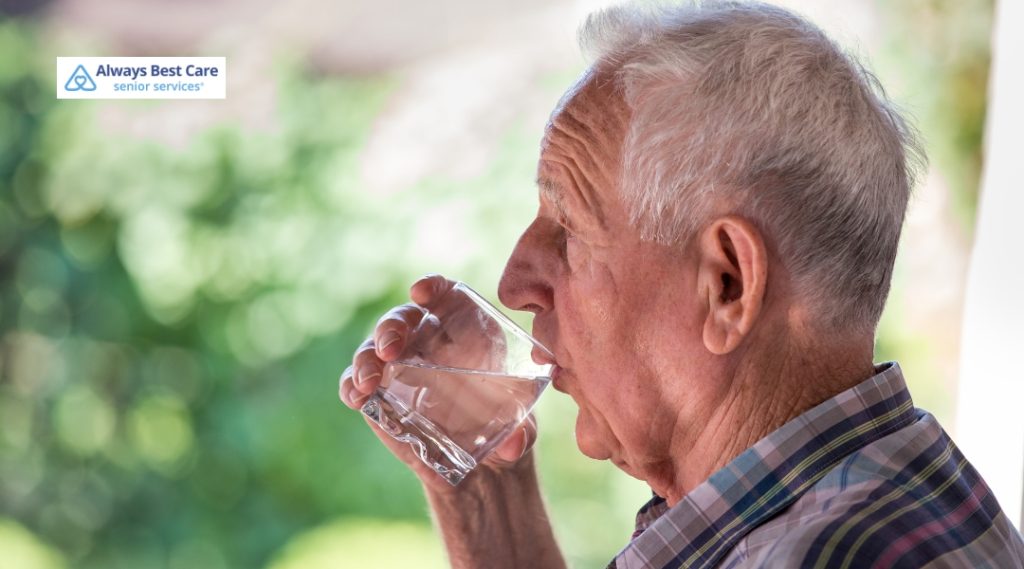
As we age, the body may not send thirst signals as quickly or clearly. In plain English, the “I need water” message can get a little fuzzy. Older adults may already be low on fluids before they even feel the urge to drink.
A few common reasons play into this:
- The body’s thirst response can become less sensitive
- Some medicines may reduce fluid levels
- Health conditions can make hydration trickier
- It may be harder to get up and grab a drink
- Frequent bathroom trips can make some seniors drink less on purpose
So, even on a normal day, drinking enough can slip through the cracks.

Why Hydration Matters So Much
Water helps the body do a whole lot behind the scenes. It supports digestion, helps regulate temperature, keeps blood moving well, and helps the brain stay sharp. Without enough fluids, a senior may start feeling off before anyone realizes what’s going on.
Warning Signs of Dehydration
Families and caregivers should keep an eye out for early clues. These can show up slowly or all at once, and they’re worth noticing.
Common warning signs include:
- Dry mouth or cracked lips
- Dark urine or not urinating often
- Dry skin
- Tiredness or weakness
- Dizziness, especially when standing
- Trouble focusing or increased confusion
- Constipation
- Loss of appetite
If these signs pop up suddenly or seem to get worse, it’s smart to reach out to a healthcare provider.
How We Can Build Better Hydration Habits
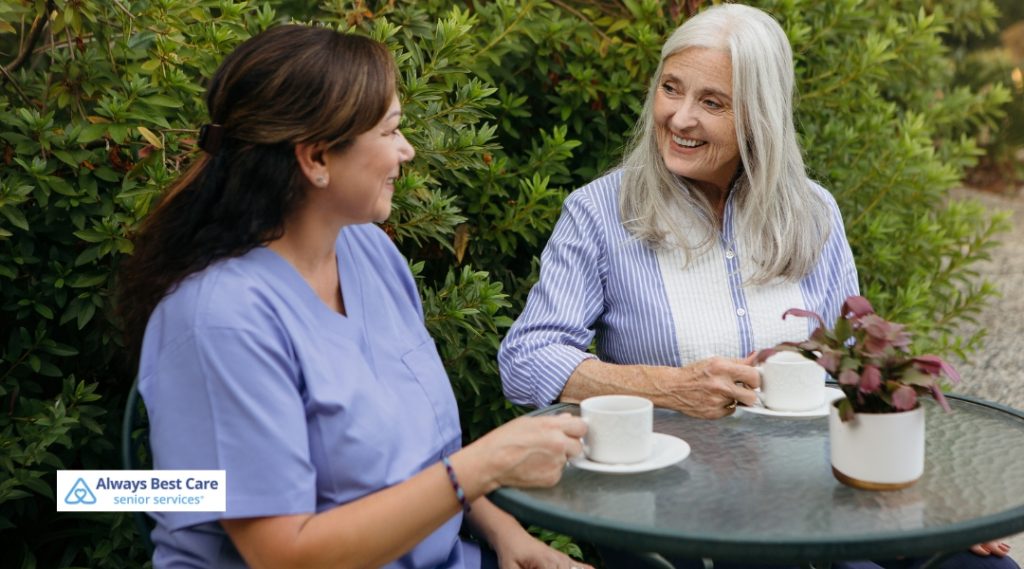
At Always Best Care of East Liverpool, OH, we know that small habits can go a long way. Instead of waiting to feel thirsty, seniors can make drinking fluids part of the day.
Helpful routines include:
- Having a glass of water with meals
- Keeping a drink within easy reach
- Setting a reminder to sip throughout the day
- Drinking before going outside or being active
- Taking small sips often instead of gulping a lot at once
Little by little, these habits can make hydration feel less like a chore and more like second nature.

Foods and Drinks That Help Too
Water is the gold standard, sure, but it’s not the only source of hydration. Plenty of foods bring fluids to the table, and that’s a nice bonus.
Good choices include:
- Watermelon
- Oranges
- Cucumbers
- Strawberries
- Lettuce
- Yogurt
- Broth-based soups
- Herbal tea
- Low-fat milk
A few of these here and there can give hydration a helpful boost.
How Caregivers Can Lend a Hand
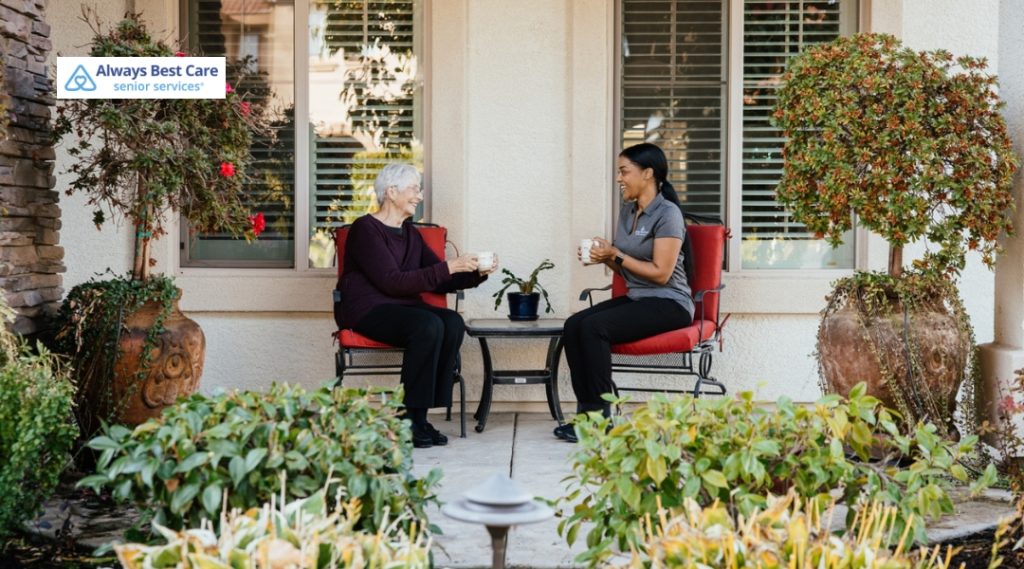
Sometimes seniors need a little extra nudge, and that’s perfectly okay. Family members and caregivers can make hydration easier by keeping drinks handy, offering fluids often, and paying attention to changes in energy or behavior.
Caregivers can help by:
- Serving drinks throughout the day
- Preparing meals with watery fruits and vegetables
- Watching for signs of dehydration
- Encouraging more fluids in warm weather
- Speaking up if something seems off
At Always Best Care of East Liverpool, OH, we support those daily rhythms with care, encouragement, and companionship. We help with meal support, hydration reminders, and a watchful eye, all while keeping comfort and independence in mind.
FAQ
Q: Why don’t seniors always feel thirsty?
A: As people age, the body may not sense dehydration as quickly, so thirst doesn’t always show up right away.
Q: Can dehydration happen even if a senior isn’t very active?
A: Yes, it can. Dehydration can happen on quiet, ordinary days too, especially if fluids are low.
Q: What’s the easiest way to help a senior drink more water?
A: Keeping a drink close by and offering small amounts often tends to work best.
Q: Are foods really helpful for hydration?
A: Yes. Fruits, vegetables, soups, and some dairy foods can add fluids to the daily total.
Q: What should we do if confusion gets worse?
A: That can be a red flag, so contact a healthcare provider right away.

Help Your Loved One Stay Hydrated at Home
At Always Best Care of East Liverpool, we help seniors maintain daily routines that support hydration, comfort, and overall well-being at home. From meal preparation and hydration reminders to companionship and day-to-day support, our caregivers help make healthy habits easier to maintain.
Why Seniors Don’t Always Feel Thirsty is more than a helpful phrase—it’s a real reminder that thirst isn’t always a dependable guide. With steady routines, hydrating foods, and a little support from us, seniors can stay more comfortable, alert, and healthy at home.
If your loved one could use extra support, Always Best Care of East Liverpool, OH is here to help.
Contact Always Best Care of East Liverpool at (330) 385-5960 to learn more and schedule your free consultation.
Link to the markdown version of this blog.