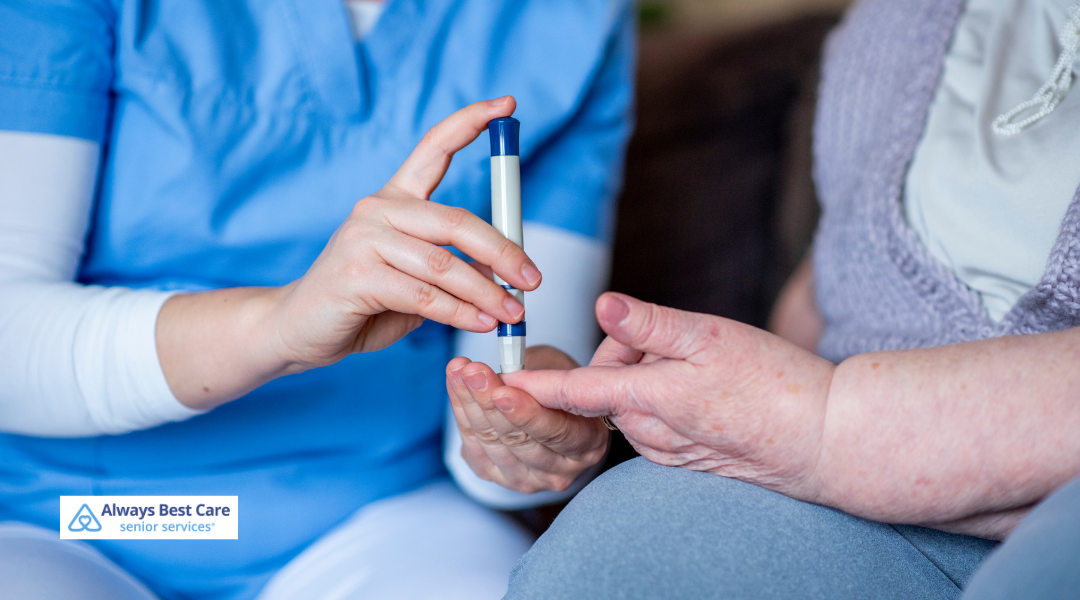

Promoting Easier Breathing for Seniors: Respiratory Care Tips in East Liverpool, OH

Breathing is something most of us never think about—until it becomes a daily struggle. For seniors in East Liverpool, OH, respiratory health is a very real concern. Age-related changes, chronic conditions, and local environmental factors can all make breathing more difficult over time. The encouraging news is that with the right habits, home environment, and support system, older adults can protect their lung health and continue living comfortably and independently.
What You Will Learn:
- How aging affects lung function and breathing in seniors.
- Common respiratory conditions and early warning signs.
- Practical ways to improve indoor air quality and daily habits.
- How caregivers support respiratory health and independence.
Table of Contents
How Aging Affects the Lungs
The respiratory system undergoes significant changes as we age. Lung tissue loses elasticity, breathing muscles weaken, and the airways become less efficient at filtering out irritants. These changes don’t just affect breathing—they impact energy, sleep, and the ability to stay active.
Older adults are particularly susceptible to:
- Chronic obstructive pulmonary disease (COPD)
- Asthma
- Pneumonia and bronchitis
- Reduced lung capacity
- Increased sensitivity to allergens and air pollutants
What makes this especially challenging is that symptoms often develop gradually. Many seniors adapt to feeling short of breath or fatigued without realizing their lung function has declined. Early awareness and proactive care make a meaningful difference.

Building a Lung-Friendly Home Environment
The air inside a home can be more polluted than outdoor air—and for seniors spending most of their time indoors, this matters. Small changes to the home environment can significantly reduce respiratory irritants and improve day-to-day comfort.
Practical steps families can take:
- Replace HVAC filters every 1–3 months and consider HEPA-grade options
- Use an air purifier in frequently used rooms, especially the bedroom
- Keep the home free of dust, mold, and pet dander through regular cleaning
- Maintain indoor humidity between 30–50% to prevent both dryness and mold growth
- Eliminate smoking indoors and minimize exposure to secondhand smoke
- Switch to fragrance-free or low-chemical cleaning products
These aren’t just comfort measures—they’re preventive steps that can reduce flare-ups and hospitalizations for seniors with existing respiratory conditions.

Daily Habits That Make a Real Difference
Lifestyle plays a powerful role in lung health. Seniors don’t need to make dramatic changes to see results—consistency with small, manageable habits is what counts.
Encourage the following routines:
- Light daily movement — Walking, gentle yoga, or stretching helps maintain lung capacity and circulation
- Diaphragmatic breathing exercises — Practicing slow, deep breaths strengthens the muscles involved in respiration
- Staying well-hydrated — Water keeps mucus thin and airways clear
- Eating an anti-inflammatory diet — Foods rich in antioxidants, omega-3s, and fiber support lung tissue health
- Keeping up with vaccinations — Annual flu shots and pneumonia vaccines are especially important for older adults
Even seniors with limited mobility can benefit from seated breathing exercises and dietary improvements. The goal is to build habits that support the lungs without adding stress or strain.
Managing Chronic Respiratory Conditions at Home
For seniors already living with COPD, asthma, or other chronic respiratory conditions, day-to-day management is essential to preventing serious complications.
Effective management typically involves:
- Taking prescribed medications consistently and on schedule
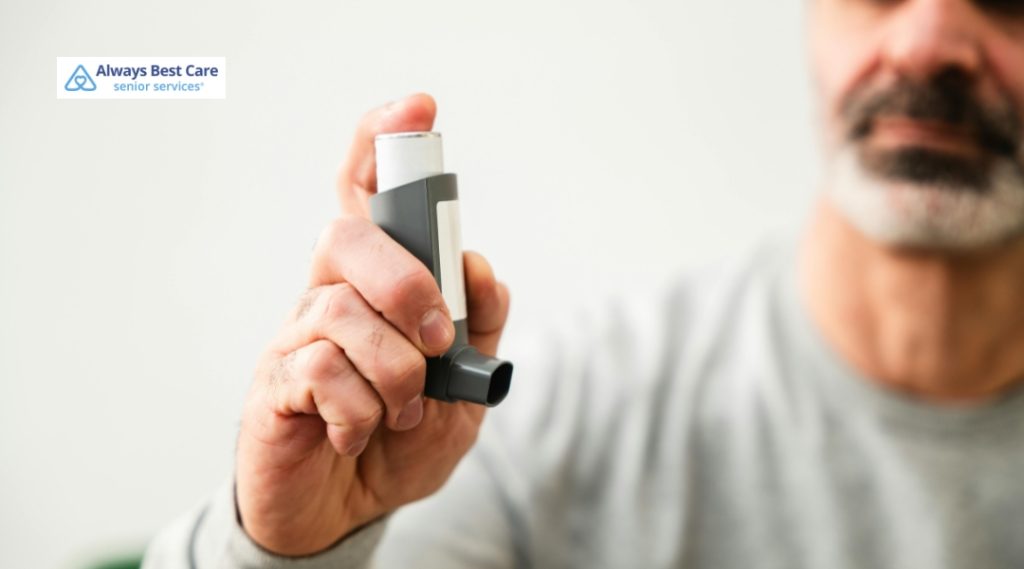
- Using inhalers with proper technique—many seniors benefit from a refresher with their pharmacist or doctor
- Tracking symptoms in a simple daily log to identify patterns or early warning signs
- Scheduling regular checkups with a pulmonologist or primary care provider
- Knowing when to adjust activity levels based on air quality or symptom changes
Having a caregiver or family member involved in this process can make a significant difference in adherence and early detection.
Warning Signs That Shouldn’t Be Ignored
Knowing when to seek medical attention is critical. Respiratory conditions can deteriorate quickly, and early intervention often prevents emergency situations.
Contact a healthcare provider if a senior experiences:
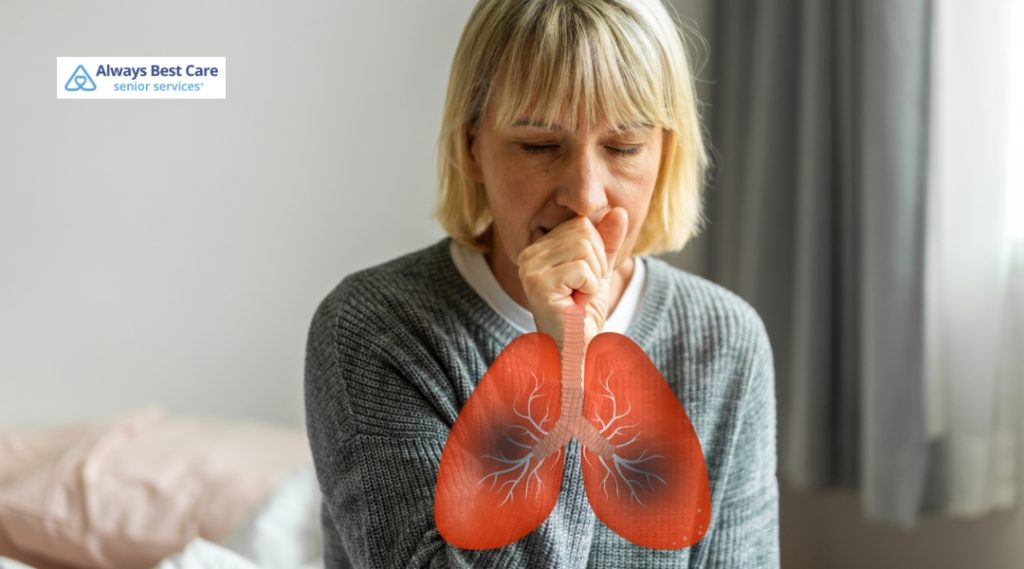
- Noticeably increased shortness of breath during routine activities
- Persistent or worsening cough
- Chest tightness or pressure
- Unusual fatigue, confusion, or restlessness
- Bluish tint to the lips or fingertips
These symptoms should never be dismissed as “just getting older.” They signal that the body needs medical attention.

How Always Best Care of East Liverpool, OH Can Help
Managing respiratory health at home is a team effort. For seniors living alone or families juggling multiple responsibilities, having professional support can be the difference between managing well and falling behind.
Always Best Care of East Liverpool, OH provides compassionate in-home care designed to support seniors with respiratory conditions and their families.
Our caregivers can help with:
- Medication reminders to ensure consistent treatment
- Light housekeeping to maintain a clean, low-allergen home
- Encouraging hydration and preparing nutritious meals
- Supporting safe, appropriate physical activity
- Accompanying seniors to medical appointments
- Providing companionship that reduces stress—a known trigger for respiratory symptoms
For seniors who need a higher level of care, home health services offer skilled nursing, respiratory therapy coordination, and direct communication with healthcare providers.

Frequently Asked Questions About Senior Respiratory Health
Q: What is the most common respiratory condition in seniors?
COPD is the most prevalent chronic respiratory condition among older adults, followed closely by asthma and recurrent pneumonia. Many seniors have more than one condition simultaneously, which requires careful, coordinated management.
Q: How can I tell if my elderly parent is struggling to breathe?
Watch for signs like labored breathing during light activity, frequent sighing, avoiding physical tasks they used to manage, or complaints of chest tightness. Changes in sleep patterns or increased fatigue can also indicate reduced oxygen levels.
Q: Are breathing exercises actually effective for seniors?
Yes. Techniques like pursed-lip breathing and diaphragmatic breathing have been shown to improve lung efficiency, reduce breathlessness, and increase exercise tolerance—even in seniors with COPD. A respiratory therapist or physical therapist can teach these techniques safely.
Q: Can diet really affect lung health?
Absolutely. Diets high in processed foods and sugar can increase inflammation, which worsens respiratory symptoms. On the other hand, foods rich in vitamins C and E, magnesium, and omega-3 fatty acids have been linked to better lung function and reduced asthma symptoms.
Q: When should a senior with a respiratory condition go to the ER?
Seek emergency care immediately if a senior experiences sudden severe shortness of breath, cannot complete a sentence without gasping, has bluish lips or fingernails, or loses consciousness. These are signs of a respiratory emergency.
Q: How does in-home care support respiratory health specifically?
In-home caregivers help maintain the routines and environment that keep respiratory conditions stable—medication reminders, clean living spaces, proper hydration, and transportation to appointments. They also serve as an extra set of eyes, noticing early warning signs before they become emergencies.

Help Your Loved One Stay Active, Comfortable, and Breathing Easier
At Always Best Care of East Liverpool, we provide compassionate in-home care for seniors managing respiratory conditions and chronic health needs. From medication reminders and meal preparation to maintaining a clean, low-irritant home environment, our caregivers help seniors stay safe, comfortable, and independent.
Respiratory health is too important to leave to chance. With the right support in place, seniors in East Liverpool, OH can breathe easier, stay more active, and maintain their independence at home.
Contact Always Best Care of East Liverpool at (330) 385-5960 to learn more and schedule your free consultation.
Link to the markdown version of this blog.