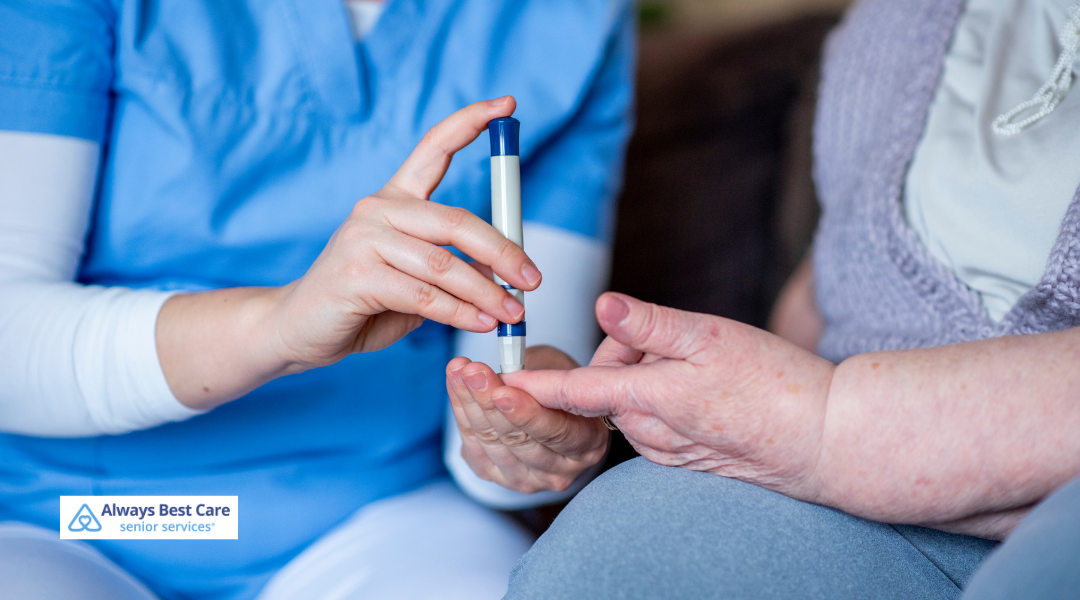

Supporting Seniors with COPD in East Liverpool, OH: Comfort-Focused Care at Home
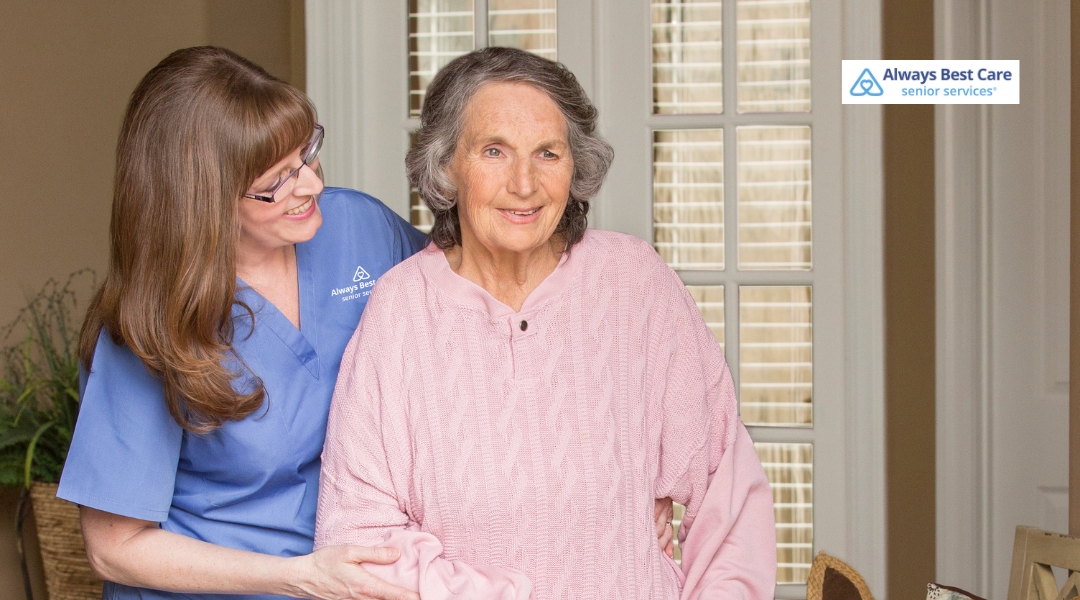
Chronic Obstructive Pulmonary Disease (COPD) is one of the most common long-term health conditions affecting older adults in the United States. For seniors in East Liverpool, OH, managing COPD at home is not only possible — it requires the right combination of daily habits, caregiver support, and a home environment designed for comfort and safety.
This guide offers practical, actionable advice for seniors and their families navigating life with COPD.
What You Will Learn:
- How COPD affects seniors beyond breathing difficulties.
- Practical strategies to manage COPD safely at home.
- How to reduce flare-ups through environment, nutrition, and daily habits.
- The role of caregivers in supporting independence and emotional well-being.
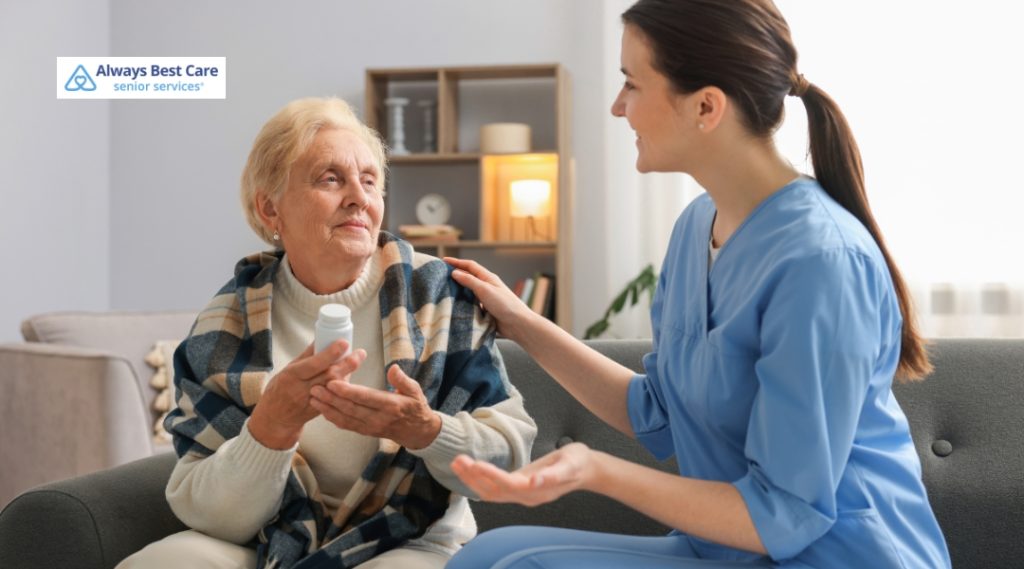
Table of Contents
Understanding COPD: More Than Just Breathlessness
COPD is an umbrella term for progressive lung diseases — primarily chronic bronchitis and emphysema — that restrict airflow and make breathing increasingly difficult. What many families don’t realize is that COPD affects far more than the lungs. It can drain energy, disrupt sleep, limit mobility, and take a toll on mental health.
Common symptoms to recognize:
- Persistent cough or wheezing
- Shortness of breath during routine tasks
- Chest tightness
- Frequent respiratory infections
- Fatigue and reduced stamina
Because these symptoms develop gradually, they are sometimes dismissed as normal signs of aging. Early diagnosis and consistent management are what separate a manageable condition from one that significantly limits daily life.
Practical Strategies for Managing COPD at Home
1. Stick to the Treatment Plan
Inhalers, bronchodilators, corticosteroids, and in some cases supplemental oxygen are commonly prescribed for COPD. Skipping doses or using equipment incorrectly can lead to preventable flare-ups.
Caregivers play a vital role here — setting up medication schedules, organizing supplies, and ensuring that oxygen equipment is functioning properly can make a real difference in day-to-day stability.
2. Improve Indoor Air Quality
The air inside a home can be just as problematic as outdoor pollution for someone with COPD. Dust, pet dander, mold, and chemical fragrances are common triggers.
Steps to create a cleaner breathing environment:
- Vacuum and dust regularly using low-chemical products
- Replace HVAC filters every 1–3 months
- Use HEPA air purifiers in frequently used rooms
- Eliminate smoking indoors entirely
- Opt for fragrance-free cleaning and personal care products
Small changes to the home environment can significantly reduce the frequency and severity of flare-ups.
3. Keep Moving — Safely
It may seem counterintuitive, but regular gentle movement is one of the most effective tools for managing COPD. Exercise strengthens the respiratory muscles, improves circulation, and supports mental well-being.
Appropriate activities include:
- Short, flat-surface walks
- Chair-based stretching routines
- Tai chi or light yoga adapted for seniors
- Pulmonary rehabilitation exercises prescribed by a physician
Always consult a healthcare provider before starting any new exercise routine, and ensure activity is paced to avoid overexertion.
4. Master Breathing Techniques
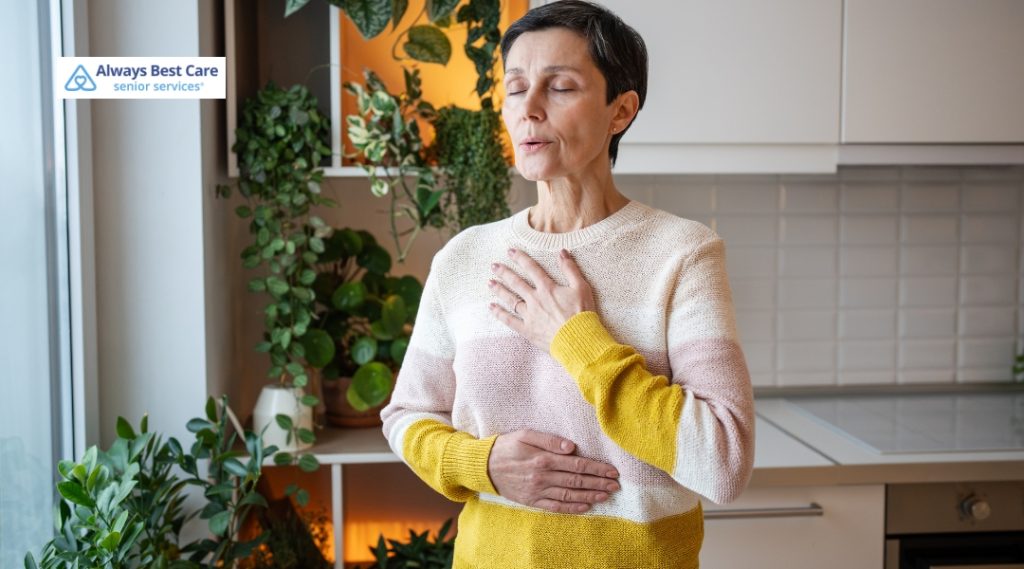
Two techniques in particular can help seniors regain control during moments of breathlessness:
- Pursed-lip breathing: Inhale slowly through the nose, then exhale through pursed lips for twice as long. This slows breathing and keeps airways open longer.
- Diaphragmatic breathing: Focuses on engaging the diaphragm rather than the chest, allowing for deeper, more efficient breaths.
Practicing these techniques daily — not just during flare-ups — builds the muscle memory needed to use them effectively when it matters most.
5. Prioritize Nutrition and Hydration
A well-nourished body handles COPD better. Staying hydrated helps thin mucus secretions, making them easier to clear. A diet rich in anti-inflammatory foods — leafy greens, berries, fatty fish, and whole grains — supports lung and cardiovascular health.
Seniors with COPD may also benefit from eating smaller, more frequent meals, as a full stomach can press against the diaphragm and make breathing more difficult.
6. Know the Warning Signs of a Flare-Up
Recognizing early signs of a COPD exacerbation can prevent a hospital visit. Families and caregivers should watch for:
- Noticeably increased shortness of breath
- Changes in mucus color (yellow, green, or brown)
- Fever or chills
- Unusual fatigue or confusion
- Reduced ability to perform everyday tasks
When these signs appear, contacting a healthcare provider promptly is essential. Having an action plan in place — developed with the senior’s physician — removes guesswork in stressful moments.
How Always Best Care of East Liverpool, OH Supports Seniors with COPD
Managing COPD is a daily commitment, and it’s one that no senior should have to face alone. Always Best Care of East Liverpool, OH provides personalized in-home care that helps seniors breathe easier — literally and figuratively.
Our caregivers can help with:
- Medication reminders and supply organization
- Light housekeeping to maintain clean indoor air
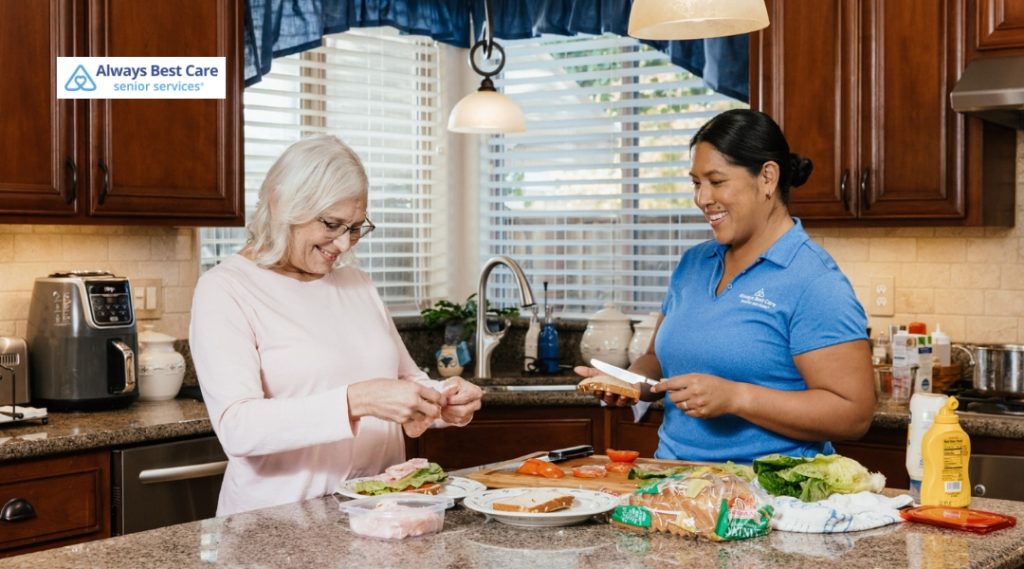
- Meal preparation focused on nutritious, easy-to-eat options
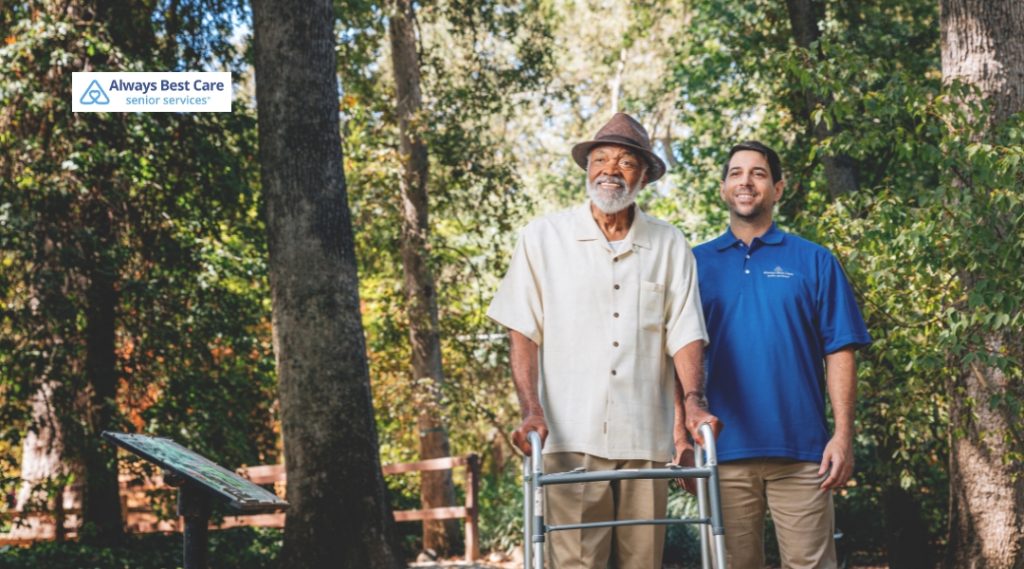
- Gentle encouragement of safe physical activity
- Companionship to ease anxiety and reduce isolation
- Transportation to pulmonary appointments and follow-up visits
For seniors with more complex needs, home health services offer skilled nursing support and direct coordination with physicians and respiratory therapists.
Frequently Asked Questions About COPD and Senior Home Care
Q: Can seniors with COPD live independently at home?
A: Yes, many seniors with COPD live safely and comfortably at home with the right support. In-home caregivers, proper medication management, and a clean home environment make independent living achievable for most.
Q: What triggers COPD flare-ups at home?
A: Common triggers include cigarette smoke, dust, pet dander, mold, strong fragrances, cold air, and respiratory infections. Identifying and minimizing personal triggers is one of the most effective ways to reduce flare-up frequency.
Q: How can a caregiver help someone with COPD without overstepping?
A: The best caregivers support independence rather than replace it. This means offering reminders rather than taking over, encouraging activity rather than discouraging it, and being present without being overbearing. Open communication between the caregiver, senior, and family is key.
Q: Is exercise safe for seniors with COPD?
A: Yes, when properly guided. Pulmonary rehabilitation programs and physician-approved light exercise routines are beneficial for most seniors with COPD. The goal is consistent, low-intensity movement — not intensity.
Q: When should a family consider professional in-home care for a loved one with COPD?
A: If a senior is missing medications, struggling with daily tasks, experiencing frequent flare-ups, or showing signs of anxiety or depression related to their condition, it may be time to explore in-home care options.
Support Comfort and Independence for Seniors with COPD
At Always Best Care of East Liverpool, we provide compassionate in-home care for seniors living with COPD and other chronic conditions. From medication reminders and meal preparation to maintaining a clean, low-irritant home environment, our caregivers help seniors stay safe, comfortable, and independent.
Contact Always Best Care of East Liverpool at (330) 385-5960 to learn more and schedule your free consultation.
Link to the markdown version of this blog.