

Private Nursing for Greater Boston Stroke Survivors: Supporting a Safer Recovery at Home
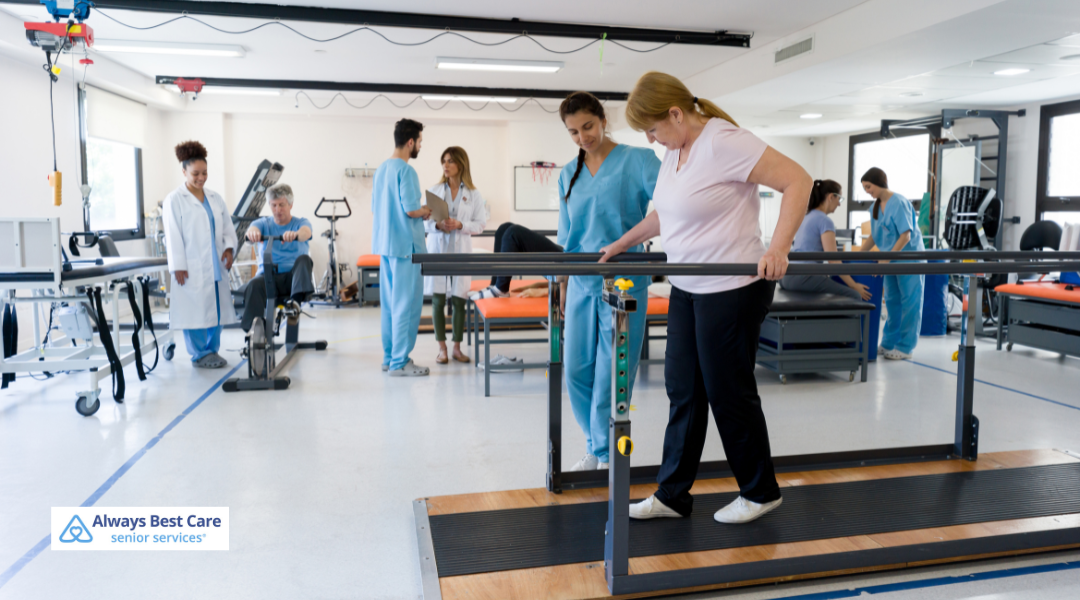
Returning home after a stroke can be a welcome milestone, but it may also bring new responsibilities. Families may need to manage medications, follow discharge instructions, coordinate therapy, attend appointments, and watch for changes in health—all while adjusting to a loved one’s changing abilities.
Recovery looks different for every survivor. Some people make progress over weeks or months, while others need ongoing assistance. Rehabilitation may involve physical, occupational, and speech therapy to address movement, daily activities, and communication.
Private nursing adds personalized clinical support at home. For Greater Boston families, it can help bridge the gap between discharge instructions and everyday care, while keeping the broader healthcare team informed. Always Best Care’s Greater Boston nursing services include monitoring changes in condition, supporting medication routines, and coordinating with physicians, specialists, and other participating providers.
Table of Contents
What Private Nursing Can Provide After a Stroke
Private nursing involves skilled care delivered by licensed nurses. It differs from non-medical home care, which focuses primarily on assistance with everyday activities and companionship.
Depending on the survivor’s needs, medical orders, and care plan, nursing support may include:
- Reviewing discharge instructions and helping families understand the care routine
- Managing and administering prescribed medications
- Monitoring health changes and reporting concerns
- Supporting prescribed treatments
- Educating family caregivers about care instructions and warning signs
- Coordinating communication with healthcare providers
- Documenting care and updating the plan as needs change
Always Best Care offers one-to-one private nursing for people recovering from illness or injury, with nursing oversight and services tailored to individual needs. Families should confirm which services, schedules, and clinical arrangements are appropriate for their loved one.
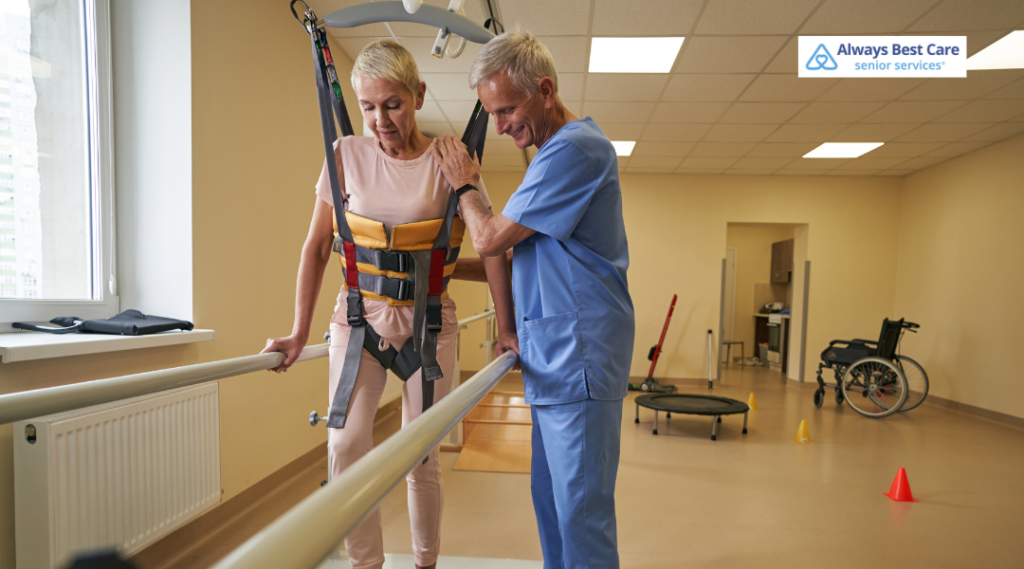
Help Manage Medication Changes
Medication routines may look different after a hospital stay. A survivor may have new prescriptions, changed doses, or medications that have been discontinued.
A clear medication plan is an important part of the transition home. Discharge guidance should explain continuing medications, changes made in the hospital, and the reasons for those changes.
A private nurse can help families understand and follow the prescribed regimen, administer medications within the care plan, and communicate questions or concerns to the prescribing clinician. Always Best Care’s Greater Boston services include medication management and administration, with attention to prescribed dosage and timing.
Families should not independently stop, restart, or change medications. Questions about side effects, missed doses, or conflicting instructions should be directed to the nurse, pharmacist, or prescribing provider.
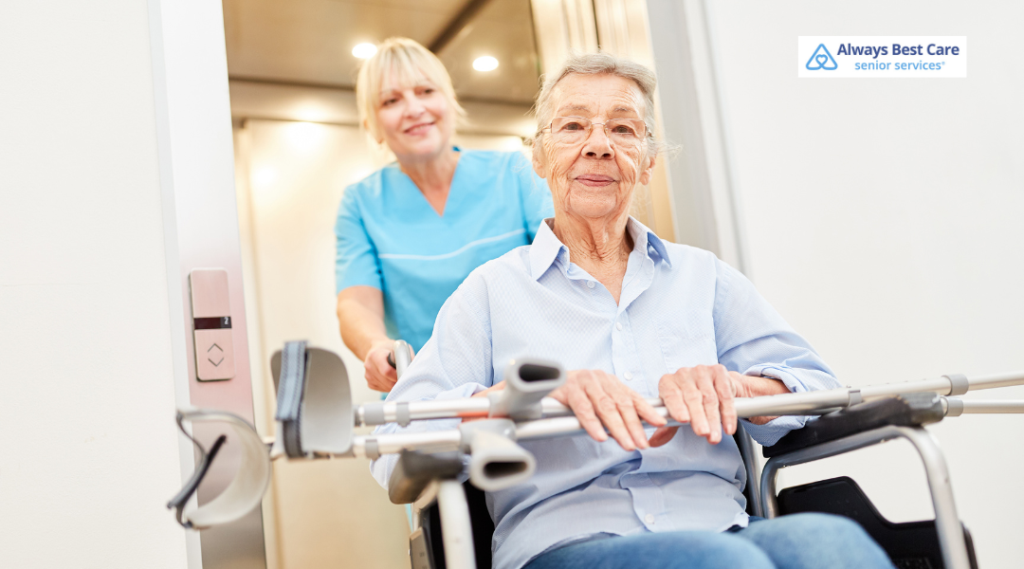
Monitor Changes and Communicate Concerns
Families may be unsure whether a change is expected during recovery or needs medical attention. Nursing oversight provides a trained professional who can observe the survivor’s condition, document concerns, and communicate with the healthcare team.
Monitoring may include vital signs, neurological status, and other indicators relevant to the individual care plan. Clinical monitoring helps identify deterioration or complications, while treatment changes remain the responsibility of authorized clinicians.
A private nurse is not a substitute for emergency services. If new stroke warning signs appear—such as sudden facial drooping, arm weakness, speech difficulty, balance loss, or vision changes—call 911 immediately, even if symptoms improve. Do not wait for a scheduled nursing visit or a return call.

Keep Rehabilitation and Daily Care Connected
Stroke recovery often involves several professionals, each with a different role:
- Physical therapists help address movement, coordination, and mobility.
- Occupational therapists help survivors improve daily activities such as dressing, bathing, and eating.
- Speech-language pathologists may address communication and related rehabilitation needs.
- Nurses provide clinical care, monitoring, medication support, and education.
- Non-medical caregivers assist with daily routines and practical support.
Rehabilitation works best as a coordinated plan rather than a collection of disconnected appointments.
A private nurse can help share relevant updates between the family and participating providers. For example, changes in health or medication routines may need to be communicated before the care team adjusts activities. Always Best Care’s Greater Boston nursing team works with physicians, specialists, geriatric care managers, social workers, and other agencies to help keep care aligned.
Nursing does not replace therapy. Each professional contributes within their role, with the survivor’s needs and recovery goals guiding the plan.
Give Family Caregivers Clearer Guidance
Family members may feel responsible for understanding every instruction immediately after discharge. That can be overwhelming, especially when they are also managing work, household responsibilities, and the emotional impact of the stroke.
Private nursing can provide opportunities to ask questions and review how care should be delivered at home. Families can discuss:
- Which tasks require a licensed professional
- Which daily activities need supervision or assistance
- How medications and prescribed treatments fit into the day
- What changes should be reported to the healthcare team
- When to seek urgent or emergency care
- Who to contact with questions between appointments
Post-discharge planning should involve the survivor and family, include a documented care plan, and provide caregivers with education about home care and follow-up needs.
Clear responsibilities can also help families decide where additional non-medical support would be useful.

Match the Nursing Schedule to Current Needs
Not every stroke survivor needs the same amount of nursing care. The appropriate schedule depends on clinical needs, available family support, prescribed treatments, and the discharge plan.
Before arranging services, ask:
- What skilled nursing tasks are needed?
- How frequently should the nurse visit or provide care?
- Who coordinates with the prescribing clinicians?
- What support is available outside scheduled visits?
- How are changes documented and communicated?
- When will the care plan be reassessed?
Always Best Care’s Greater Boston private nursing services offer flexible scheduling, from short visits to more extensive coverage, with a dedicated nurse case manager. Availability and the appropriate level of care should be confirmed during the assessment.
As recovery progresses, the balance of nursing, therapy, non-medical care, and family assistance may change.

How Always Best Care of Greater Boston Can Help
Always Best Care of Greater Boston provides private nursing services for short-term recovery and longer-term support. Its published services include medication administration, monitoring changes in condition, care coordination, and individualized clinical care at home.
The provider also describes dedicated RN supervision and a team approach involving nurses, therapists, and caregiving professionals. Care can be arranged in a person’s home, a relative’s home, or a senior living setting, depending on the care arrangement.
Families can contact the team to discuss the discharge plan, current medical needs, rehabilitation goals, and practical support required at home. A personalized assessment can help determine which services are appropriate rather than assuming every survivor needs the same package of care.
FAQ
Q: How is private nursing different from companion care?
A: Private nursing provides skilled clinical services through licensed nurses, such as medication administration, monitoring, and prescribed treatments. Companion care focuses on social connection and everyday non-medical assistance. Families should clarify which tasks require nursing and which can be handled by other caregivers.
Q: Can private nursing replace physical or occupational therapy?
A: No. Nursing and rehabilitation serve different purposes. Physical therapy addresses movement and coordination, while occupational therapy addresses daily activities. Nursing complements these services through clinical care and coordination.
Q: Can a private nurse help with medications after discharge?
A: Yes, when medication services are included in the care plan. Always Best Care’s Greater Boston nursing services include management and administration of prescribed medications. The nurse can also communicate concerns to the appropriate prescribing professional.
Q: Does every stroke survivor need around-the-clock nursing?
A: No single schedule fits everyone. Families should work with the healthcare team and nursing provider to determine the necessary services and coverage. Always Best Care offers flexible scheduling, including short visits and more extensive support.
Q: What should we prepare for a nursing consultation?
A: Gather the discharge instructions, current medication list, provider contacts, therapy plan, follow-up appointments, and questions about assistance at home. These details help the team understand the existing plan and identify where support is needed.
Q: What if new stroke symptoms occur while we are receiving nursing care?
A: Call 911 immediately. New stroke symptoms require emergency evaluation, even if a nurse is scheduled to visit or the symptoms begin to improve.

Build a Coordinated Recovery Plan
A thoughtful home recovery plan brings clinical care, rehabilitation, everyday assistance, and family involvement together.
Contact Always Best Care of Greater Boston to discuss private nursing services that fit your loved one’s discharge instructions and current needs. Personalized nursing oversight can help your family navigate care at home with clearer guidance, practical support, and greater confidence. Contact Always Best Care of Greater Boston at (617) 489-9000 to learn more and schedule your free consultation.
Link to the markdown version of this blog.