Private Nursing in Greater Boston: The ‘In-Between’ Care Too Many Families Don’t Know About

In Greater Boston, it’s common for an aging parent to have a full roster of specialists at Mass General, Beth Israel, Brigham, or a local community hospital—cardiologist here, neurologist there, primary care somewhere else. The problem? Once they’re back home in Newton, Quincy, Somerville, or Dorchester, it can feel like all that expertise suddenly disappears, and families are left juggling instructions, pill organizers, and “watch for these symptoms” handouts.
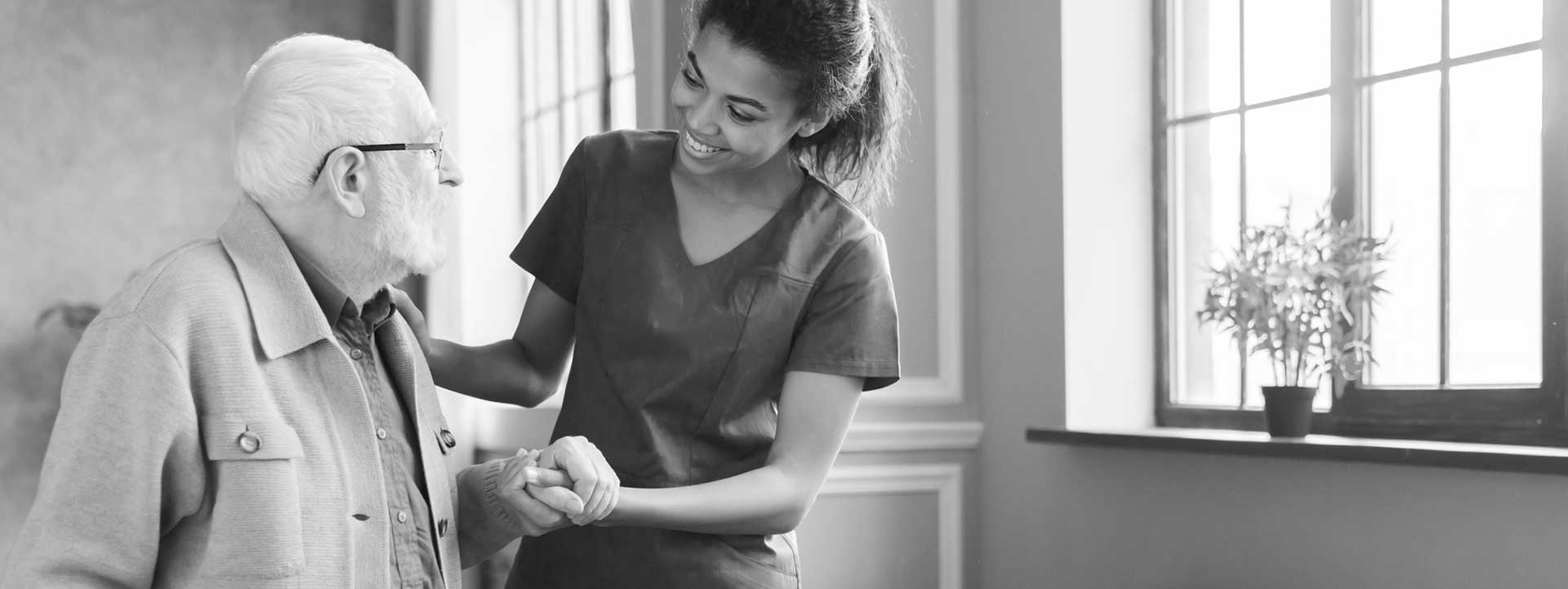
That’s where private nursing comes in. It fills the gap between short, rushed office visits and 24/7 hospitalization, giving seniors clinical-level support at home from a nurse who actually knows their story, their routine, and their neighborhood.
What You Will Learn:
- What private nursing is and how it differs from traditional home care or visiting nurse services.
- How private nurses support seniors with complex conditions, medication management, and recovery at home.
- Why this “in-between” level of care helps prevent hospital readmissions and health complications.
- How families in Greater Boston benefit from added clinical support and peace of mind.

Table of Contents
What Private Nursing Really Means (Beyond the Buzzword)
Private nursing isn’t just “fancy home care.” It’s licensed, one-on-one nursing for seniors who live at home but still have real medical needs that feel too big for non-medical caregivers to handle.
Private duty nurses can:
- Monitor complex conditions like heart failure, COPD, advanced diabetes, and Parkinson’s
- Manage post-hospital or post-surgical recovery at home
- Watch for subtle changes that could signal “something’s off.”
- Adjust day-to-day care based on what they see—not just what’s written in a discharge summary
Think of it as having a nurse who knows your parents’ baseline, not just their chart.

Why Greater Boston Seniors Ask About Private Nursing
Families in the Greater Boston area tend to be pretty savvy. They Google, they compare, they ask hard questions. Common worries that push people to search for private nursing include:
- “Mom keeps going back to the ER after every discharge. What are we missing?”
- “Dad has a complicated medication list and keeps getting confused. Is it safe for him to manage this alone?”
- “We live in the city; the stairs, the winter ice, the follow-up appointments—how is this supposed to work?”
- “We can help with rides and groceries, but we aren’t nurses. Who can handle the medical side?”
Private nursing speaks directly to those fears by blending clinical skill with practical, at-home support.

Beyond Vital Signs: The Kind of Monitoring That Really Matters
Yes, a private nurse will check blood pressure, pulse, oxygen levels, weight, and blood sugar when needed. But the deeper value is in what they notice around those numbers.
A good private nurse picks up on things like:
- “He’s more short of breath walking from the bedroom to the kitchen than last week.”
- “She’s not finishing meals and looks more fatigued by late afternoon.”
- “Those ankles are definitely more swollen than they were on Tuesday.”
- “His mood is flat, and he’s suddenly not interested in his usual TV shows or calls.”
In Greater Boston’s fast-moving healthcare system, these small details often get lost. At home, they become early warning signs that can prevent a crisis.
Managing Medications in a City of Specialists
Greater Boston seniors often see multiple providers: one at a major teaching hospital, one at a local clinic, one at a rehab facility after a fall. Each visit can mean new prescriptions, “take this instead of that,” and “stop this if you notice X.”
Private nursing helps untangle the mess by:
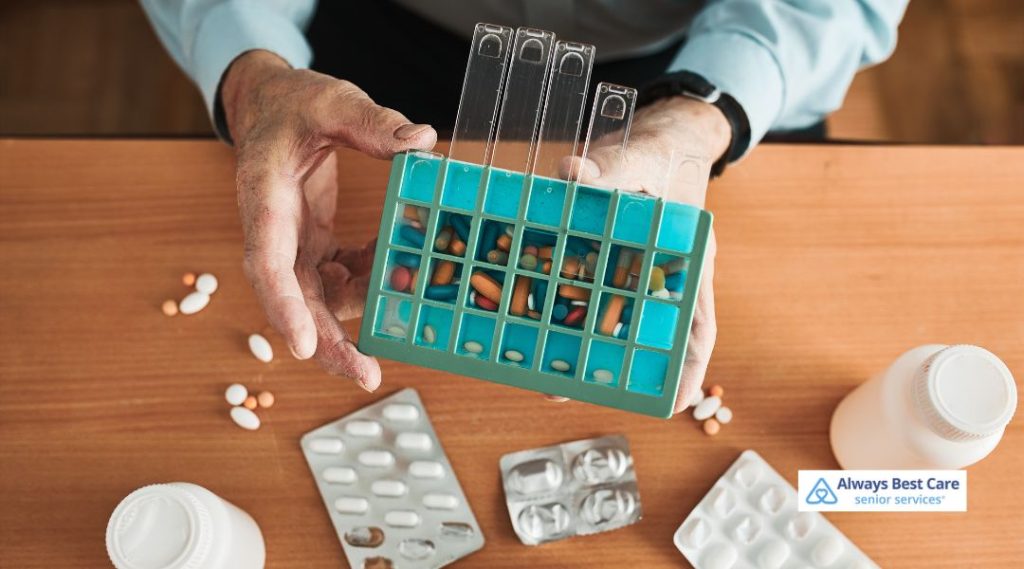
- Creating a clear, up-to-date medication list
- Organizing pills into practical, easy-to-follow schedules
- Watching for side effects like dizziness, confusion, or stomach upset
- Noticing dangerous combinations or duplicate medications
- Flagging concerns to doctors before problems snowball
For families, this often means fewer frantic calls that start with, “I think we messed something up with Dad’s meds.”
Post-Hospital and Post-Surgery Care—Boston-Style
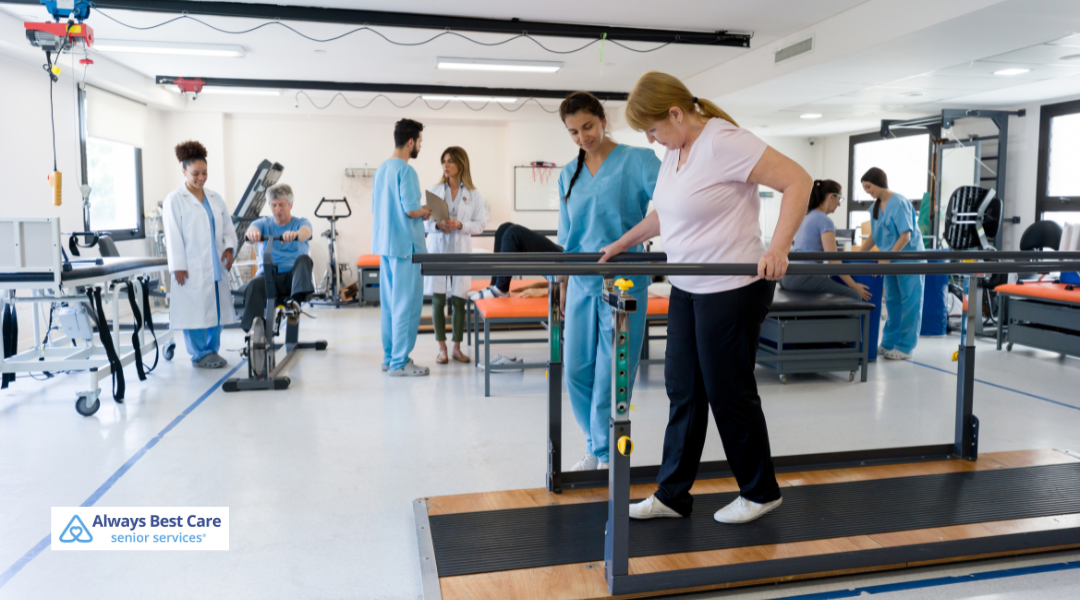
Being discharged from a Boston hospital can feel like being handed a stack of instructions and being wished good luck. Private nurses make that transition gentler and safer, whether the senior is heading back to a condo in Back Bay or a multi-level home in the suburbs.
At home, a private nurse can:
- Translate medical jargon into simple, actionable steps
- Check incisions, bandages, and drains for signs of infection
- Help seniors safely adapt to new mobility limits (stairs, bathrooms, getting in and out of bed)
- Coordinate with physical or occupational therapists who may also be visiting
- Make sure follow-up appointments don’t get missed or mixed up
That extra layer of eyes and hands often means fewer readmissions and a smoother path back to a more normal routine.
Private Nursing and the Reality of Boston Winters
Cold, snow, ice, and slush aren’t just annoying—they’re dangerous for seniors with mobility or balance issues. For many families, the idea of Grandma navigating icy sidewalks to get a wound checked or labs drawn is terrifying.
Private nursing reduces these risks by:
- Handling many care tasks at home that would otherwise require a visit out
- Timing visits around storms and bad weather to keep care consistent
- Helping plan safe transportation when leaving the house is truly necessary
- Watching carefully for winter-related issues like dehydration, isolation, or seasonal mood changes
In a climate where one patch of black ice can change everything, having medical care come to the senior can be priceless.
Supporting Families Who Are “Doing It All”
In Greater Boston, it’s common for adult children to be juggling demanding jobs, commutes, and caregiving—sometimes from another part of the state or even out of state. The guilt and worry can be relentless.
Private nursing gives families:
- Honest feedback about how their loved one is really doing day to day
- A professional ally to call when something feels off
- Guidance on what’s realistic for the senior to manage independently
- Relief from the most stressful, high-stakes tasks (like wound care or injections)
Instead of constantly wondering, “Am I missing something serious?”, families can share responsibility with someone who is trained to spot emerging problems.

FAQs About Private Nursing in Greater Boston
Q: Is private nursing only for very sick or bedbound seniors?
A: Not necessarily. Private nursing is helpful for seniors with complex health needs, frequent med changes, recent hospitalizations, or conditions that need close watching—even if they’re still mobile and fairly independent in other ways.
Q: How is private nursing different from a visiting nurse sent by a hospital or doctor?
A: Short-term visiting nurse services are usually brief, focused, and time-limited. Private nursing offers more flexible visit lengths, longer-term support, and care tailored to what the senior actually needs day to day, not just what fits into a quick visit slot.
Q: Can private nurses work alongside home care aides and family caregivers in Greater Boston?
A: Yes. Private nurses often handle the medical side—monitoring, treatments, education—while aides and family focus on daily activities, errands, meals, and companionship. Together, they create a more complete safety net.
Q: How can private nursing help reduce ER visits and hospital readmissions?
A: By catching changes early, managing medications carefully, and coordinating with doctors, private nurses often address problems while they’re still small—before they escalate into emergencies that require an ER visit or hospital stay.
Q: Is private nursing only available in certain parts of Greater Boston?
A: Private nursing typically serves a wide range of neighborhoods and nearby communities—from the city itself to surrounding towns. Coverage varies by provider, but many teams are used to navigating Boston traffic, parking challenges, and suburban routes alike.

Clinical Care That Fits Boston Lives
Greater Boston offers some of the best medical care in the country—but that care is often concentrated in hospitals and clinics, not in the living rooms where seniors spend most of their time. Private nursing brings a piece of that clinical expertise home, wrapping it around the everyday routines, quirks, and realities of life in this area.
For seniors, it means staying in the place they know best while still feeling medically secure. For families, it means sharing the load with a professional who can see what’s happening between appointments and act early. In a fast-paced, medically complex region like Greater Boston, that kind of partnership can make all the difference between just getting by and truly living safely at home. Contact Always Best Care of Greater Boston at (617) 489-9000 to learn more and schedule your free consultation.
Link to the markdown version of this blog.