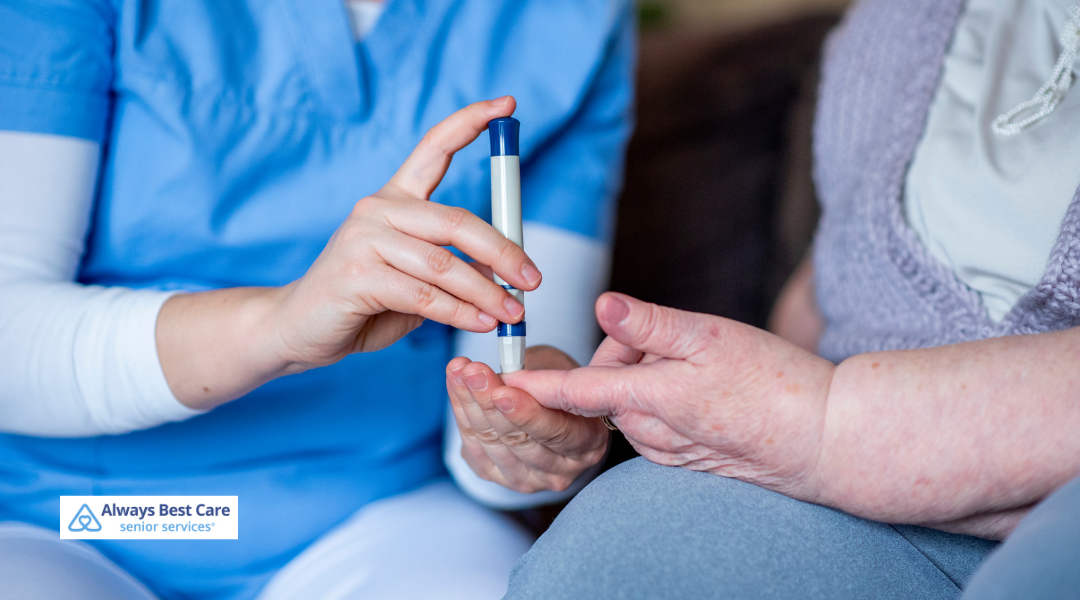

Managing Diabetes with Seniors: Supporting Health and Independence at Home in Nashville, TN
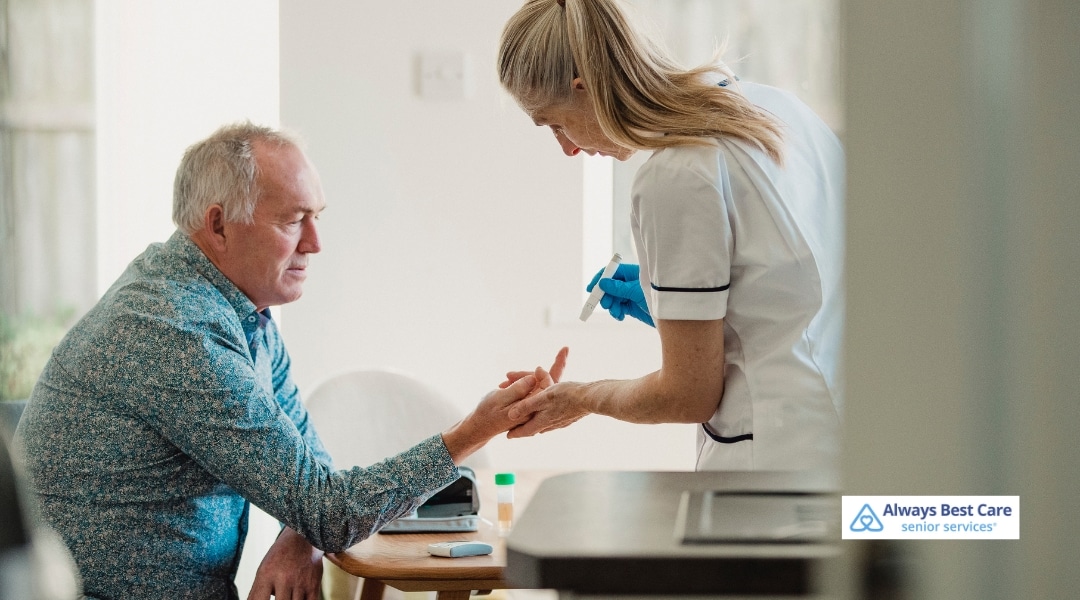
Diabetes is incredibly common among older adults, and honestly, it’s one of the more manageable chronic conditions when you’ve got solid support in place.
The tricky part? As folks age, controlling blood sugar gets complicated fast. Their metabolism shifts, they’re juggling multiple medications, and other health issues start piling up.
But here’s the good news: with the right care, education, and daily monitoring, seniors can absolutely live long, active, and satisfying lives. Family members and caregivers? They’re the real MVPs in helping loved ones stay on top of managing diabetes with seniors and dodge serious complications.
What you will learn:
- The unique challenges seniors face when managing diabetes and how these affect daily life.
- Practical strategies for diabetes management, including nutrition, exercise, and medication.
- The role of in-home care in providing support, maintaining independence, and managing health.
- How to spot warning signs of complications and take action before they escalate.
Table of Contents
Understanding Diabetes in Older Adults
Diabetes messes with how the body processes glucose, causing blood sugar to climb higher than it should. When it’s not well-controlled over time, it damages the heart, kidneys, eyes, nerves, and pretty much every other organ you can think of.
Older adults typically deal with two main types:
- Type 2 diabetes: The most frequent kind, usually tied to insulin resistance and lifestyle choices
- Type 1 diabetes: Less common in seniors but still shows up in folks who got diagnosed earlier in life
For older folks, managing diabetes with seniors means balancing a bunch of medications, rolling with changes in hunger or activity levels, and tackling other health curveballs that make daily life trickier.

Real Obstacles Seniors Face When Managing Diabetes in Nashville, TN
Managing diabetes hinges on staying consistent, and that’s where things get rough for older adults. They might:
- Blank on checking blood sugar or taking insulin at the right time
- Eat sporadically or skip meals because their appetite’s tanked
- Struggle physically with meal prep
- Deal with vision problems that make reading labels or measuring doses harder
- Feel overwhelmed juggling prescriptions for different conditions
These hiccups lead to wonky blood sugar levels and bump up the risk of hypoglycemia (that’s low blood sugar), which can be downright risky for seniors living solo.
Practical Strategies That Actually Work at Home
Nailing Down Nutrition
A solid diet is honestly the foundation of diabetes management. Encourage meals packed with:
- High-fiber foods; think vegetables, beans, and whole grains
- Lean proteins like fish, chicken, or tofu
- Minimal sugar and refined carbs
- Smaller, more frequent meals to keep blood sugar steady
Caregivers can jump in with meal planning and preparation, ensuring seniors enjoy balanced, tasty meals that align with their health goals.

Getting Movement Into the Mix
Exercise brings blood sugar down and boosts circulation, mood, and strength. For most seniors, gentle, low-impact stuff works best:
- Walking around the block or indoors
- Light stretching or yoga
- Chair exercises
- Gardening or light housework
Always chat with a doctor before jumping into new exercise routines; safety comes first.
Staying on Top of Meds and Glucose Checks
Consistency with medication and monitoring can trip up older folks, so families and caregivers should:
- Set reminders for testing and medication times
- Organize pills in clearly labeled boxes
- Keep a daily log of blood sugar readings
- Schedule regular check-ins with healthcare providers
In-home caregivers can also spot shifts in appetite, mood, or energy, those early warning signs that blood sugar’s bouncing around.

Spotting Red Flags Before They Escalate
Unmanaged diabetes brings serious complications if nobody’s watching. Keep an eye out for:
- Constant thirst or frequent bathroom trips
- Sudden tiredness or weakness
- Blurry vision
- Unexplained weight loss
- Wounds or infections that won’t heal
When these pop up, get a healthcare provider on the phone immediately.
How In-Home Care Transforms Diabetes Management in Nashville, TN
Diabetes care can feel like too much, especially for seniors flying solo. We at Always Best Care help tremendously by:
- Tagging along on grocery runs and handling meal prep
- Nudging daily movement and water intake
- Giving medication reminders and keeping tabs
- Spotting and reporting anything concerning
- Being there for companionship to ease stress
With compassionate, trained support, seniors can gain better control of their diabetes and feel way better about life at home.

Frequently Asked Questions
Q: What’s a good blood sugar target for older adults?
A: It depends on their overall health. For seniors without major other issues, an A1C goal of around 7–7.5% works well. But for frailer older adults juggling multiple conditions, something like 7.6–8.5% is more realistic and safer to prevent dangerous low blood sugar episodes.
Q: Can seniors cut back on medications for managing diabetes?
A: Sometimes, yeah. Healthcare providers can simplify insulin regimens or adjust medications based on how well someone’s doing and their risk of low blood sugar. This strategy needs professional oversight, though.
Q: How often should blood sugar be checked?
A: That’s a case-by-case thing depending on their medications and overall health. Chat with their doctor about what makes sense for your loved one’s situation.
Q: Is diet really that critical?
A: Absolutely. A regular meal plan with steady, moderate carbs can be enough and helps dodge malnutrition. The goal is to keep things simple and realistic, not following restrictive rules that don’t fit their lifestyle.
Q: What’s the biggest mistake families make?
A: Overcomplicating things. Simpler medication routines and realistic expectations actually work better than trying to hit super strict targets that lead to low blood sugar scares.
Take Control of Diabetes Care:
Managing diabetes with seniors doesn’t have to feel like climbing a mountain. With solid guidance, proper care, and daily support, your loved one can stay healthy, safe, and independent right in their own home.
Ready to make a real difference? Reach out to Always Best Care of Nashville today at (615) 678-0293 to set up a care consultation.
Let’s talk about how our caregivers can help your family tackle diabetes care with real compassion and confidence. Your loved one deserves the best, and we’re here to deliver exactly that.